Writing practice Normal Preschool Alphabet Worksheets
5 filtered results
Difficulty Level
Grade
Age
-
From - To
Subject
Activity
Standards
Enhance your child's writing skills with our Normal Preschool Alphabet Worksheets! Designed for young learners, these engaging worksheets provide a fun and interactive way to practice writing letters A-Z. Each worksheet features clear guidelines and activities to improve letter formation, stroke order, and fine motor skills. Ideal for preschoolers, these printable resources blend education with creativity, enabling children to learn at their own pace. With colorful designs and appealing themes, your little ones will look forward to their writing practice. Help them build a strong literacy foundation while instilling a love for learning through our structured and easy-to-use alphabet worksheets!
Favorites
With answer key
Interactive
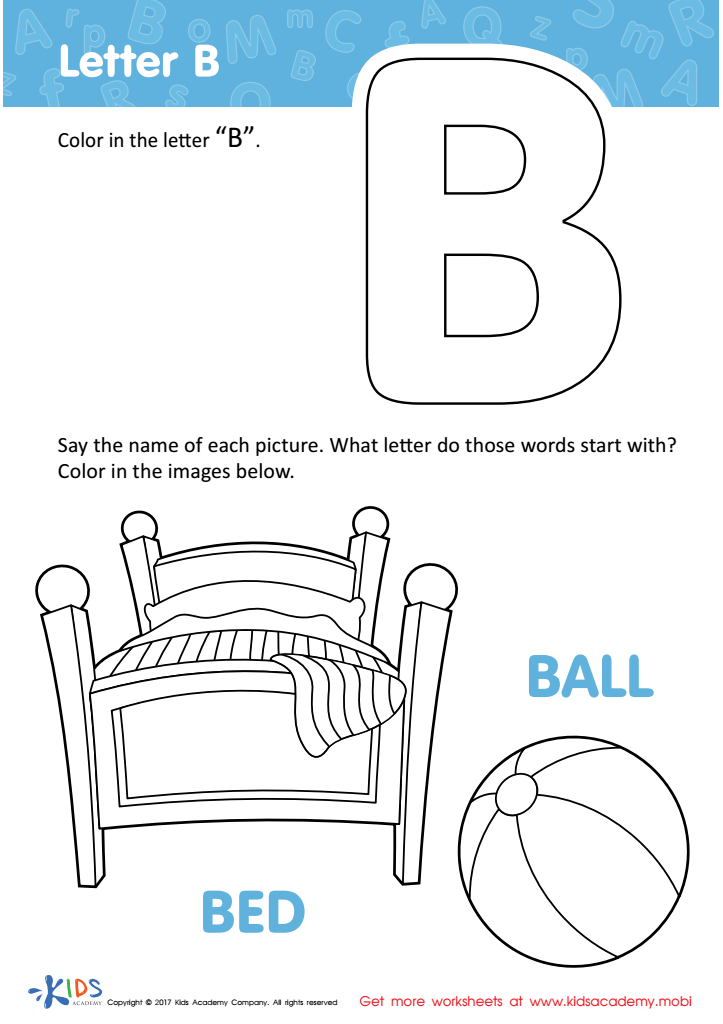
Letter B Coloring Sheet
Kids will love coloring this page that features things they like - balls, bubbles, bugs and bedtime - all words starting with "B"! It's a great way to introduce the alphabet and increase their exposure to letters and sounds. Let them have fun and learn at the same time!
Download (PDF)
 Assign to My Students
Assign to My Students
Letter B Coloring Sheet
Worksheet
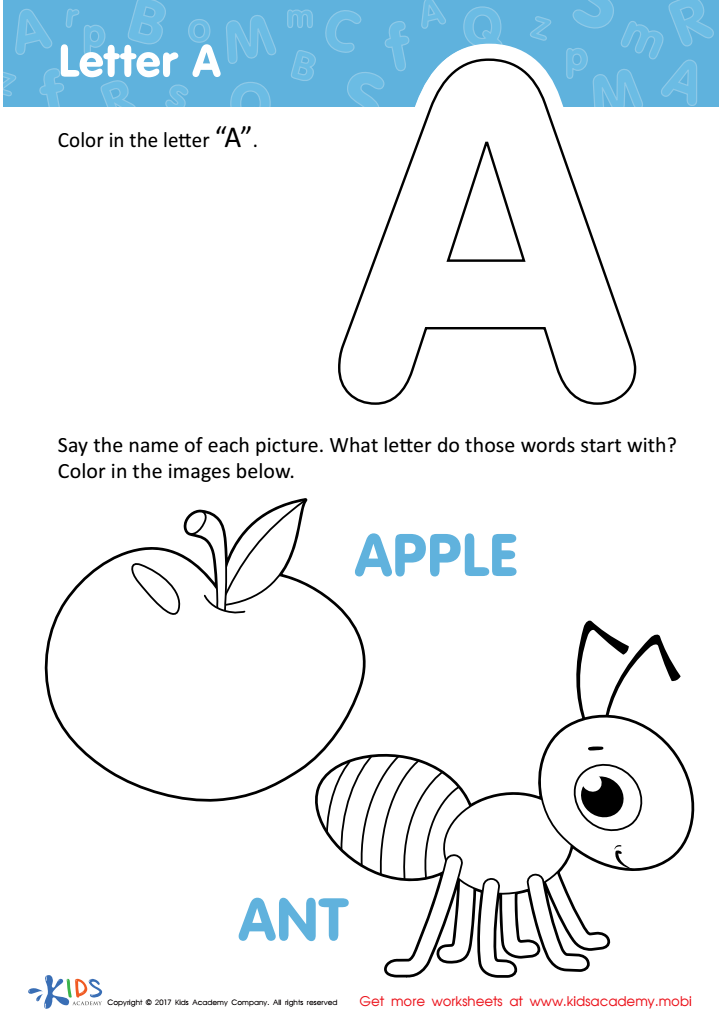
Letter A Coloring Sheet
This letter "A" coloring page is great for introducing kids to the alphabet! Let them exercise their creativity while they learn to recognize letters and sounds - it's a fun and easy way to help them get started.
Download (PDF)
Assign to My Students
Assign to My Students
Letter A Coloring Sheet
Worksheet

Letter H Tracing Page
Trace the letter "H", then practice writing its lowercase form. Finally, choose your favorite form of transport and ride away! Get our worksheets to make learning fun and easy.
Letter H Tracing Page
Worksheet
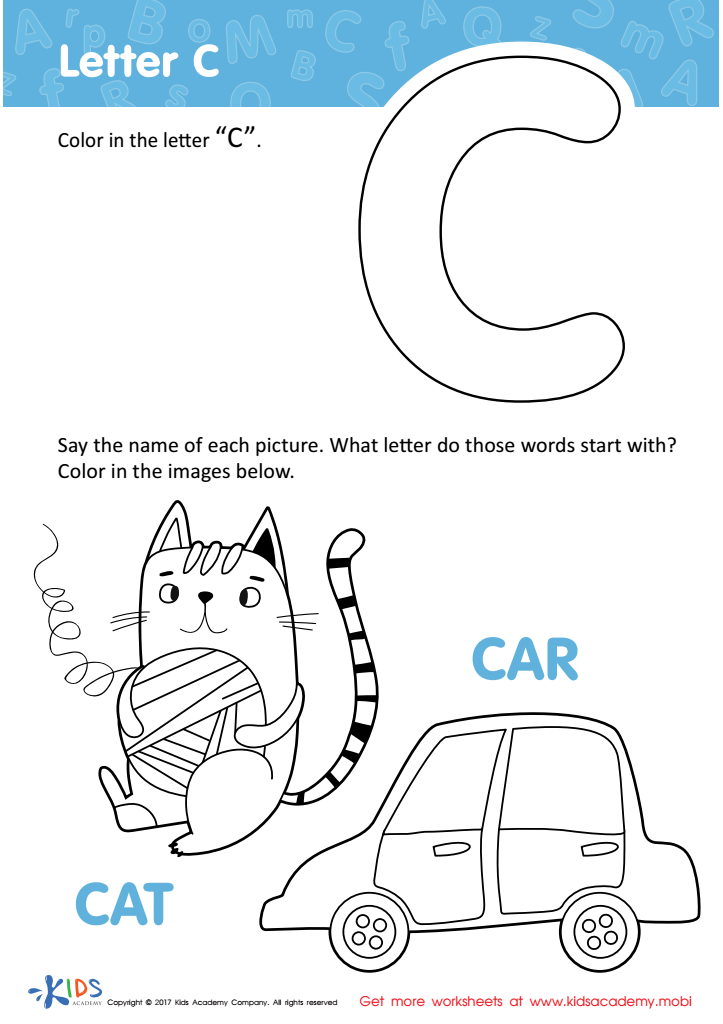
Letter C Coloring Sheet
Introduce kids to the letter 'C' with this fun coloring page! Exposing little ones to letters, words, and sounds helps them learn long before they can read. Start with simple words like 'cat' and 'car' - these are great first sight words for young children.
Download (PDF)
Assign to My Students
Assign to My Students
Letter C Coloring Sheet
Worksheet
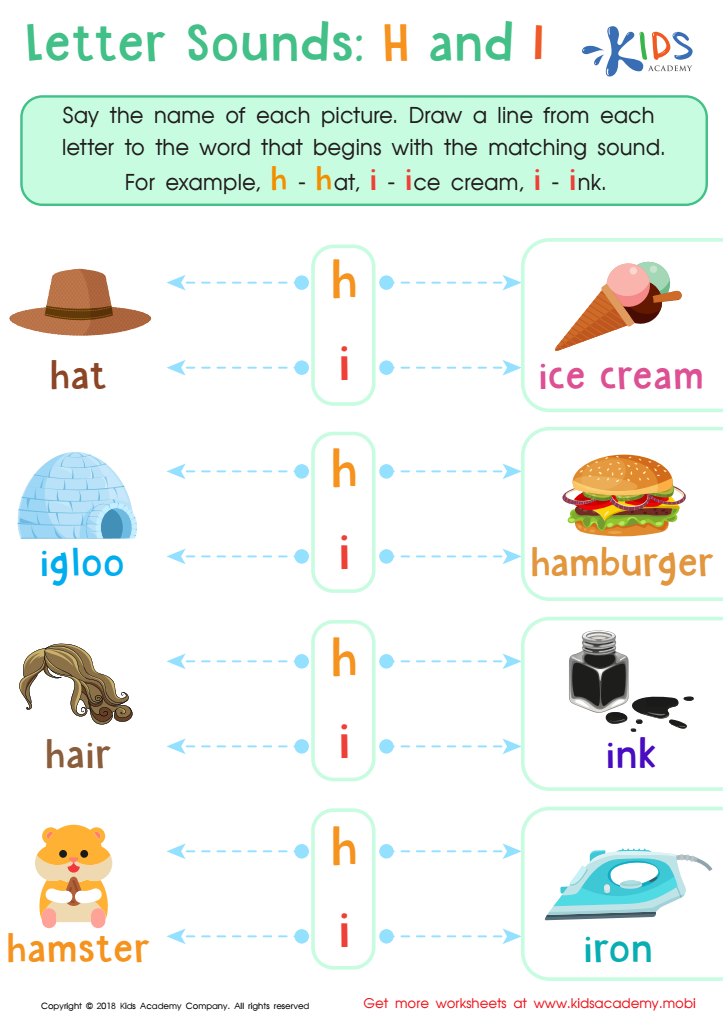
Letter H and I Sounds Worksheet
Preschoolers will have fun and develop reading and writing skills at the same time! They'll use pictures to recognize familiar words and differentiate between 'H' and 'I' sounds. Then they'll trace lines to connect each sound to the picture, improving their fine-motor skills. Bright and cheerful visuals make learning a breeze!
Letter H and I Sounds Worksheet
Worksheet
Join Kids Academy for Free
Who is primarily going to use this learning content?






.jpg)

Writing practice for preschoolers is essential for several reasons that parents and teachers should consider. Firstly, early writing skills lay the foundation for effective communication. As children learn to form letters correctly, they not only improve their handwriting but also develop fine motor skills that are crucial for various everyday tasks.
Moreover, writing practice enhances cognitive development. When children engage in writing, they process information, which aids in memory retention and understanding of language structure. This skill promotes creativity, allowing them to express themselves through storytelling and drawing.
Additionally, regular writing practice helps in building confidence. As children see their progress in writing the normal preschool alphabet, they gain a sense of accomplishment that encourages them to take on new challenges. This supportive environment boosts their self-esteem, making them more willing to participate in classroom activities.
Furthermore, literacy skills acquired during preschool years provide a head start in their academic journey. The ability to recognize letters, spell simple words, and eventually form sentences is vital for their future learning.
Ultimately, investing time in writing practice nurtures foundational literacy skills, supports overall development, and prepares children for a successful educational experience. It’s a crucial aspect of a comprehensive early learning curriculum.