Alphabetical order understanding Normal Preschool English for Beginners Worksheets
3 filtered results
-
From - To
Our Alphabetical Order Understanding Preschool Worksheets are designed to help young learners grasp the basics of sorting words in alphabetical order. Perfect for beginners in English, these engaging printables provide fun and interactive ways to enhance learning. Each worksheet is carefully crafted to support the development of early literacy skills, promoting familiarity with the alphabet and improving order recognition. Ideal for classroom use or at-home practice, our resources make learning enjoyable and effective. Start your child's educational journey with our expert-designed worksheets and watch their confidence grow as they master the alphabet.
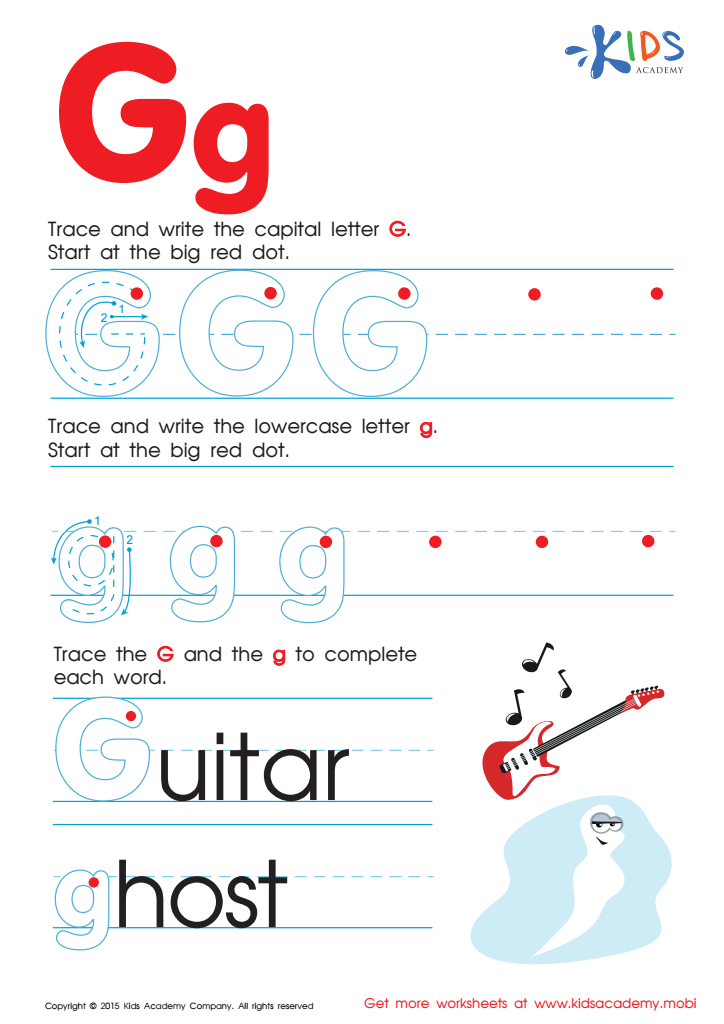
Letter G Tracing Page
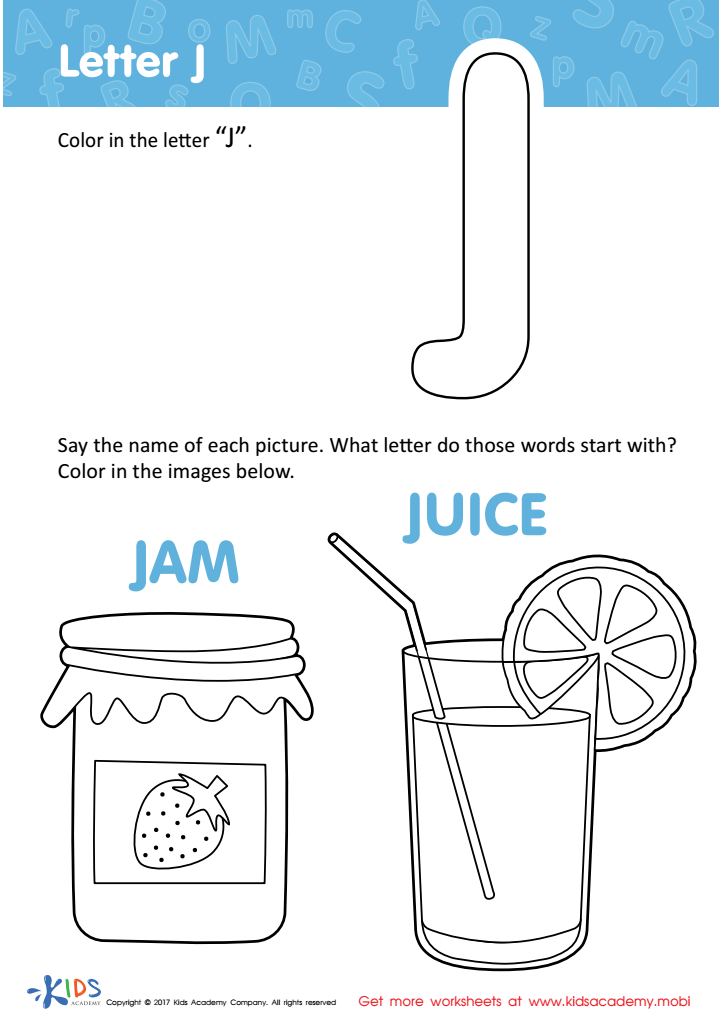
Letter J Coloring Sheet
 Assign to My Students
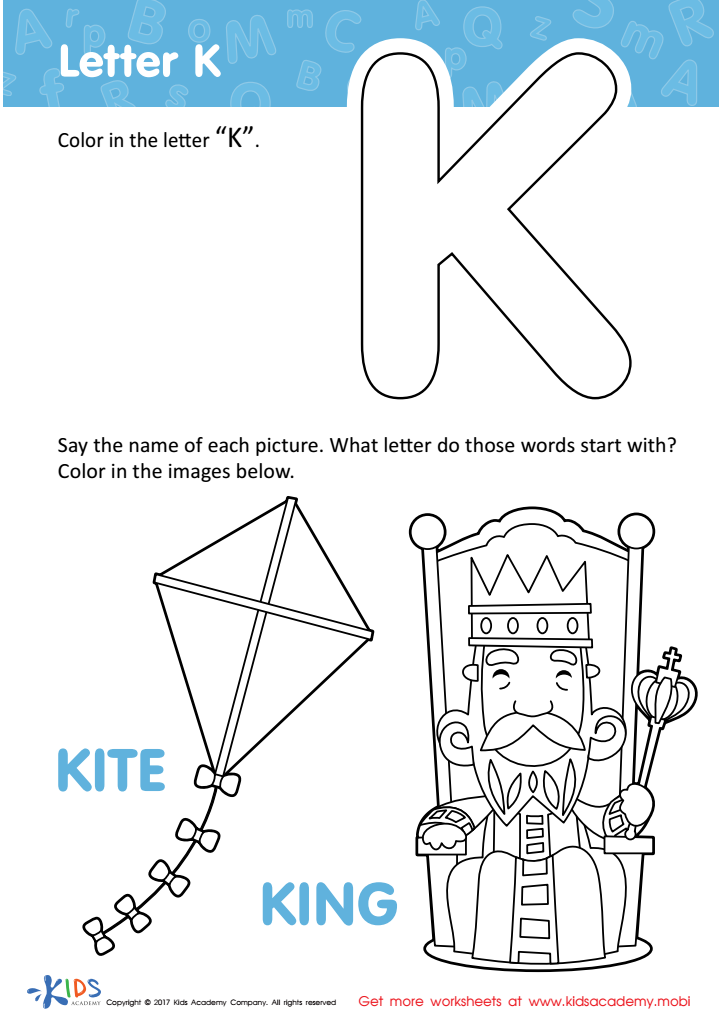
Letter K Coloring Sheet
Assign to My Students



Understanding alphabetical order is a fundamental skill that parents and teachers should emphasize for preschool-aged children beginning their journey with English. First and foremost, knowing the alphabet's sequence aids in the development of literacy, a key educational cornerstone. Recognizing letters and their order enhances a child's ability to organize thoughts and ideas, facilitating smoother learning experiences as they progress.
Alphabetical knowledge also serves practical everyday functions. For instance, it simplifies navigating dictionaries, which become essential tools as reading and writing skills develop. When children understand alphabetical order, they gain the ability to search for words and learn meanings independently, fostering self-sufficiency and confidence in language learning.
Additionally, many early learning activities like word games, sorting exercises, and singing alphabet songs are centered around the alphabet. These activities not only improve cognitive and motor skills but also instill a sense of routine and structure. Emphasizing alphabetical order aids in the overall cognitive development of children, encouraging pattern recognition and memory—a foundational aspect of early education.
Lastly, grasping alphabetical sequence enhances future skills such as data organization, time management, and systematic problem-solving. Cultivating this understanding early on equips children with tools for academic success and everyday life, making it a pivotal element in early childhood education.