Fine Motor Skills Normal Preschool English for Beginners Worksheets - Page 2
31 filtered results
-
From - To
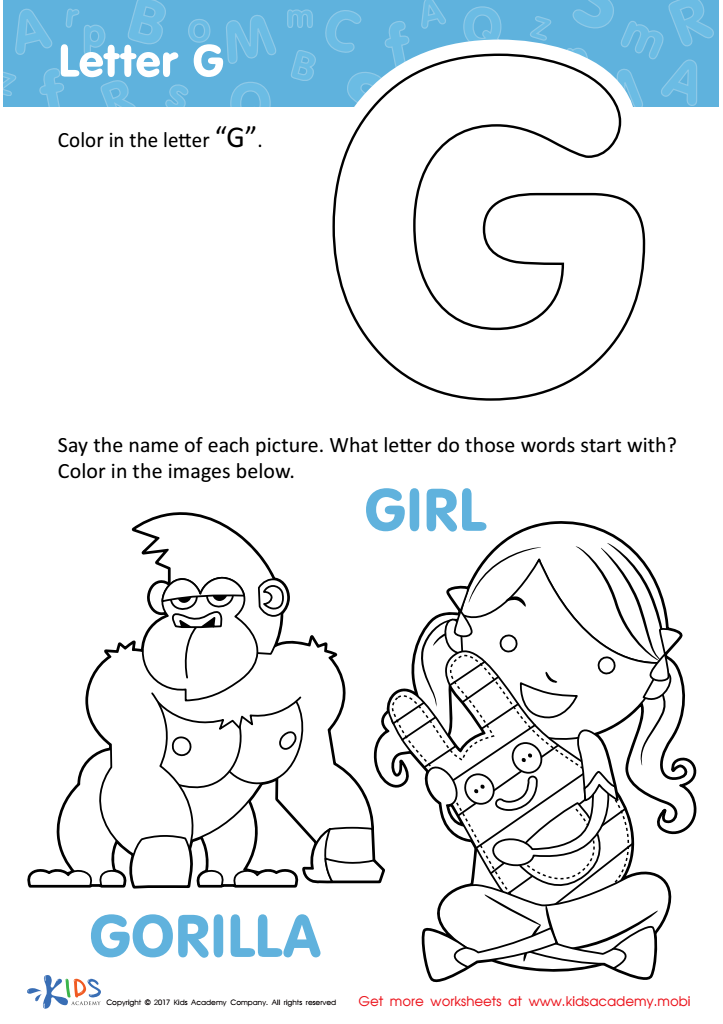
Letter G Coloring Sheet
 Assign to My Students
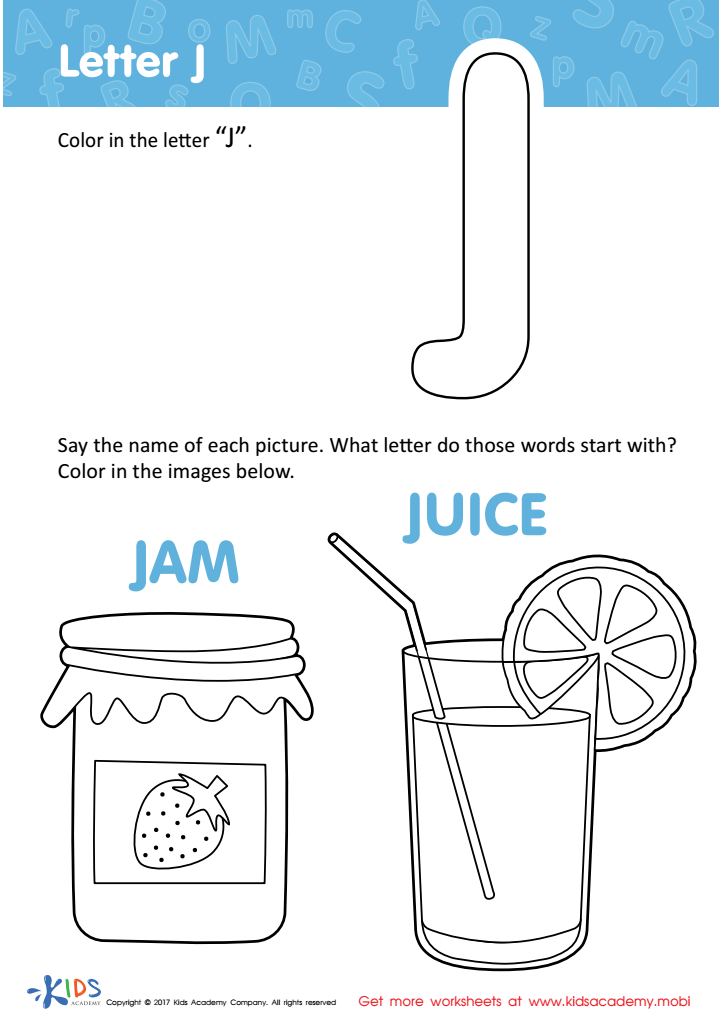
Letter J Coloring Sheet
Assign to My Students
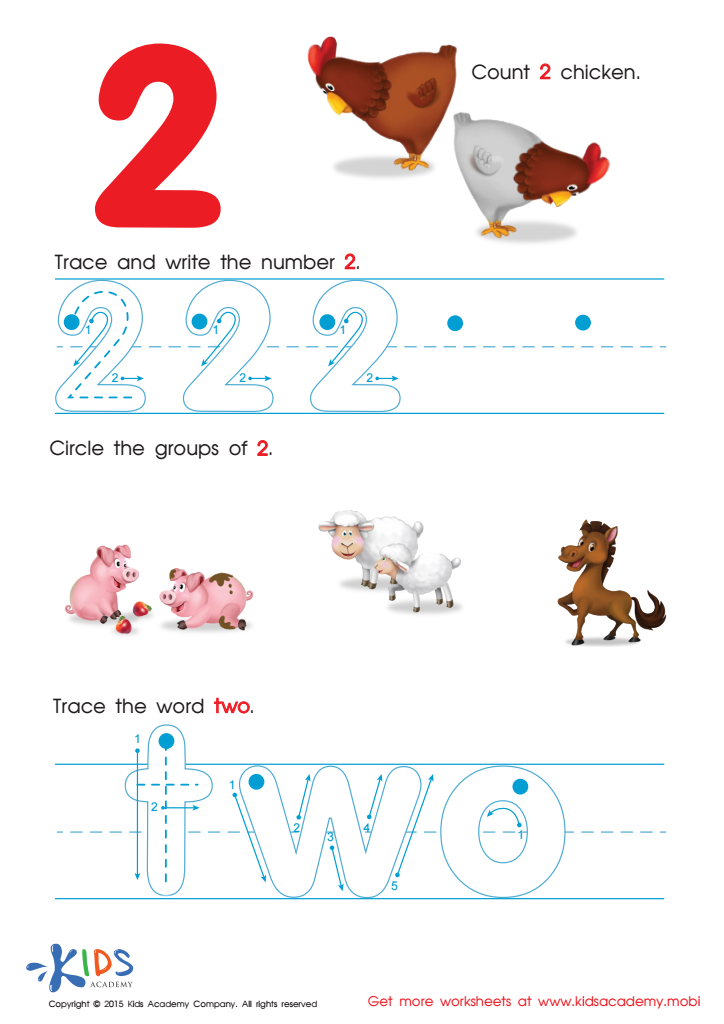
Learn to Write the Number 2 Worksheet
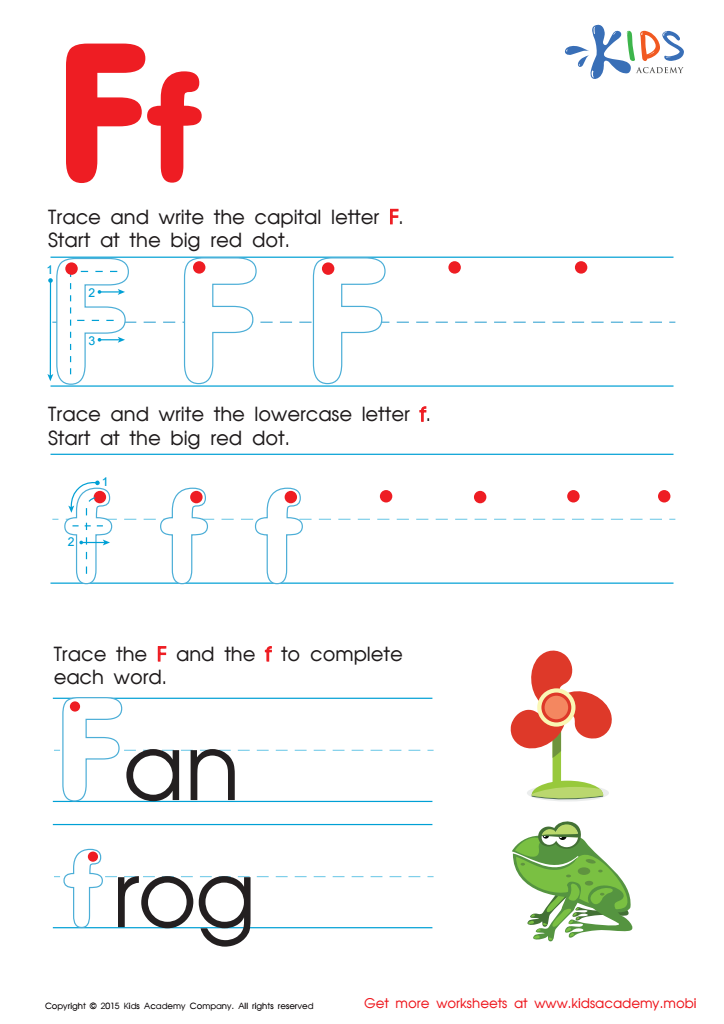
Letter F Tracing Page
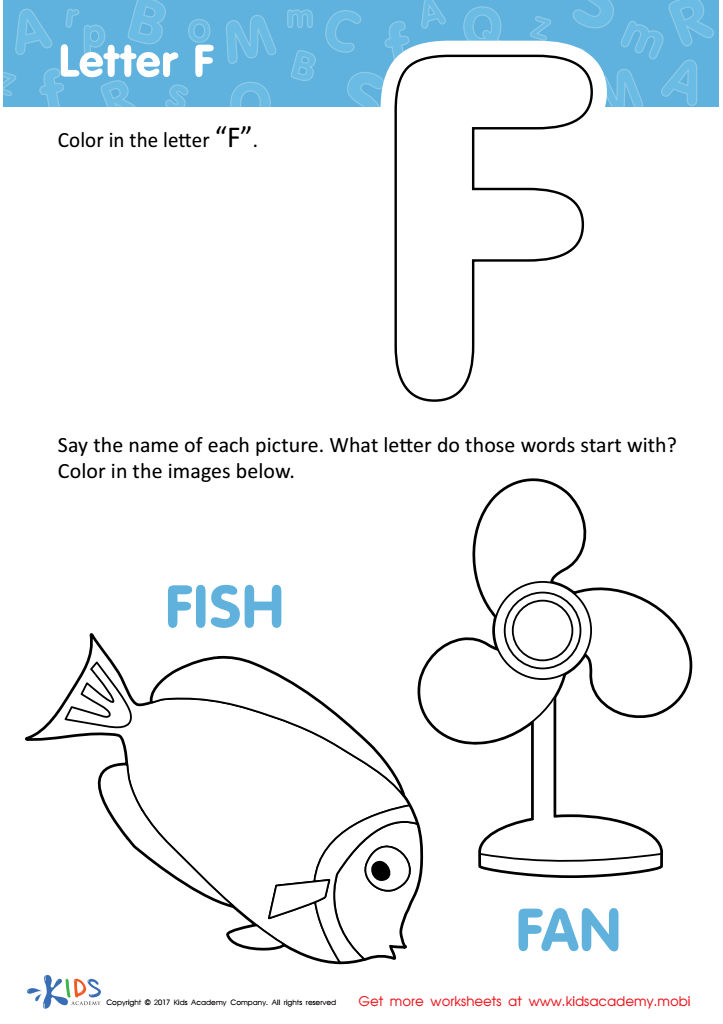
Letter F Coloring Sheet
Assign to My Students
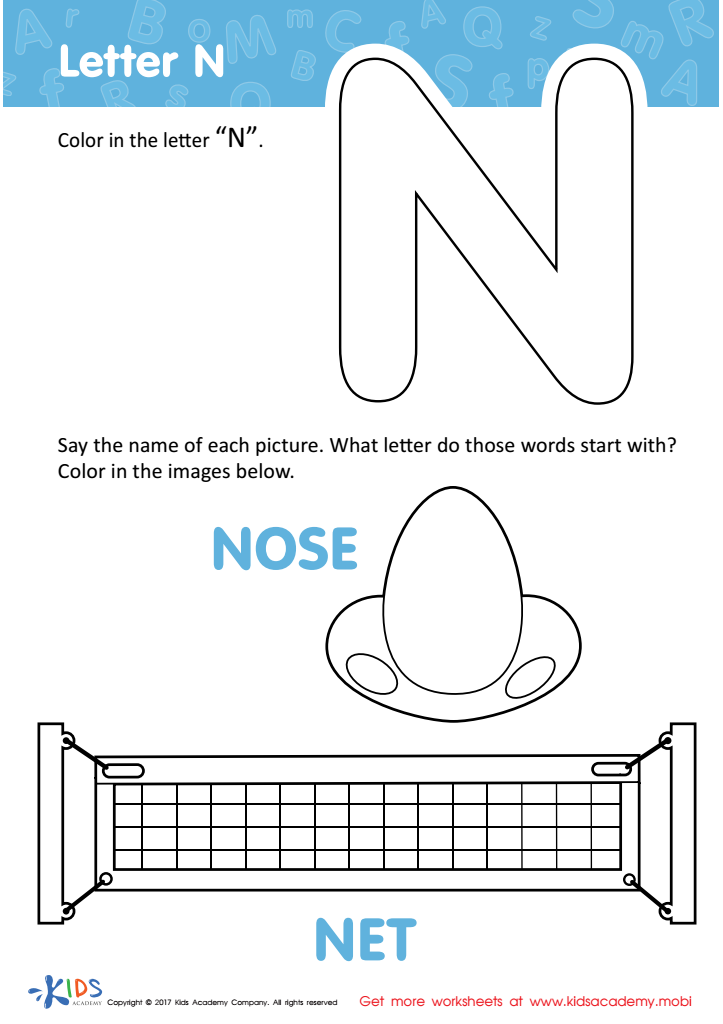
Letter N Coloring Sheet
Assign to My Students
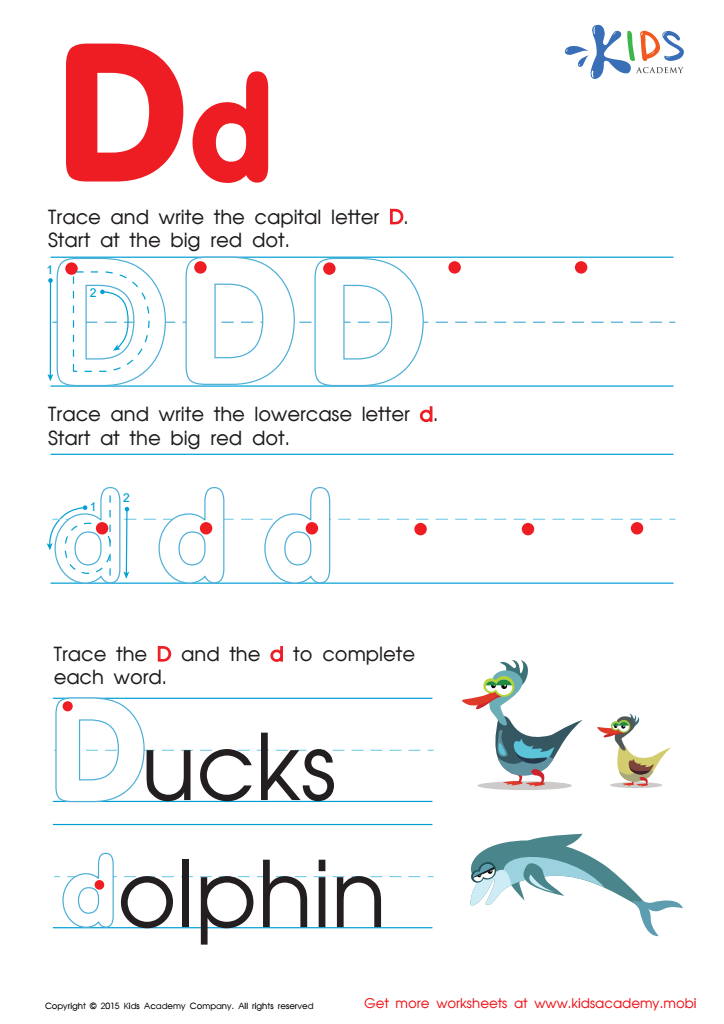
Letter D Tracing Page



Fine motor skills are crucial for preschool-age children as they form the foundation for many everyday tasks. These skills involve the coordination of small muscles in the hands, fingers, and wrists, which are essential for activities like writing, drawing, and using scissors. When children develop strong fine motor skills, they gain confidence in their ability to manipulate objects, leading to greater independence and creativity.
Parents and teachers should care about fine motor skills because they significantly influence a child's overall development. Mastery of these skills is tied to academic success; for instance, the ability to hold a pencil correctly and produce legible writing impacts literacy. Furthermore, fine motor activities support cognitive and social development, encouraging problem-solving and cooperative play with peers.
By engaging children in exercises that enhance fine motor skills—such as cutting paper, painting, or manipulating small toys—adults can foster an environment conducive to learning. Emphasizing these skills in a preschool setting not only prepares children for future academic challenges but also equips them with essential life skills. Ultimately, a focus on fine motor development enables children to express themselves, celebrate their creativity, and gain the confidence they need to navigate both school and life.