Vocabulary Building Normal Preschool World Around Us Worksheets
3 filtered results
-
From - To
Discover our engaging "Vocabulary Building: Normal Preschool World Around Us" worksheets designed to enhance young learners' language skills. Perfect for preschool environments, these worksheets introduce children to everyday vocabulary related to their surroundings, fostering curiosity and comprehension. Each activity encourages exploration of common concepts, boosting ability to describe familiar objects and experiences. With colorful visuals and interactive tasks, these resources promote an enjoyable learning experience. Teachers and parents can easily incorporate these hands-on worksheets into their curriculum, supporting children's developmental milestones in language and literacy. Start nurturing your child's vocabulary today and help them confidently communicate about the world they live in!
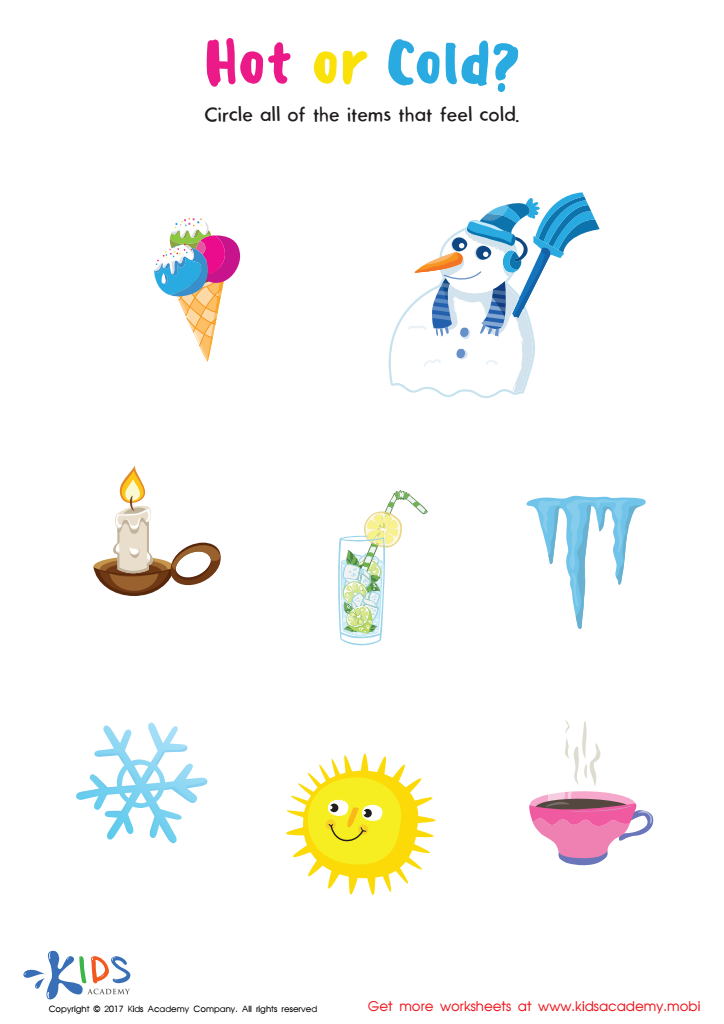
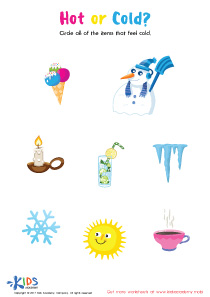
Hot or Cold Printable
 Assign to My Students
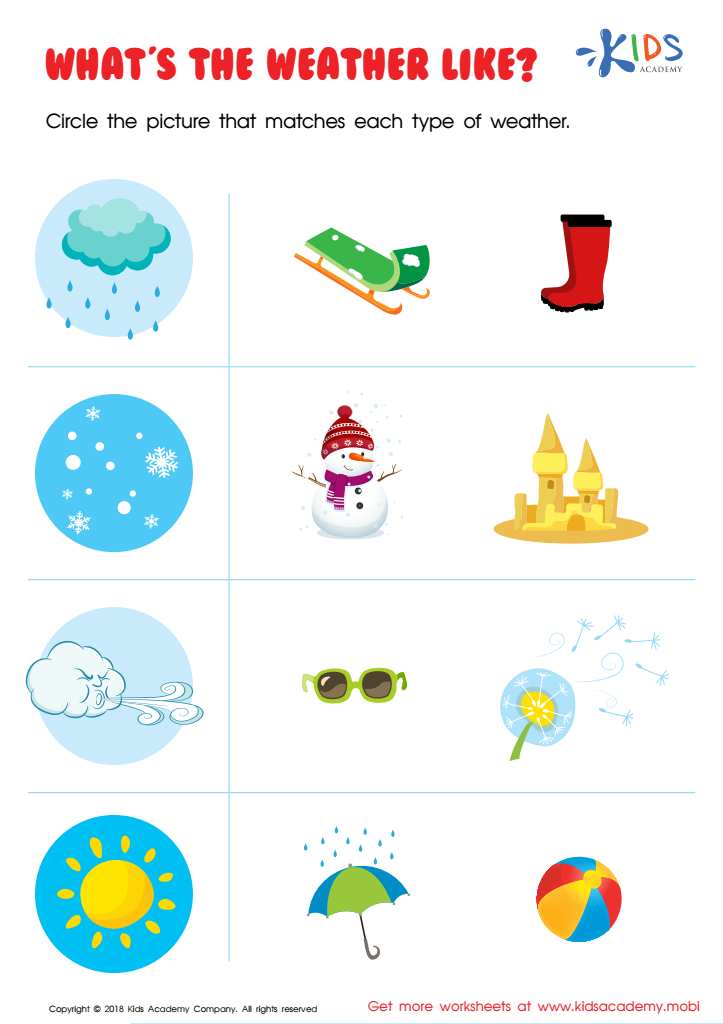
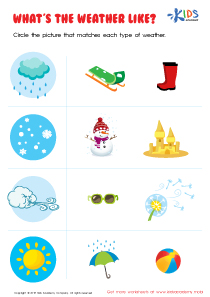
What's the Weather Like? Worksheet
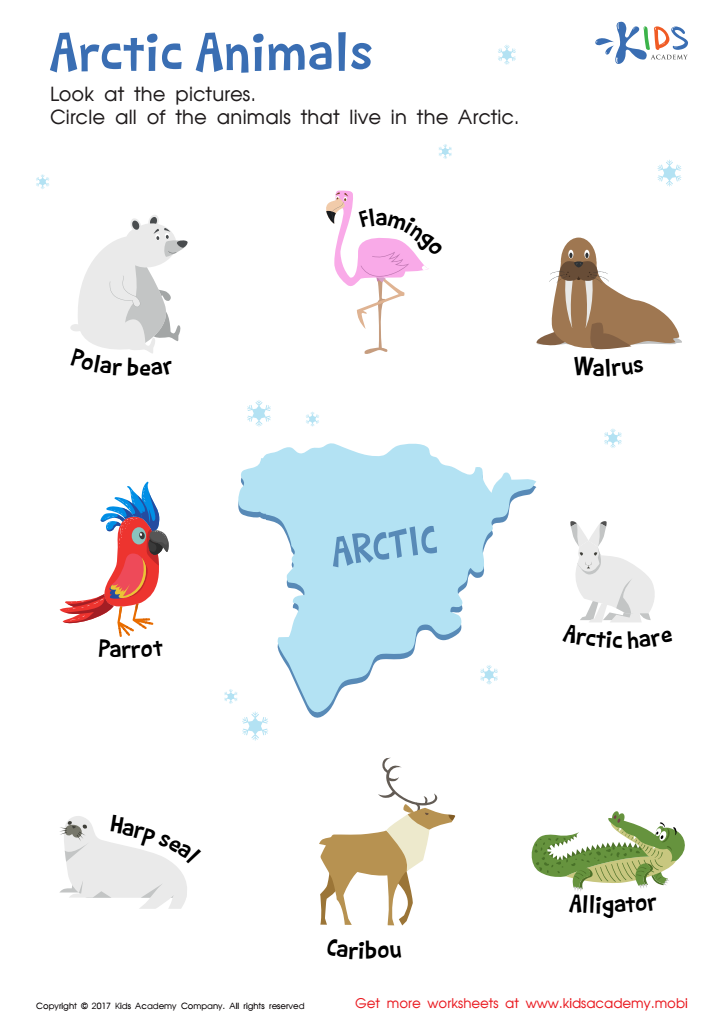
Arctic Animals Worksheet




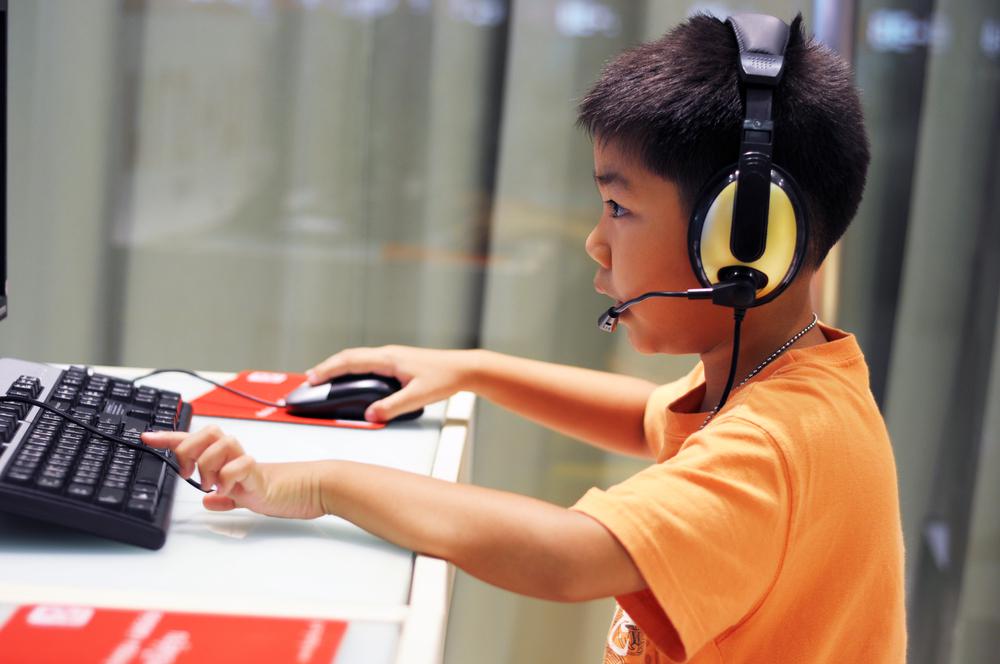


Vocabulary building in preschool is crucial for several reasons, making it essential for parents and teachers to prioritize this aspect of early education. First, a strong vocabulary is foundational for effective communication. Children with a rich vocabulary can express their thoughts and feelings more clearly, fostering better relationships with peers and adults. This early language development can lead to improved social skills and emotional intelligence.
Moreover, a robust vocabulary enhances cognitive skills. When children learn new words, they expand their understanding of the world around them, as each new term introduces them to different concepts, ideas, and experiences. This enriched vocabulary is strongly linked to literacy; children who can read and comprehend text are likely to perform better academically throughout their educational journey.
Engaging preschoolers in vocabulary building also fosters curiosity and a love for learning. Activities like storytelling, singing, and interactive play expose children to new vocabulary in a fun and meaningful context. This engagement not only prepares them for future learning but also helps instill a lifelong passion for exploration and education. In summary, prioritizing vocabulary building equips young children with essential communication skills, cognitive growth, and a strong foundation for academic success.