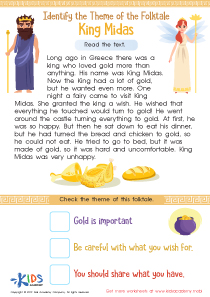
Story analysis Normal Reading Worksheets
5 filtered results
-
From - To
Unlock the magic of reading with our "Story Analysis Normal Reading Worksheets". Designed specifically for young learners, these engaging worksheets help children develop essential reading comprehension and analytical skills. Through a variety of fun and educational exercises, students learn to identify story elements like characters, settings, and plots, while enhancing their critical thinking. Perfect for both classroom use and at-home practice, these high-quality worksheets cater to different learning styles, ensuring every child can confidently explore and understand texts. Transform story time into an interactive learning experience with our expertly crafted resources, fostering a lifelong love for reading and learning.
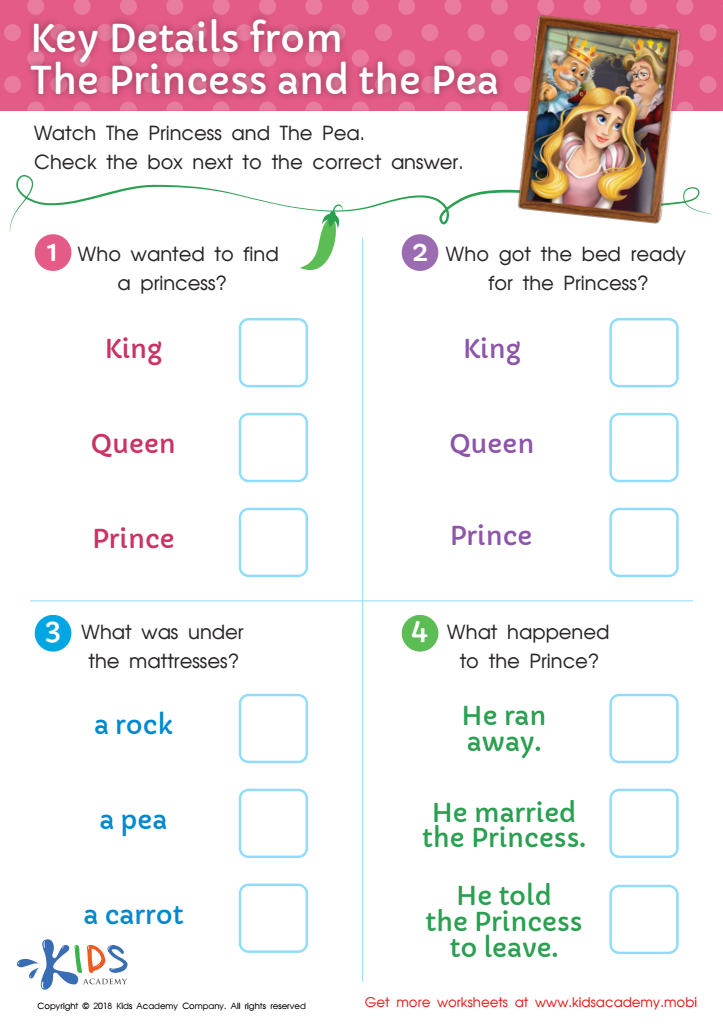
Key Details from the Princess and the Pea Worksheet
 Assign to My Students
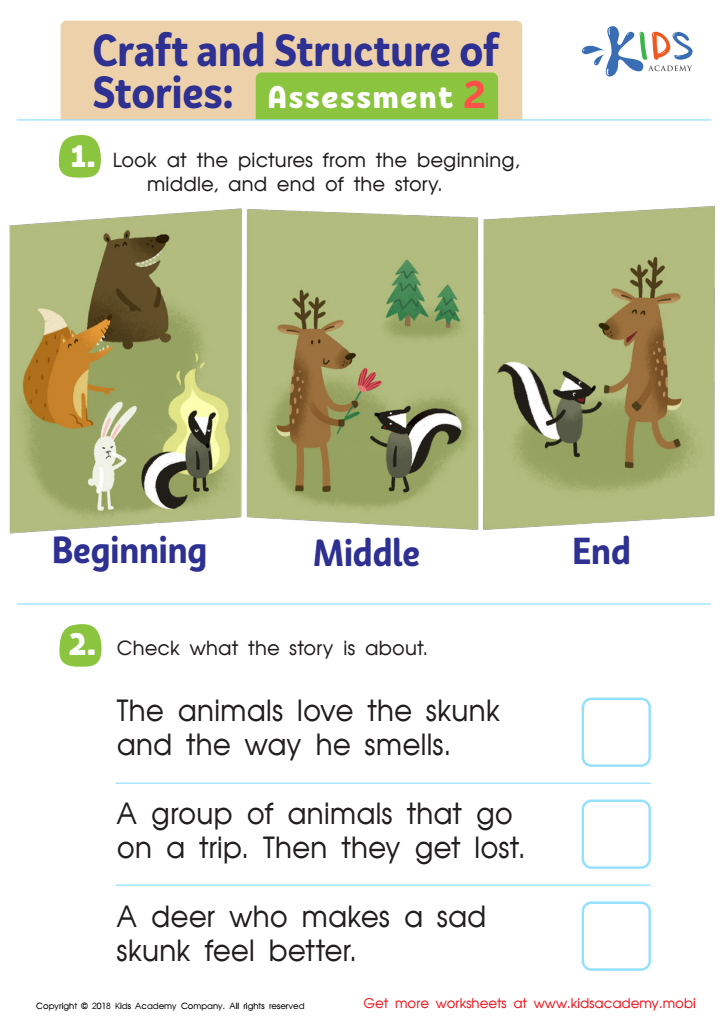
Craft and Structure of Stories: Assessment 2 Worksheet
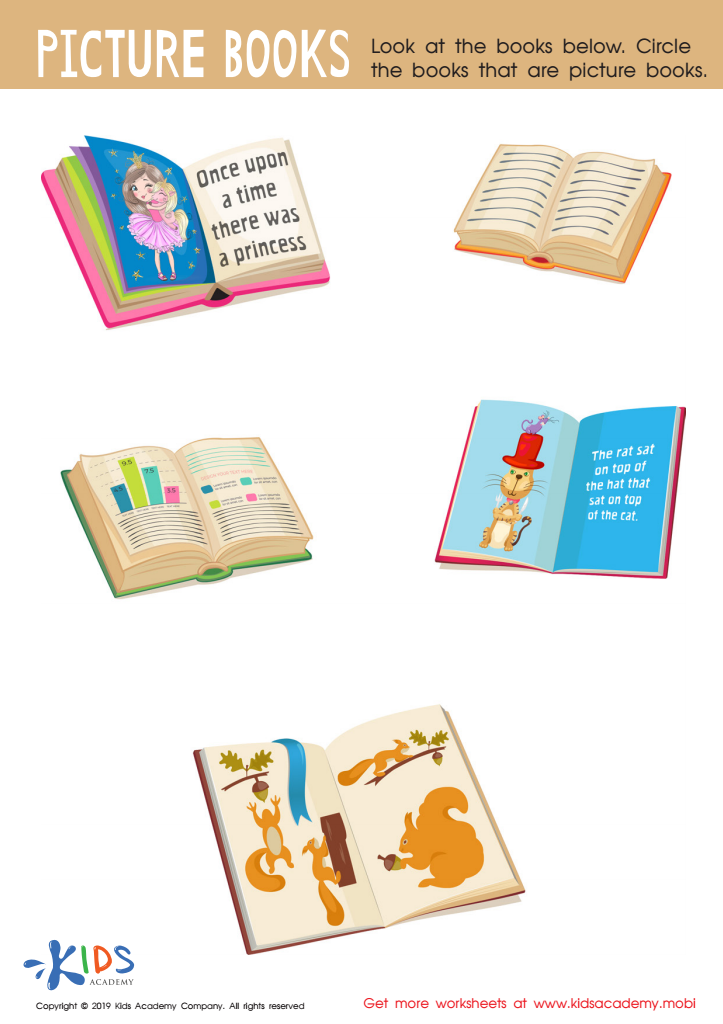
Picture Books Worksheet
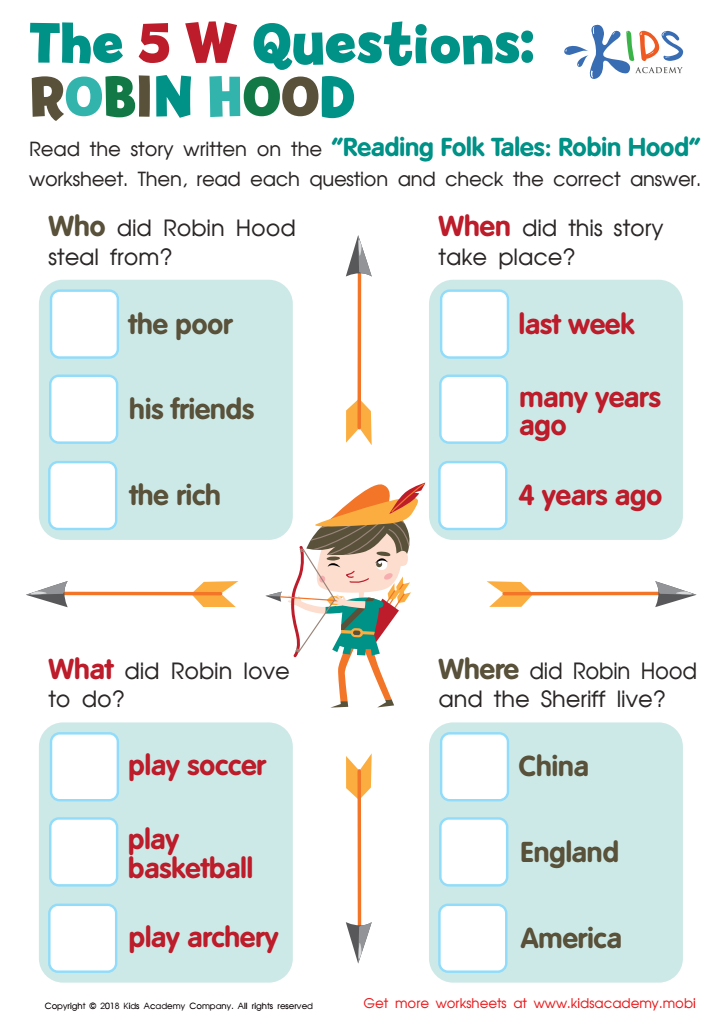
The 5 W Questions: Robin Hood Worksheet
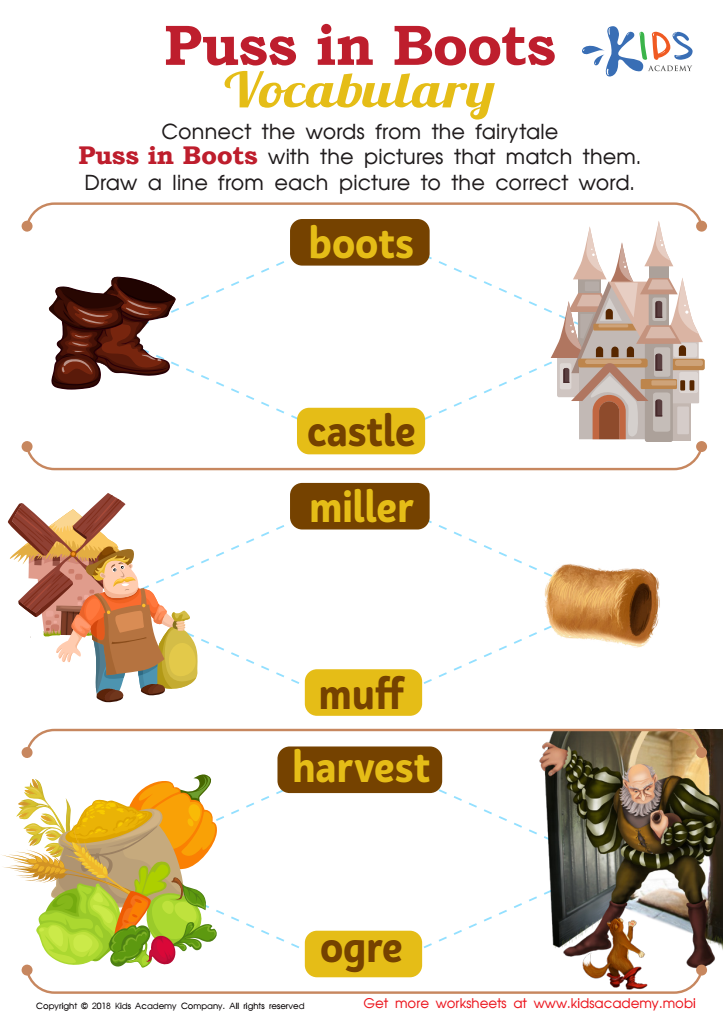
Puss in Boots Vocabulary Worksheet








Reading comprehension and analysis are fundamental skills that greatly influence a child's educational journey and overall development. Story analysis—understanding characters, settings, themes, and plot—is a powerful tool to enhance these skills. For parents and teachers, fostering an environment that prioritizes "normal" or grade-appropriate reading offers many advantages.
When children engage in story analysis, they learn to interpret and think critically about text. This helps them understand not just the "what" but the "why" behind the story events, fostering deeper cognitive and emotional connections. It trains their mind to recognize patterns, predict outcomes, and draw inferences, skills that are applicable across all academic subjects and later in life.
Moreover, story analysis nurtures empathy and emotional intelligence. By exploring various characters' motivations and behaviors, children learn to see the world from different perspectives. This is crucial for social development; children who read stories understand human emotions better and often show improved interpersonal skills.
Finally, normal reading habits build a strong literacy foundation. Regular exposure to age-appropriate stories enriches vocabulary, enhances language skills, and cultivates a lifelong love of reading. It creates a positive feedback loop wherein improved literacy encourages more frequent and enjoyable reading practices, setting children up for academic success and well-rounded personal growth. Parents and teachers play a pivotal role in this developmental process.