Spatial awareness Normal Science Worksheets
6 filtered results
-
From - To
Enhance your child's understanding of spatial relationships with our comprehensive Spatial Awareness Normal Science Worksheets. Designed for early learners, these engaging worksheets focus on developing crucial spatial thinking skills through fun, hands-on activities. By incorporating puzzles, shape recognition, and mapping exercises, kids can improve their ability to understand and manipulate objects in space. Perfect for both classroom and home use, our worksheets align with educational standards, helping young students build a strong foundation in science and critical thinking. Explore our collection today to support your child's cognitive development and foster a love for learning!
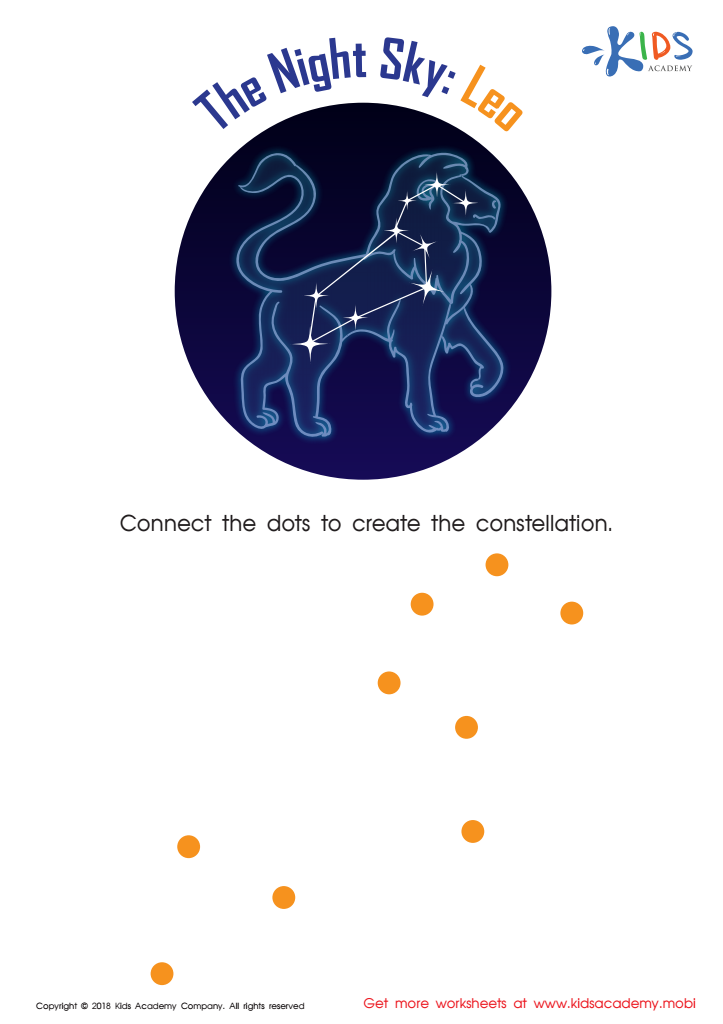
The Night Sky: Leo Worksheet
 Assign to My Students
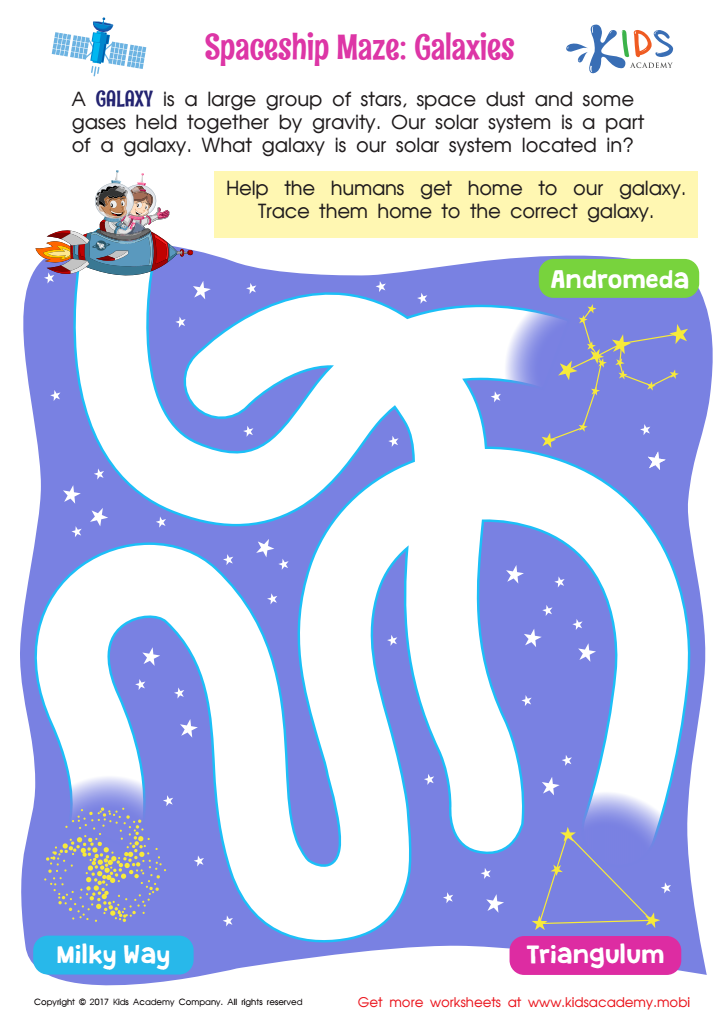
Spaceship Maze: Galaxies Worksheet
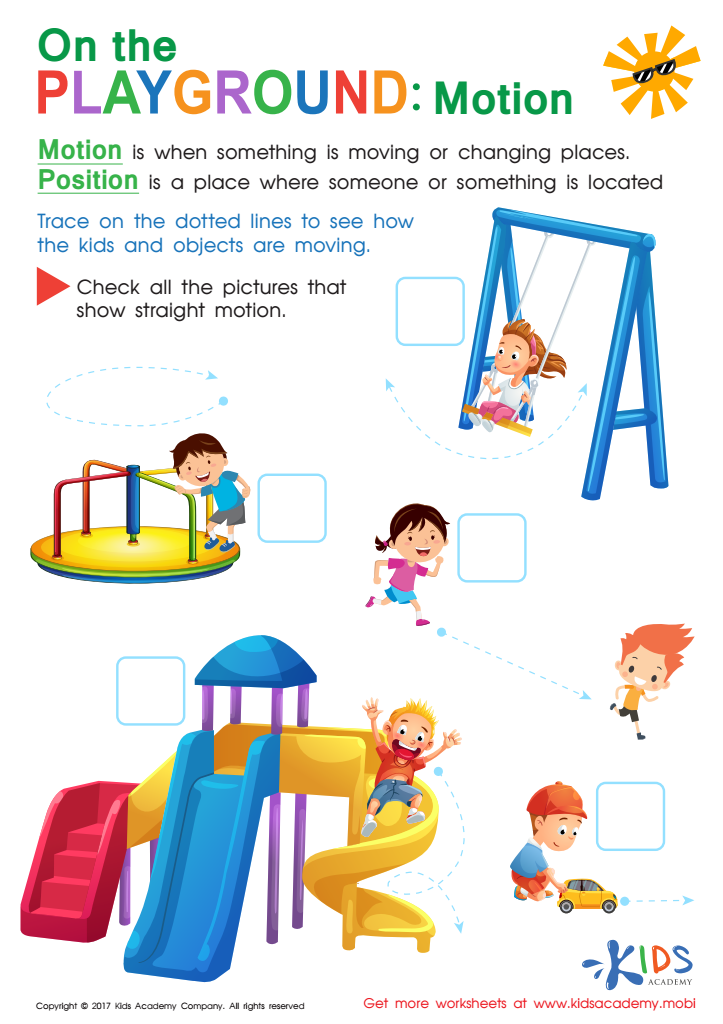
Position and Motion Worksheet
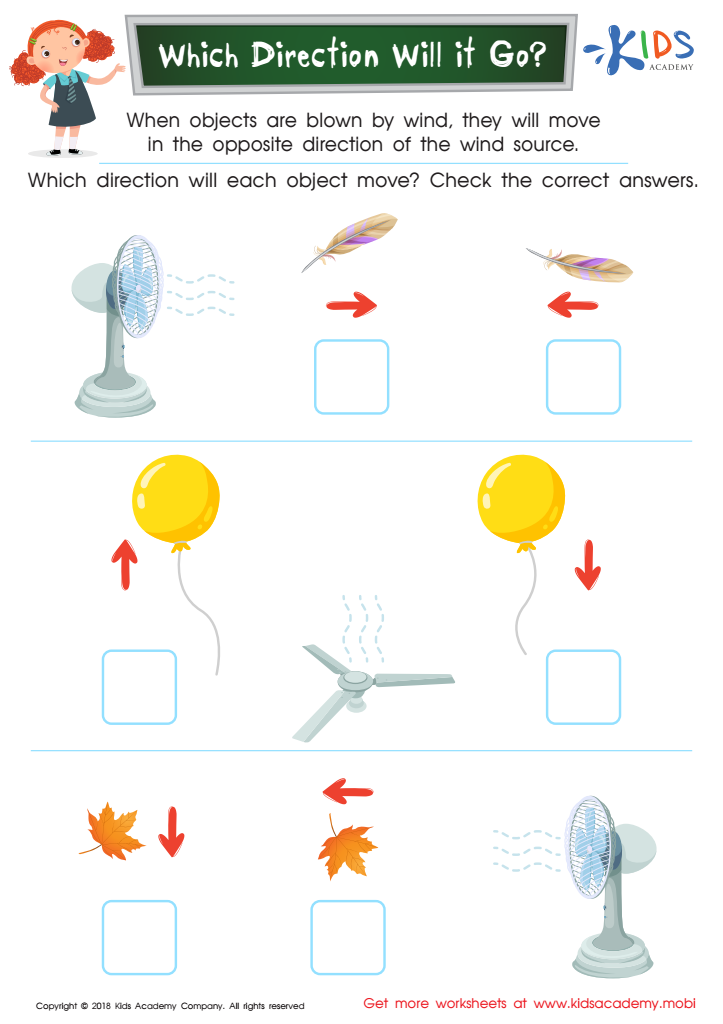
Which Direction Will it Go? Worksheet
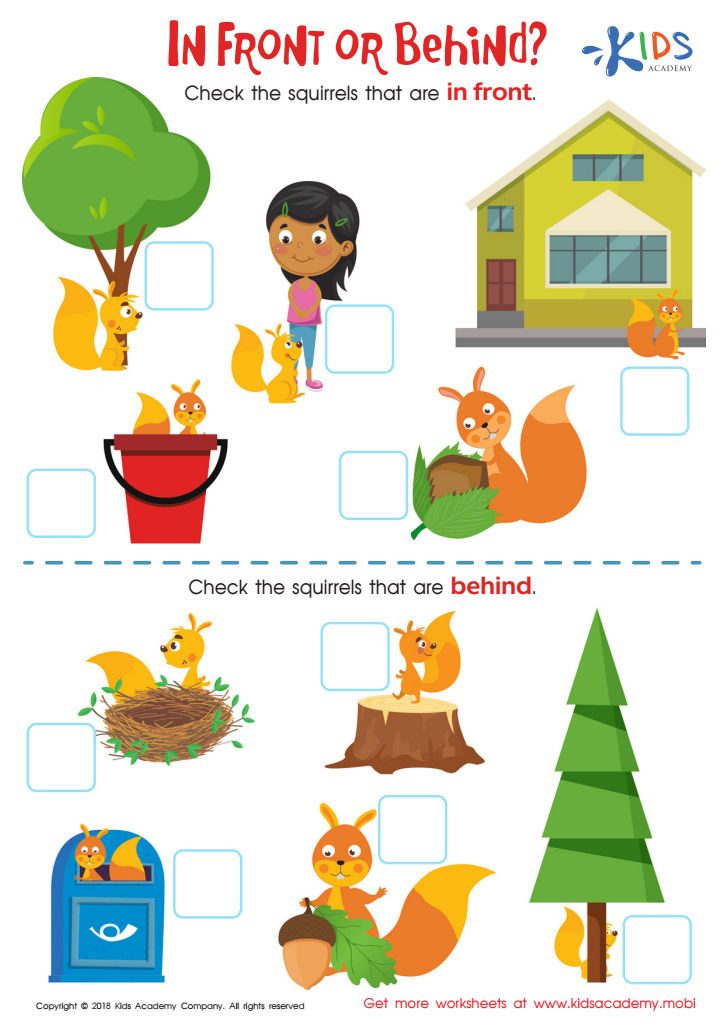
In Front or Behind: Part 2 Worksheet
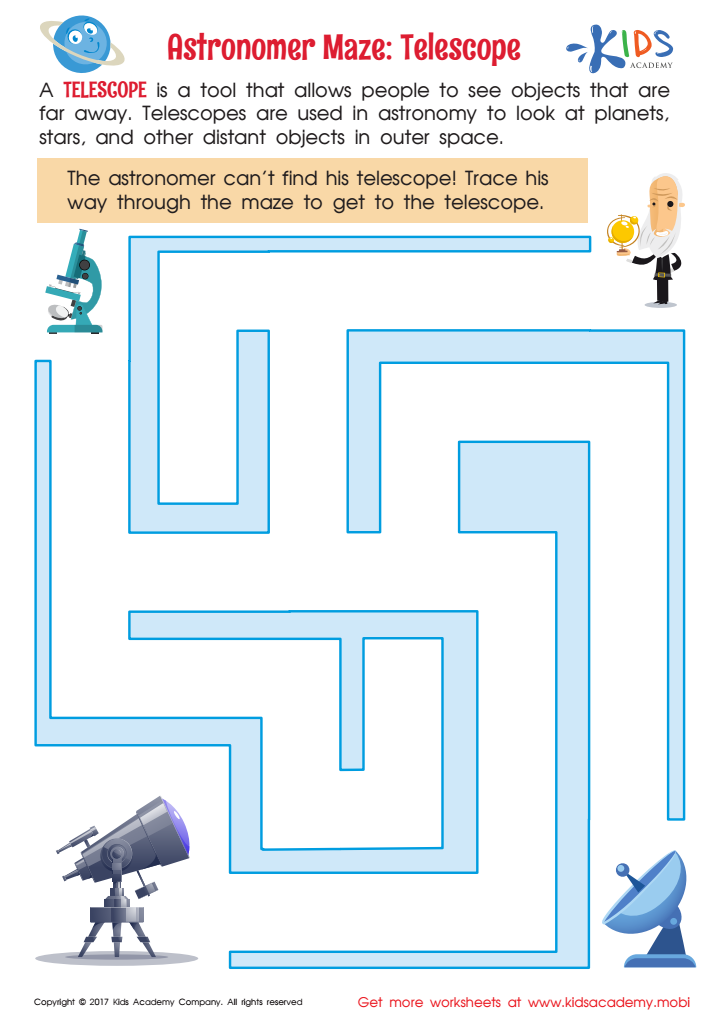
Astronomer Maze: Telescope Worksheet







Spatial awareness is a critical aspect of child development that allows children to comprehend and interact with their environment effectively. Parents and teachers should prioritize fostering spatial skills for several reasons.
Firstly, spatial awareness underpins many everyday activities, from navigating spaces to understanding distances and shapes. Children with well-developed spatial skills can move safely and efficiently in their environment, avoiding accidents and understanding their position relative to other objects.
Secondly, spatial awareness is foundational for academic achievement, particularly in subjects like mathematics, science, and reading. For instance, geometry and measurements in math require an understanding of shapes and spatial relationships. Similarly, comprehending graphs, maps, and physical science concepts like force and motion depends on spatial thinking. Improved spatial skills can lead to better problem-solving abilities and higher academic performance.
Lastly, spatial awareness is crucial for the development of motor skills. Activities such as sports, playing musical instruments, or simply handwriting depend on a child's ability to perceive and coordinate their movements accurately in space.
By nurturing spatial awareness from an early age, parents and teachers prepare children for success in academics and daily life tasks, providing them with a solid foundation for continuous learning and development.







