Understanding life cycles Normal Science Worksheets
4 filtered results
-
From - To
Explore the fascinating world of life cycles with our engaging "Understanding Life Cycles Normal Science Worksheets." Designed for young learners, these worksheets provide an interactive and educational experience as children study the various stages of growth and development in plants, animals, and more. Each worksheet combines colorful illustrations with easy-to-follow activities that enhance understanding and retention. Perfect for classroom or home education, these resources encourage critical thinking and provide a solid foundation for scientific discovery. Help students develop a love for science in a fun, creative way, ensuring they grasp essential concepts while fostering curiosity about the natural world.
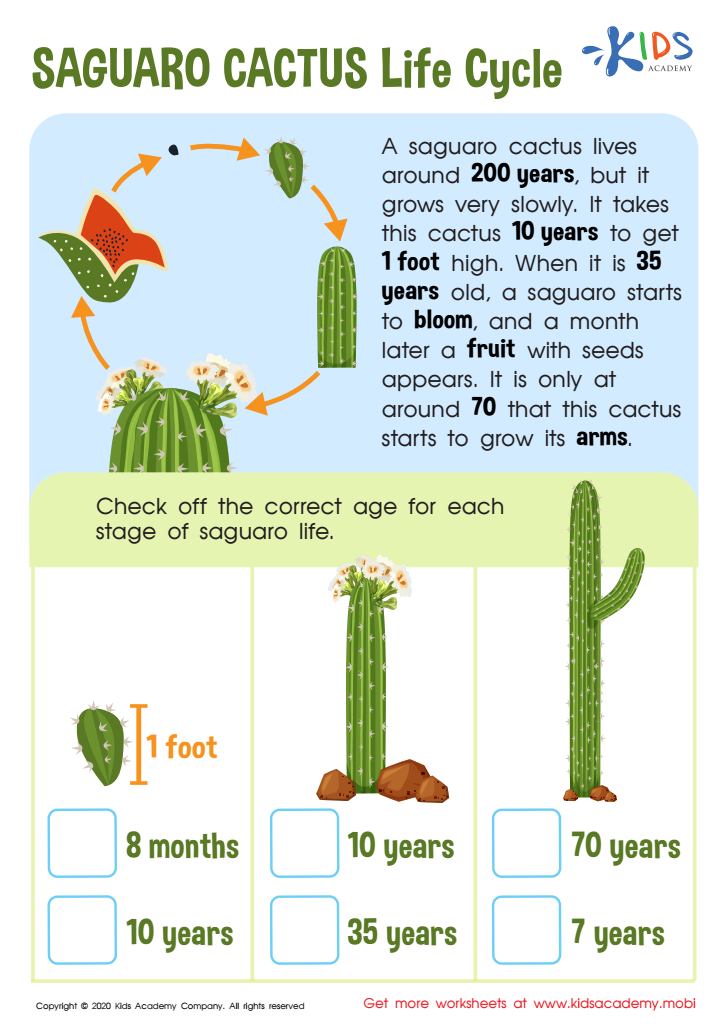
Saguaro Cactus Life Cycle Worksheet
 Assign to My Students
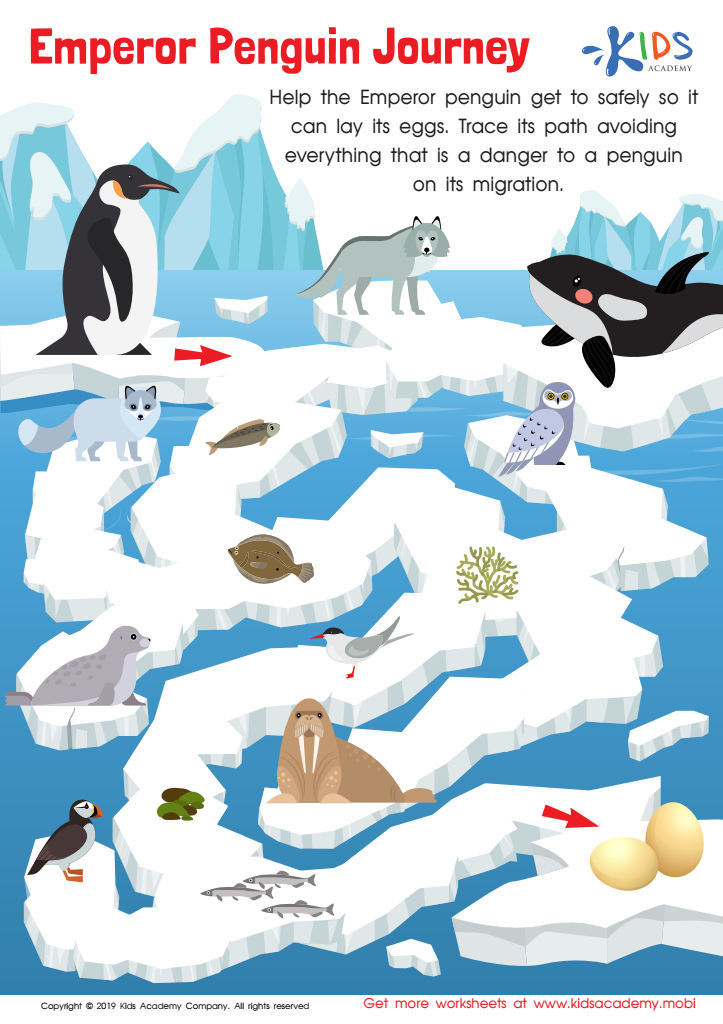
Emperor Penguin Journey Worksheet
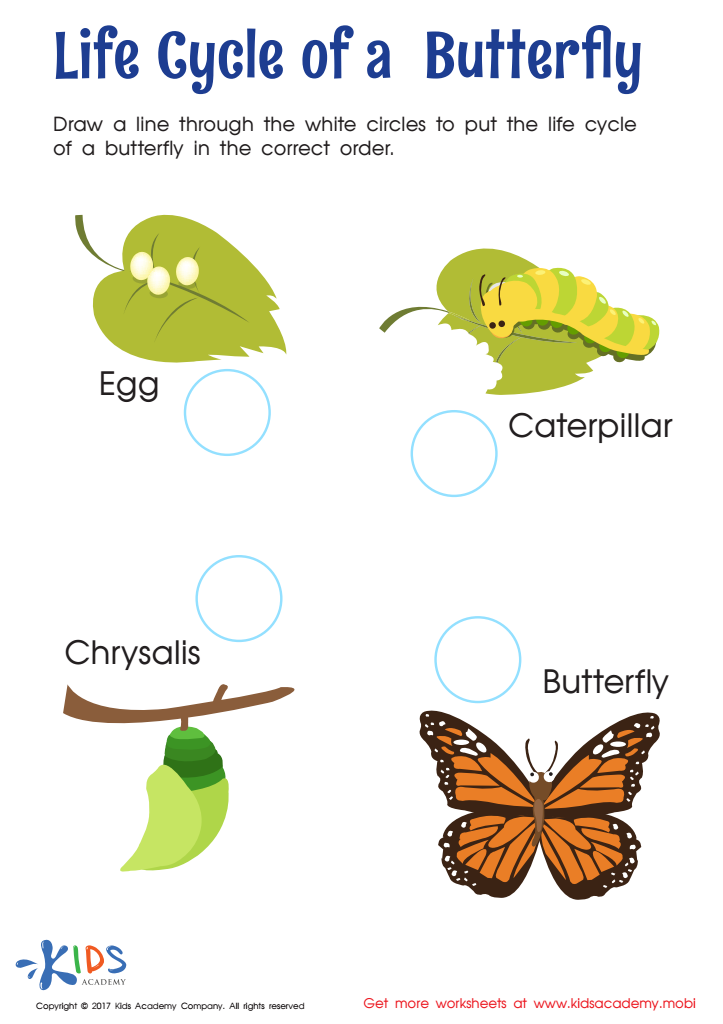
Life Cycle of Butterfly Worksheet
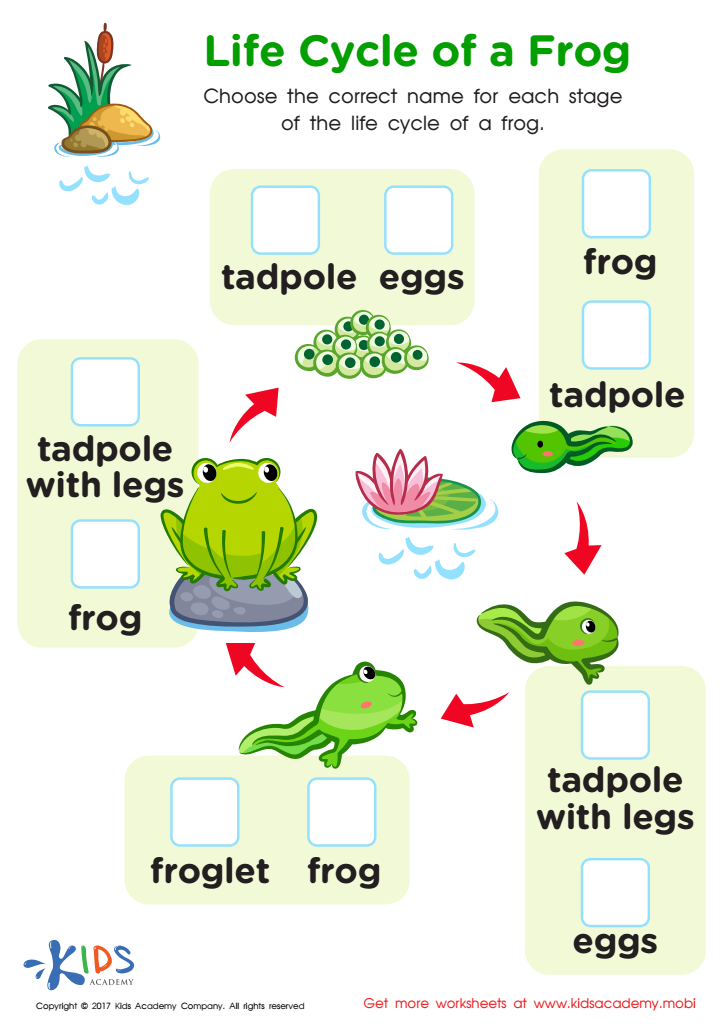
Life Cycle Frog Printable






Understanding life cycles is essential for parents and teachers because it serves as a foundation for children's knowledge of biology and ecology, fostering a deeper appreciation of nature and life. By comprehending how life cycles work—from the birth, growth, reproduction, and death of organisms—students develop critical thinking skills and scientific literacy.
Engaging with life cycles encourages curiosity and hands-on learning, making abstract scientific concepts more relatable. For example, observing the life cycle of a butterfly or a plant can ignite excitement for learning and inspire children to explore their environment. This experiential approach reinforces classroom lessons while promoting environmental stewardship.
Moreover, understanding life cycles cultivates empathy. Recognizing that all living beings go through similar stages encourages a sense of interconnectedness and respect for different forms of life. From an educational standpoint, it aligns with science standards and promotes inquiry-based learning, which is crucial for cognitive development in early grades.
In essence, understanding life cycles enriches children’s education, supports holistic development, and nurtures responsible future stewards of the earth. For parents and teachers alike, fostering this understanding equips young learners with essential life skills that extend beyond the classroom.







