Enhancing observation skills Normal Physical Science Worksheets
3 filtered results
-
From - To
Enhancing observation skills is vital for young learners exploring the world of physical science. Our specially designed worksheets promote critical thinking and detailed observation through engaging activities. These resources encourage students to observe their surroundings, conduct simple experiments, and analyze their findings. By utilizing these interactive worksheets, children will develop a deeper understanding of fundamental scientific concepts while fostering a sense of curiosity. With vibrant visuals and thought-provoking questions, these worksheets create an enjoyable and educational experience, making observation an exciting part of their learning journey. Equip your students with the skills they need to become budding scientists and innovators!
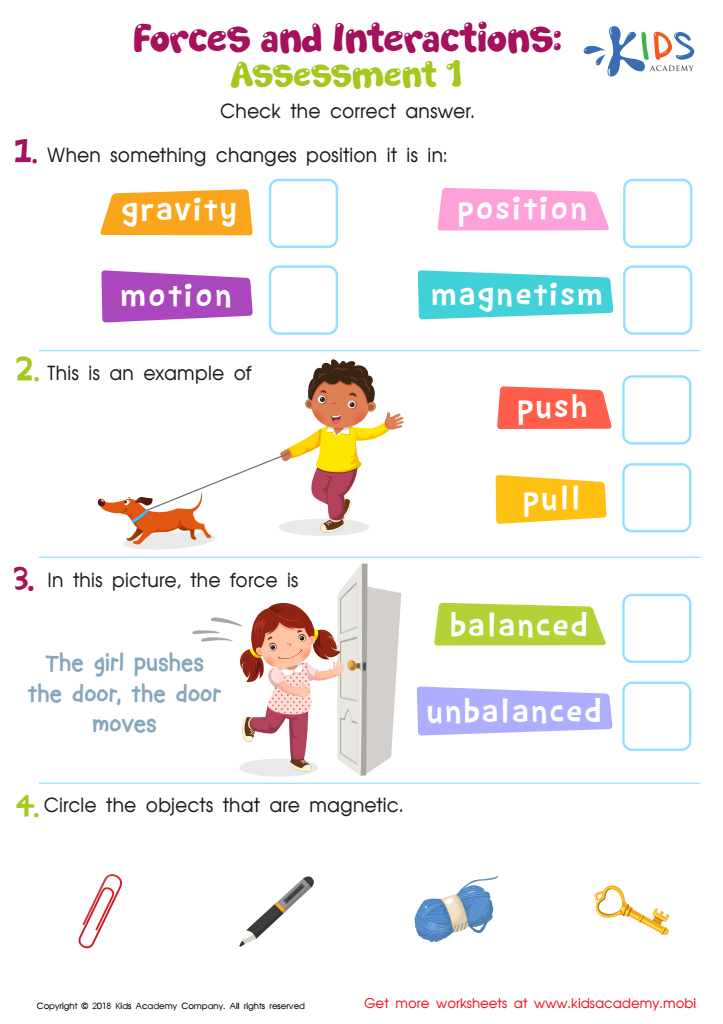
Forces and Interactions Printable
 Assign to My Students
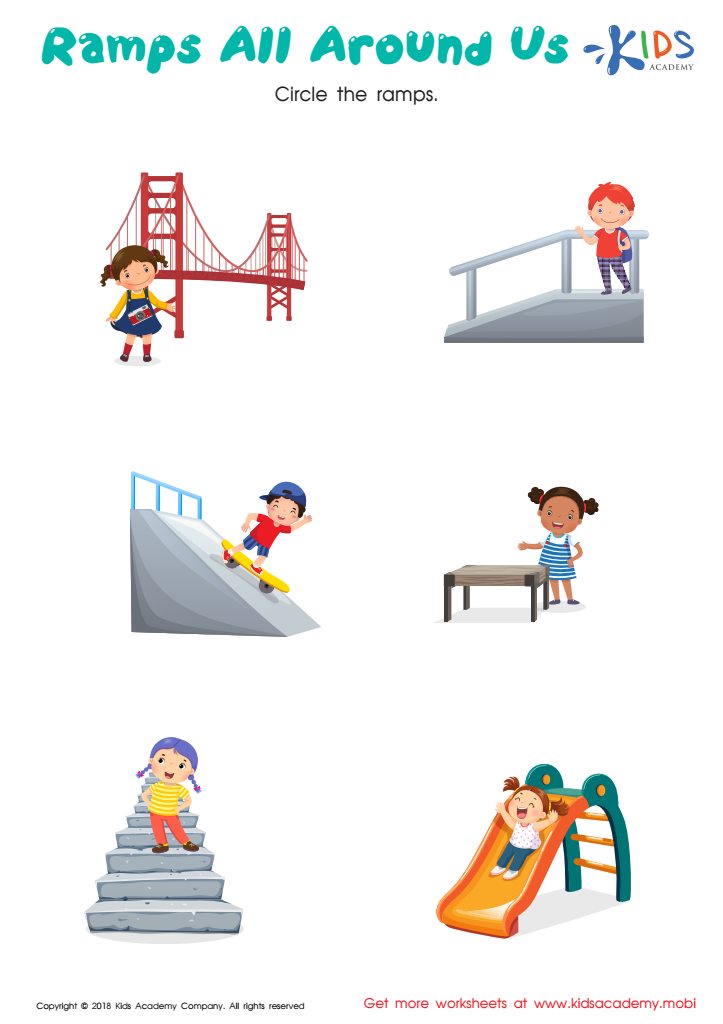
Ramps All Around us Worksheet
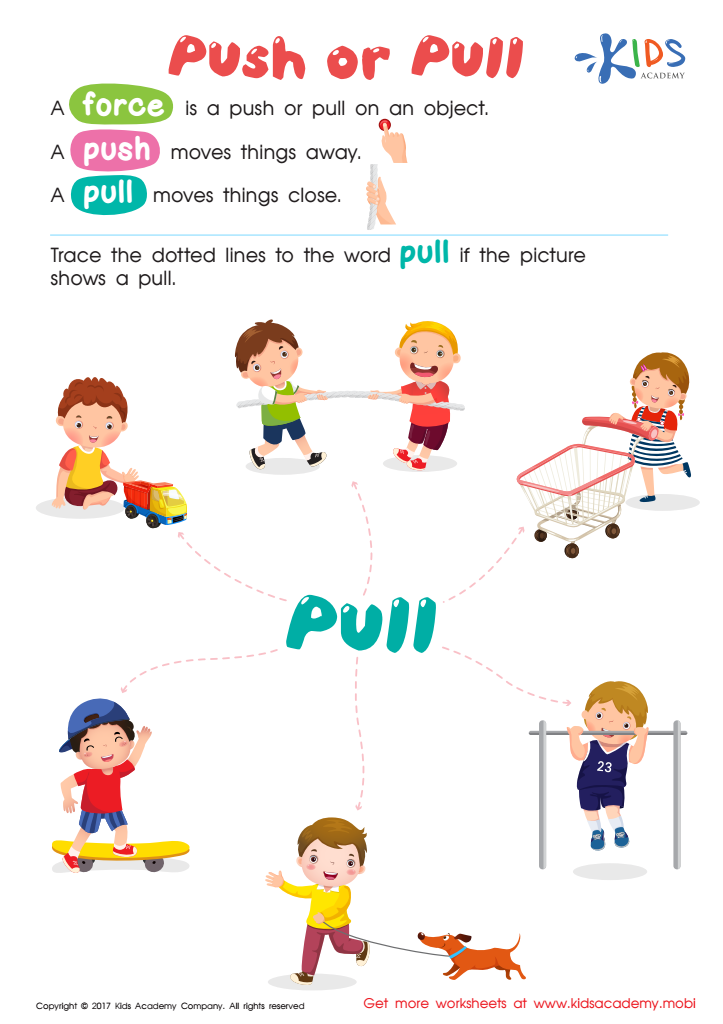
Pull or Push Worksheet







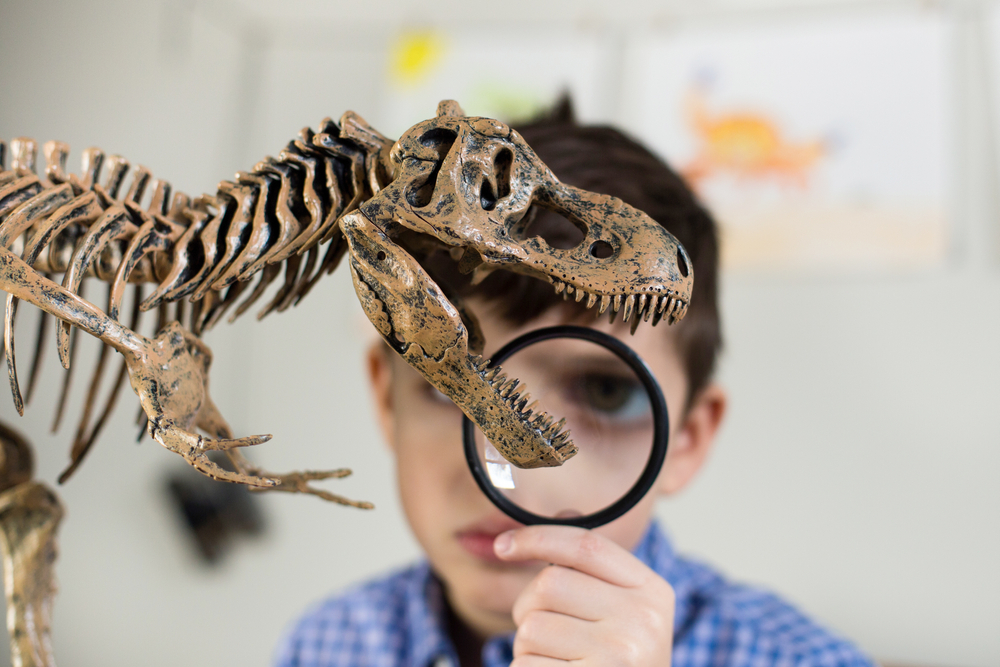
Enhancing observation skills in Normal Physical Science is essential for both parents and teachers, as it serves as the foundation for fostering curiosity, critical thinking, and a deeper understanding of the natural world among young learners. Observation is not merely a passive activity; it's an active process that encourages children to ask questions, make predictions, and draw conclusions based on their environment. When parents and teachers prioritize these skills, they empower students to engage with scientific concepts, moving beyond rote memorization to meaningful learning.
Improving observation skills also cultivates an appreciation for systematic thinking. By encouraging children to notice patterns, record their findings, and reflect on their experiences, educators help them develop a methodological approach toward problem-solving and experimentation. Additionally, strong observational abilities promote safety awareness, especially in science-related activities, ensuring children understand the importance of careful experimentation.
Involving parents in the observational process, such as promoting home-based science activities, reinforces the idea that science is an integral part of everyday life. Whether through simple experiences like nature walks or experimental play, enhancing observation skills solidifies a child's ability to comprehend, appreciate, and contribute to the scientific community, fostering lifelong learning and inquiry.







