Enhancing observation skills Normal Plants and Animals Worksheets
5 filtered results
-
From - To
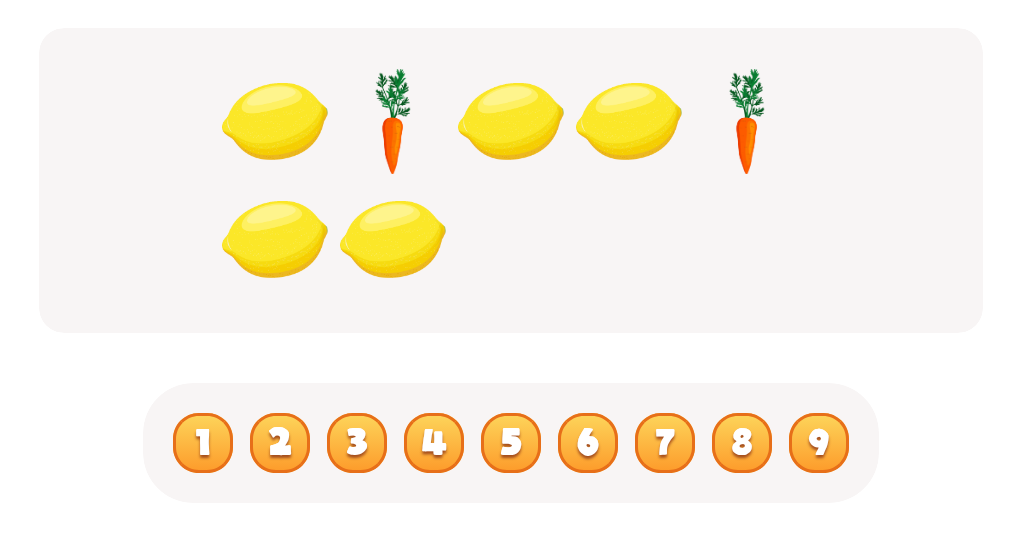
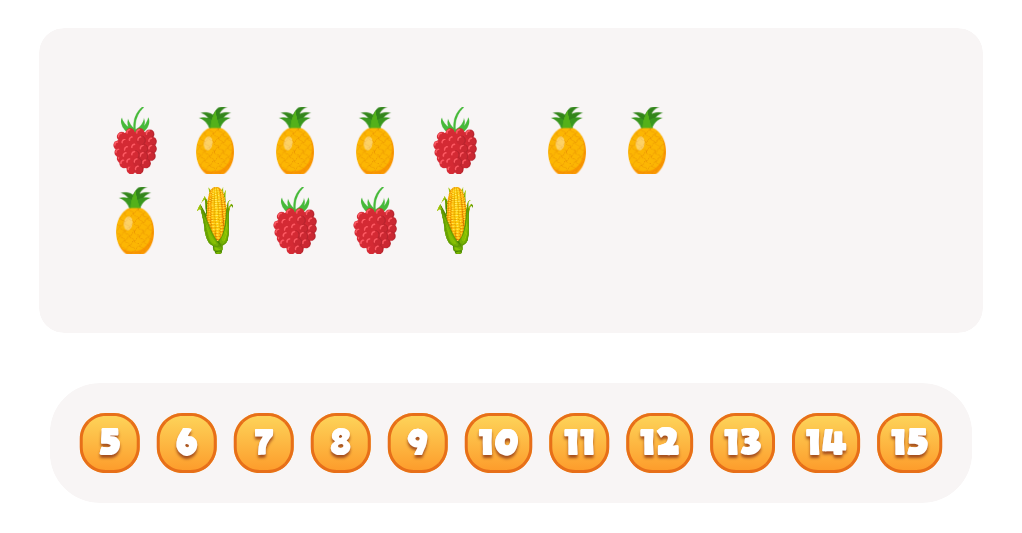
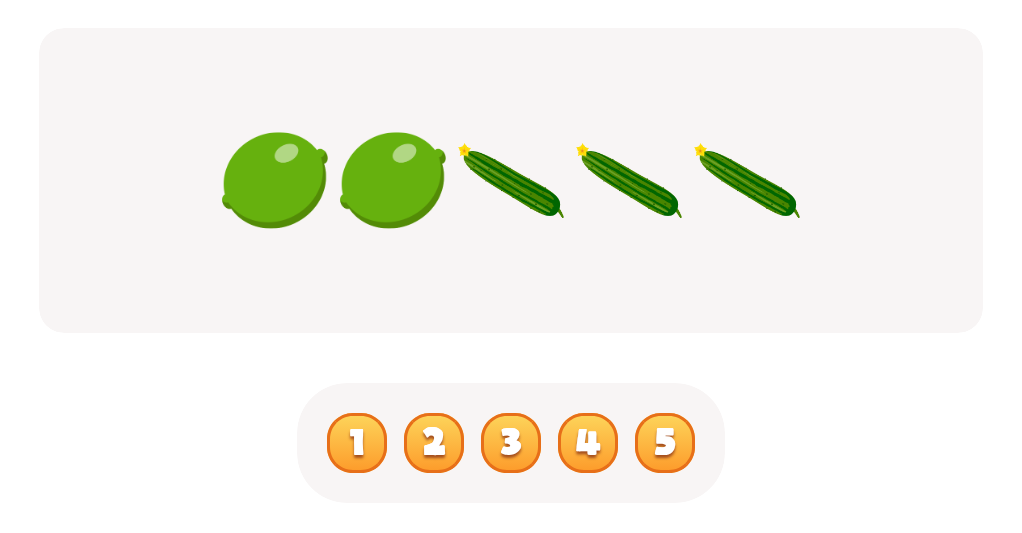
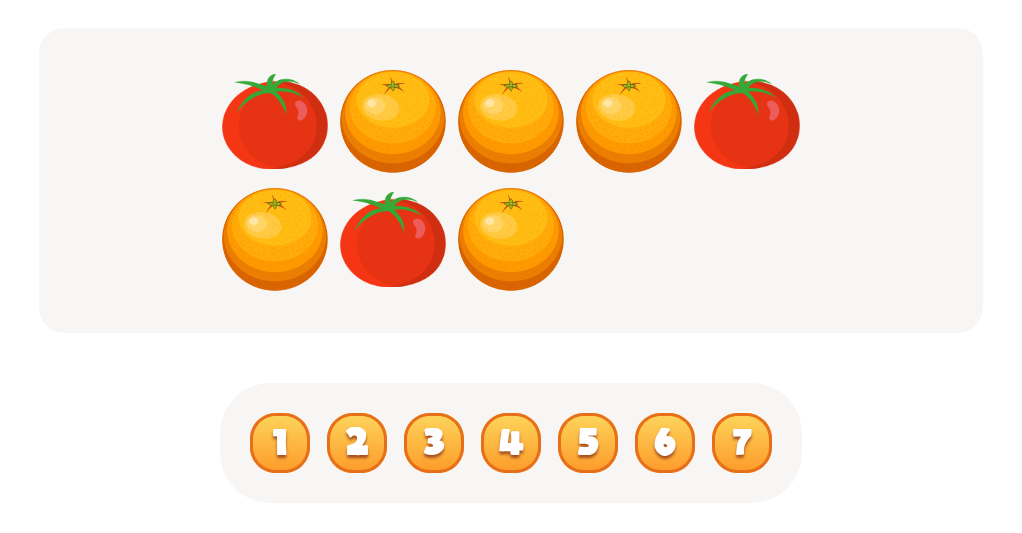
Discover our "Enhancing Observation Skills: Normal Plants and Animals Worksheets," designed to enrich students' understanding of the natural world through engaging activities. These worksheets promote critical thinking and observational skills as children explore the characteristics of various plants and animals. Each worksheet encourages curiosity and detailed examination, allowing young learners to identify patterns, make comparisons, and draw conclusions. Perfect for classroom settings or at-home learning, these resources build foundational science skills in an interactive way. Inspire your students to connect more deeply with their environment and boost their observational abilities with our thoughtfully crafted worksheets. Explore the wonders of nature today!
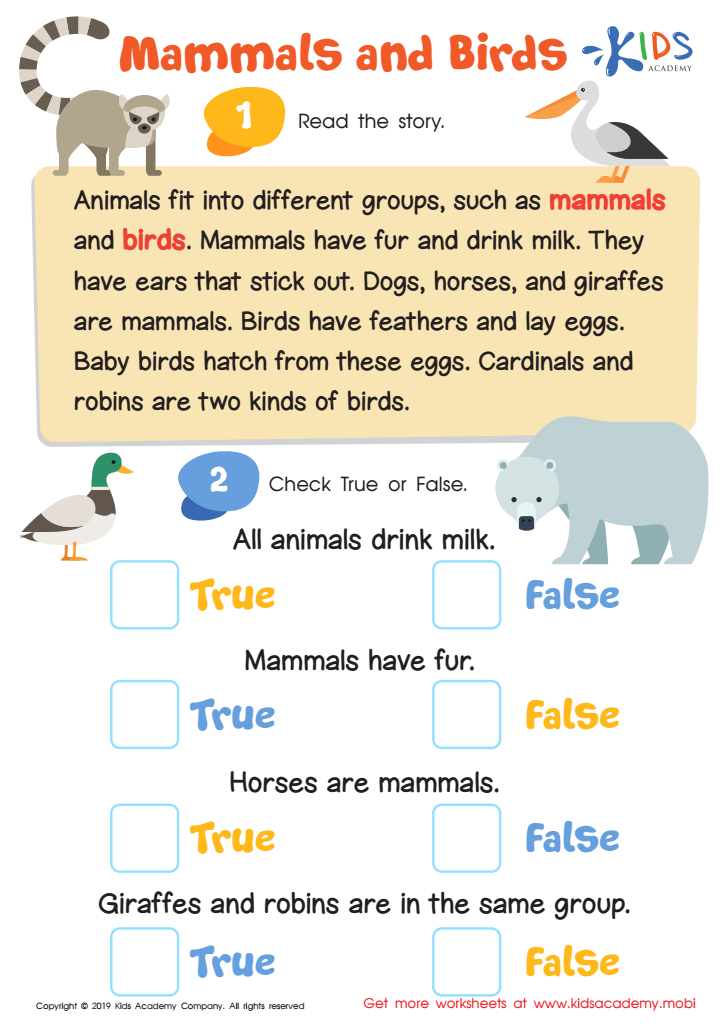
Mammals and Birds Worksheet
 Assign to My Students
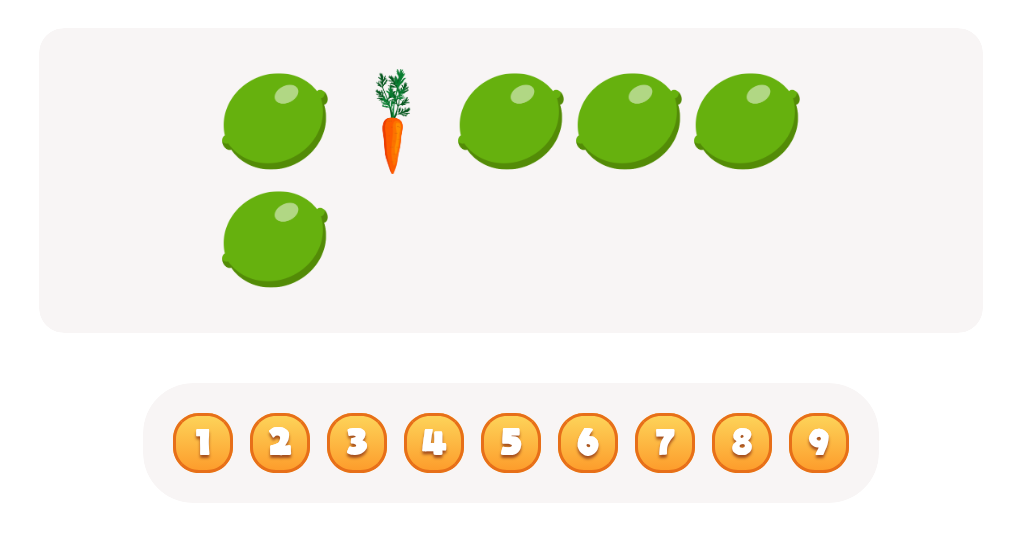

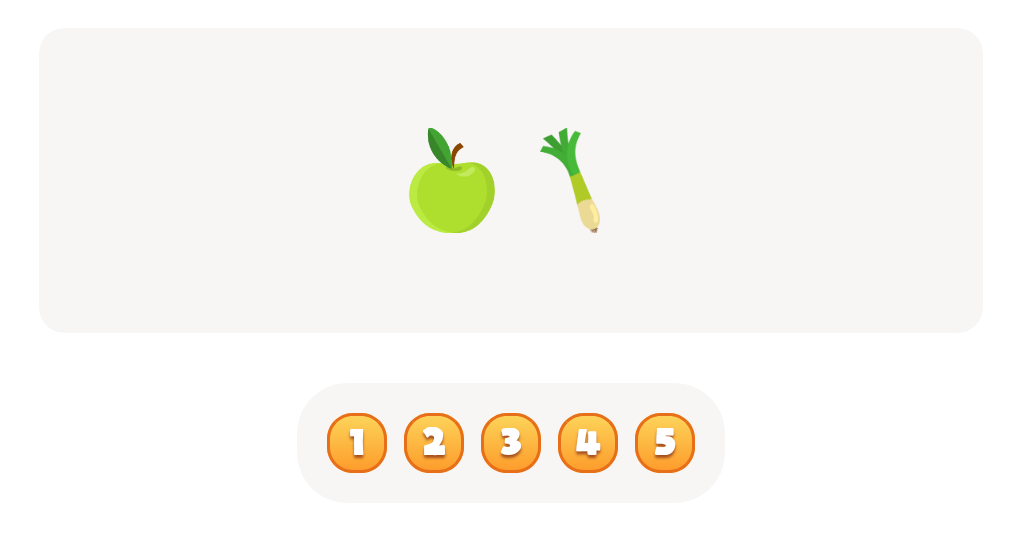
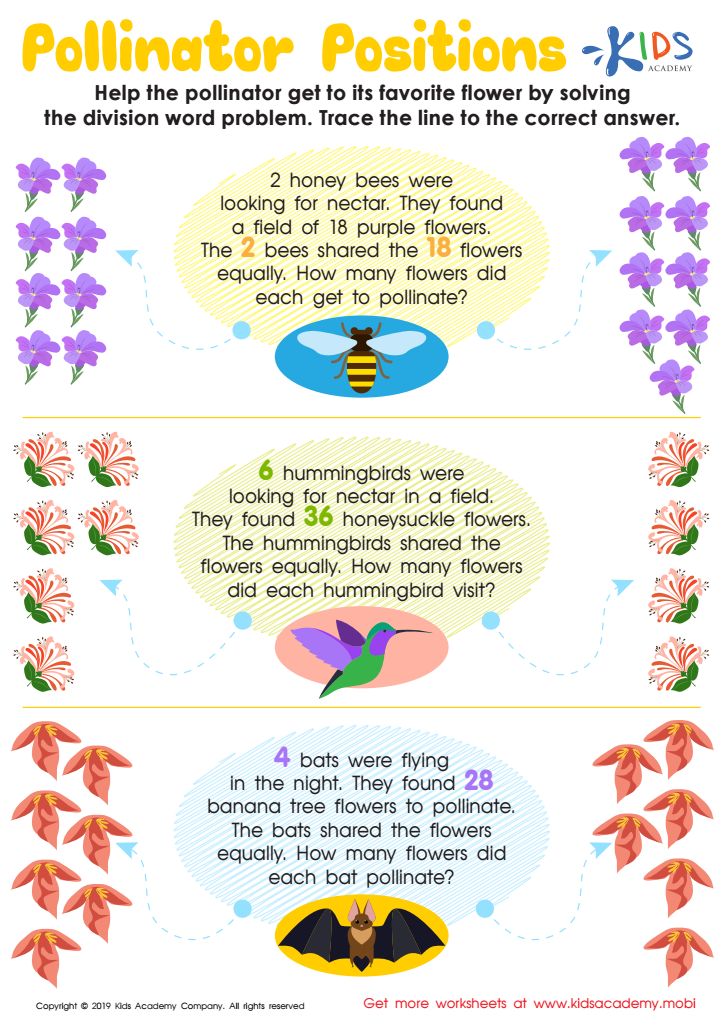
Pollinator Positions Worksheet
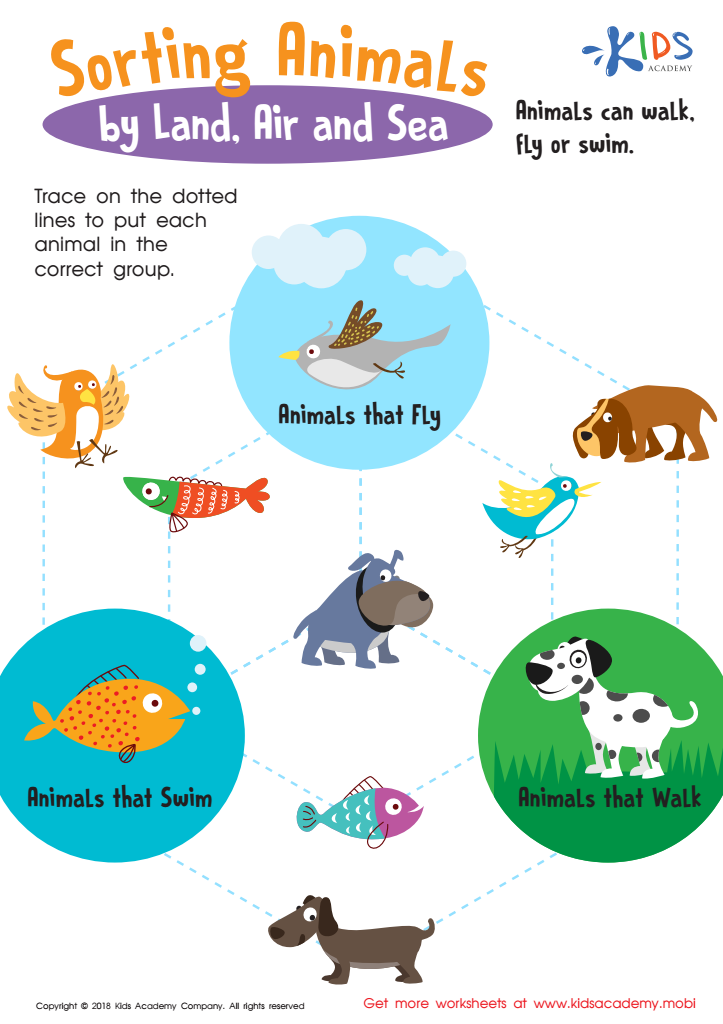
Sorting Animals by Land, Air and Sea Worksheet
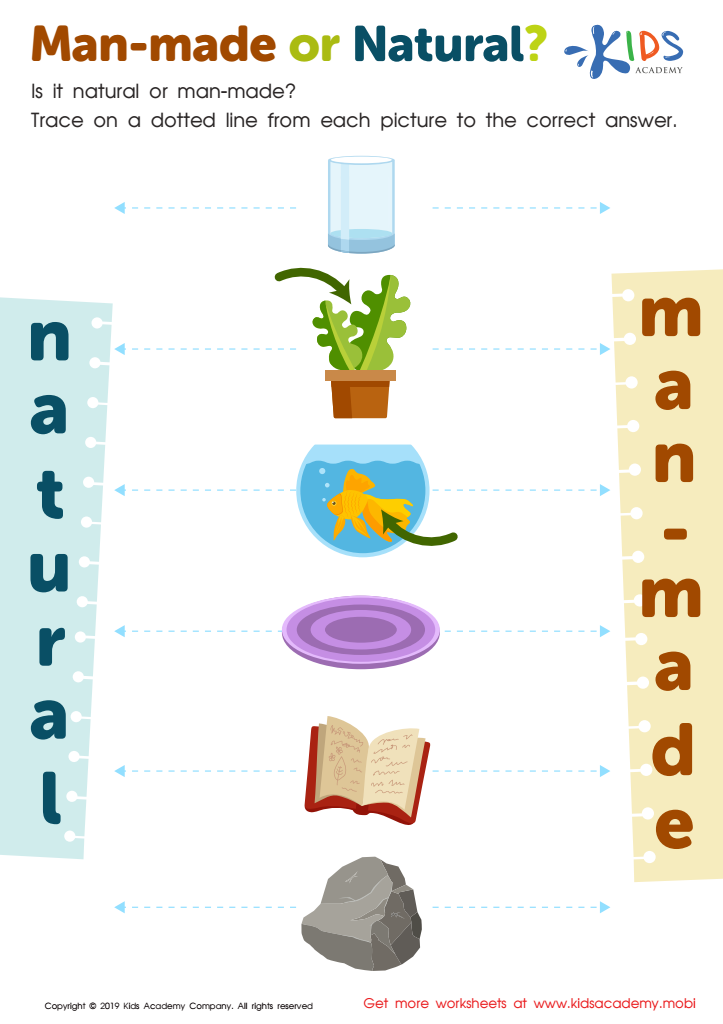
Man-Made or Natural? Worksheet
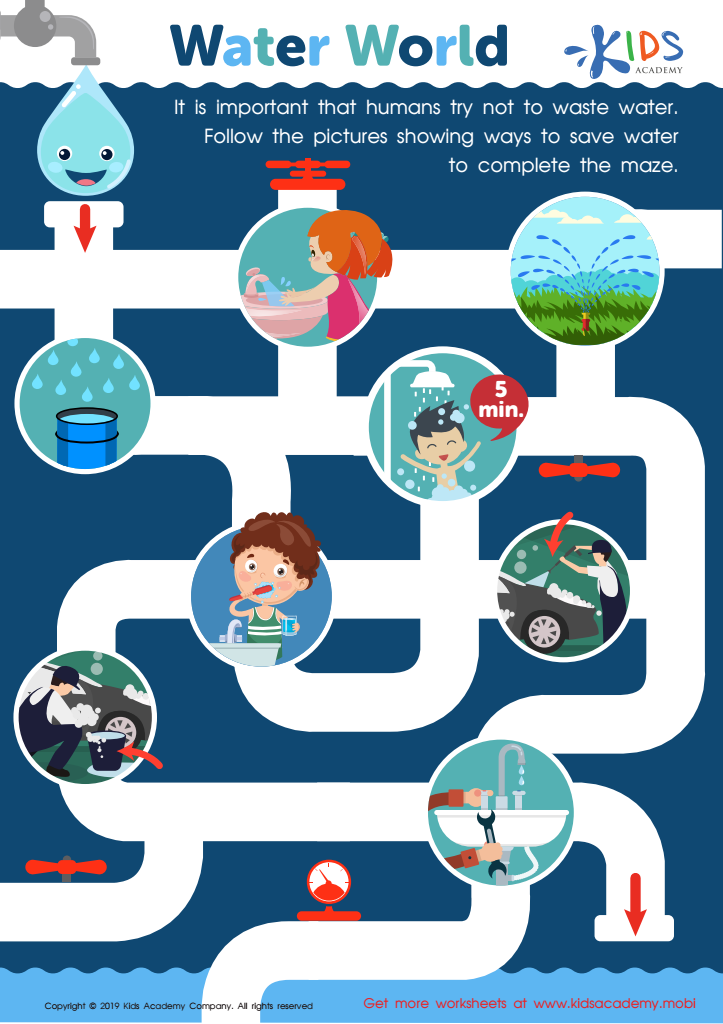
Water World Worksheet




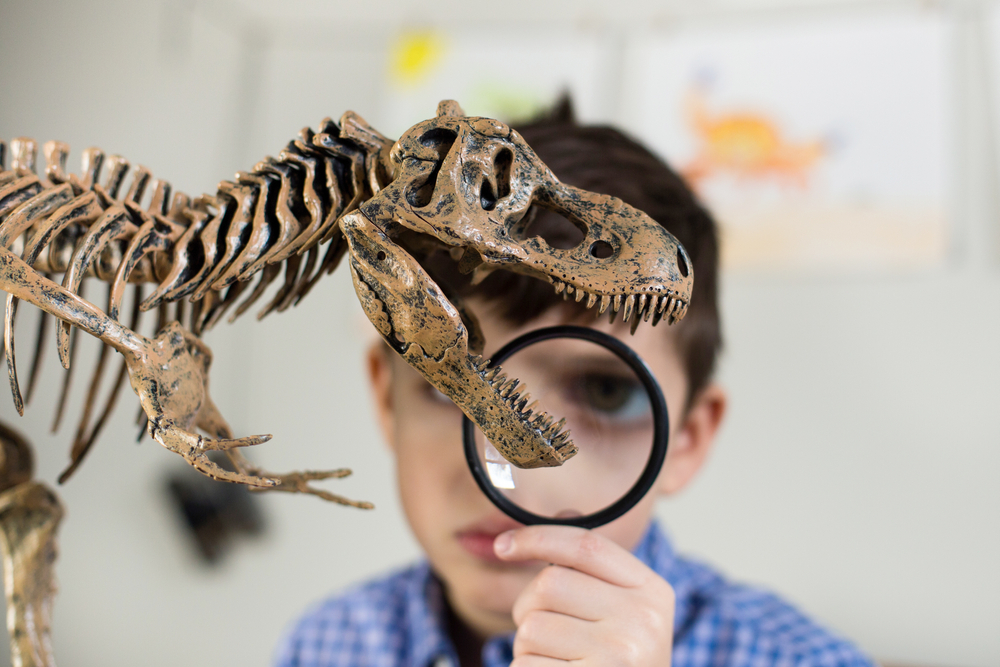


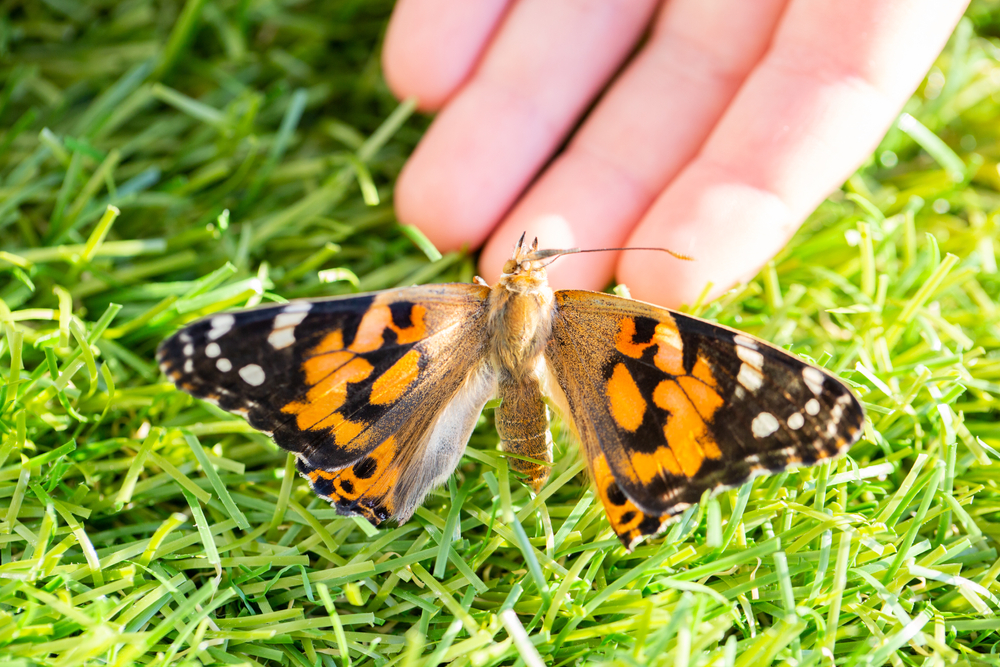
Enhancing observation skills in young learners, particularly in the context of normal plants and animals, is crucial for several reasons. Firstly, these skills cultivate curiosity and critical thinking. When children observe nature closely, they learn to ask questions, make connections, and develop hypotheses, thereby laying the groundwork for scientific inquiry. This hands-on engagement with plants and animals fosters a deeper understanding of ecosystems, encouraging appreciation for biodiversity and environmental stewardship.
Additionally, keen observation skills promote attention to detail and the ability to notice subtle changes in their surroundings. These skills are not only applicable in science but also in various academic subjects, enhancing learning across the curriculum. In social-emotional terms, spending time outdoors and observing nature can improve mental well-being, offering children a sense of calm and a connection to the world around them.
Furthermore, these skills support environmental literacy, equipping students with the knowledge they need to advocate for conservation and biodiversity. Involving parents in this process encourages a collaborative approach to education and reinforces the importance of exploration beyond the classroom. Ultimately, fostering observation skills in plants and animals nurtures responsible, informed citizens who value and protect the natural world.