Alphabet Recognition Normal Grade 3 ABC Letters Worksheets
18 filtered results
-
From - To
Discover our engaging "Alphabet Recognition Normal Grade 3 ABC Letters Worksheets" designed to enhance your third graders' familiarity with the entire alphabet. These worksheets provide a fun and interactive way for children to recognize letters, understand their sounds, and improve their reading skills. Each activity focuses on letter identification and reinforces phonetic awareness, making learning enjoyable and effective. Perfect for classroom use or at-home practice, these resources help students become confident readers. Download your worksheets today and empower your child’s journey towards literacy and language development! Explore our collection and watch your young learners thrive with each fun-filled sheet.
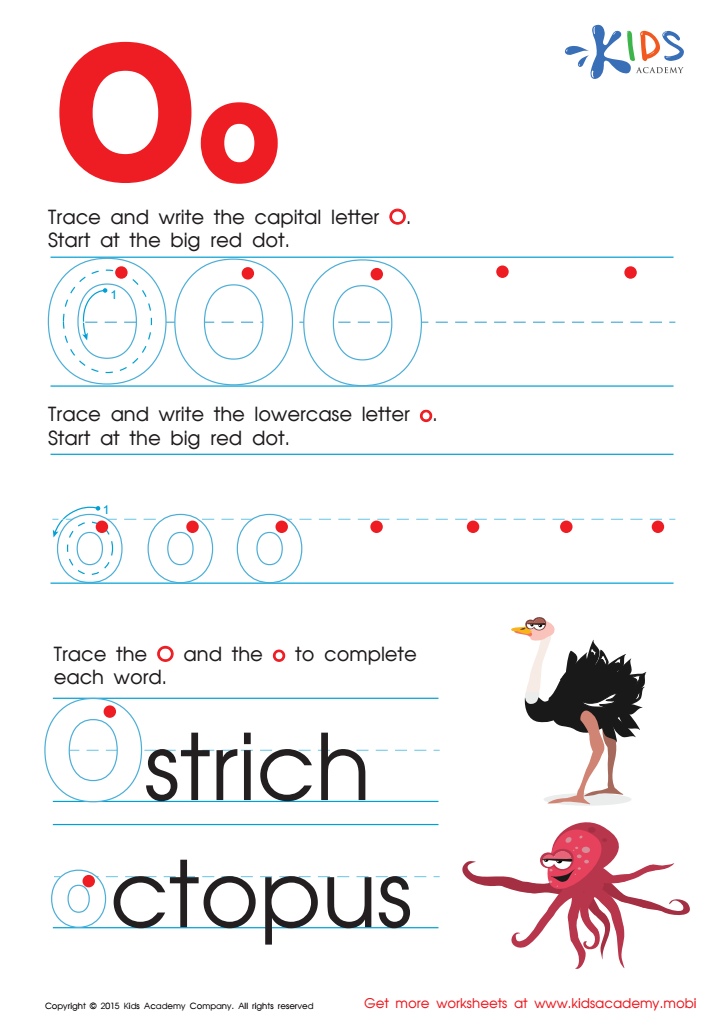
Letter O Tracing Page
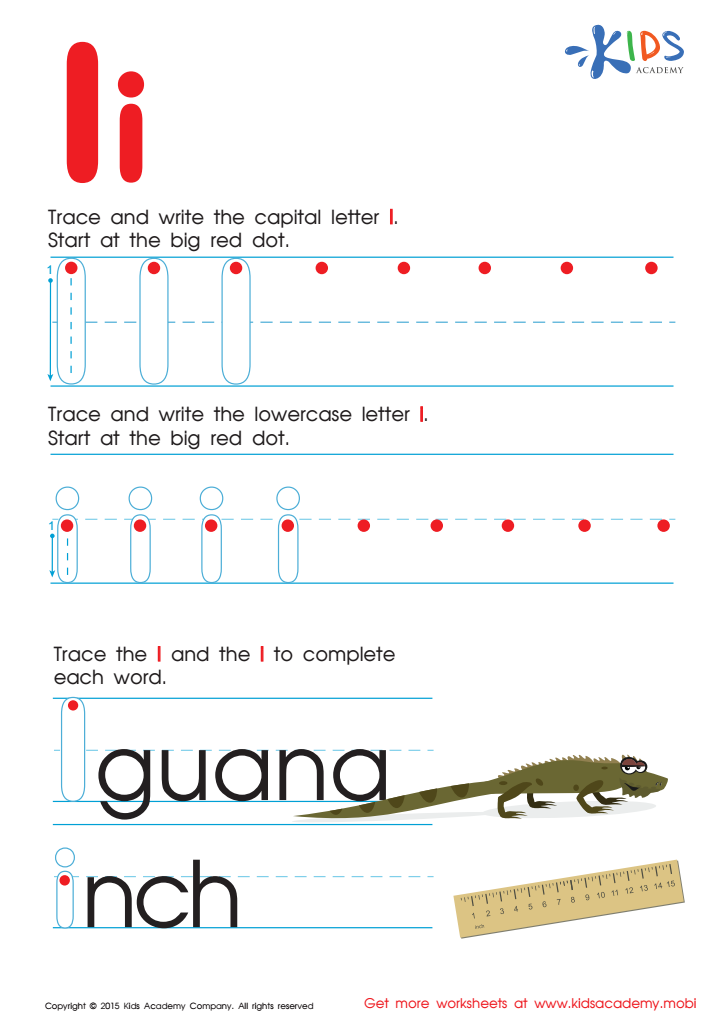
Letter I Tracing Page
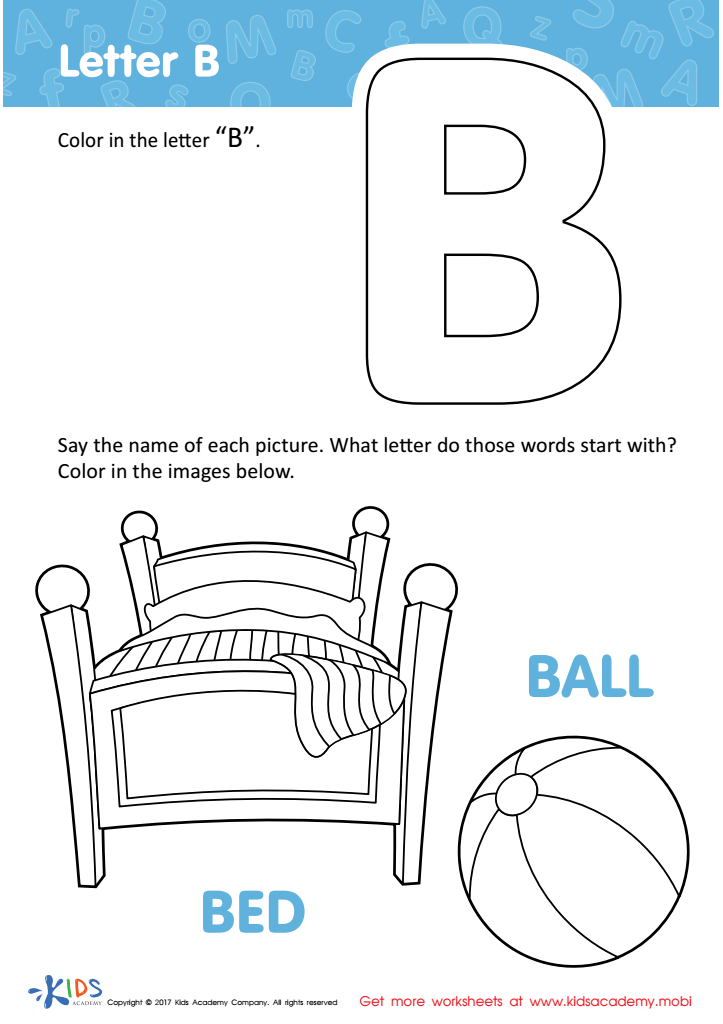
Letter B Coloring Sheet
 Assign to My Students
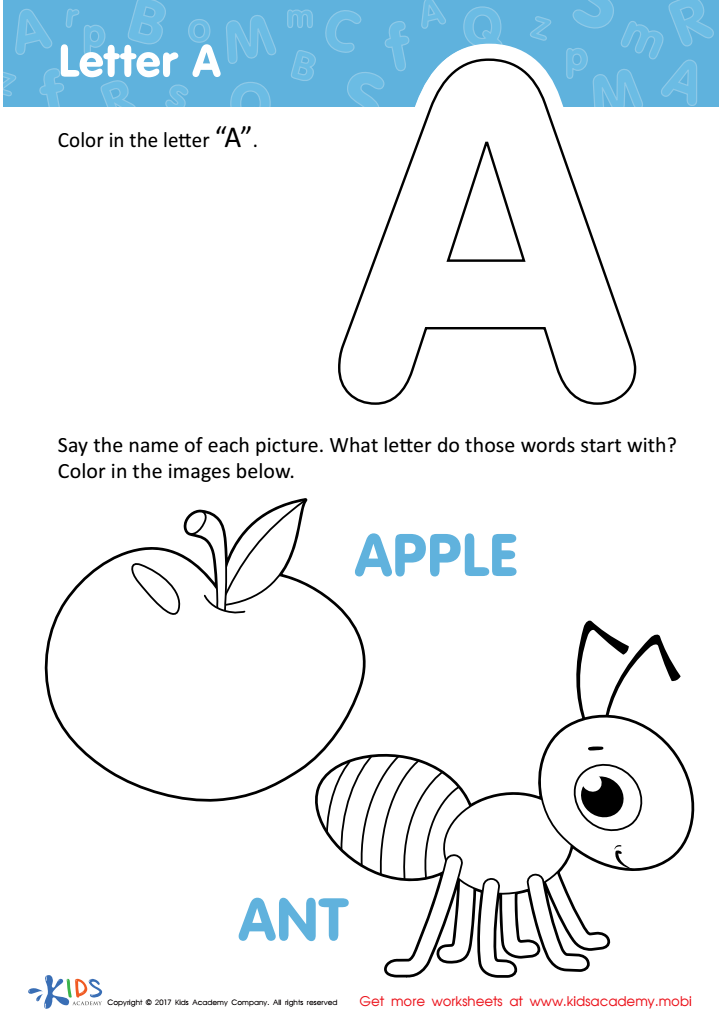
Letter A Coloring Sheet
Assign to My Students
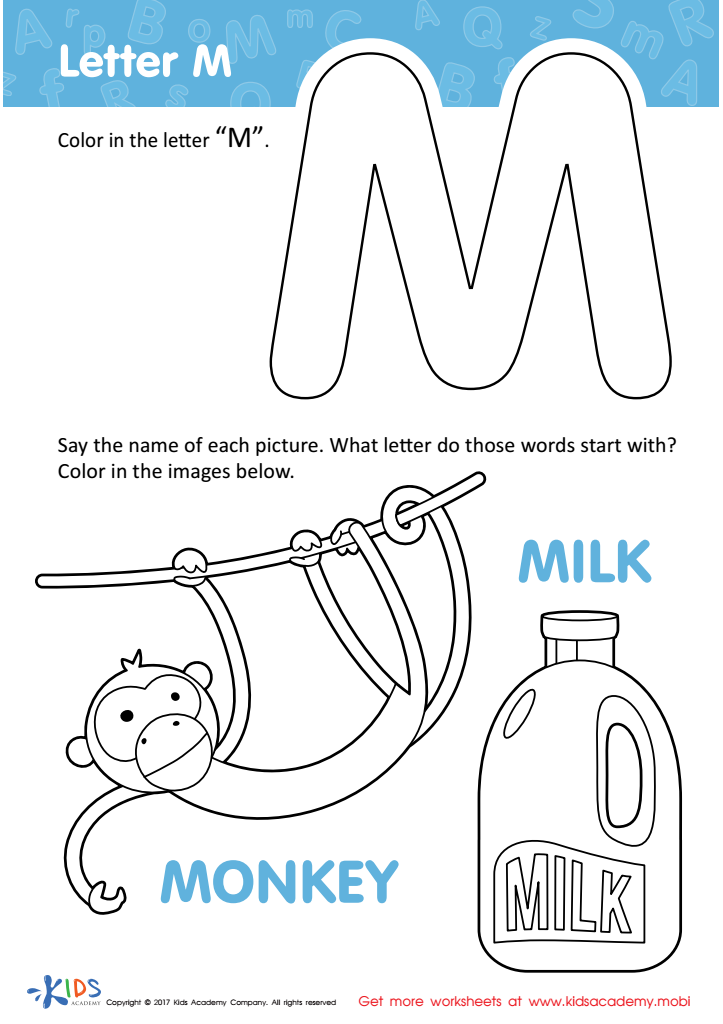
Letter M Coloring Sheet
Assign to My Students
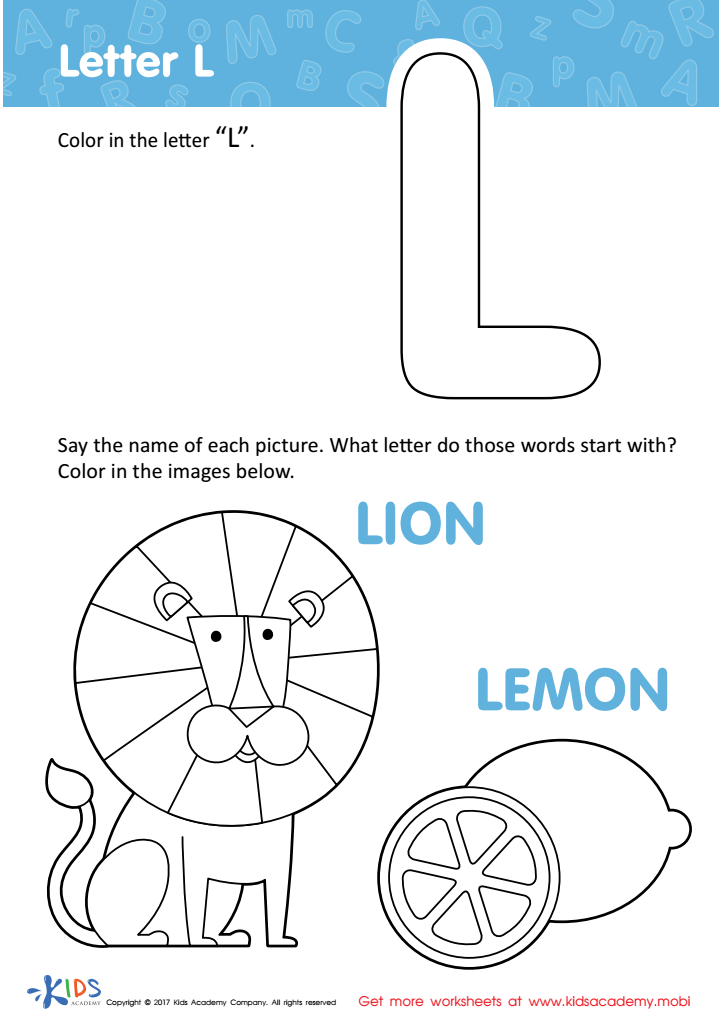
Letter L Coloring Sheet
Assign to My Students
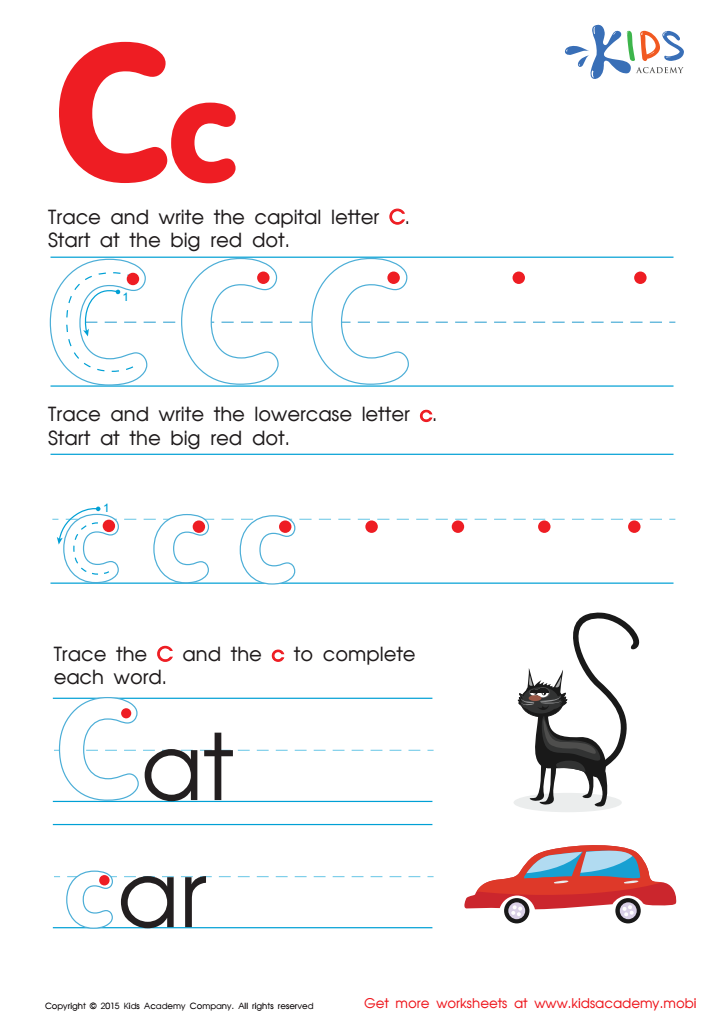
Letter C Tracing Page
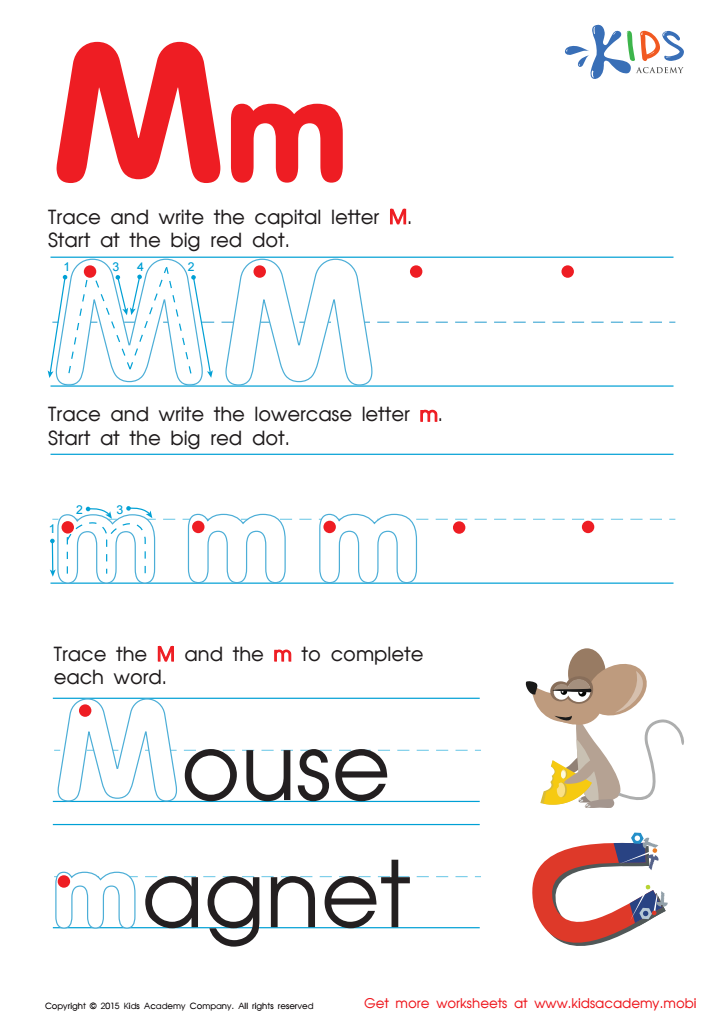
Letter M Tracing Page
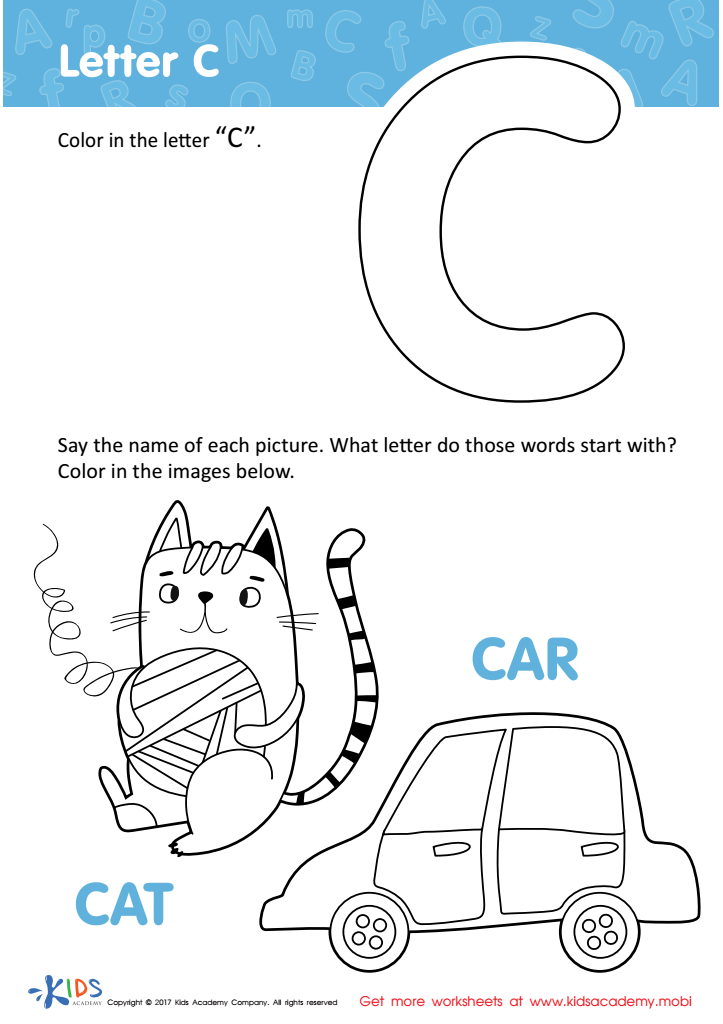
Letter C Coloring Sheet
Assign to My Students
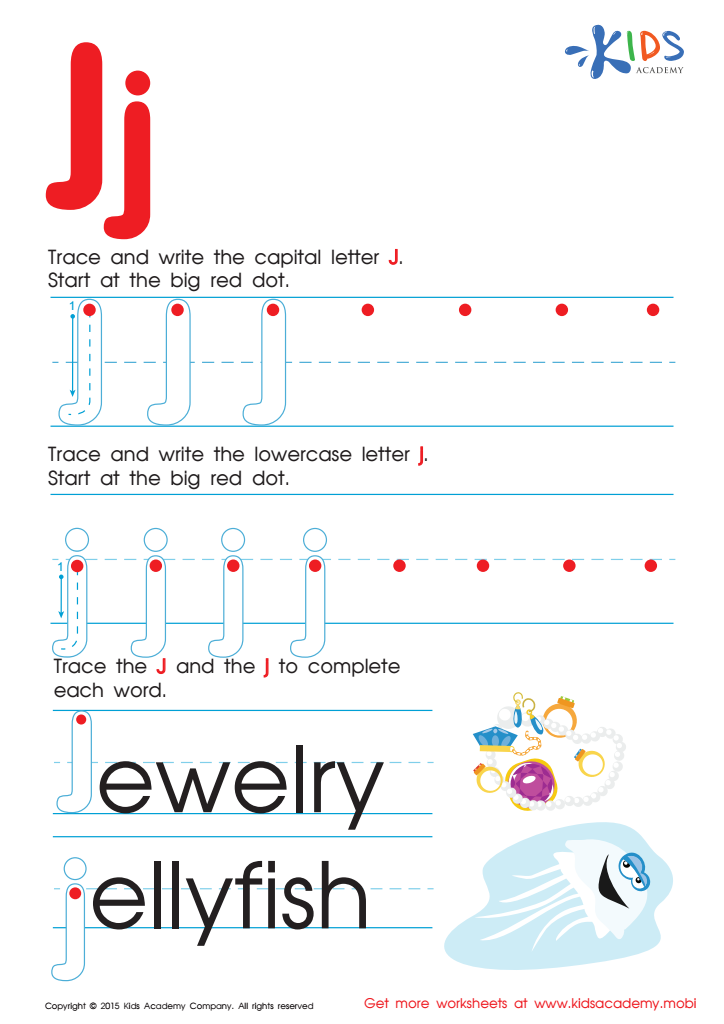
Letter J Tracing Page
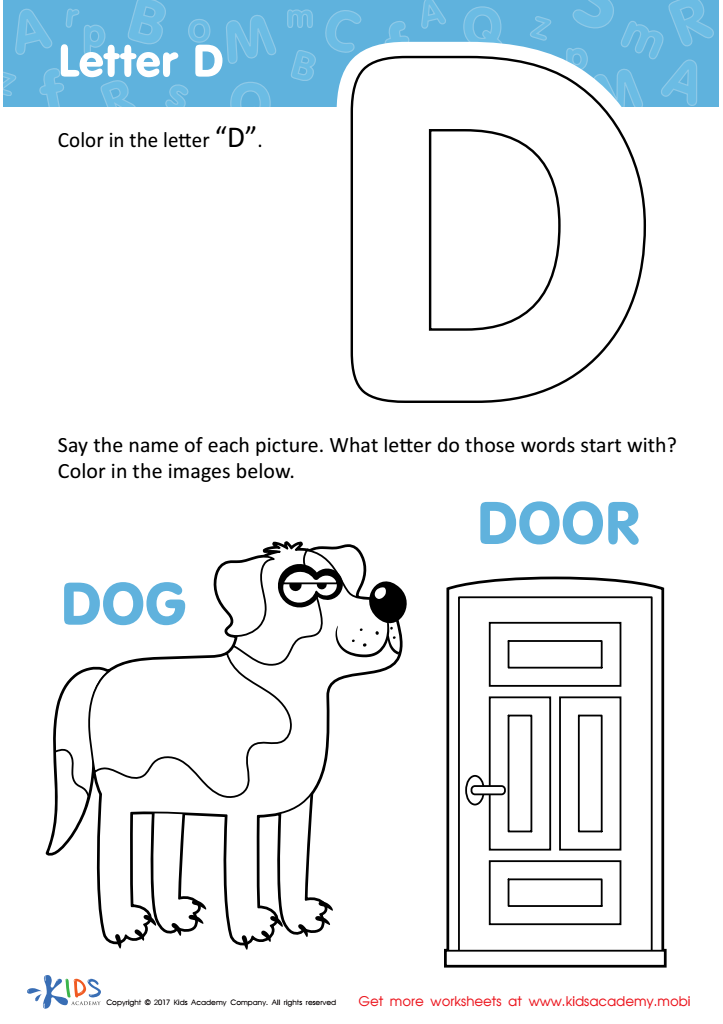
Letter D Coloring Sheet
Assign to My Students
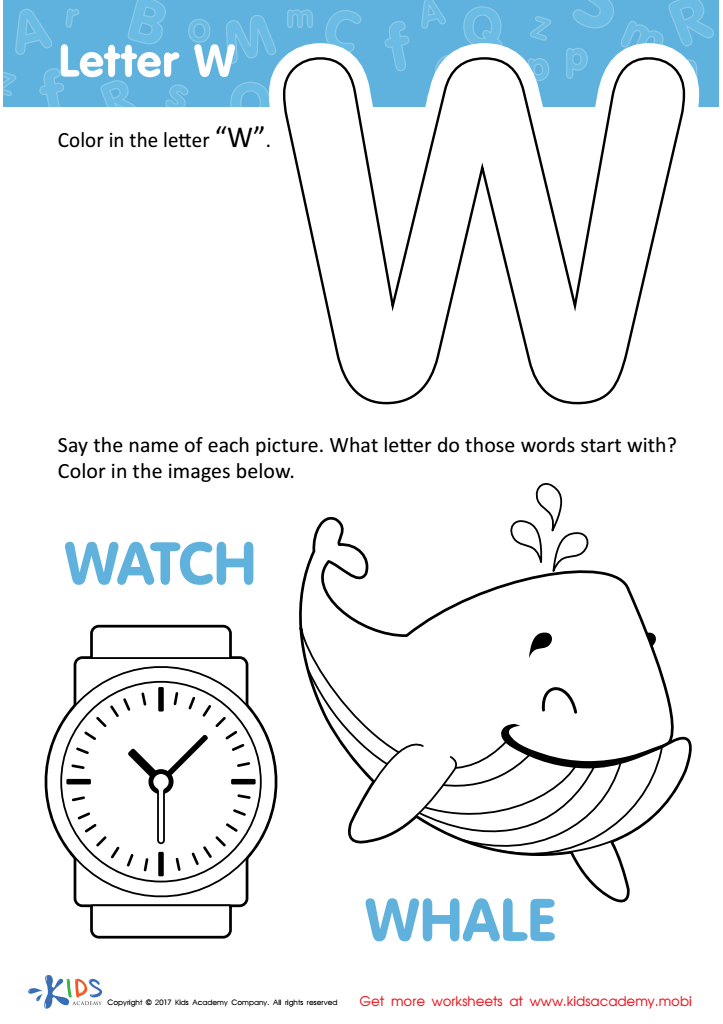
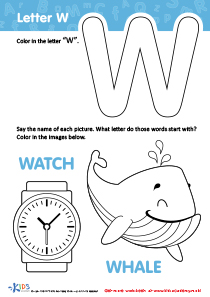
Letter W Coloring Sheet
Assign to My Students
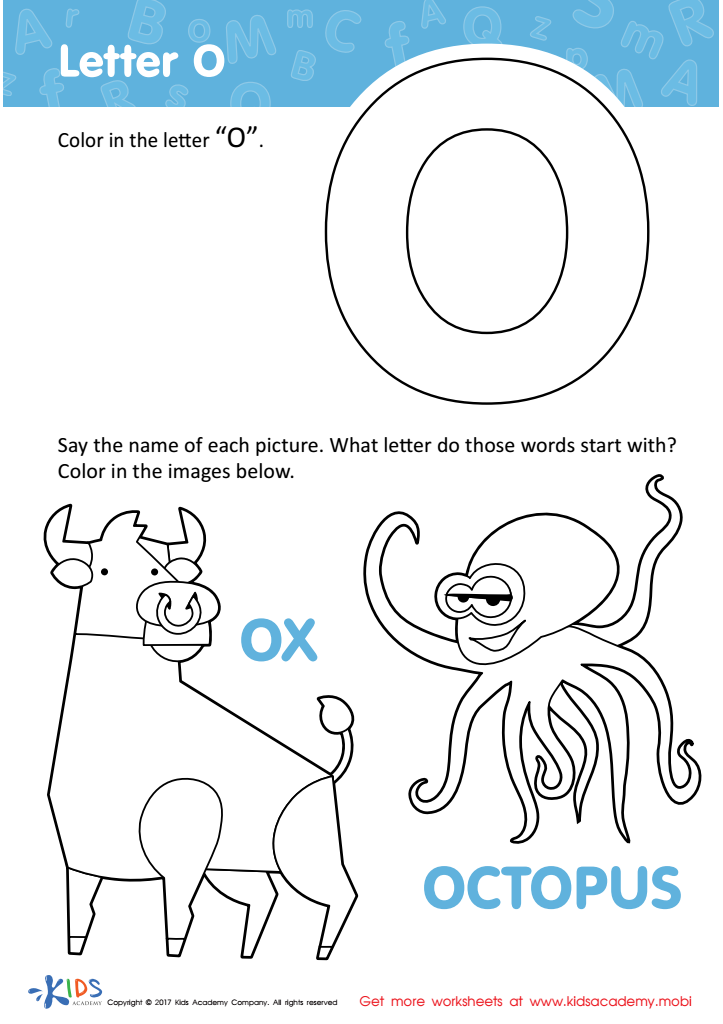
Letter O Coloring Sheet
Assign to My Students
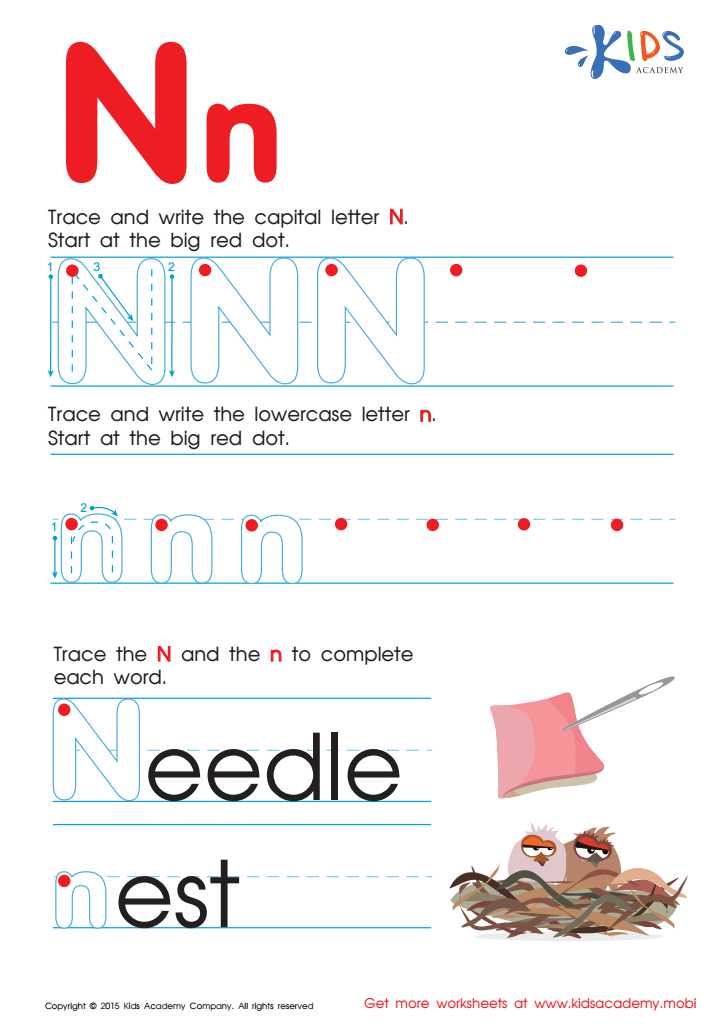
Letter N Tracing Page
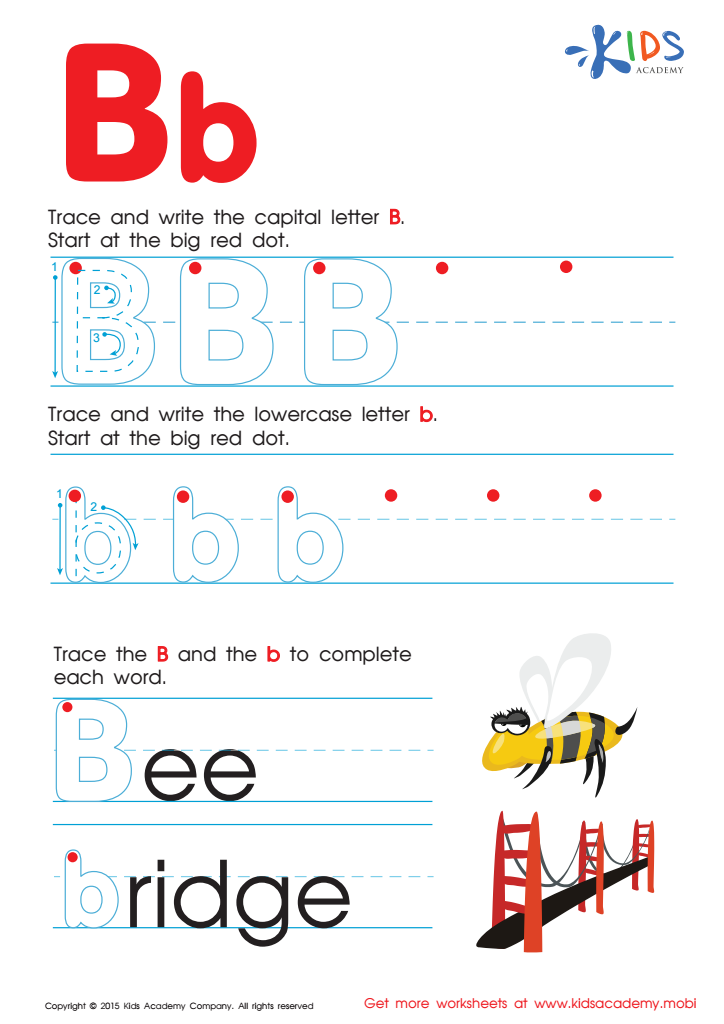
Letter B Tracing Page
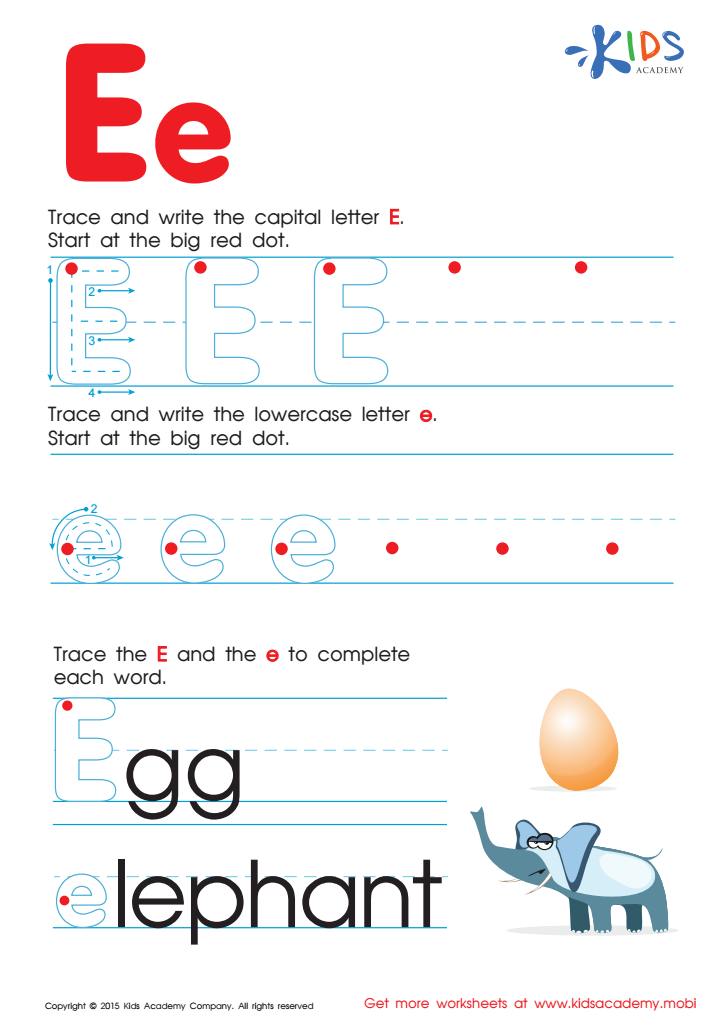
Letter E Tracing Page
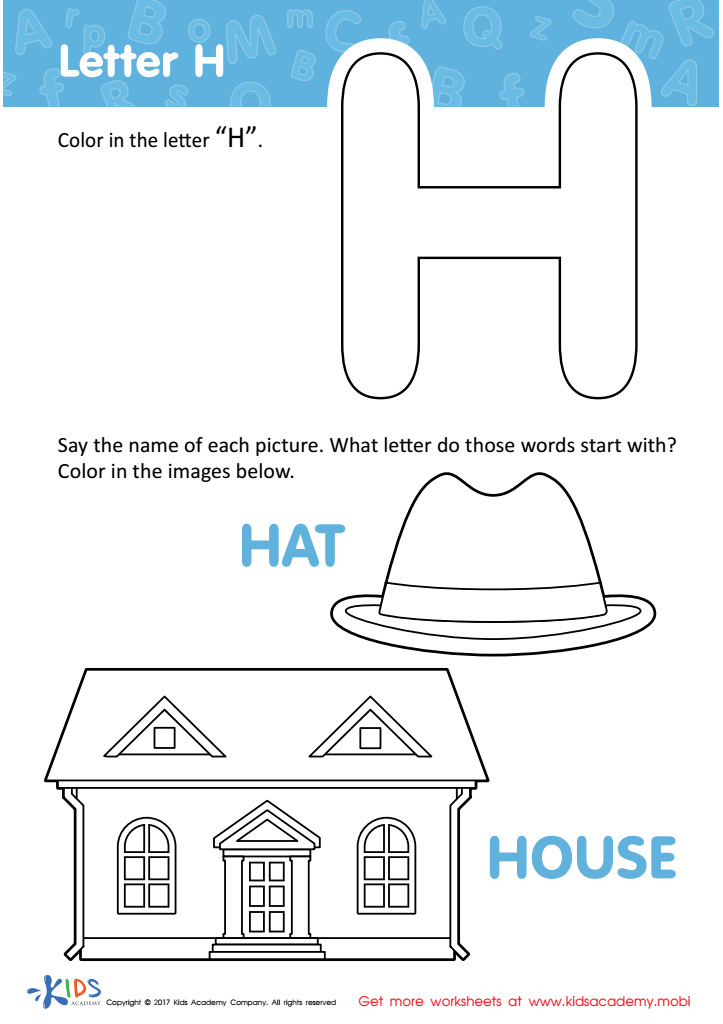
Letter H Coloring Sheet
Assign to My Students
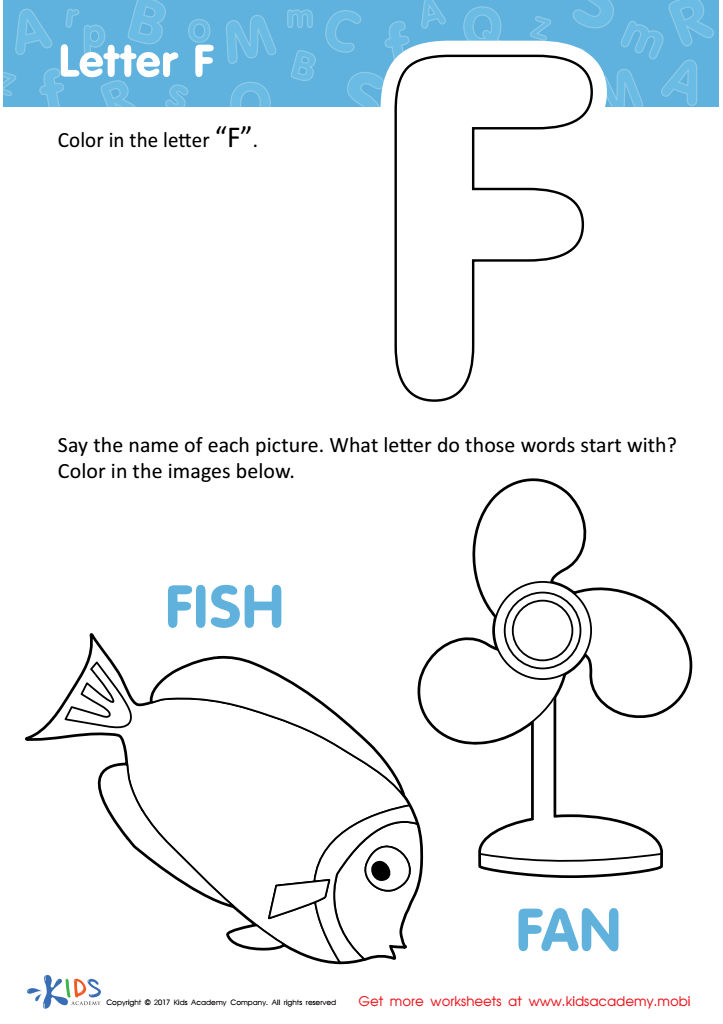
Letter F Coloring Sheet
Assign to My Students




Alphabet recognition is a foundational skill crucial for young learners, particularly those in Grade 3. At this stage, students are building on their ability to read and write, making solid alphabet recognition essential for their academic success.
Firstly, understanding the alphabet helps students develop phonemic awareness, the ability to hear, identify, and manipulate sounds. This skill is directly linked to improved reading and writing abilities, enabling children to decode words more effectively as they progress through school.
Secondly, caring about letter recognition can foster children's confidence. When they recognize letters and their corresponding sounds, students feel more capable and motivated to engage in reading and writing activities. This, in turn, nurtures a love for literacy and learning.
Additionally, teachers and parents who emphasize the importance of alphabet recognition can create enriched learning environments. This involves providing diverse materials, such as books, songs, and interactive games, enhancing children's engagement and understanding.
Ultimately, recognizing the alphabet is not just about mastering letters; it’s about laying the groundwork for critical thinking, comprehension, and effective communication skills that will serve students throughout their educational journey and beyond. Ignoring this aspect can hinder their literacy development, making it a vital focus for parents and teachers alike.