Motor skills development Normal Grade 3 ABC Letters Worksheets
3 filtered results
-
From - To
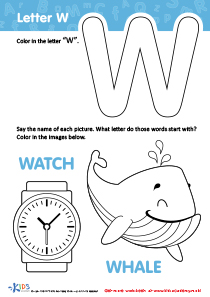
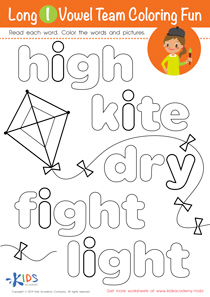
Enhance your third grader's motor skills with our engaging "Motor Skills Development: Normal Grade 3 ABC Letters Worksheets." Designed to promote fine motor control and letter recognition, these worksheets offer a fun way for kids to practice writing and identifying the alphabet. Activities include tracing, coloring, and connecting letters, fostering both creativity and coordination. Perfect for home or classroom use, these worksheets help reinforce essential literacy skills while ensuring kids develop strength and dexterity in their hands. Ideal for reinforcing learning in a playful manner, our worksheets support your child's educational journey, making motor skill development enjoyable and effective!

Letter H Tracing Page
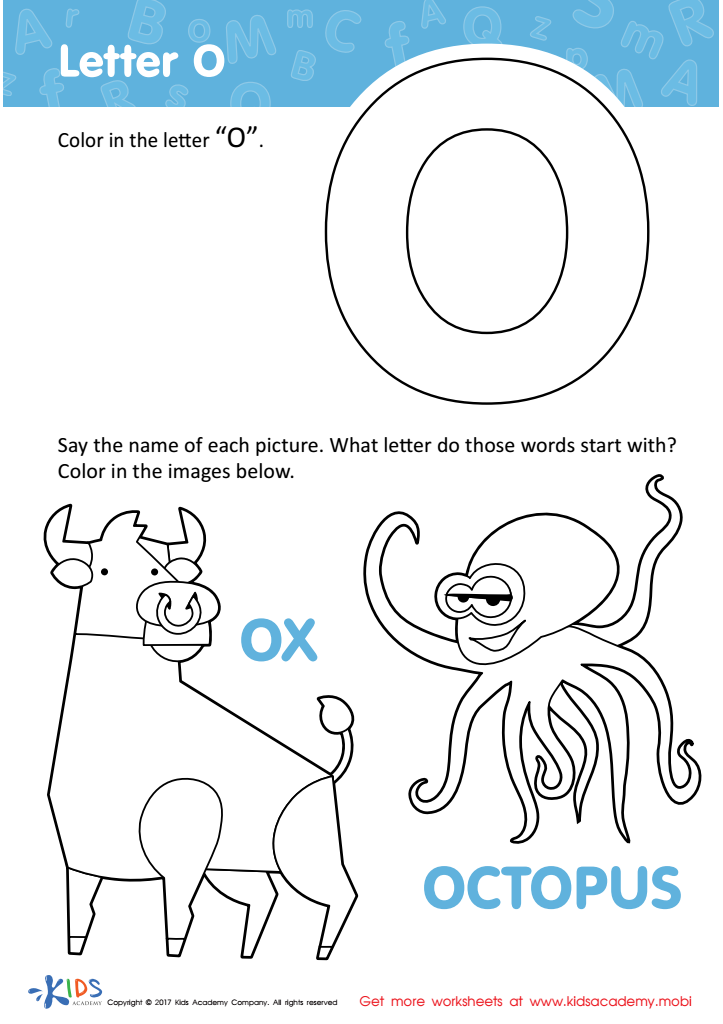
Letter O Coloring Sheet
 Assign to My Students
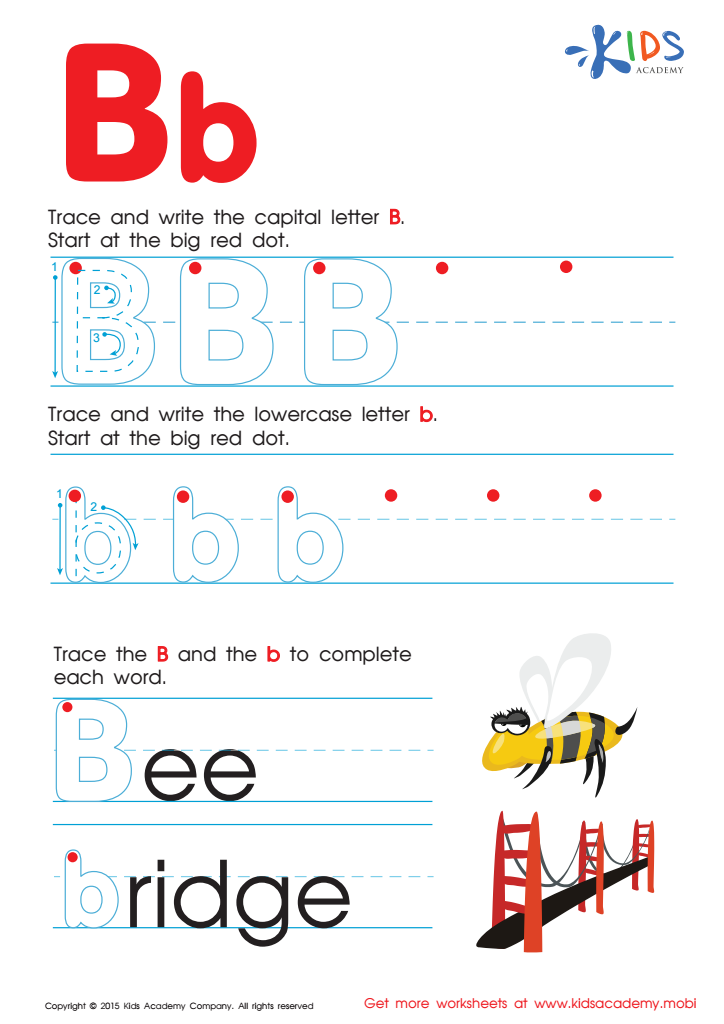
Letter B Tracing Page




Motor skills development is crucial for children in Grade 3, as it significantly impacts their overall growth and learning experiences. At this stage, children are refining both fine and gross motor skills, which play a vital role in various aspects of their daily lives, including academic performance and physical health.
Fine motor skills are essential for tasks such as writing letters, using scissors, and manipulating small objects. Children at this age develop their ability to form clearer shapes and letters, which aids in their writing skills and communication. Precise motor skills promote better handwriting, thereby fostering self-confidence in academic settings.
Gross motor skills, such as running, jumping, and throwing, are equally important as they influence children's participation in physical activities and sports. Participation encourages teamwork, discipline, and healthy habits, contributing to a well-rounded lifestyle.
When parents and teachers prioritize motor skills development, they set the foundation for improved academic success and social interactions. Engaging children in activities that promote these skills, like arts and crafts, sports, and daily tasks, can significantly enhance their cognitive, physical, and social abilities, thereby preparing them for future challenges in school and beyond.