Writing practice Normal Grade 3 ABC Letters Worksheets
4 filtered results
-
From - To
Enhance your third grader's writing skills with our engaging ABC Letters Worksheets designed for Normal Grade 3 students. These printable worksheets provide a fun and interactive way for children to practice their handwriting, learn letter formation, and improve their confidence in writing. Each worksheet features a variety of activities that focus on both uppercase and lowercase letters, ensuring comprehensive skill development. Ideal for classroom or at-home use, these resources support essential learning goals while keeping students motivated and excited about writing. Help your child master their ABCs and foster a lasting love for literacy with our specialized worksheets today!
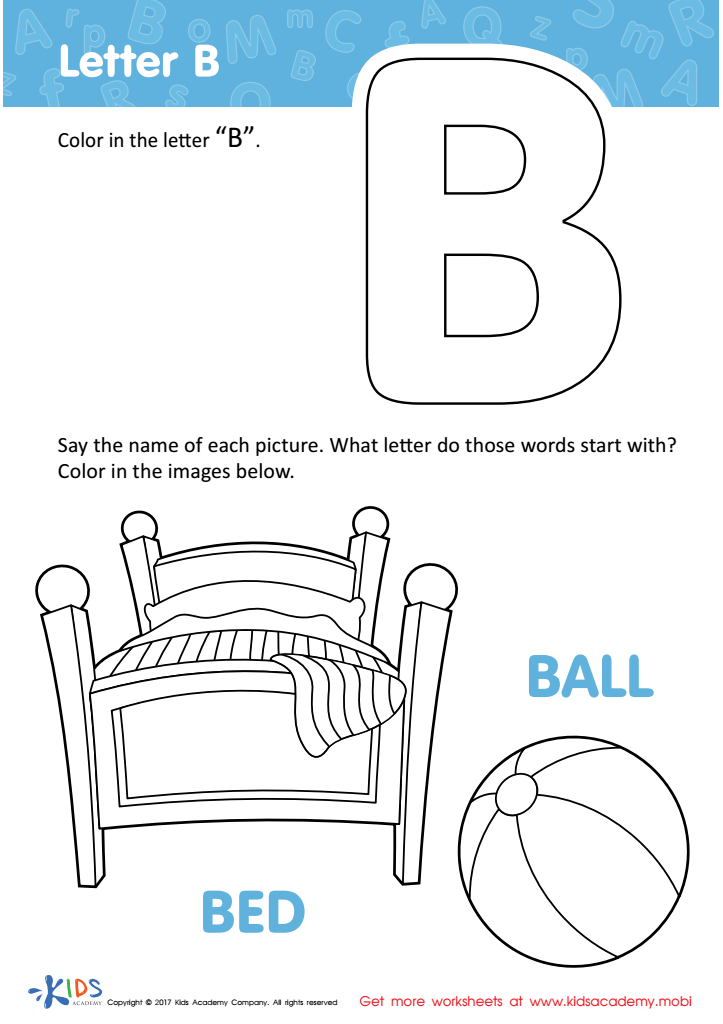
Letter B Coloring Sheet
 Assign to My Students
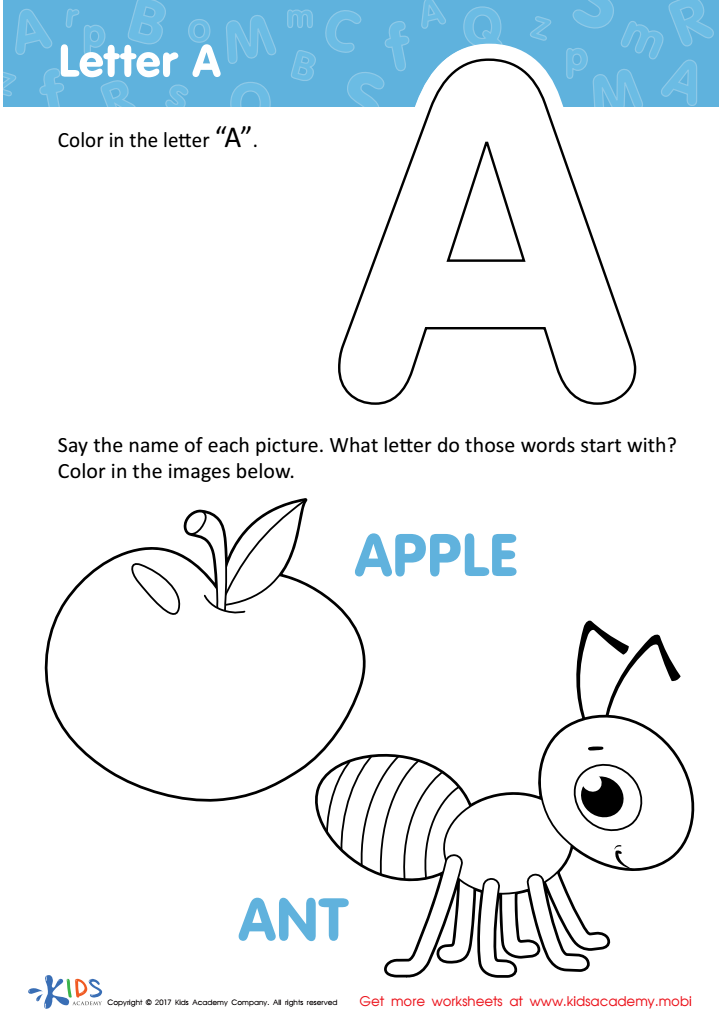
Letter A Coloring Sheet
Assign to My Students
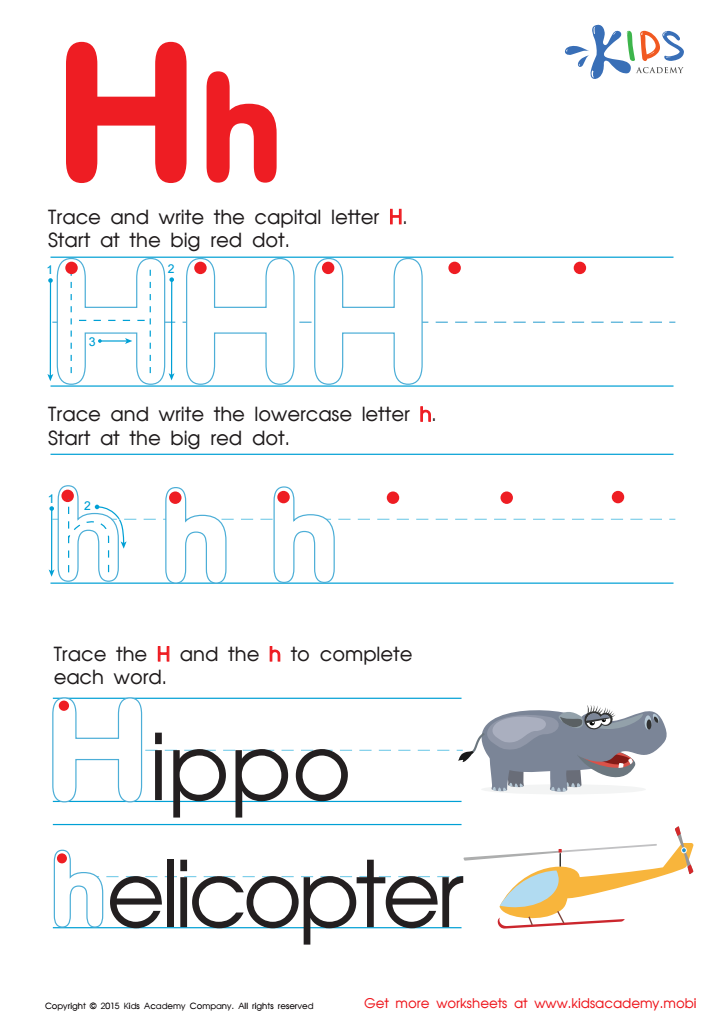
Letter H Tracing Page
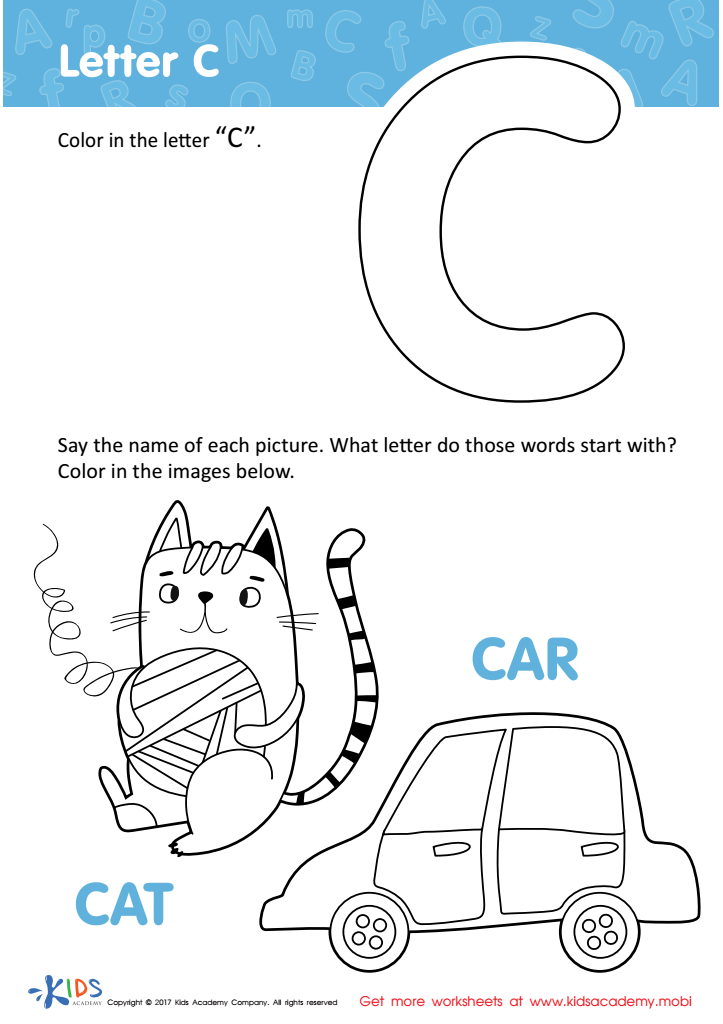
Letter C Coloring Sheet
Assign to My Students




Writing practice in third grade, especially focusing on the basic letters of the alphabet, is crucial for several reasons. First, it lays the foundation for effective communication skills. At this stage, children transition from learning to read to reading to learn. Mastering letter formation assists in improving their handwriting, making it more legible and aiding in clarity of expression.
Furthermore, engaging in writing practice helps develop fine motor skills. The coordinated movement required to form letters enhances a child’s dexterity, which is essential for a variety of future tasks, from writing essays to using digital devices.
Additionally, writing encourages creativity. As children explore ways to use letters, they experiment with language and develop their unique voice, fostering confidence in self-expression. Writing activities also boost cognitive skills; children learn to organize their thoughts and convey ideas logically, which is a vital foundation for more complex writing tasks later on.
Finally, parents and teachers play a critical role in nurturing a positive attitude towards writing. By supporting daily practice, they help instill a sense of responsibility and perseverance in children, key attributes for long-term academic success. Prioritizing writing practice in the formative third-grade years is thus essential for every child's development.