Alphabet Recognition Normal Grade 3 Alphabet Worksheets
19 filtered results
-
From - To
Discover our "Alphabet Recognition Normal Grade 3 Alphabet Worksheets" at Kids Academy, designed to reinforce letter recognition and alphabet sequencing for third graders. These engaging worksheets boost learning by combining fun activities with educational tasks, fostering a strong foundation in language skills. Perfect for both classroom use and home practice, our worksheets help students identify, write, and organize letters with ease. Enhance your child's literacy confidence and mastery with our expertly crafted resources. Visit Kids Academy today to explore our extensive collection, ensuring your child excels in their everyday studies while enjoying the learning process.
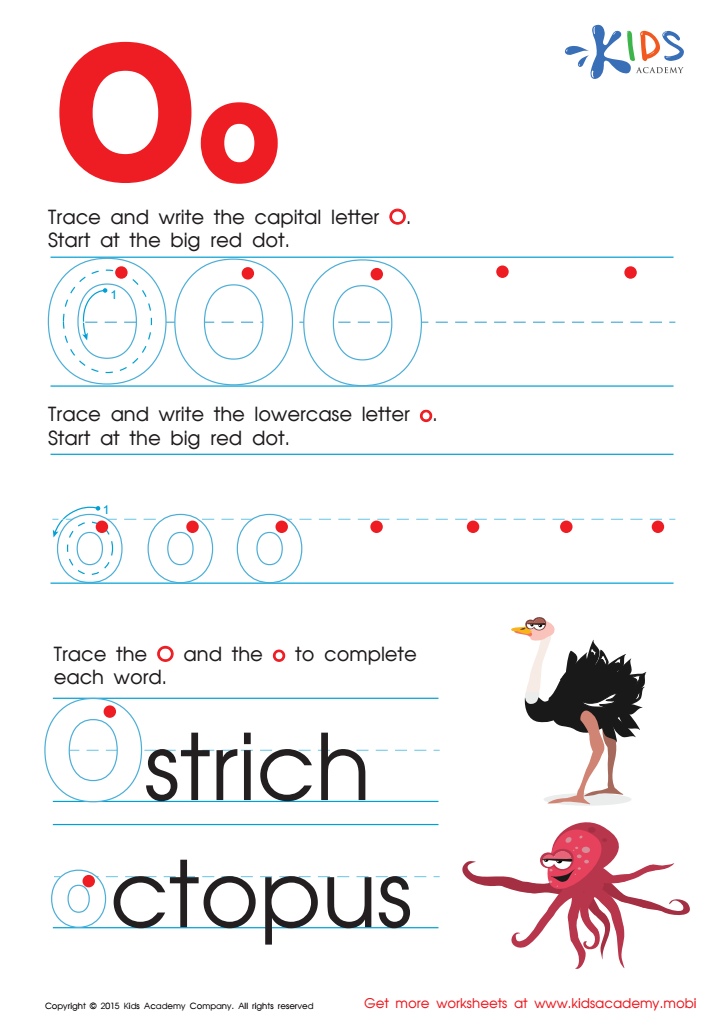
Letter O Tracing Page
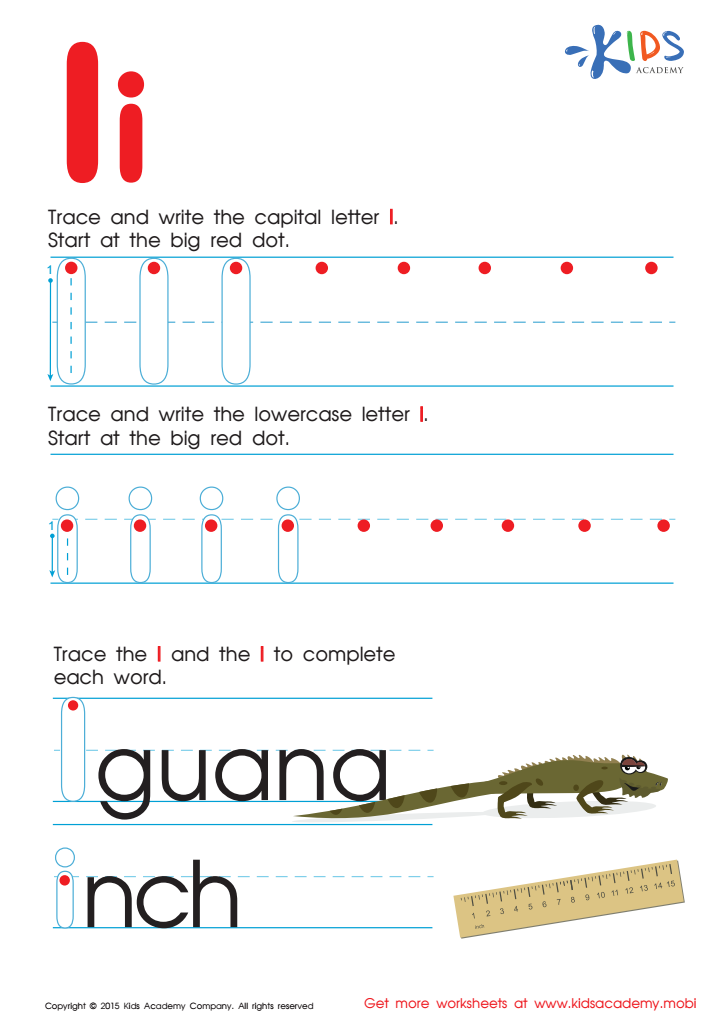
Letter I Tracing Page
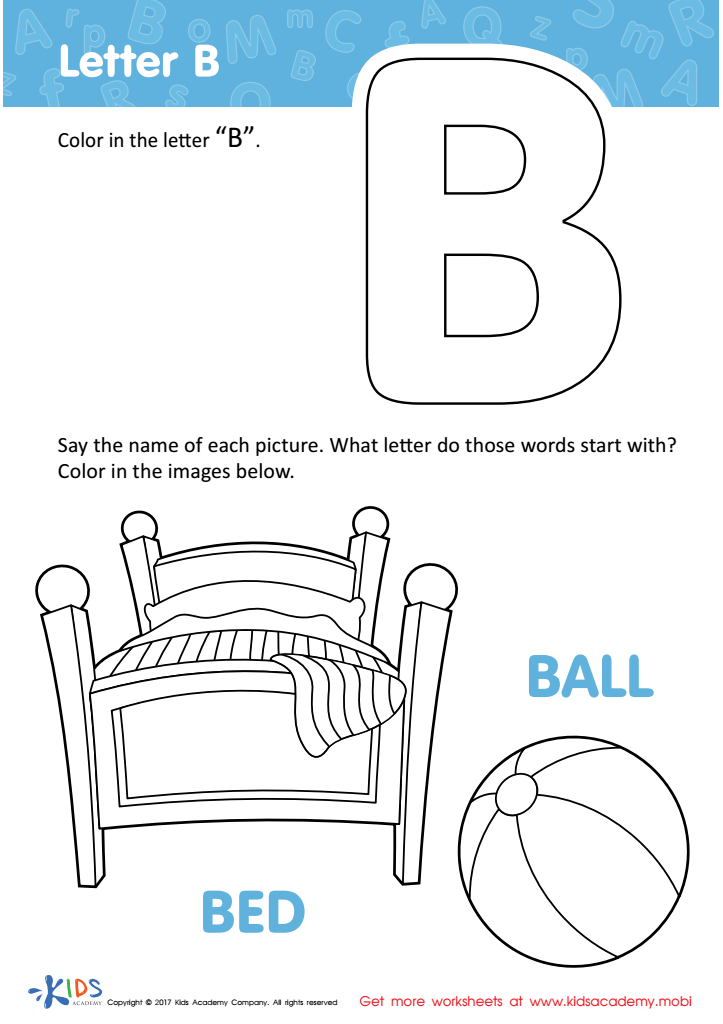
Letter B Coloring Sheet
 Assign to My Students
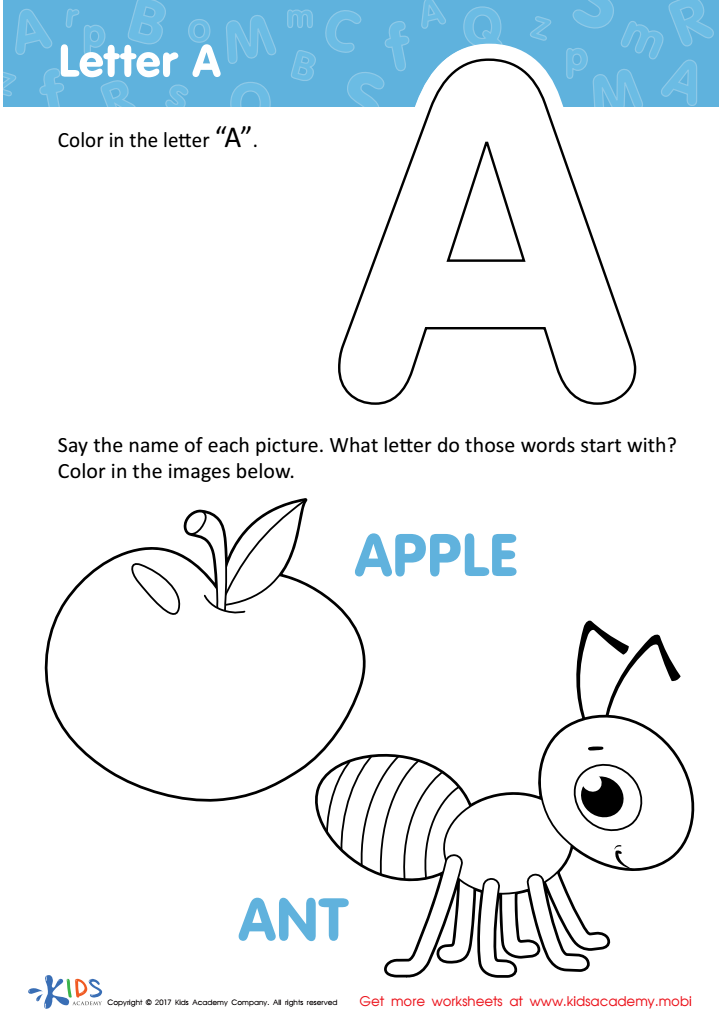
Letter A Coloring Sheet
Assign to My Students
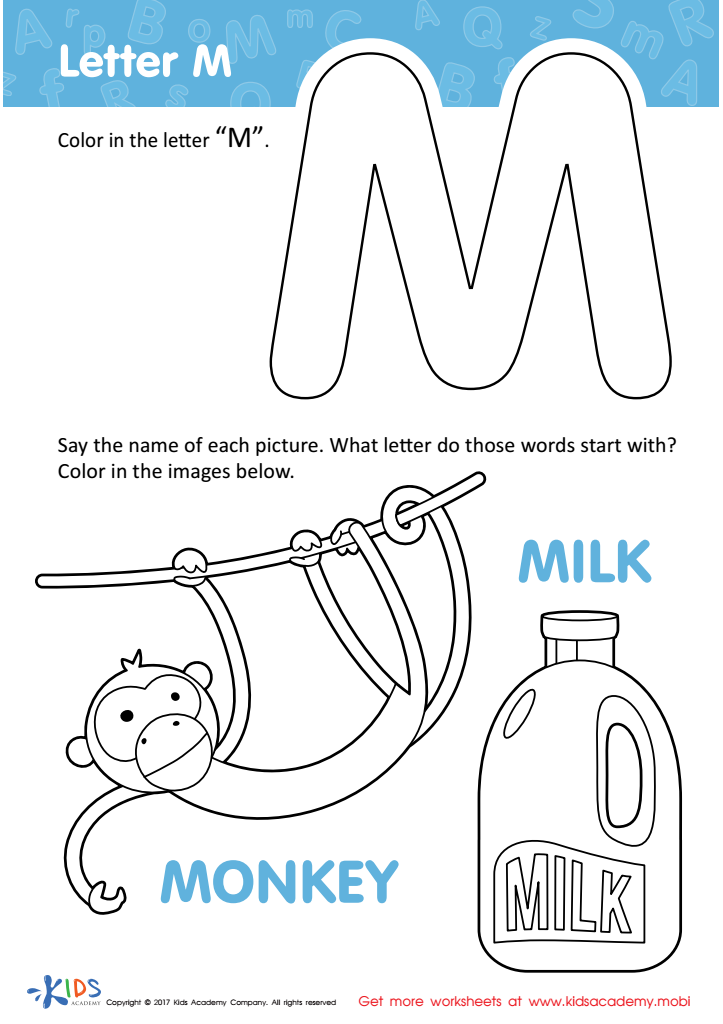
Letter M Coloring Sheet
Assign to My Students
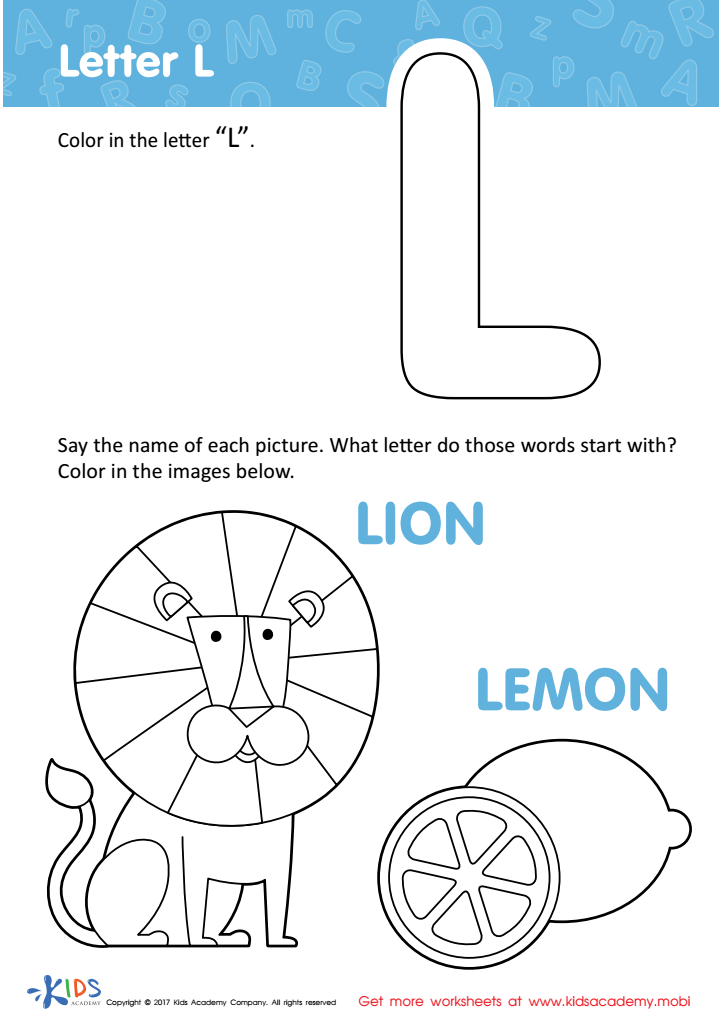
Letter L Coloring Sheet
Assign to My Students
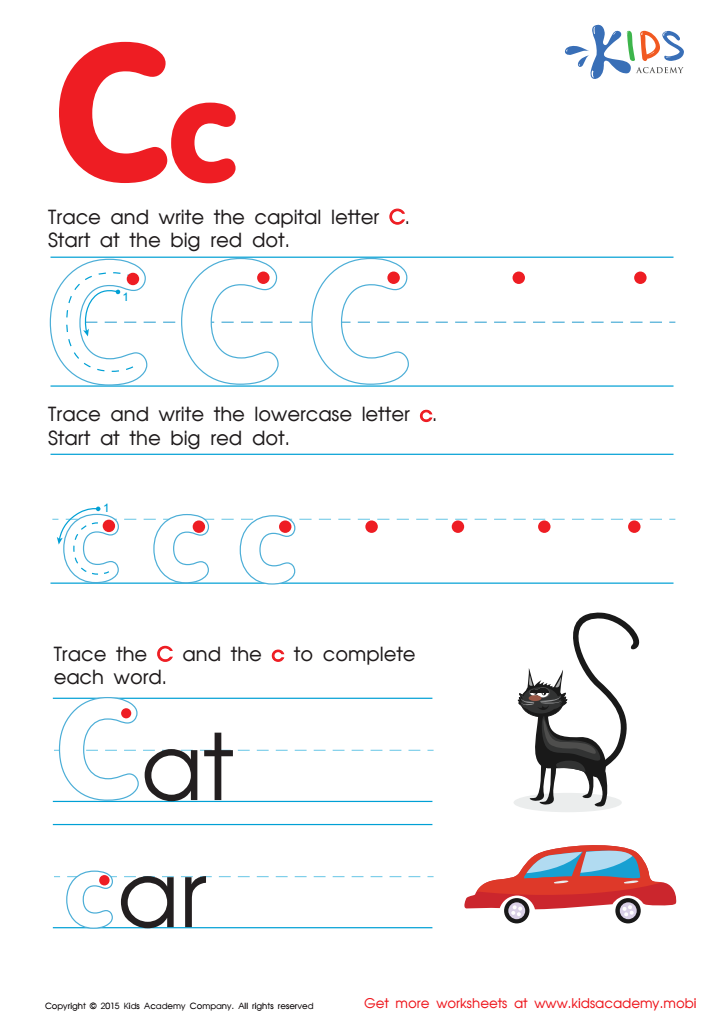
Letter C Tracing Page
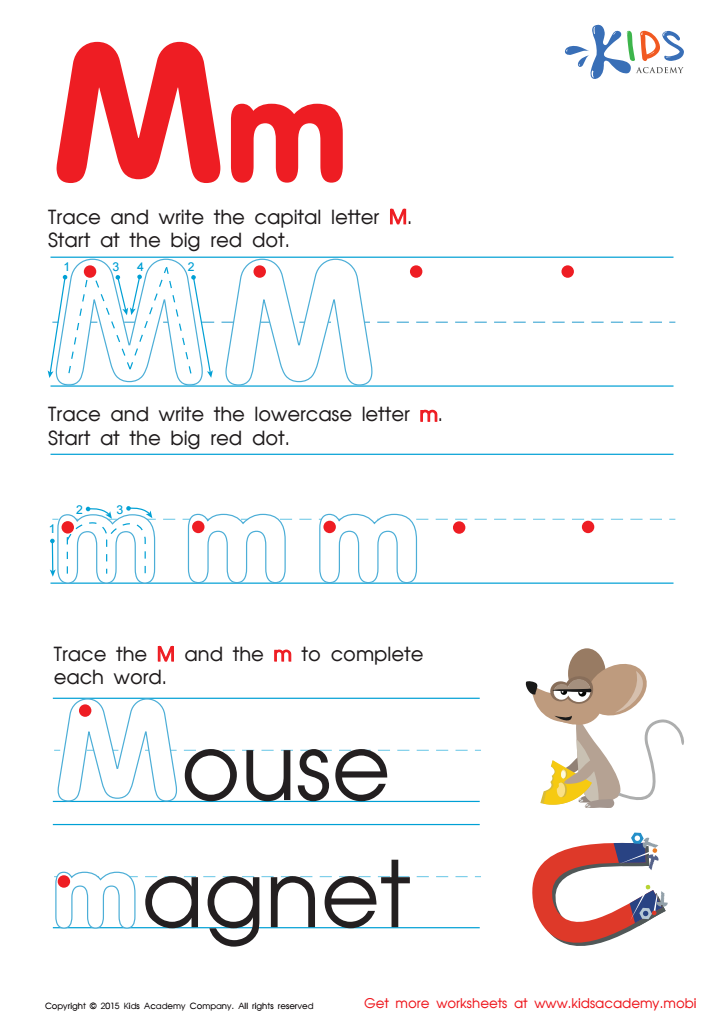
Letter M Tracing Page
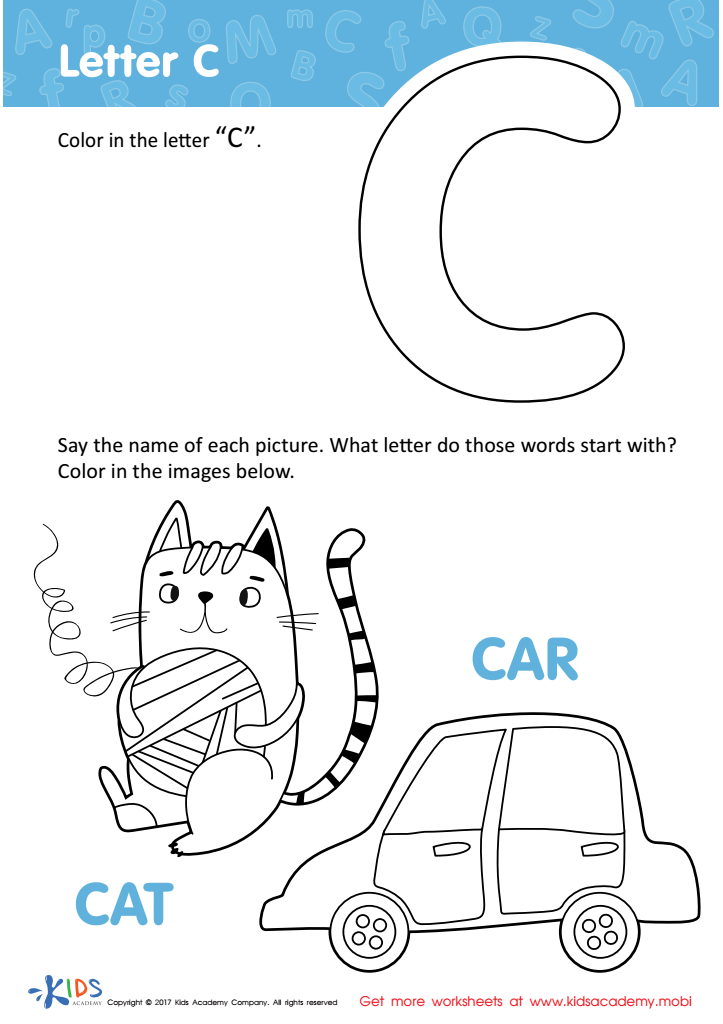
Letter C Coloring Sheet
Assign to My Students
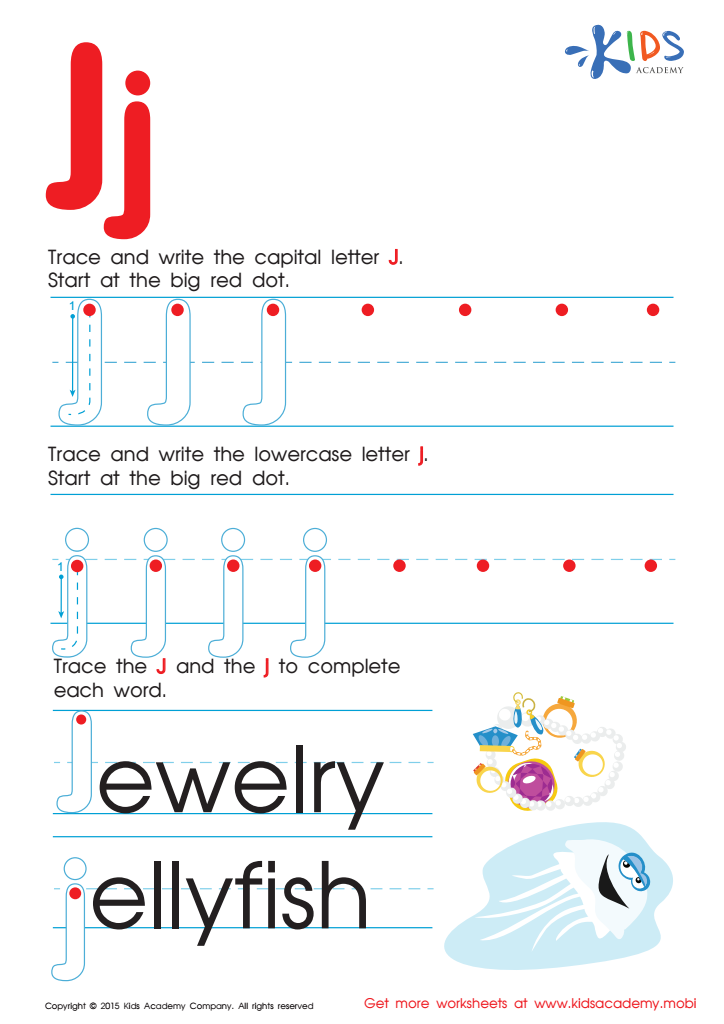
Letter J Tracing Page
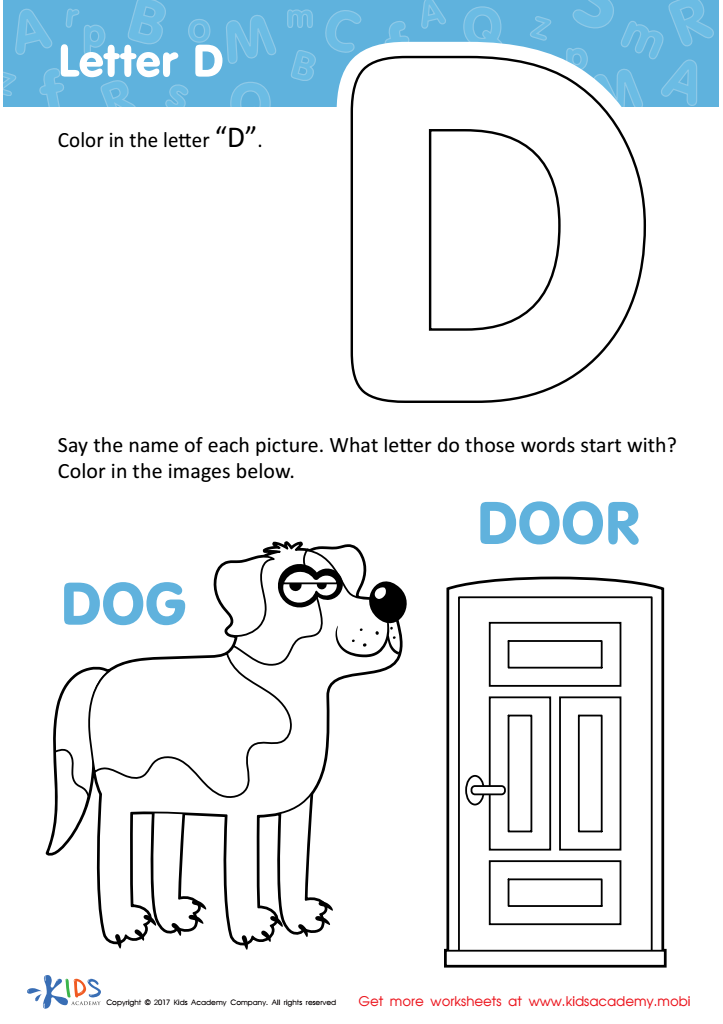
Letter D Coloring Sheet
Assign to My Students
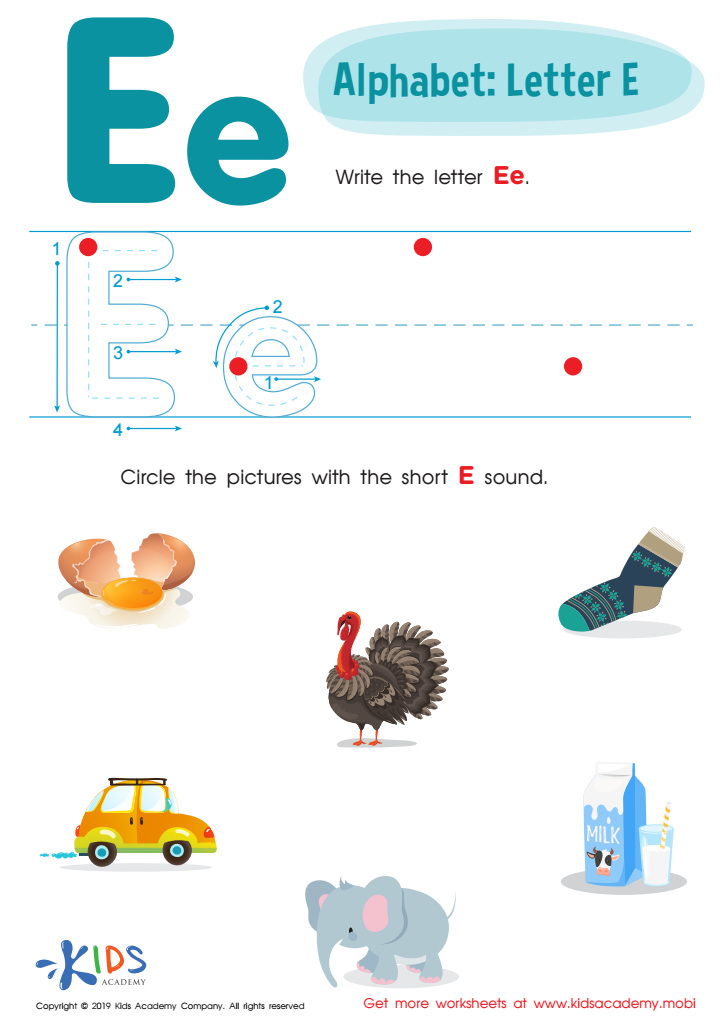
Letter E Tracing Worksheet
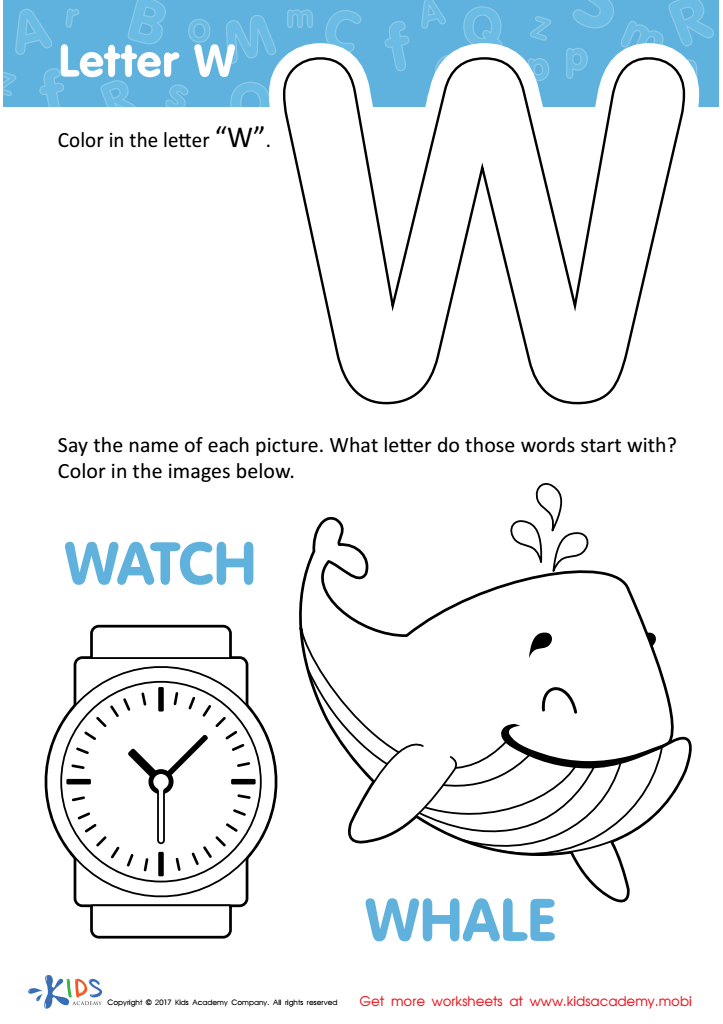
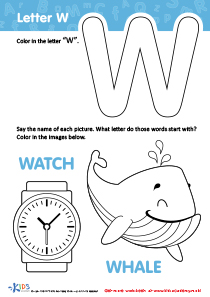
Letter W Coloring Sheet
Assign to My Students
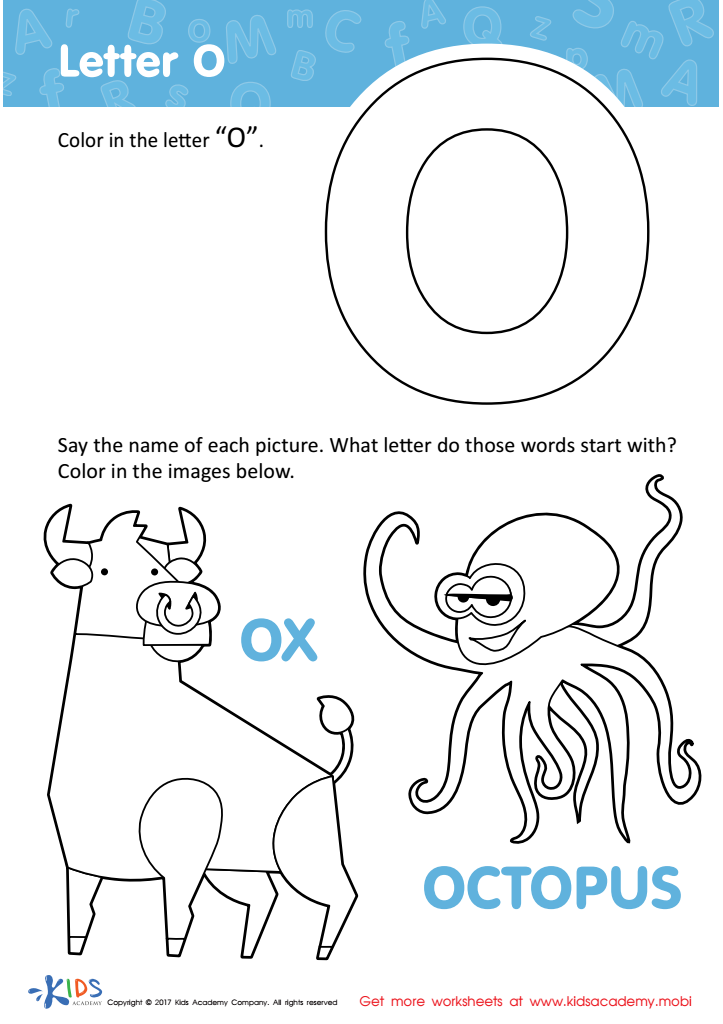
Letter O Coloring Sheet
Assign to My Students
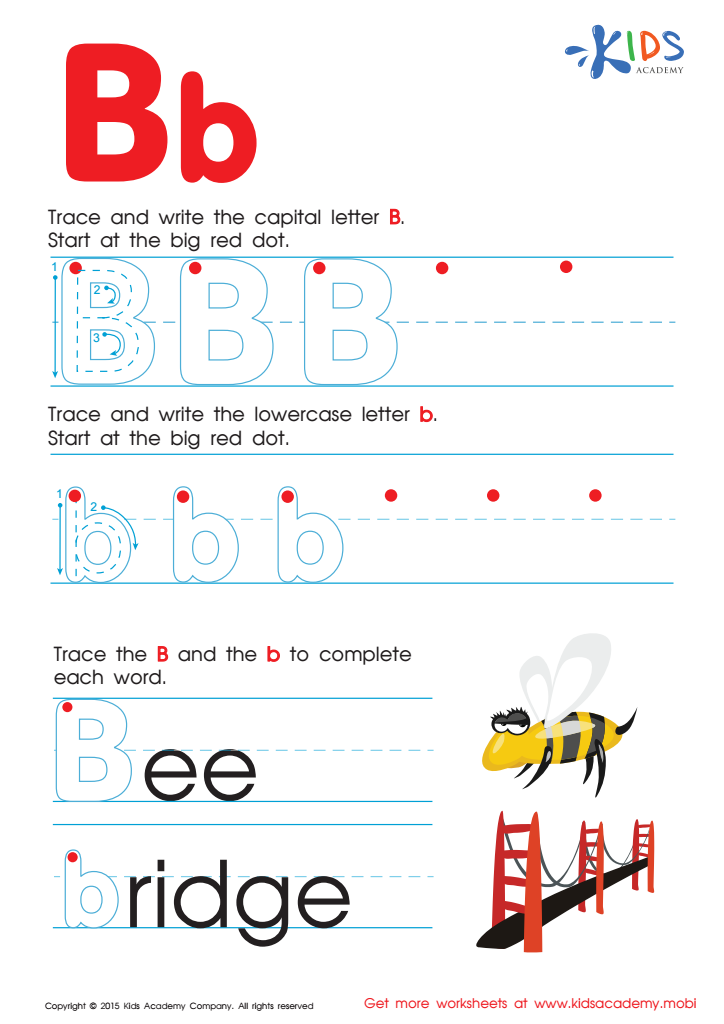
Letter B Tracing Page
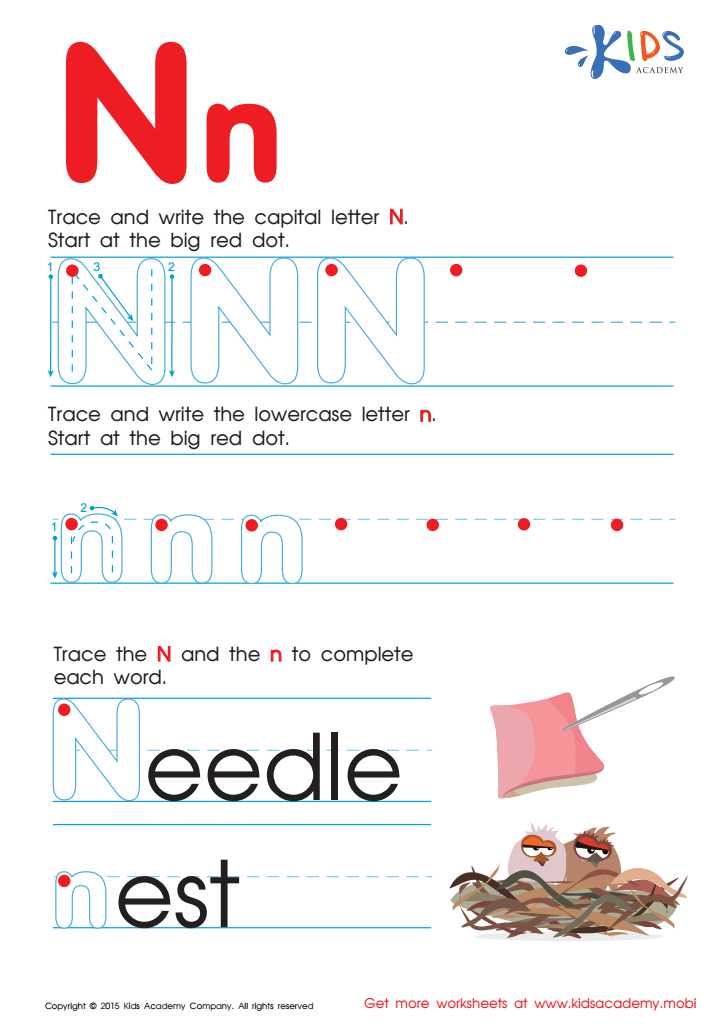
Letter N Tracing Page
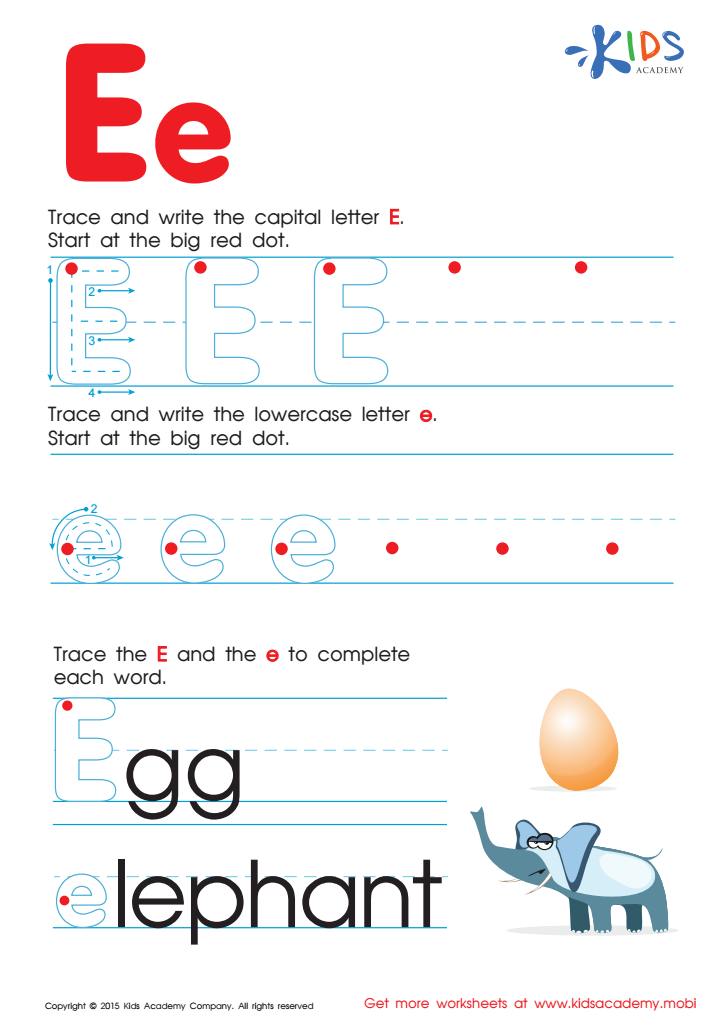
Letter E Tracing Page
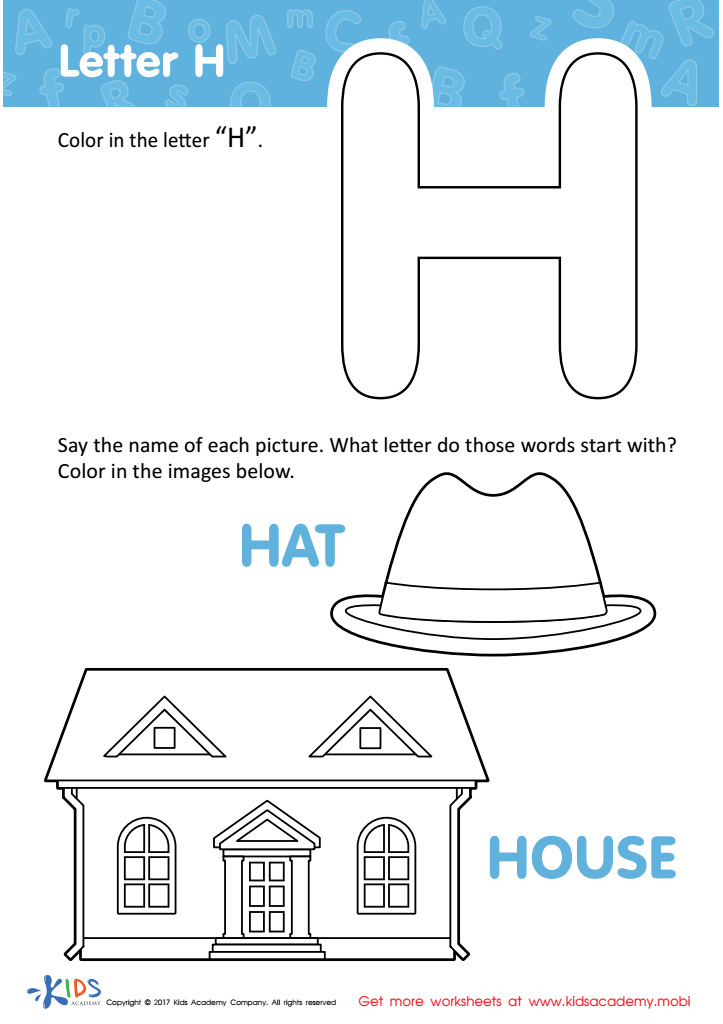
Letter H Coloring Sheet
Assign to My Students
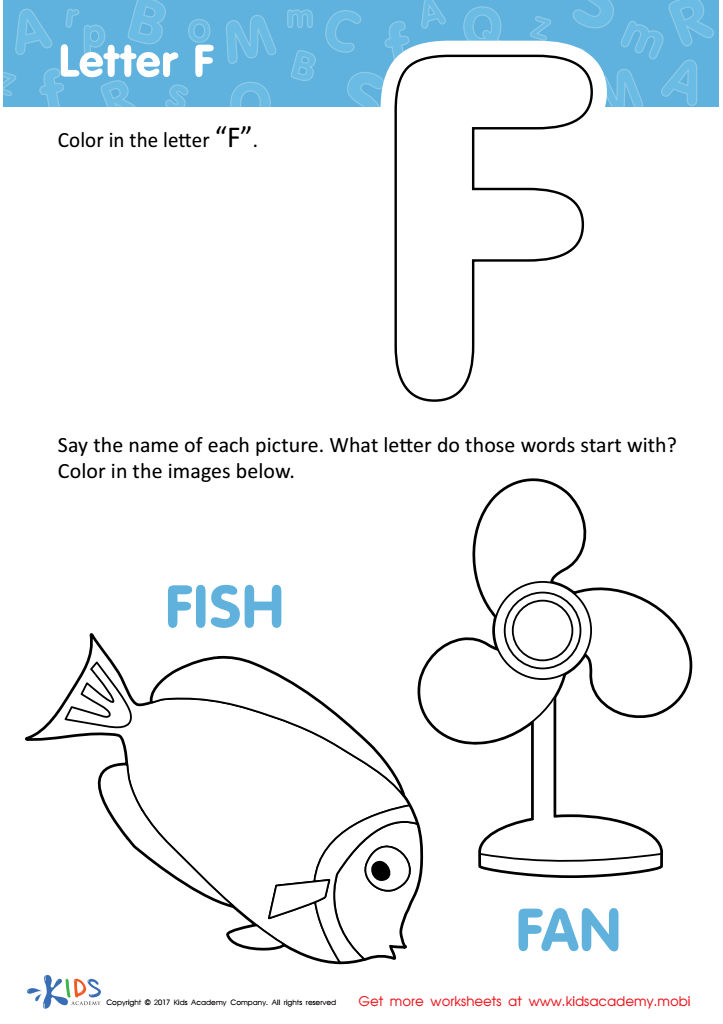
Letter F Coloring Sheet
Assign to My Students








Alphabet recognition is a fundamental skill that serves as the cornerstone of literacy for young learners. Parents and teachers should be deeply invested in ensuring that students achieve the necessary proficiency as outlined in the grade 3 alphabet recognition standards because it has far-reaching implications for a child's educational development.
At its core, alphabet recognition refers to the ability to identify and understand the letters of the alphabet in their various forms (uppercase, lowercase) and contexts. This skill is crucial for reading and writing fluency. By the third grade, students are expected to not only recognize individual letters but also to understand their phonetic sounds and how they come together to form words. This knowledge is essential for decoding words and contributes directly to reading comprehension and mastery.
Early proficiency in alphabet recognition can prevent future reading difficulties and contribute to a smoother learning progression in subsequent grades. It lays the groundwork for more complex literacy skills, such as spelling, grammar, and the ability to infer meaning from text.
For parents, supporting their child’s development in this area fosters a lifelong love of reading and learning. For teachers, it builds a classroom environment where students feel confident and capable, creating a positive feedback loop that encourages academic success across all subjects.
Ensuring that students meet the expected standards by grade 3 sets them up for continued academic achievement and helps bridge any potential literacy gaps that could otherwise impede their educational journey.