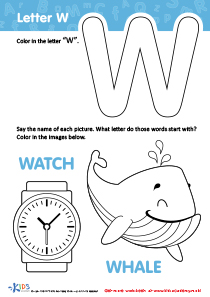
Fine Motor Skills Normal Grade 3 Alphabet Worksheets - Page 2
27 filtered results
-
From - To
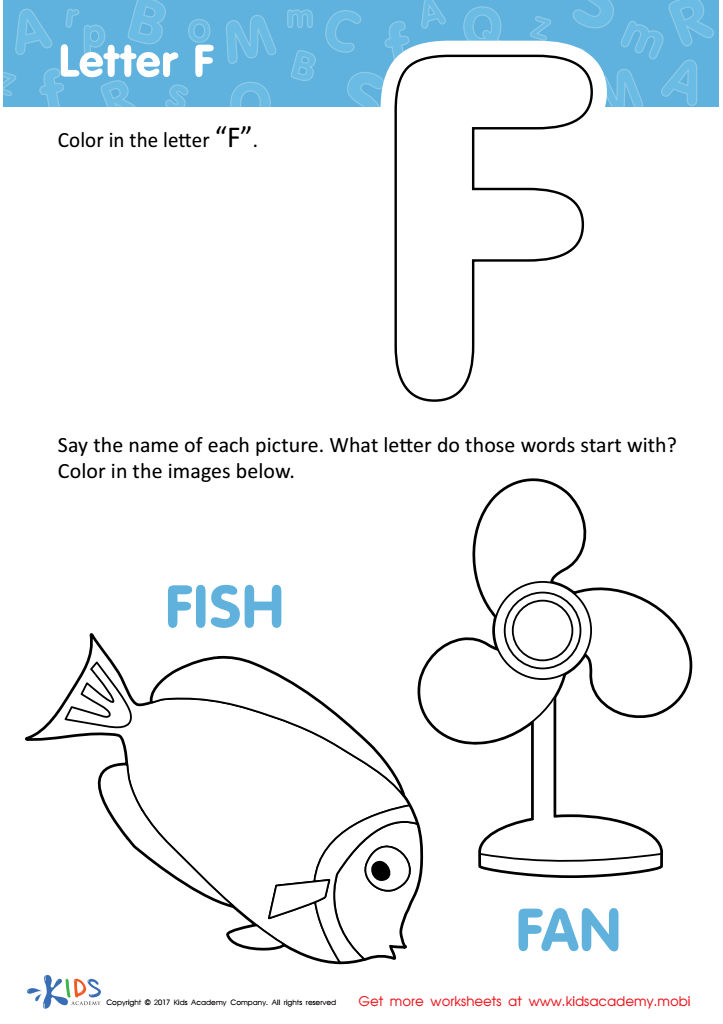
Letter F Coloring Sheet
 Assign to My Students
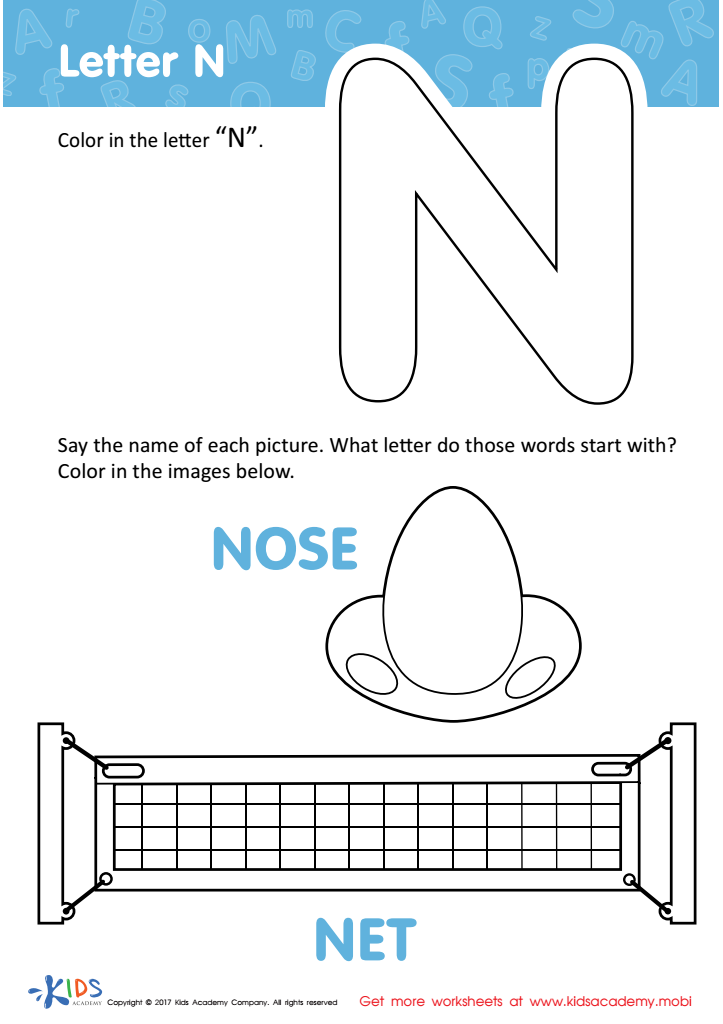
Letter N Coloring Sheet
Assign to My Students

Letter D Tracing Page








Fine motor skills are crucial for children's overall development, particularly by Grade 3, when they are refining their writing abilities and engaging in more complex tasks. These skills involve the coordination of small muscles in the hands and fingers, enabling children to perform activities such as writing letters, using scissors, and manipulating small objects.
Teachers and parents should care about fine motor skills development, as they directly impact a child's academic performance and daily functioning. In Grade 3, students are not only expected to write legibly but also to express ideas clearly through writing. Well-developed fine motor skills enhance a child's ability to form letters correctly and maintain proper spacing, which ultimately affects their confidence and enthusiasm for writing.
Furthermore, a lack of fine motor skill proficiency can lead to frustration and avoidance of tasks, which reinforces negative attitudes towards learning. By nurturing these skills through activities like cutting, drawing, or using interactive games, adults can support children in achieving academic success and building self-esteem. In essence, fostering fine motor skills not only aids in their present classroom achievements but also lays a foundation for lifelong learning and independence.