Hand-eye Coordination Normal Grade 3 Letter Recognition Worksheets
4 filtered results
-
From - To
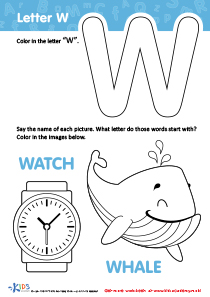
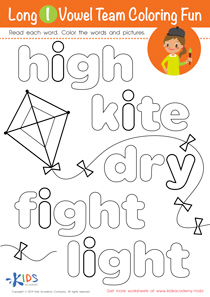
Enhance your third grader's learning experience with our Hand-eye Coordination Letter Recognition Worksheets. Designed specifically for grade 3, these engaging worksheets aim to bolster both reading skills and hand-eye coordination through fun activities. Students will enjoy identifying letters, tracing, and coloring, all while improving their dexterity and visual perception. Our carefully crafted exercises support personalized learning and prepare children for more advanced literacy tasks. Perfect for classroom use or at-home practice, these worksheets are a valuable resource for helping kids build confidence in their letter recognition skills. Download and watch your child thrive in their educational journey!
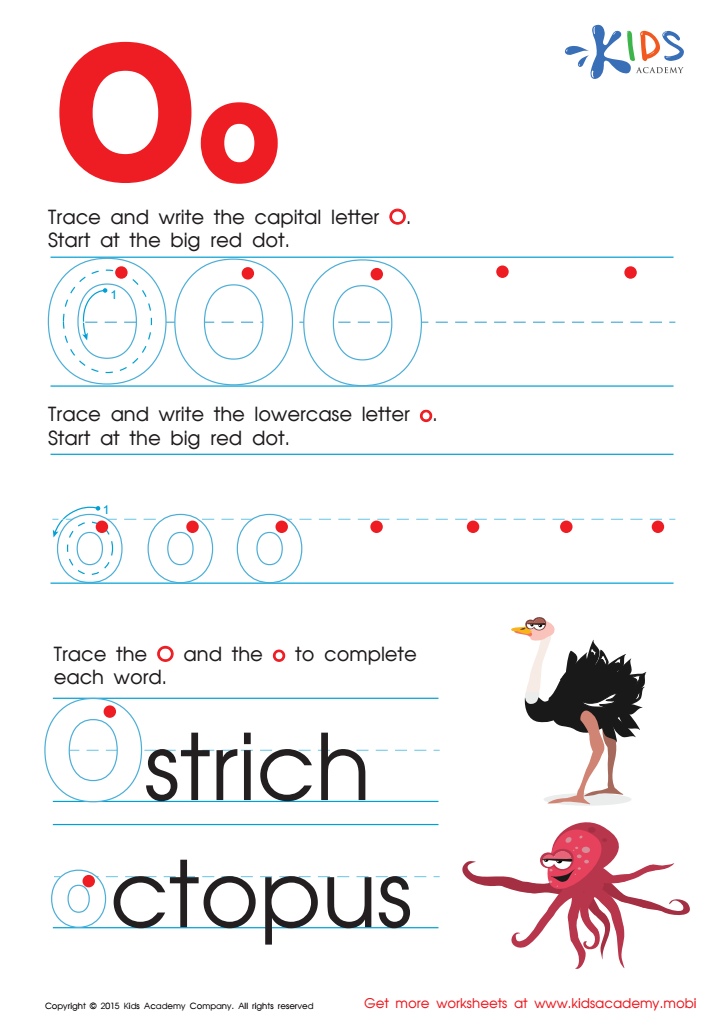
Letter O Tracing Page
 Assign to My Students
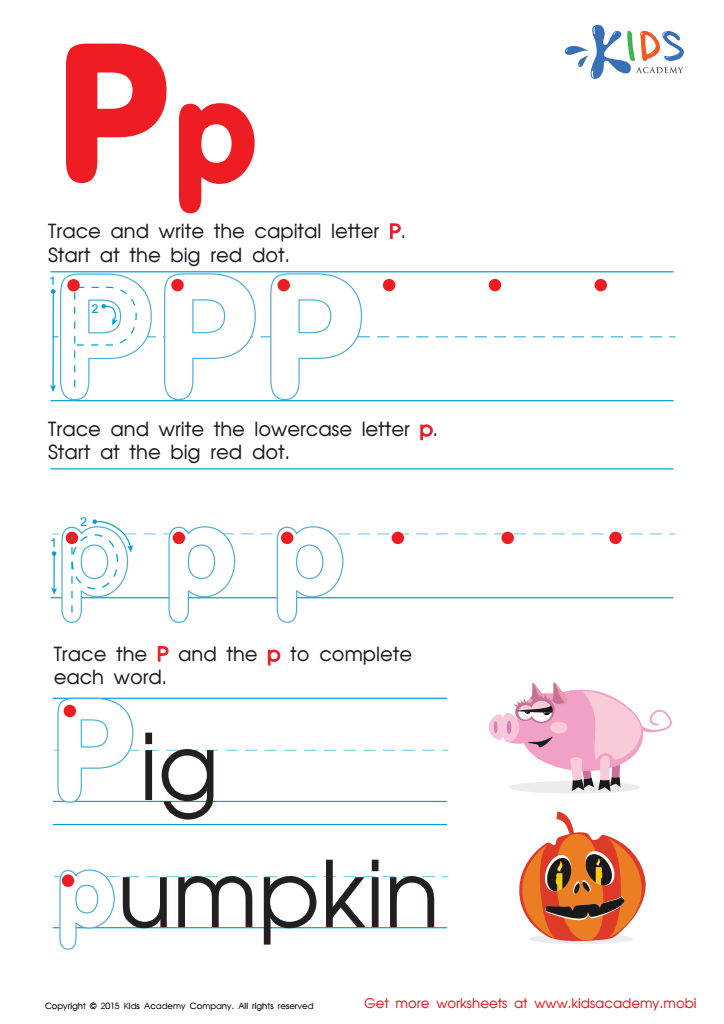
Letter P Tracing Page

Letter H Tracing Page
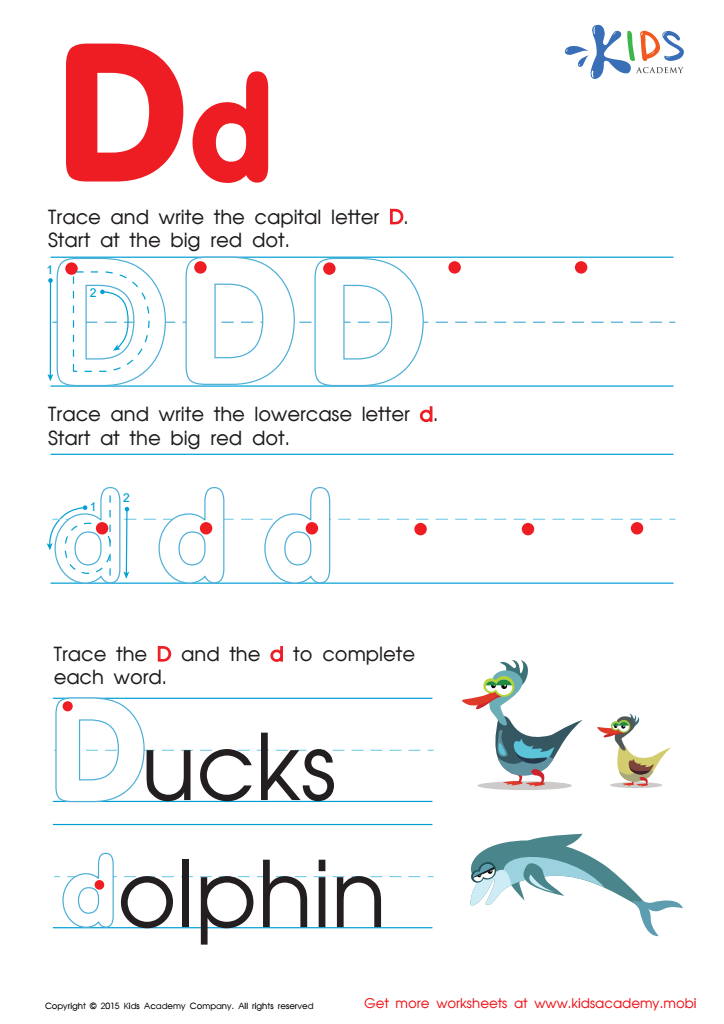
Letter D Tracing Page





Hand-eye coordination plays a vital role in a child's development, especially in grade 3, where letter recognition is crucial for reading and writing. This skill is essential as it helps children link visual cues with motor skills, enabling them to write letters correctly, read fluently, and engage fully in classroom activities. When children struggle with hand-eye coordination, they may find it challenging to grip a pencil properly, follow along while reading, or form letters legibly. These challenges can lead to frustration and affect their confidence and academic performance.
Moreover, letter recognition is foundational for literacy development. As children learn to identify and manipulate letters, they build the skills needed for phonics, spelling, and eventually, comprehension. Parents and teachers play a significant role in providing activities that strengthen both hand-eye coordination and letter recognition. Engaging in fun exercises, such as tracing letters, playing with building blocks, or participating in interactive games, can foster these skills.
Supporting children in mastering hand-eye coordination and letter recognition not only enhances their academic success but also nurtures a lifelong love of learning. Consequently, it is essential for parents and teachers to recognize and address these developmental areas early on.