Alphabet Recognition Normal Grade 3 English for Beginners Worksheets
19 filtered results
-
From - To
Enhance your Grade 3 English learners' skills with our engaging Alphabet Recognition worksheets designed specifically for beginners. These printable resources not only help students familiarize themselves with letters but also improve their vocabulary and phonetics in a fun and interactive way. Each worksheet is thoughtfully crafted to cater to different learning styles, ensuring all students can thrive. From matching letters to identifying objects that start with each letter, these activities encourage active participation. Perfect for classroom use or at-home practice, our worksheets provide a solid foundation for young learners to build confidence in their English language skills. Start your journey to literacy today!
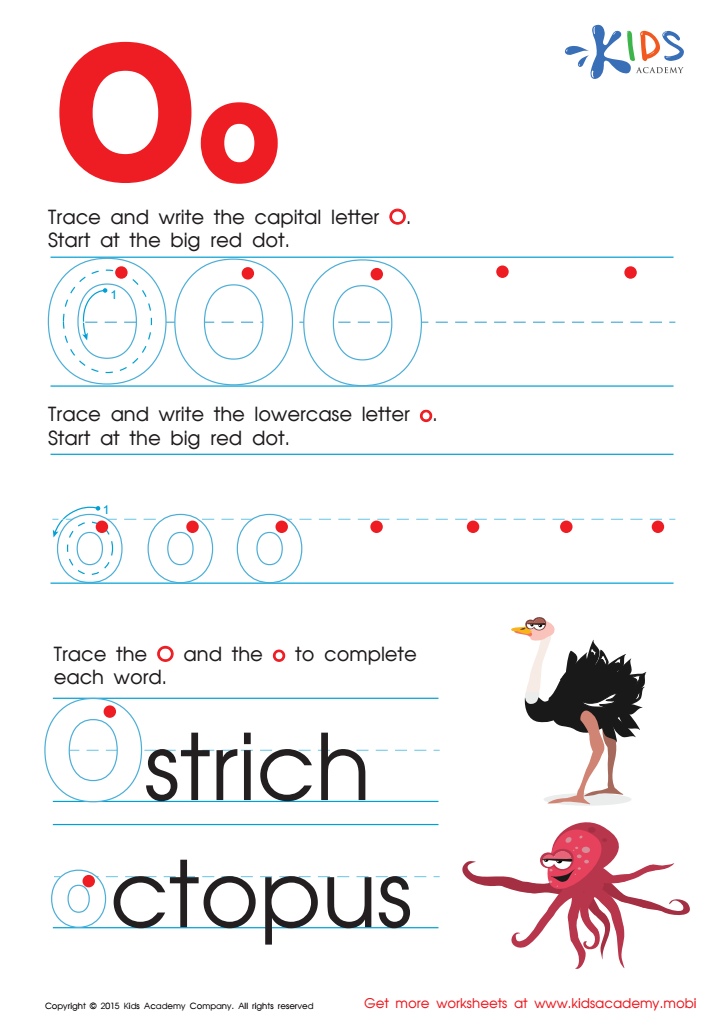
Letter O Tracing Page
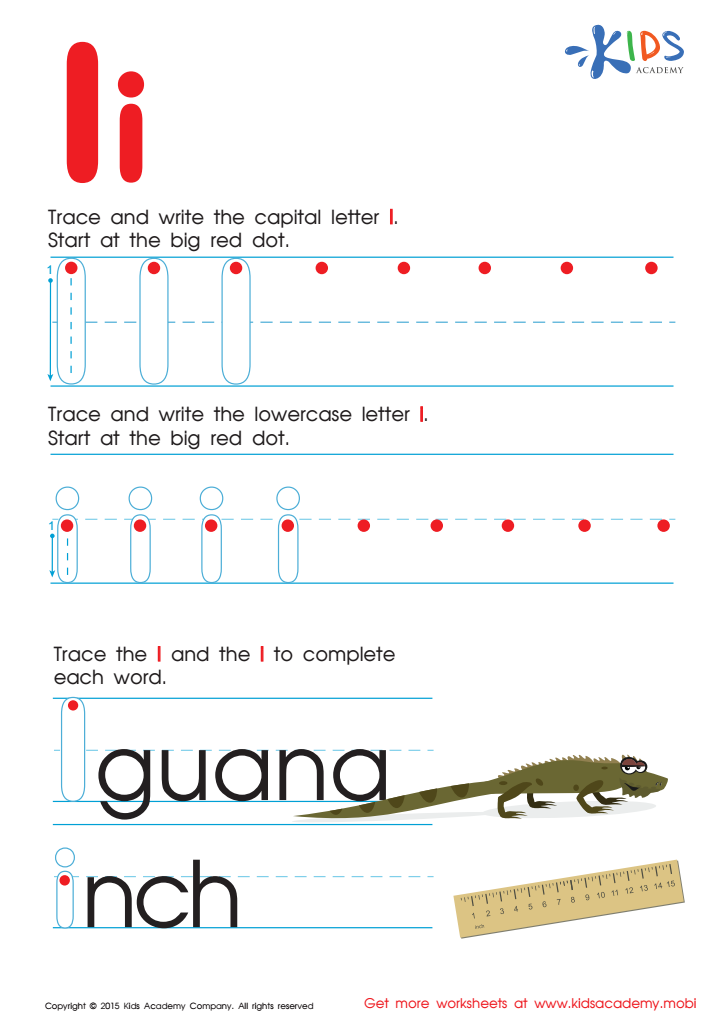
Letter I Tracing Page
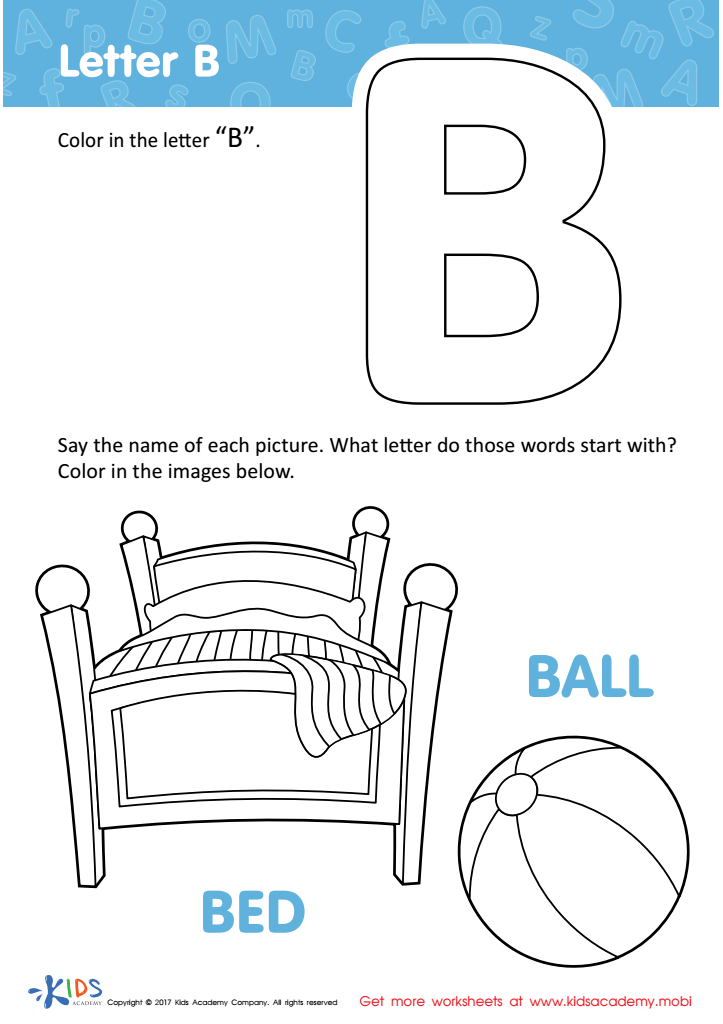
Letter B Coloring Sheet
 Assign to My Students
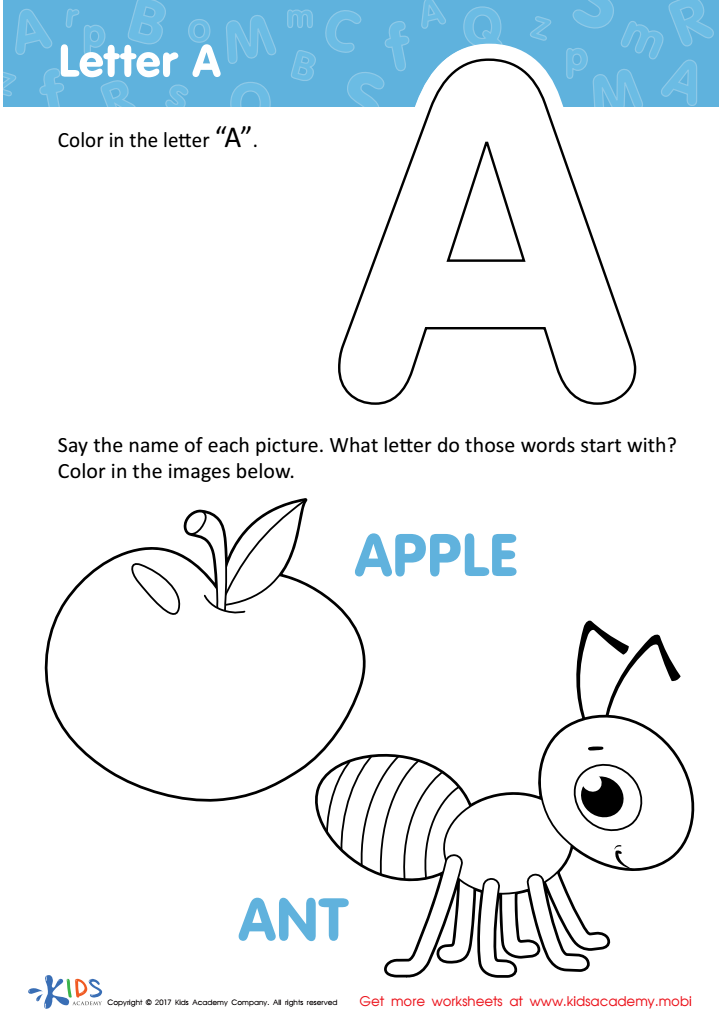
Letter A Coloring Sheet
Assign to My Students
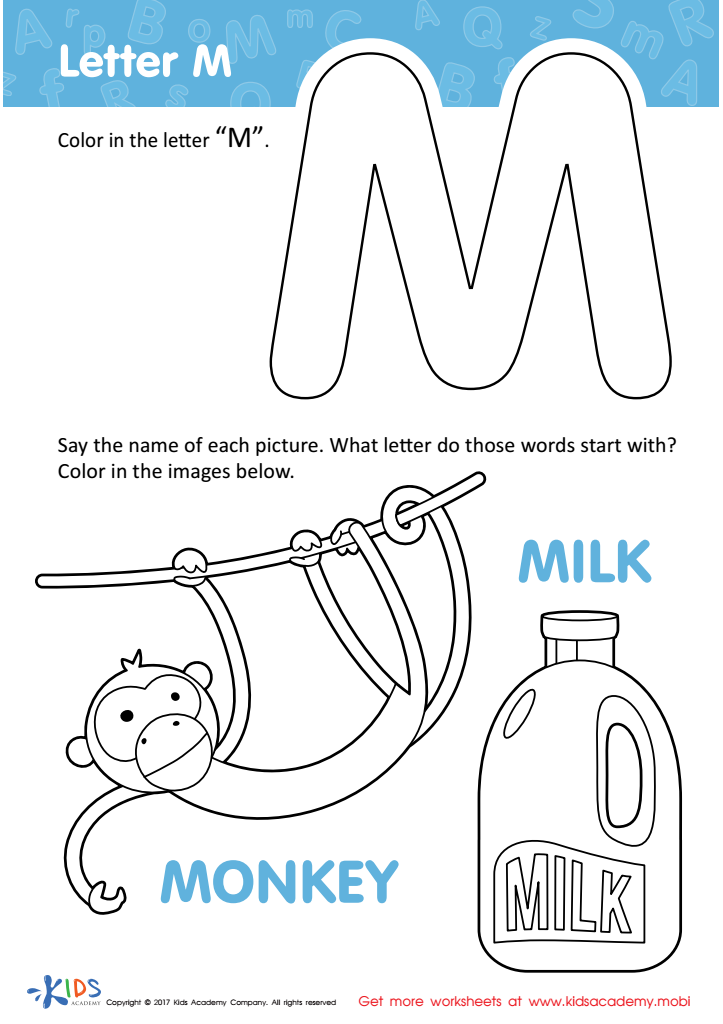
Letter M Coloring Sheet
Assign to My Students
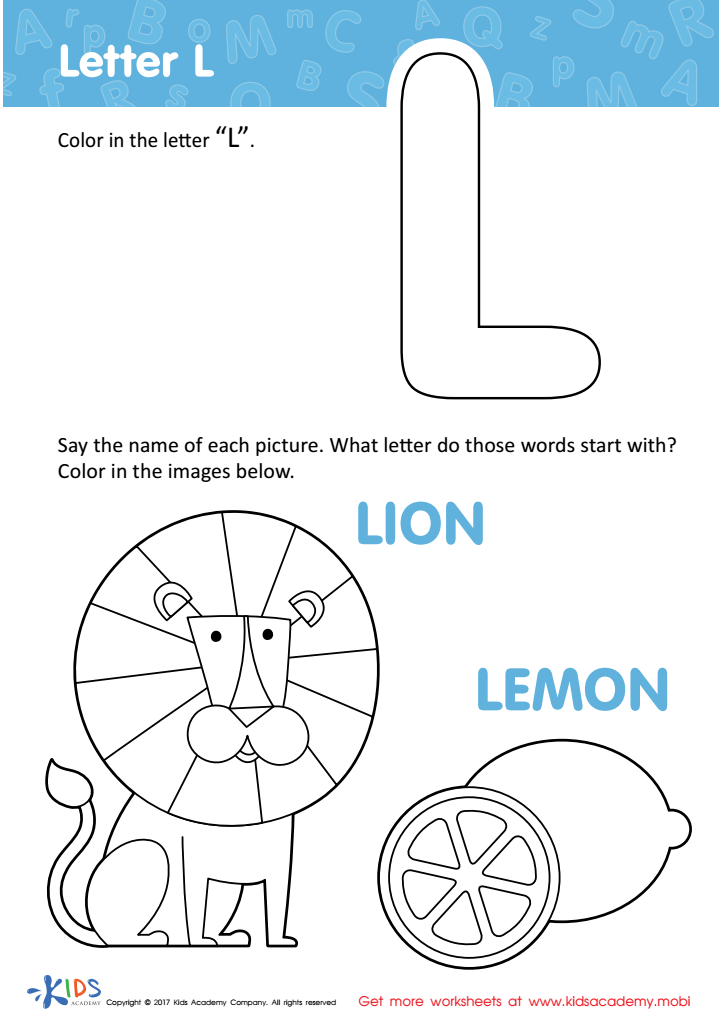
Letter L Coloring Sheet
Assign to My Students
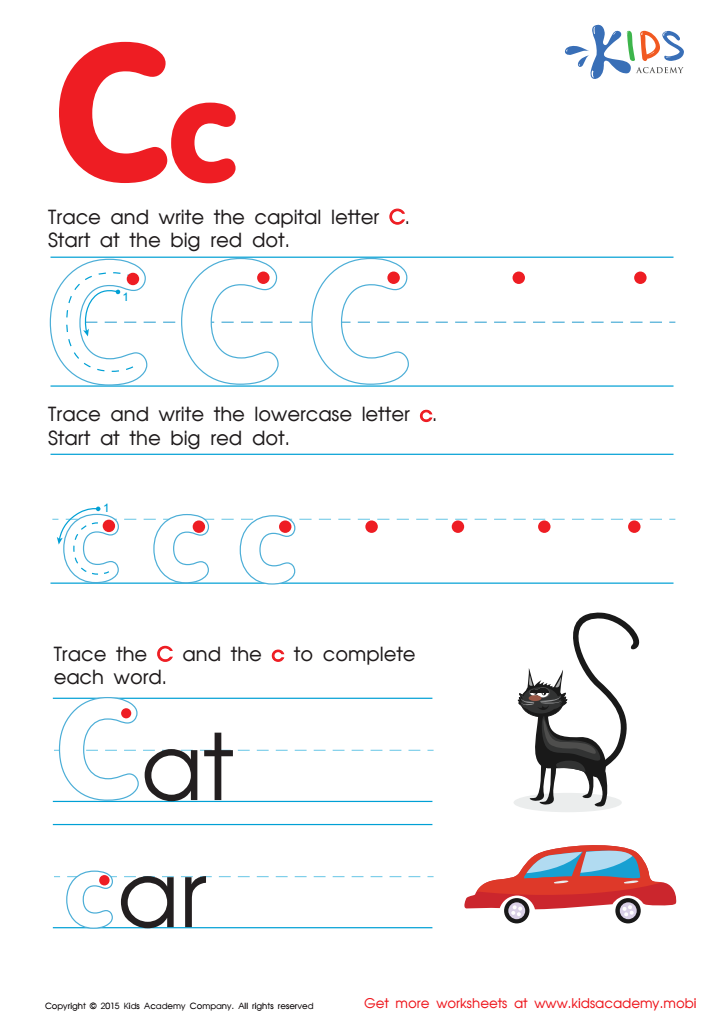
Letter C Tracing Page
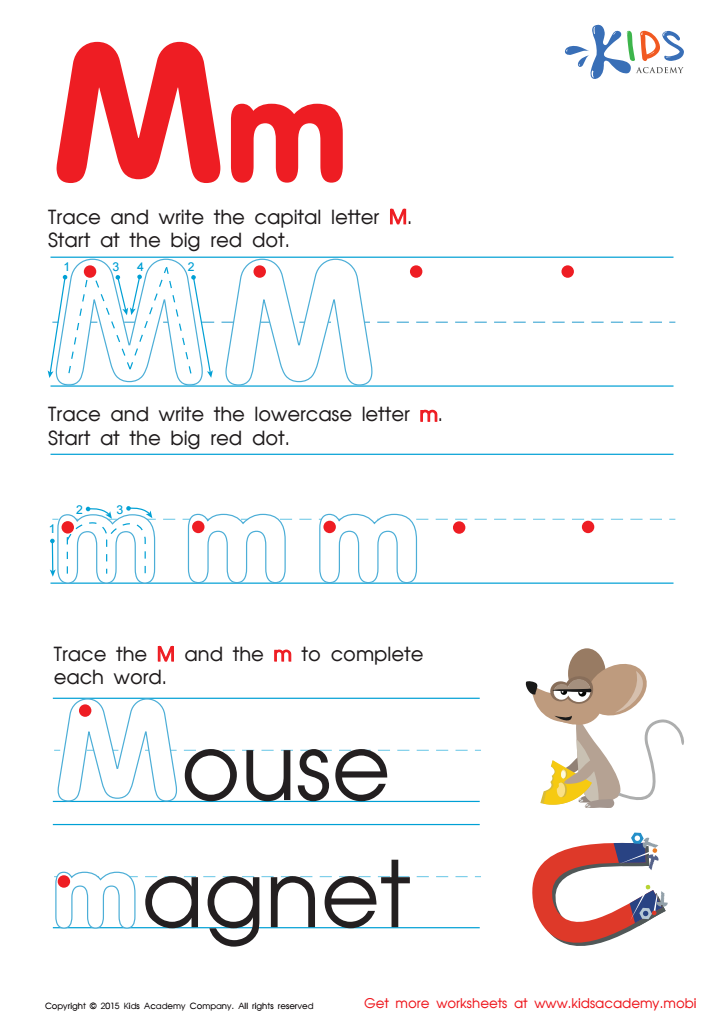
Letter M Tracing Page
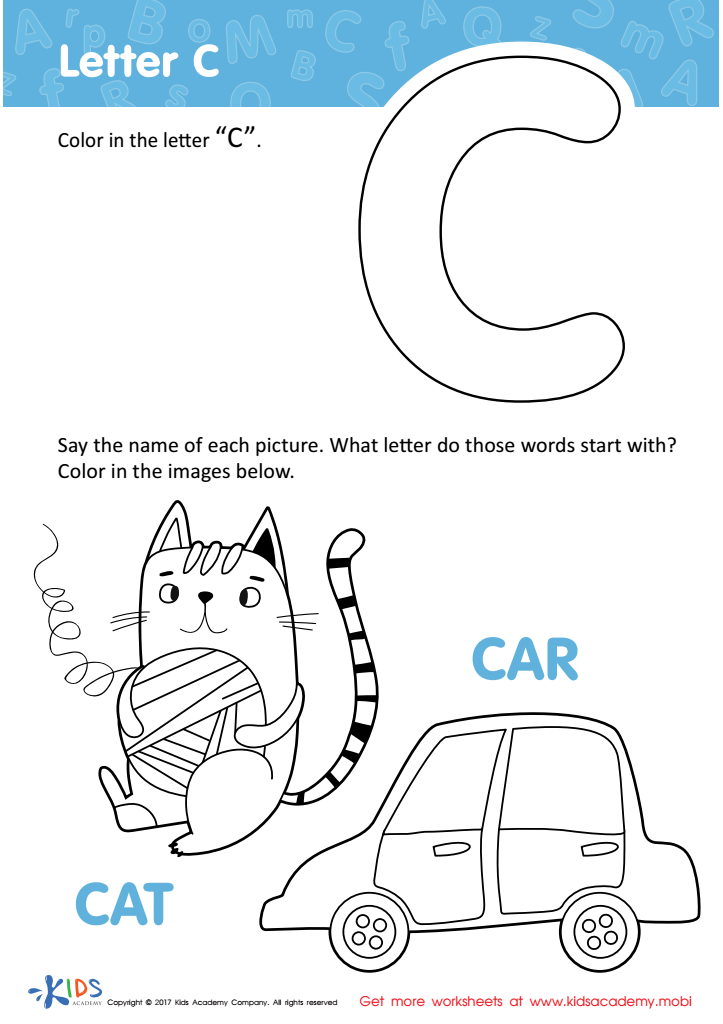
Letter C Coloring Sheet
Assign to My Students
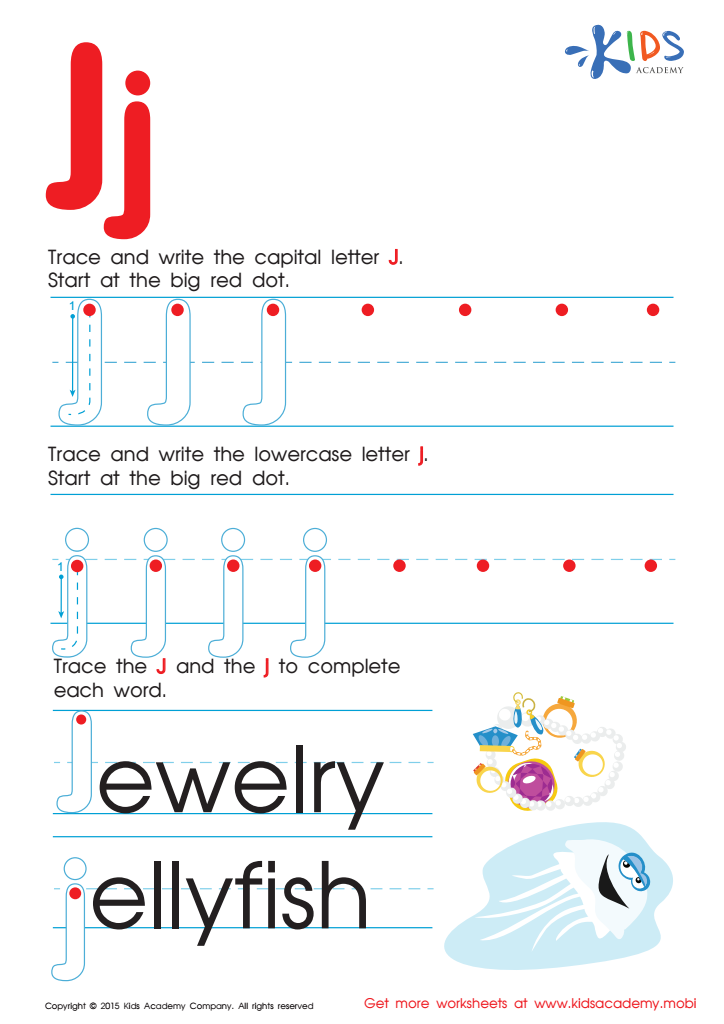
Letter J Tracing Page
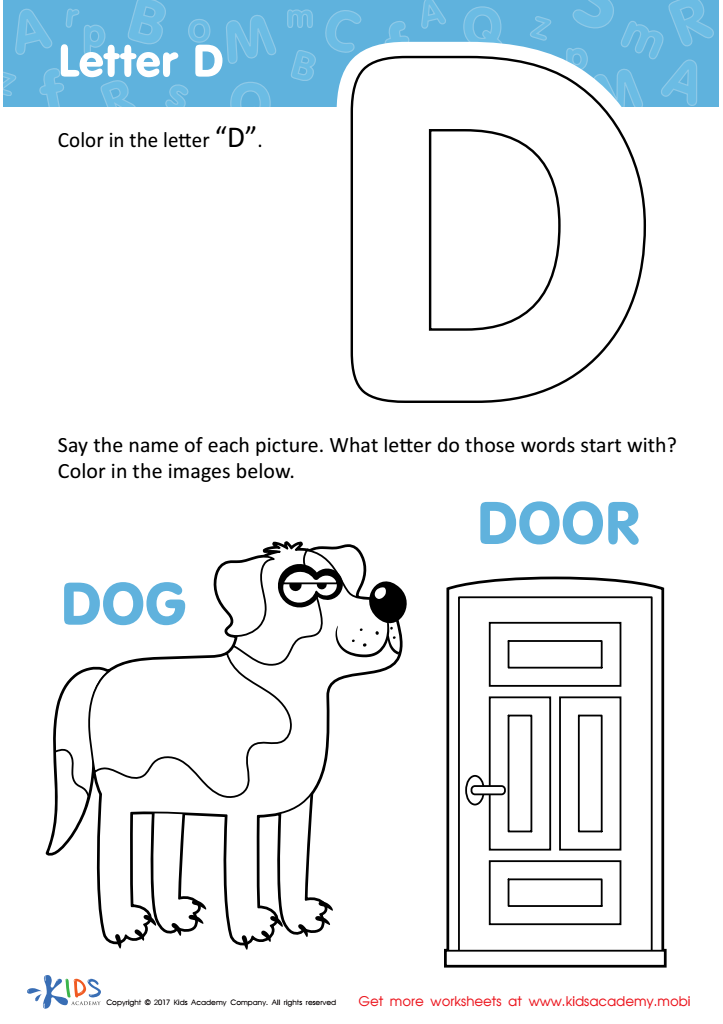
Letter D Coloring Sheet
Assign to My Students
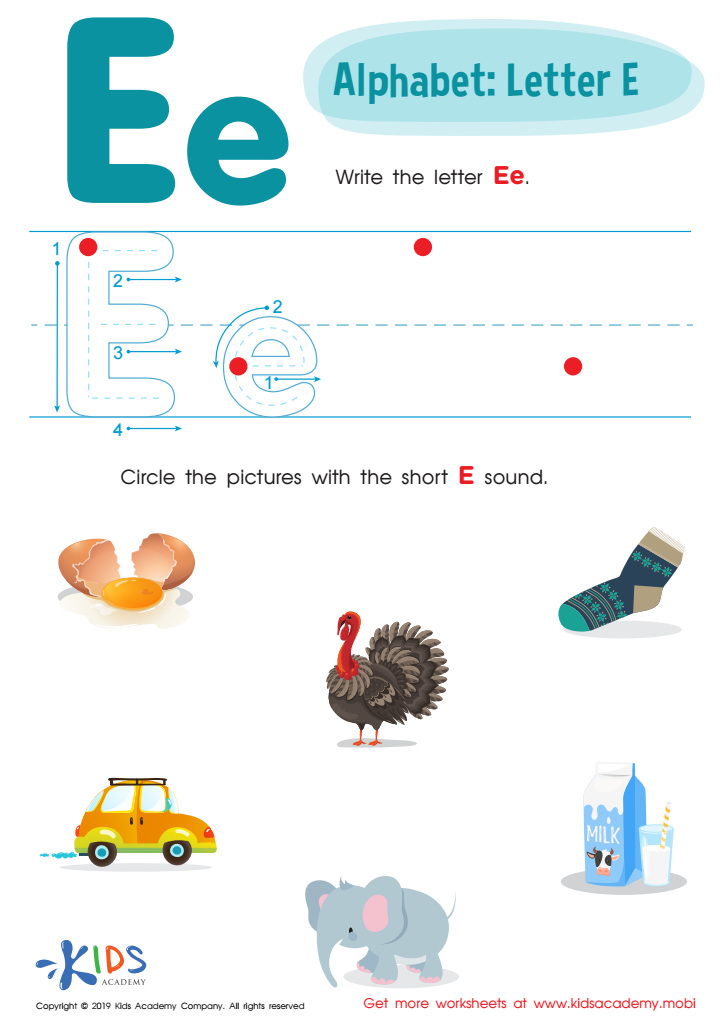
Letter E Tracing Worksheet
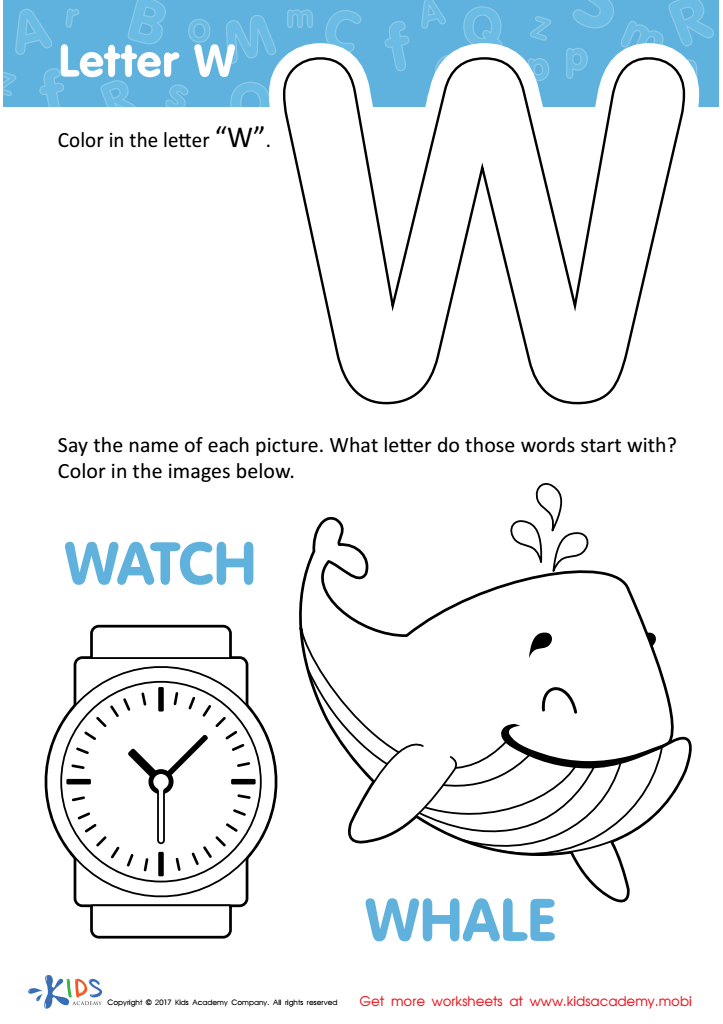
Letter W Coloring Sheet
Assign to My Students
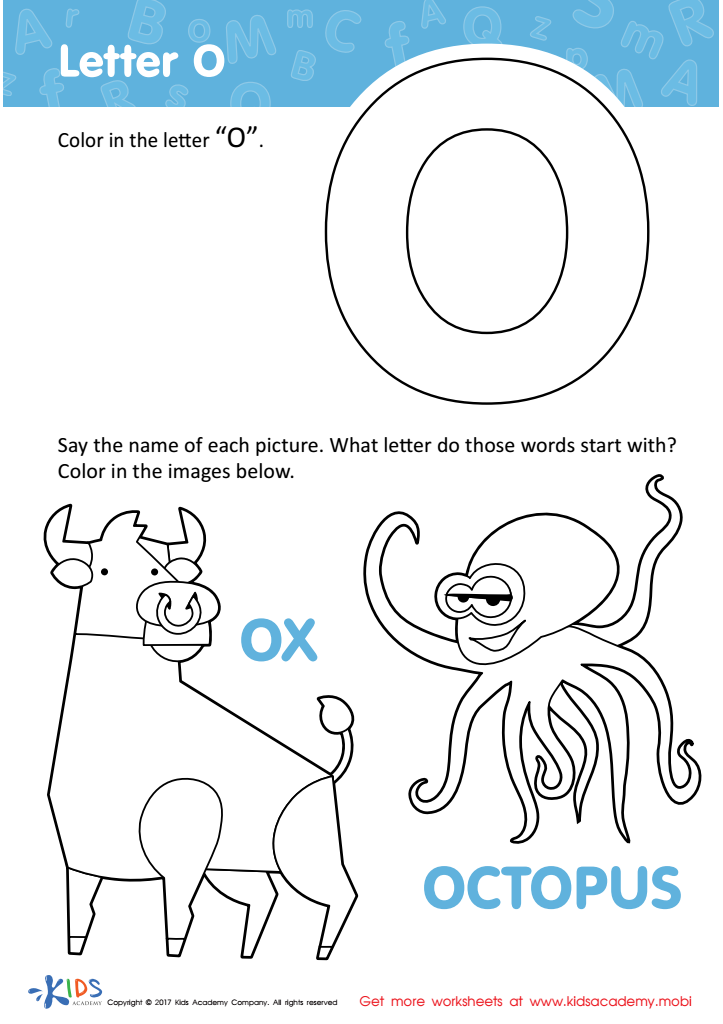
Letter O Coloring Sheet
Assign to My Students
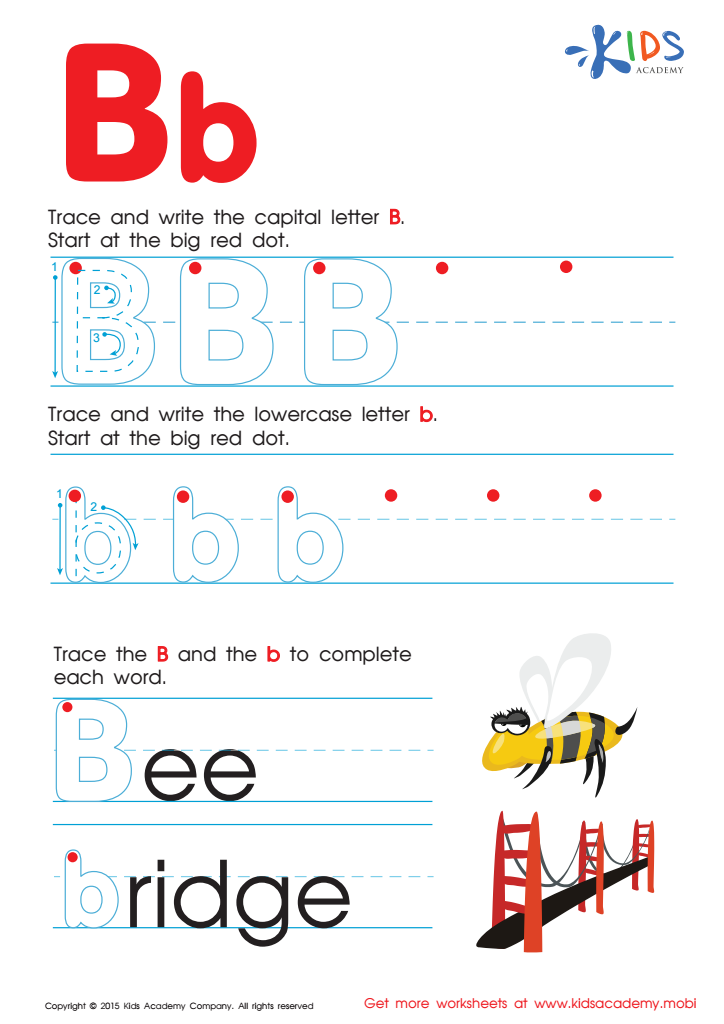
Letter B Tracing Page
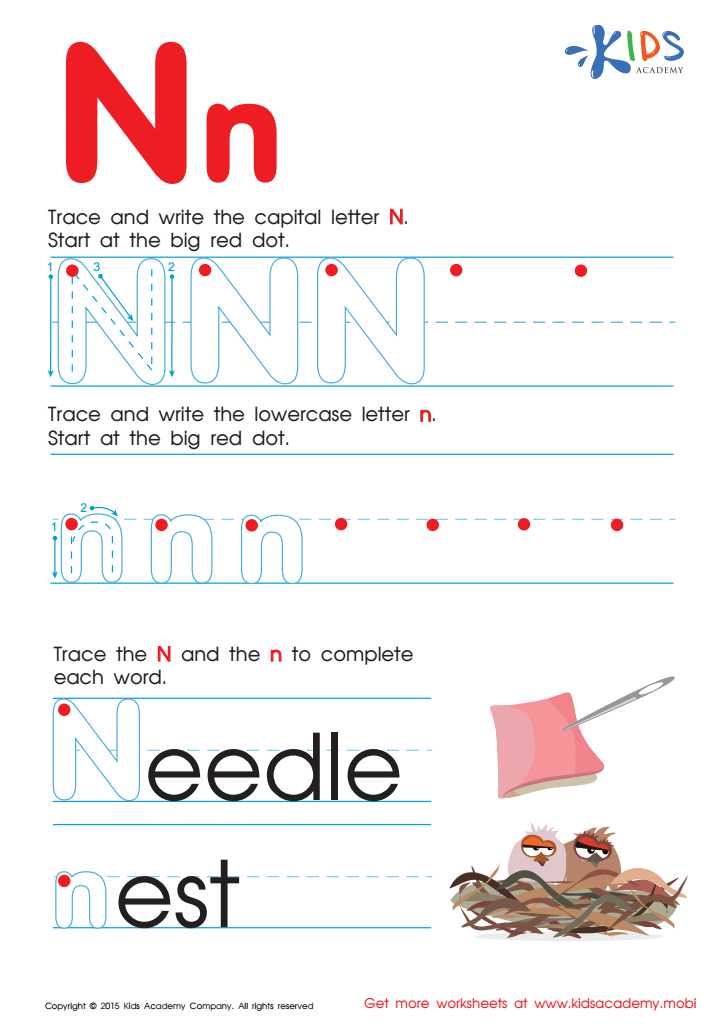
Letter N Tracing Page
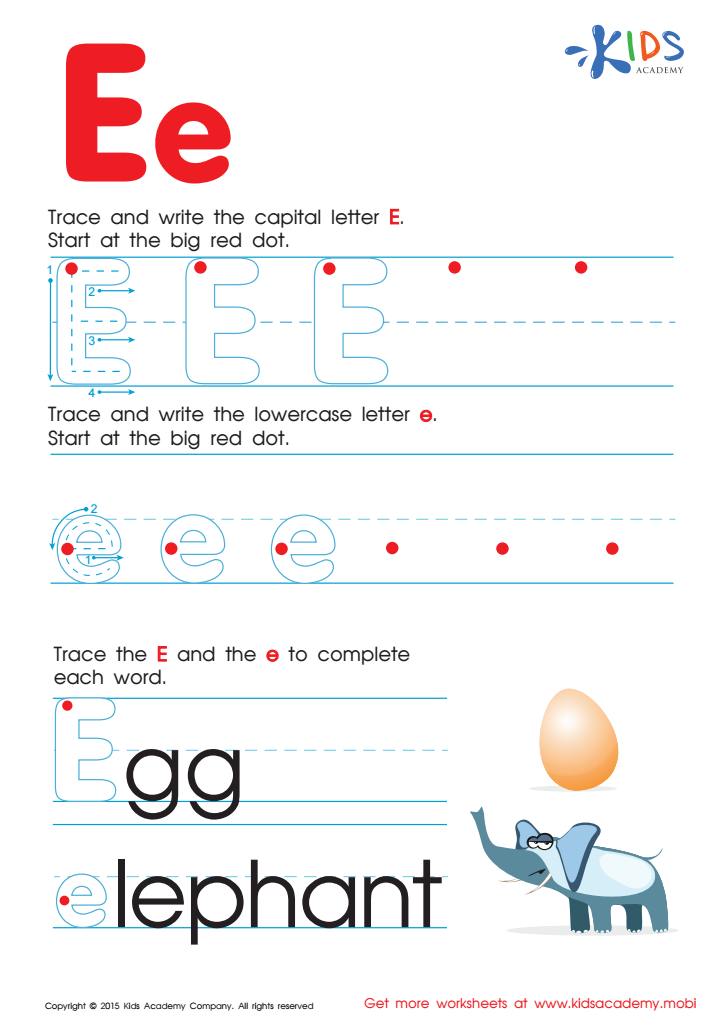
Letter E Tracing Page
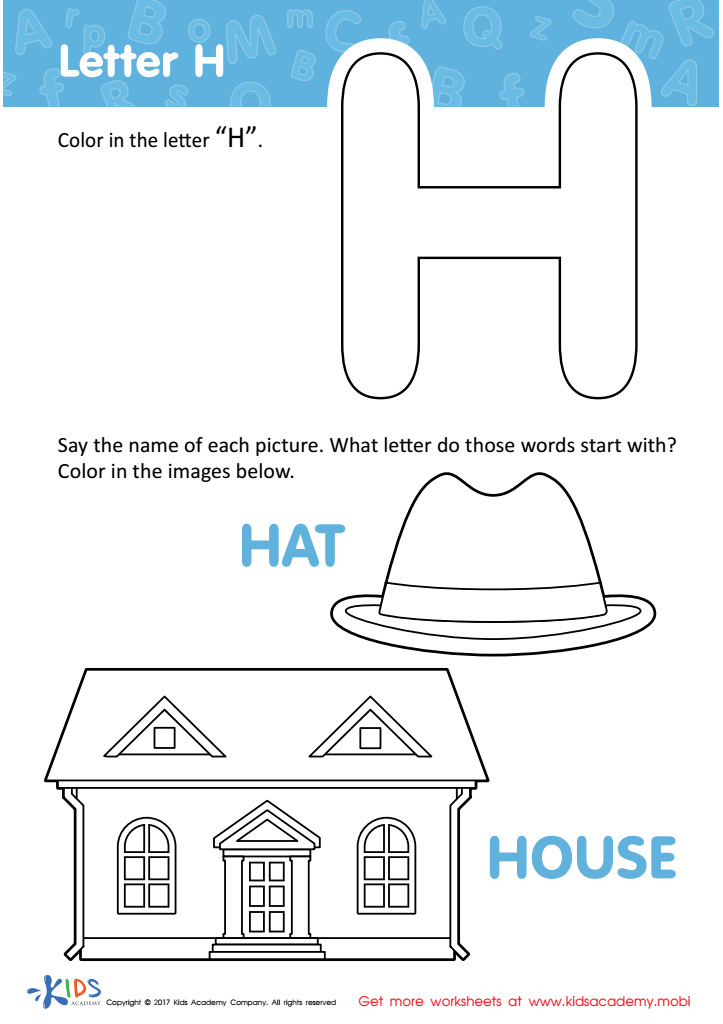
Letter H Coloring Sheet
Assign to My Students
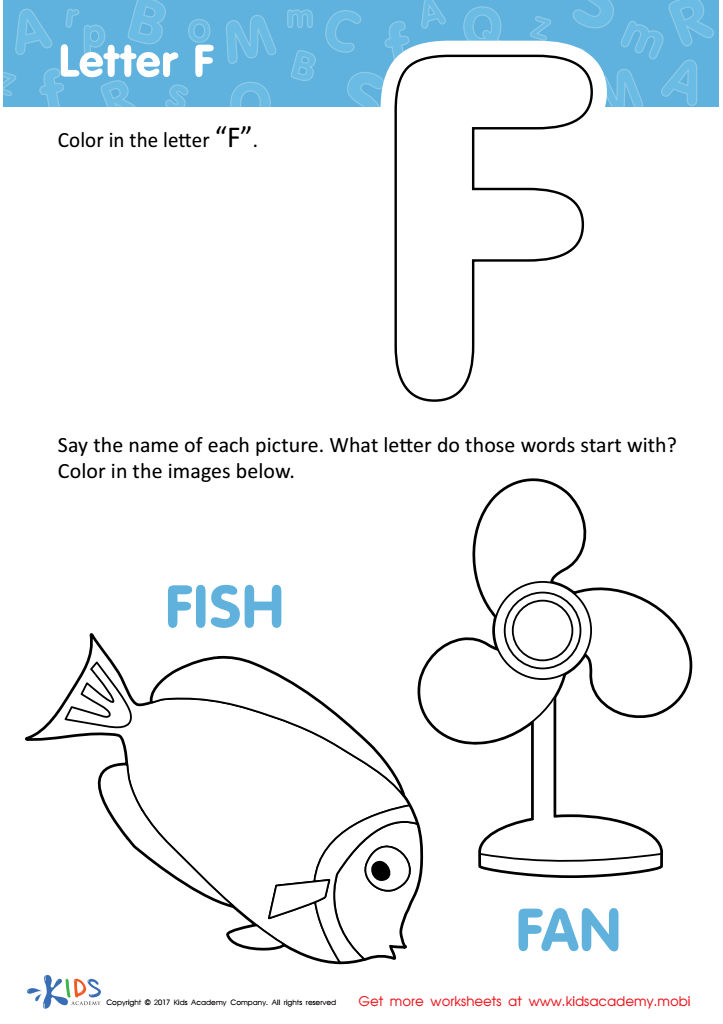
Letter F Coloring Sheet
Assign to My Students


Alphabet recognition is a fundamental building block for literacy development, especially for Grade 3 English learners. Parents and teachers should prioritize this skill because it directly impacts a child's reading and writing abilities. Recognizing letters and their corresponding sounds allows students to decode words, facilitating reading comprehension and fluency. Additionally, well-developed alphabet recognition enables learners to transition from phonics to more complex texts, enhancing their overall academic success.
Moreover, in a diverse educational environment, some students may face challenges due to varying language backgrounds. Fostering alphabet recognition helps create a solid foundation, giving every child an equal opportunity to thrive in reading activities. Engaging resources and fun, interactive methods can make this learning enjoyable and effective, captivating the interest of young learners.
Furthermore, alphabet skills encourage confidence in communication. As children gain proficiency in recognizing letters, they become more willing to participate in classroom discussions, participate in writing exercises, and share ideas. In essence, focusing on alphabet recognition equips students not only with critical literacy skills but also with the tools to express themselves and engage with the world around them. Thus, investing time and resources into alphabet recognition directly contributes to their future academic achievement and personal development.