Hand-eye Coordination Normal Grade 3 English for Beginners Worksheets
8 filtered results
-
From - To
Discover our "Hand-eye Coordination Normal Grade 3 English for Beginners Worksheets"! Designed to enhance learning while engaging students, these worksheets focus on developing essential hand-eye coordination skills through fun and interactive activities. Tailored for beginner English language learners, they incorporate colorful visuals and simple instructions to help children grasp fundamental concepts with ease. Each worksheet provides opportunities to practice writing, drawing, and following directions, reinforcing both language and coordination skills. Perfect for classroom use or at-home learning, our resources foster confidence and creativity in young learners. Unlock your student's potential and make learning enjoyable with our thoughtfully designed worksheets!
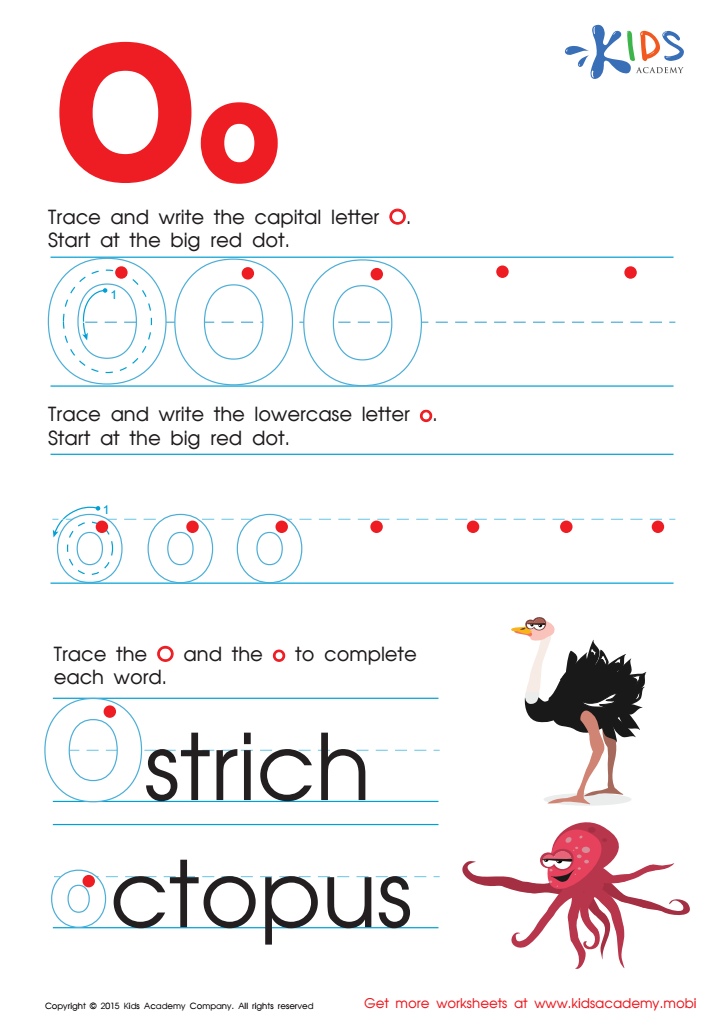
Letter O Tracing Page
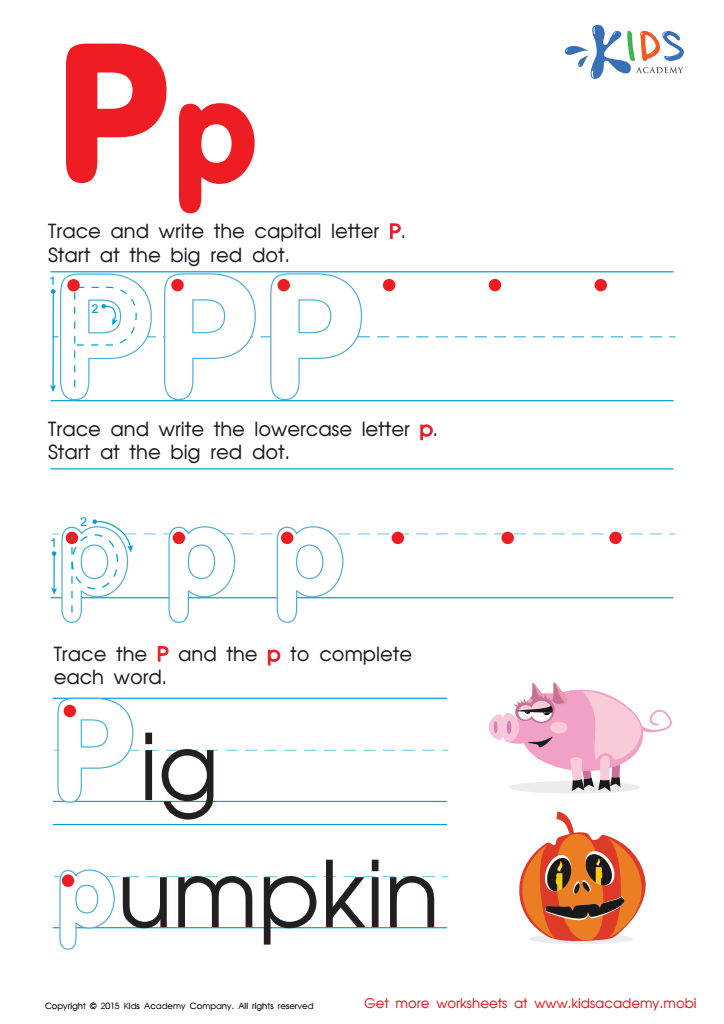
Letter P Tracing Page
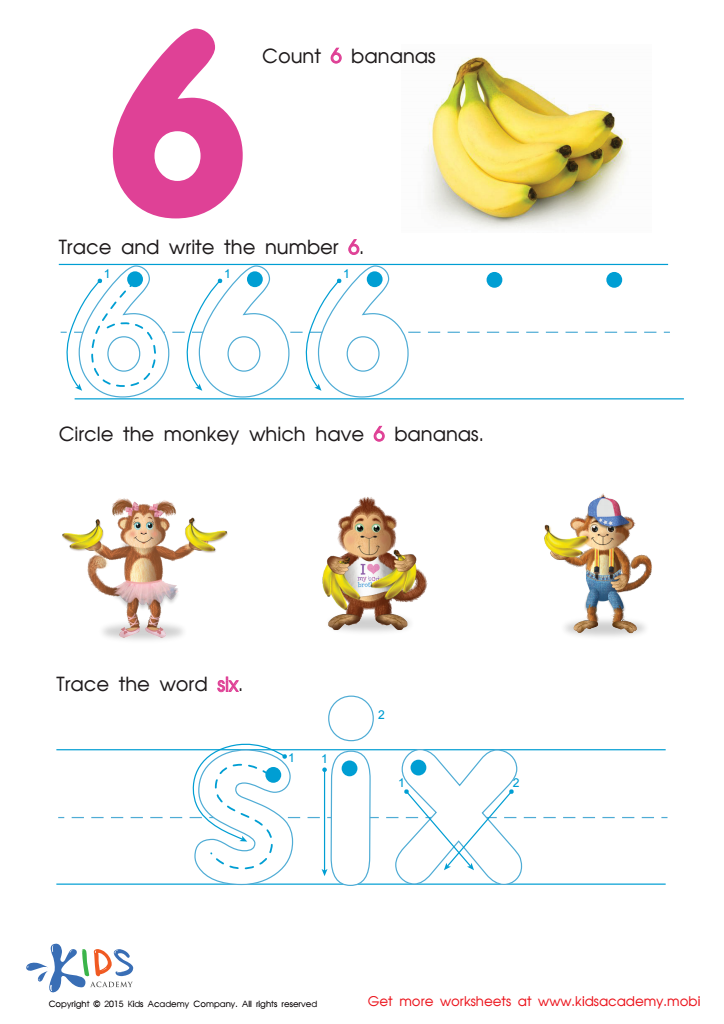
Tracing And Writing Number 6 Worksheet
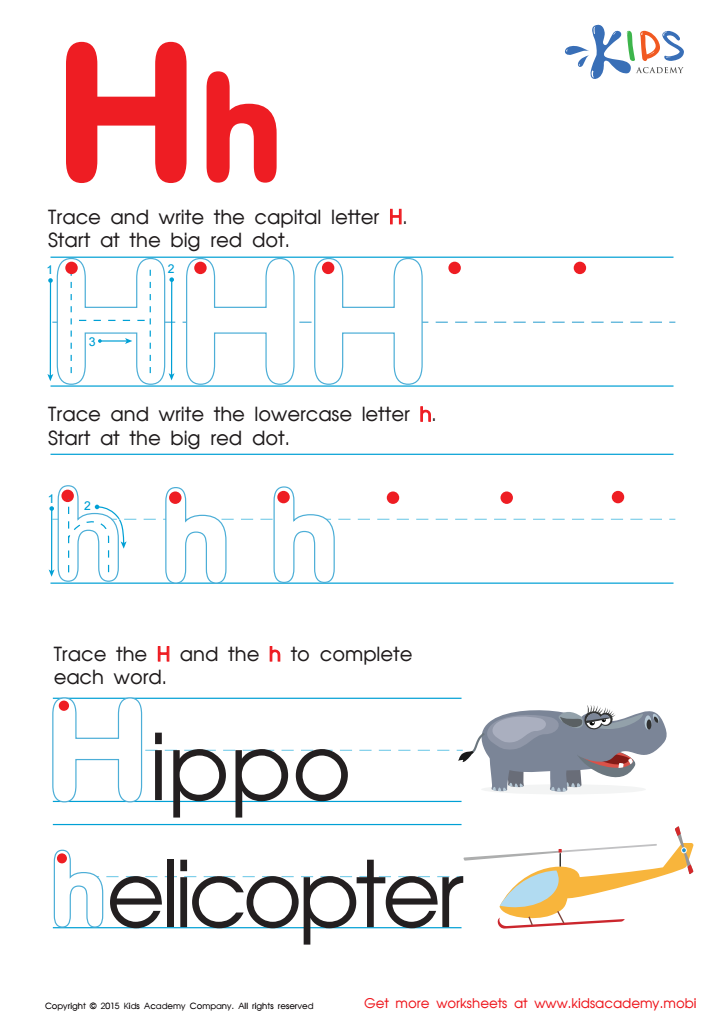
Letter H Tracing Page

Long and Short U Worksheet
 Assign to My Students
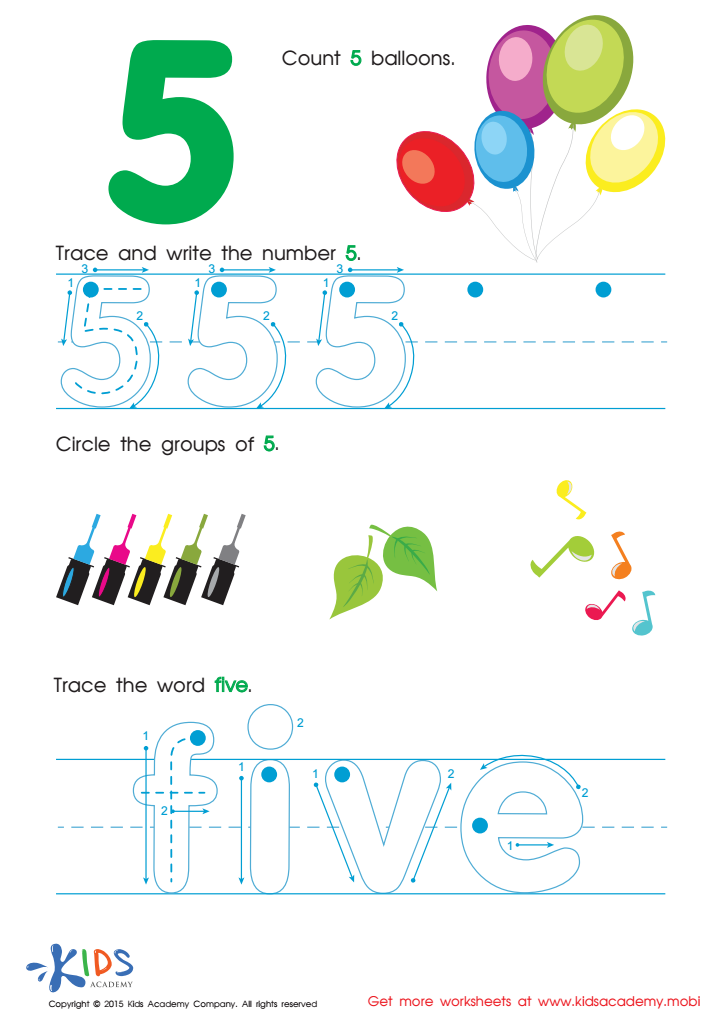
Practice Writing Number 5 Worksheet

Long and Short E Worksheet
Assign to My Students

Letter D Tracing Page


Hand-eye coordination is an essential skill that plays a crucial role in a child's overall development and learning. For parents and teachers of young learners, especially in Grade 3, fostering this skill is vital for several reasons.
Firstly, hand-eye coordination helps improve a child’s ability to perform everyday tasks. Activities like writing, drawing, tying shoelaces, and even playing games rely on this coordination. By developing these skills, children can become more independent in their daily activities.
Moreover, strong hand-eye coordination is linked to academic success. It enhances fine motor skills, which are important for writing and other classroom activities. When children's coordination improves, they gain confidence in their abilities, leading to better participation in learning activities.
Additionally, hand-eye coordination supports physical activity. Participating in sports helps children develop teamwork and social skills, contributing to their emotional well-being.
Finally, as children learn to coordinate their movements effectively, they become more focused and engaged in their tasks. This focus can positively impact their learning experiences and motivate them to explore new skills and activities.
In summary, investing time and effort into developing hand-eye coordination in children can lead to more successful learning experiences, increased confidence, and overall growth.