Alphabet Recognition Normal Grade 3 Worksheets
20 filtered results
-
From - To
Boost your third grader's literacy skills with our Alphabet Recognition worksheets! Designed specifically for Grade 3 students, these engaging and interactive resources focus on reinforcing letter recognition, enhancing phonemic awareness, and expanding vocabulary through fun exercises. Each worksheet features a variety of activities, such as tracing, matching, and sound identification, making learning enjoyable. Perfect for classroom use or at-home practice, these printable worksheets cater to diverse learning styles, ensuring all students can thrive. Support your child's journey in mastering the alphabet and building a strong foundation in reading. Explore our Alphabet Recognition worksheets today for impactful learning experiences!
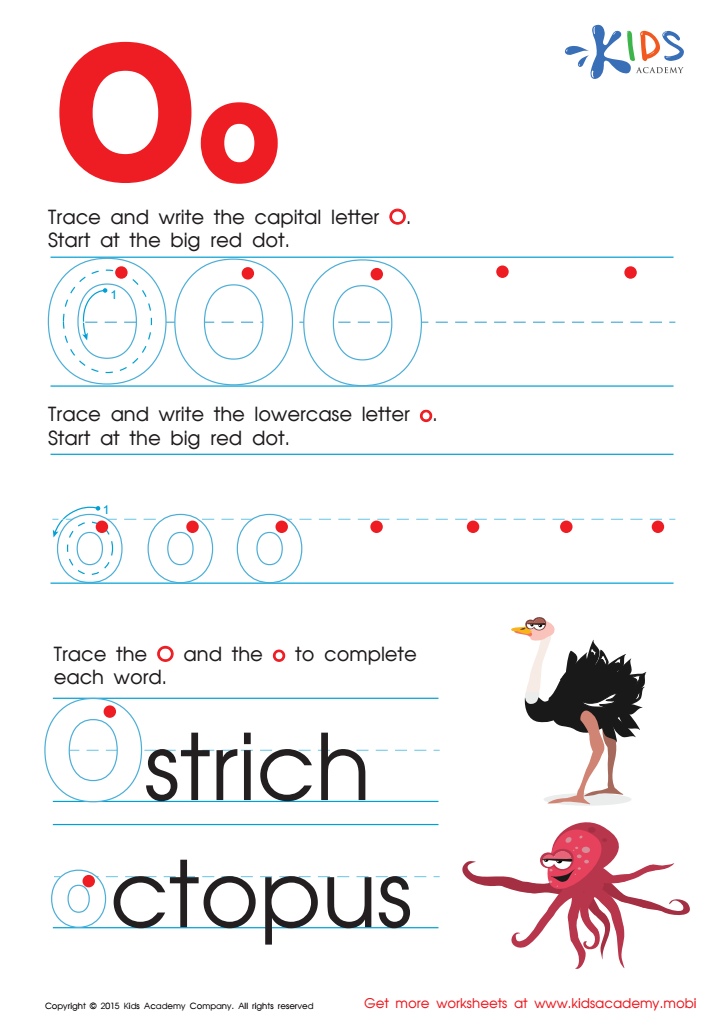
Letter O Tracing Page
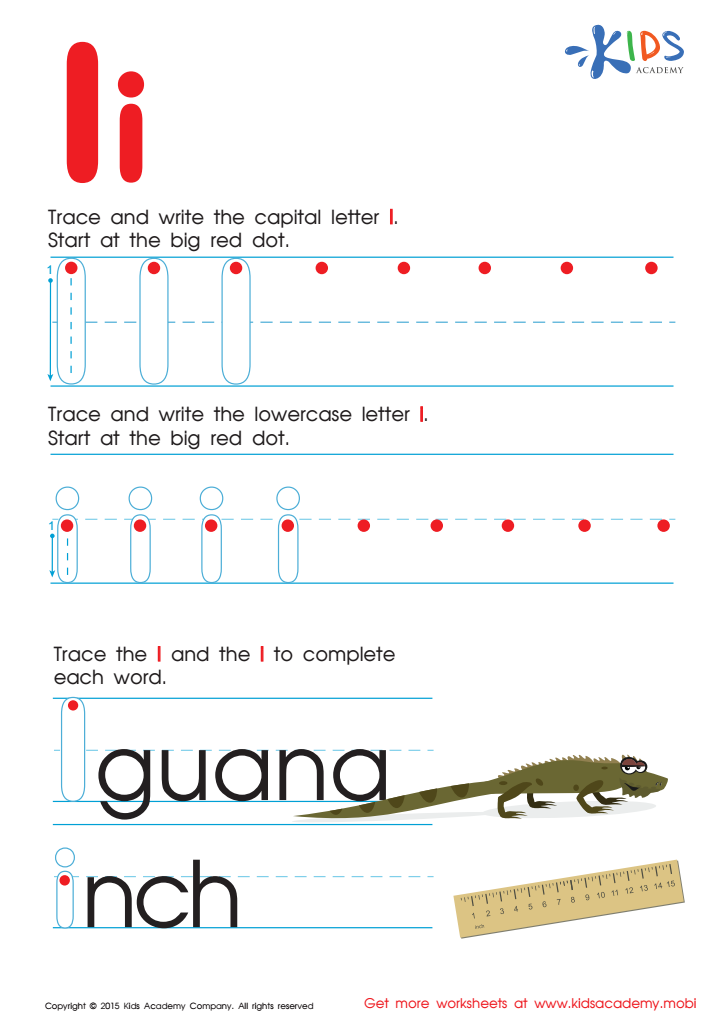
Letter I Tracing Page
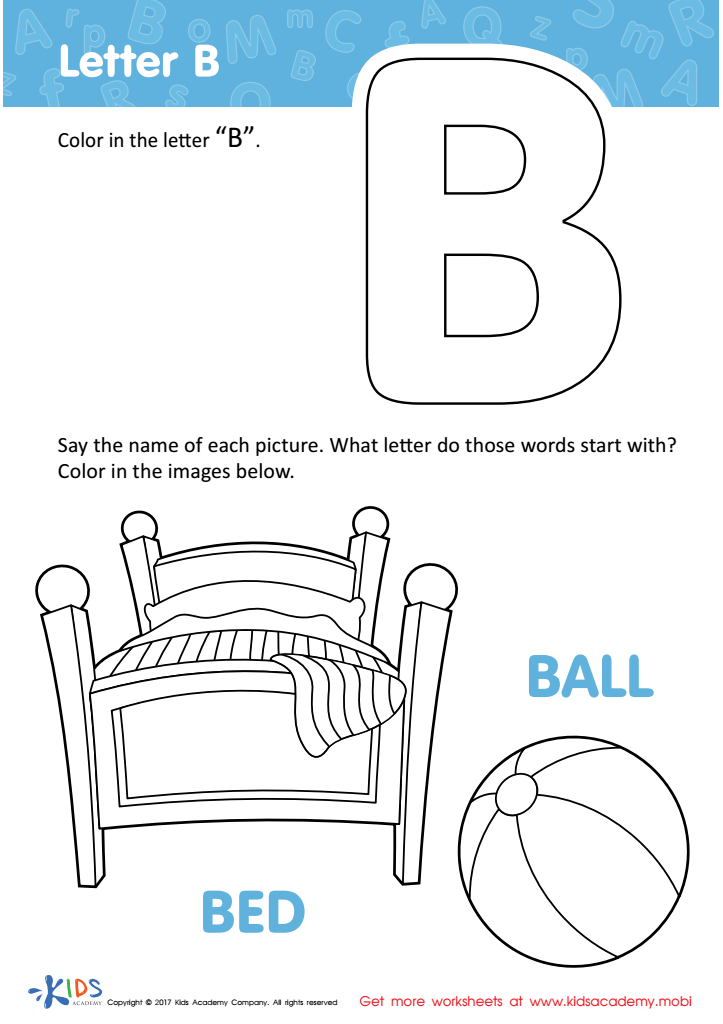
Letter B Coloring Sheet
 Assign to My Students
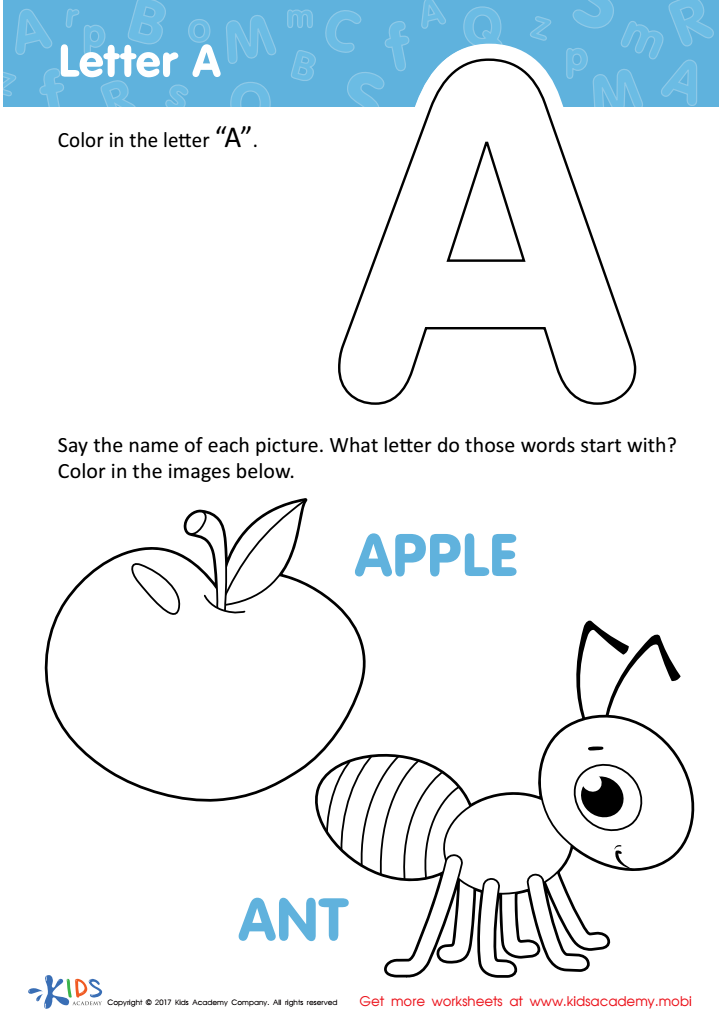
Letter A Coloring Sheet
Assign to My Students
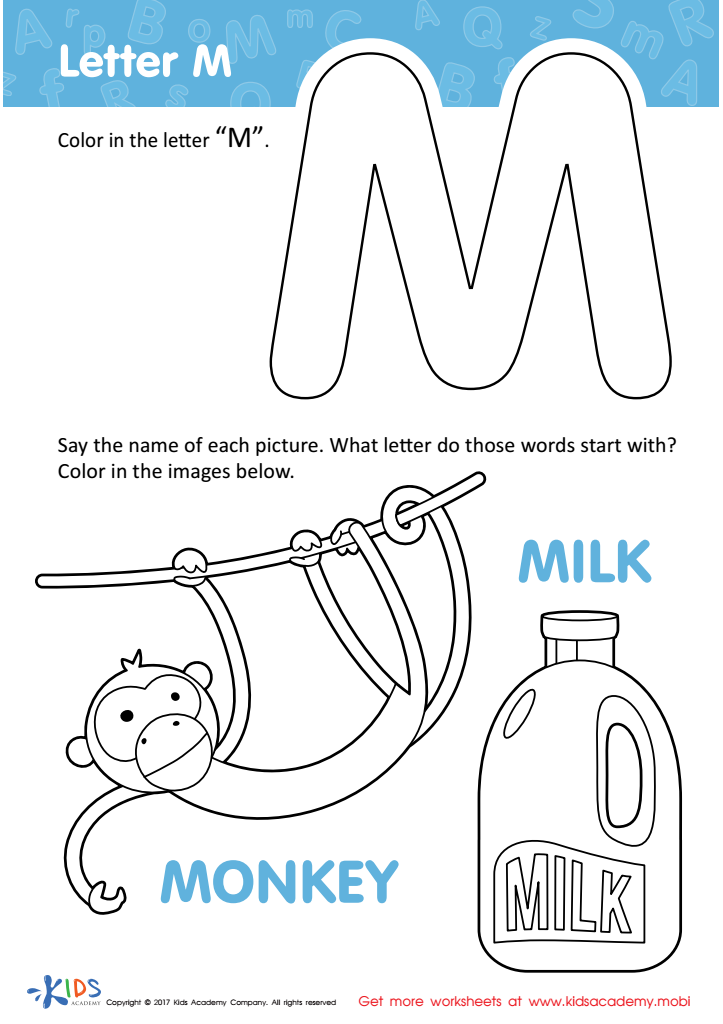
Letter M Coloring Sheet
Assign to My Students
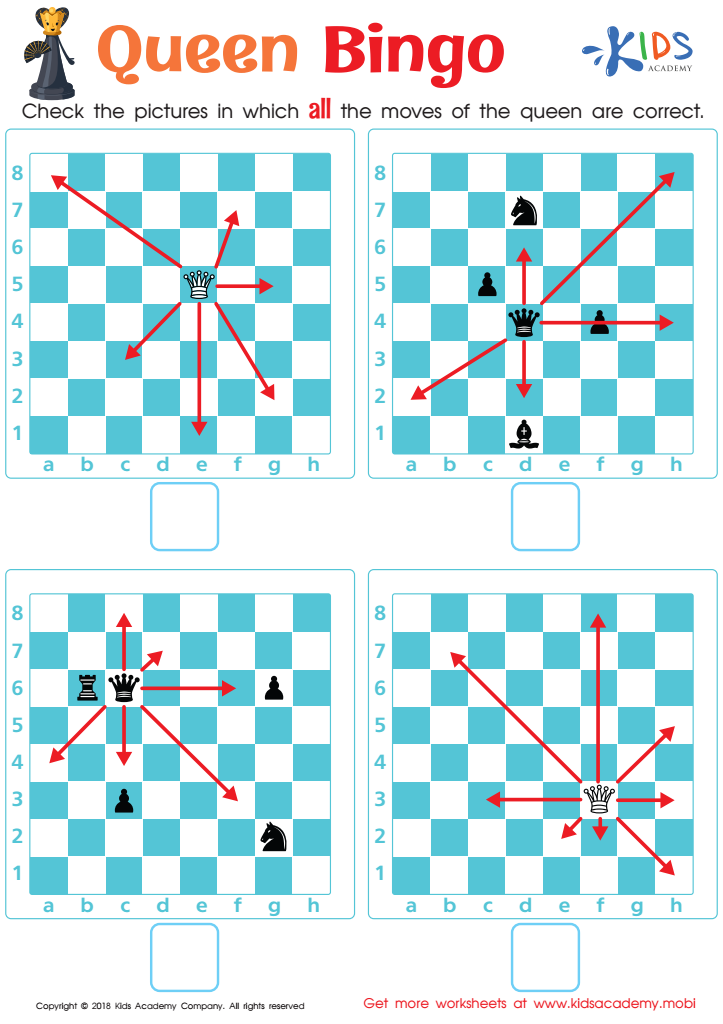
Queen Bingo Worksheet
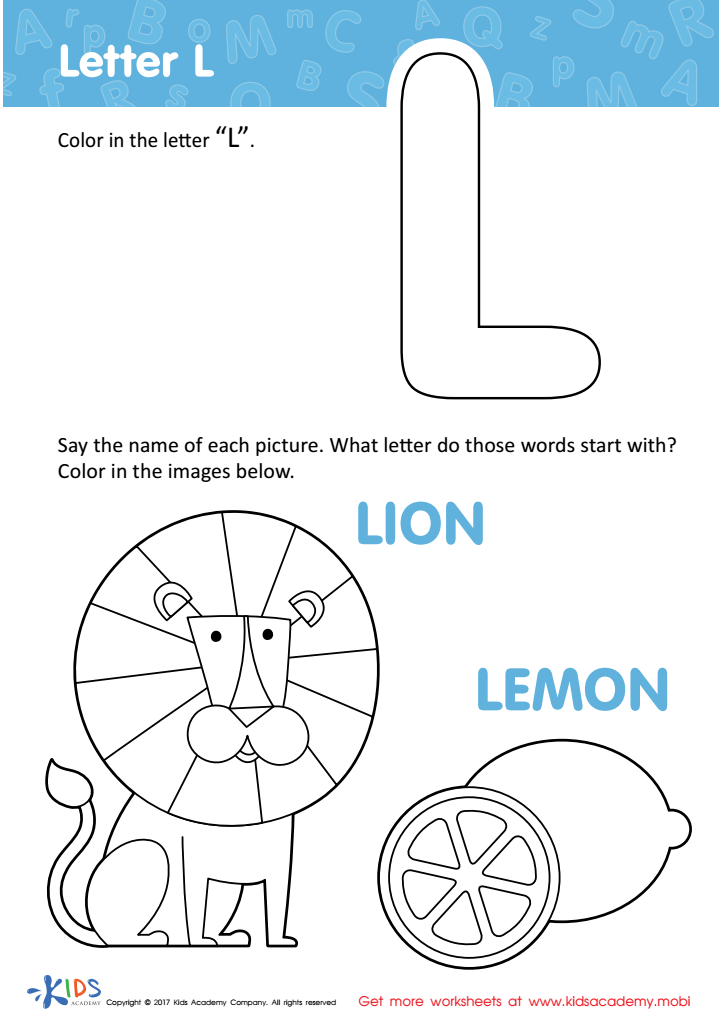
Letter L Coloring Sheet
Assign to My Students
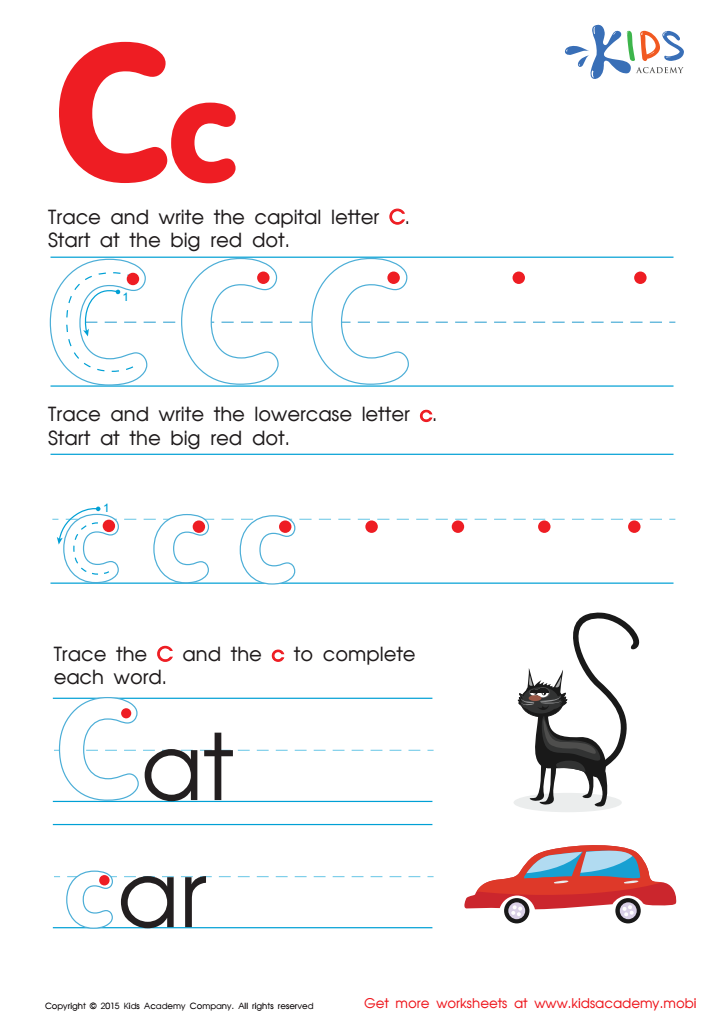
Letter C Tracing Page
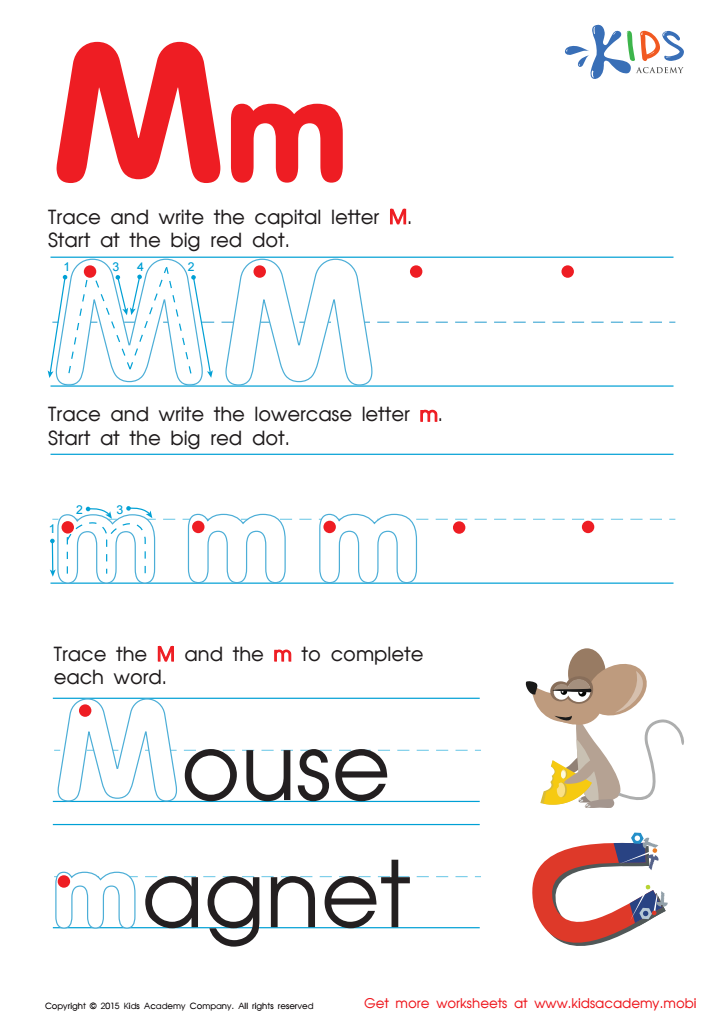
Letter M Tracing Page
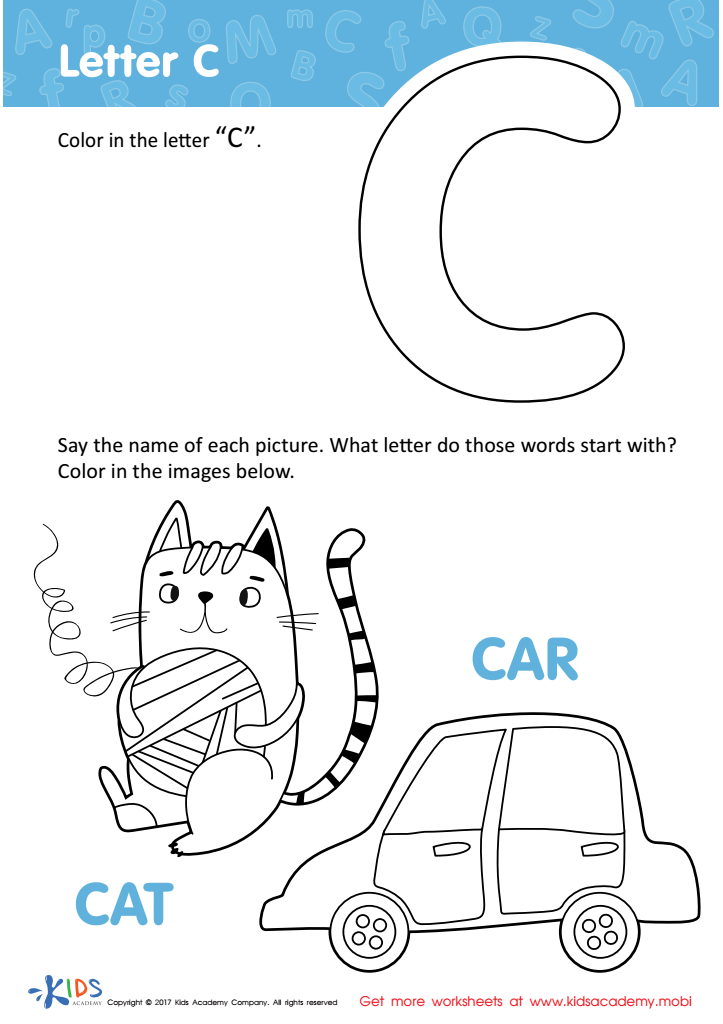
Letter C Coloring Sheet
Assign to My Students
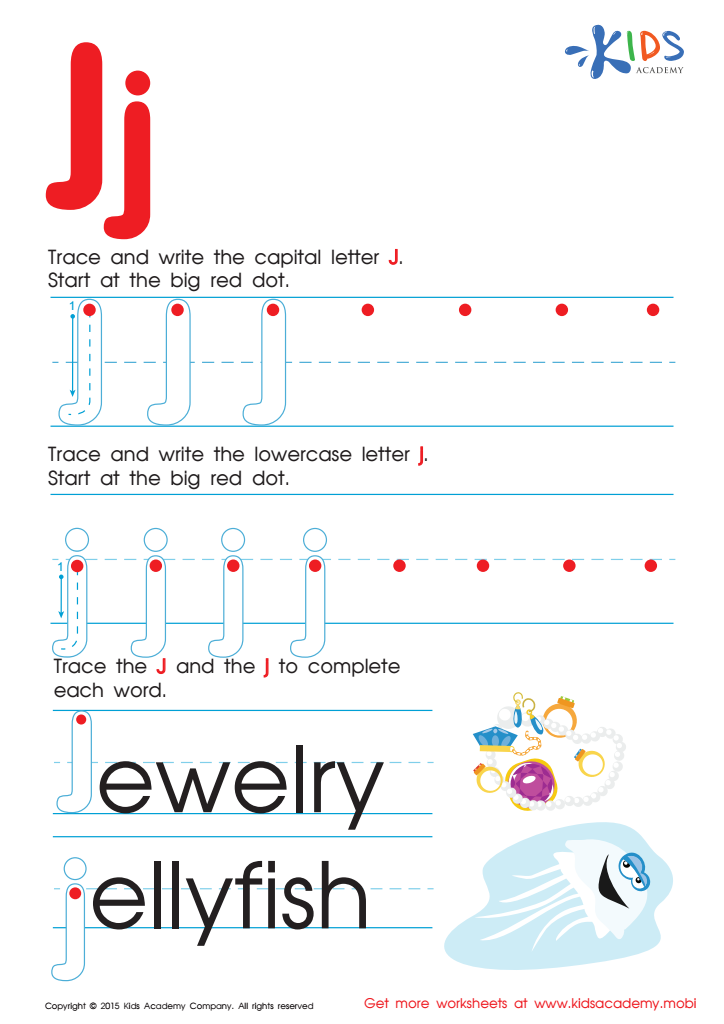
Letter J Tracing Page
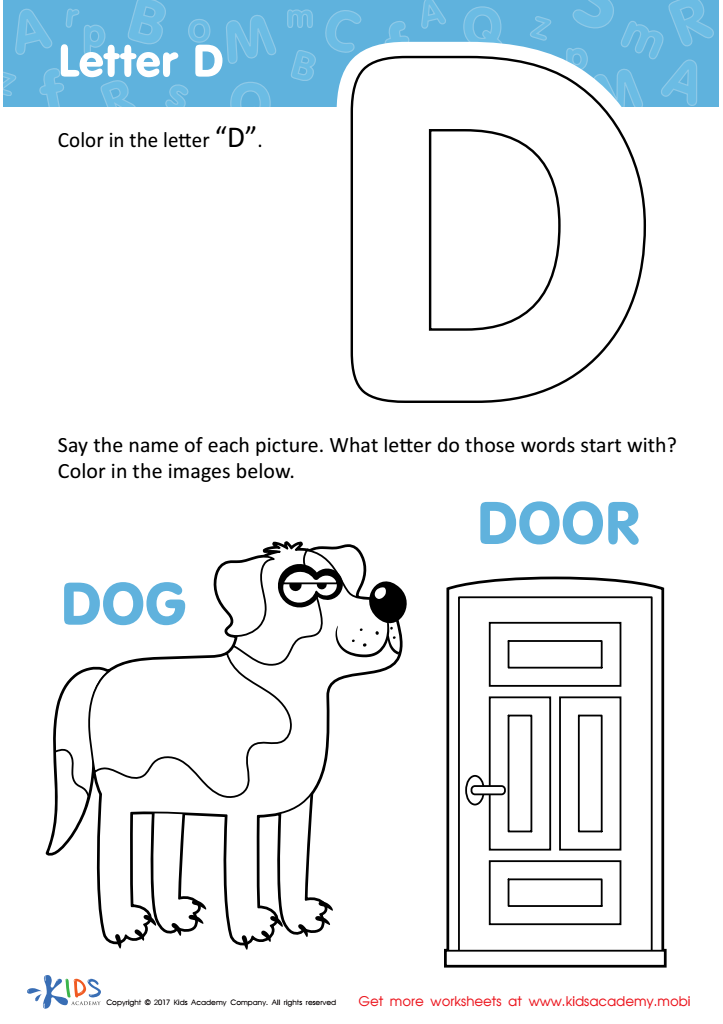
Letter D Coloring Sheet
Assign to My Students
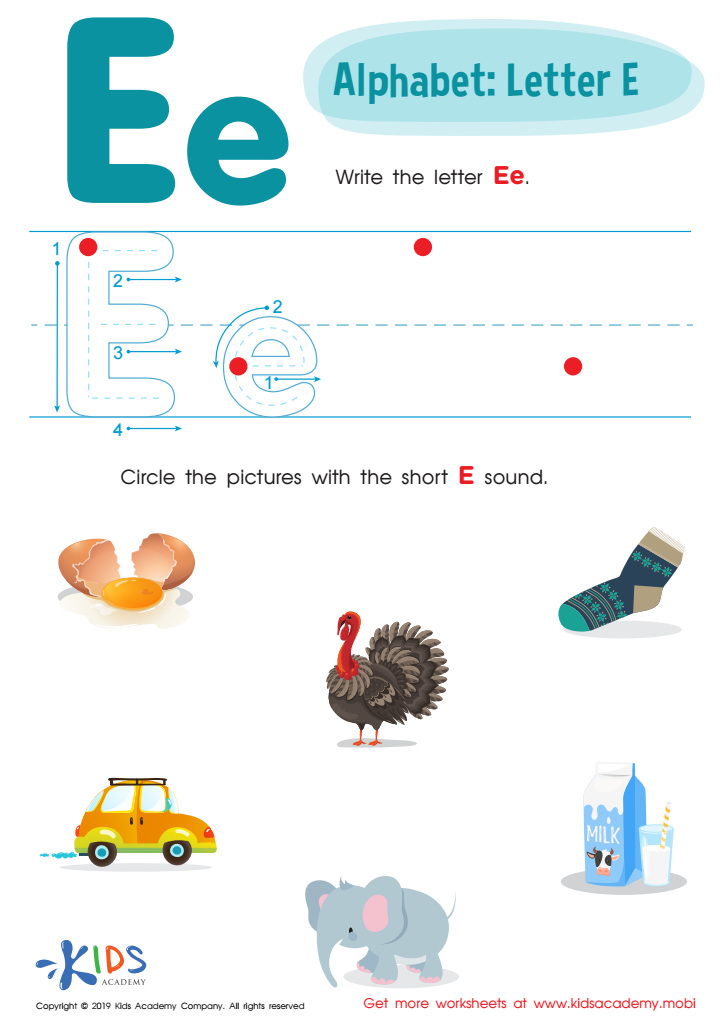
Letter E Tracing Worksheet
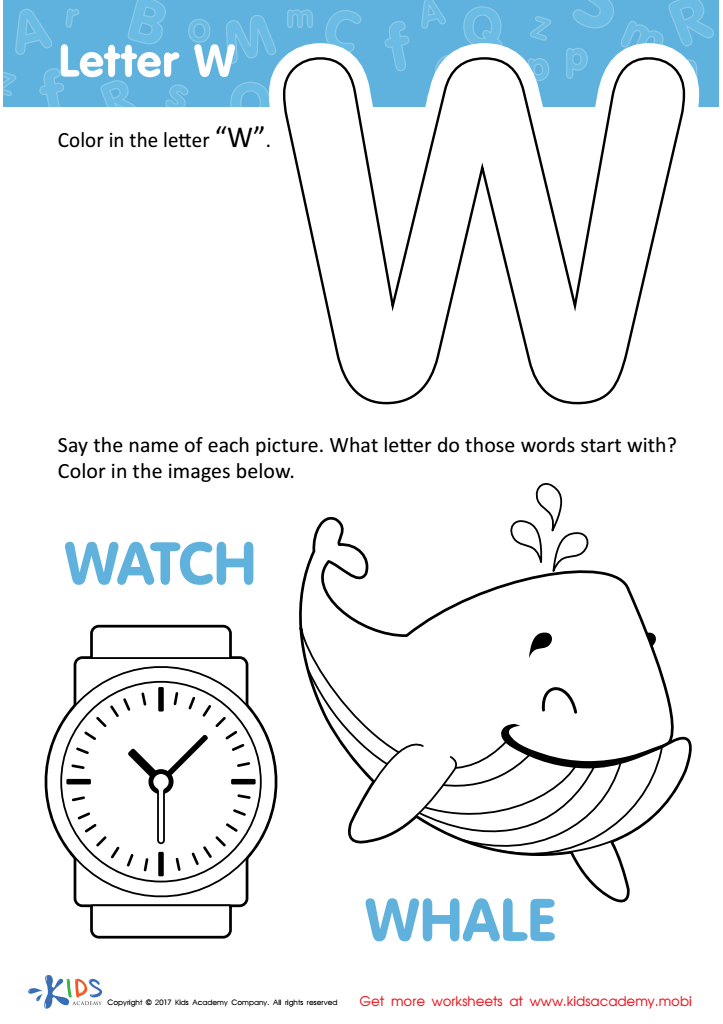
Letter W Coloring Sheet
Assign to My Students
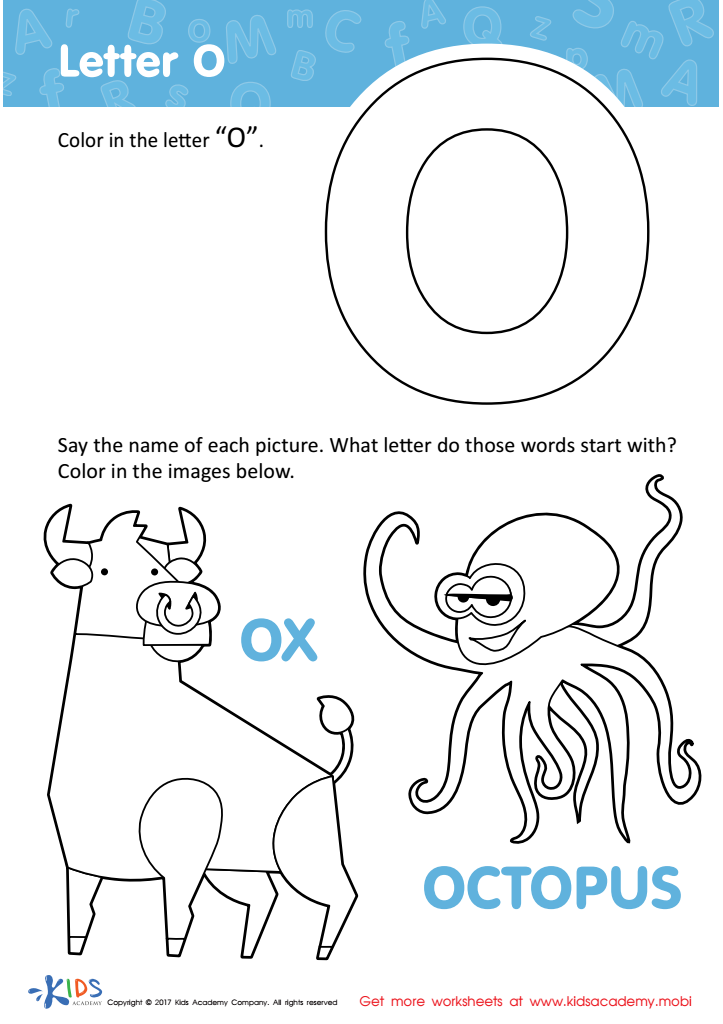
Letter O Coloring Sheet
Assign to My Students
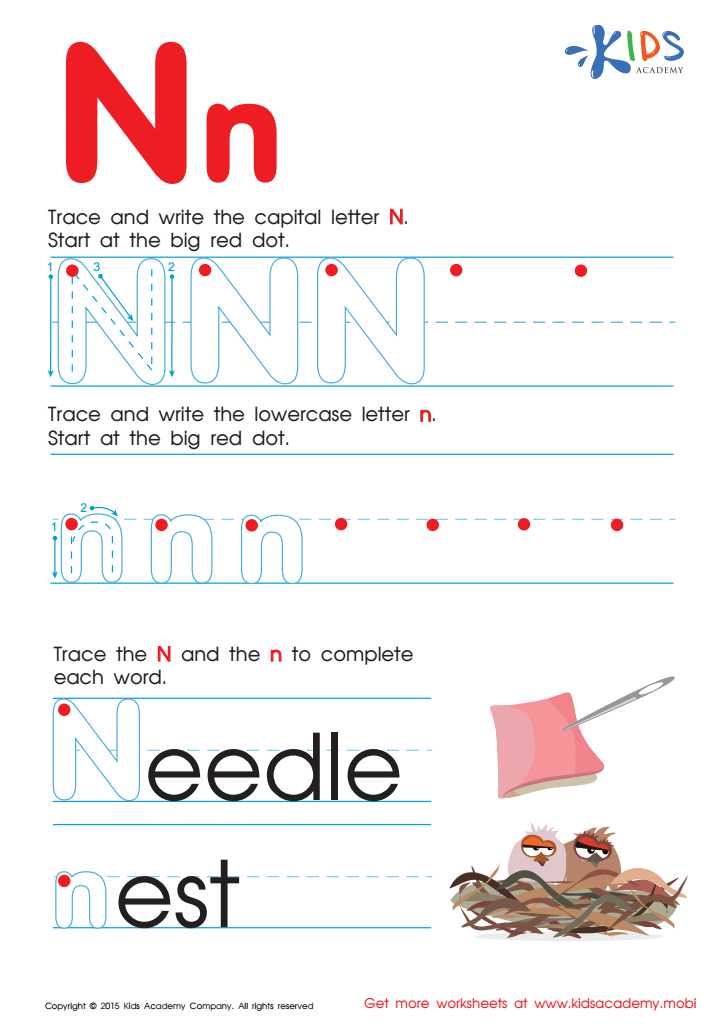
Letter N Tracing Page
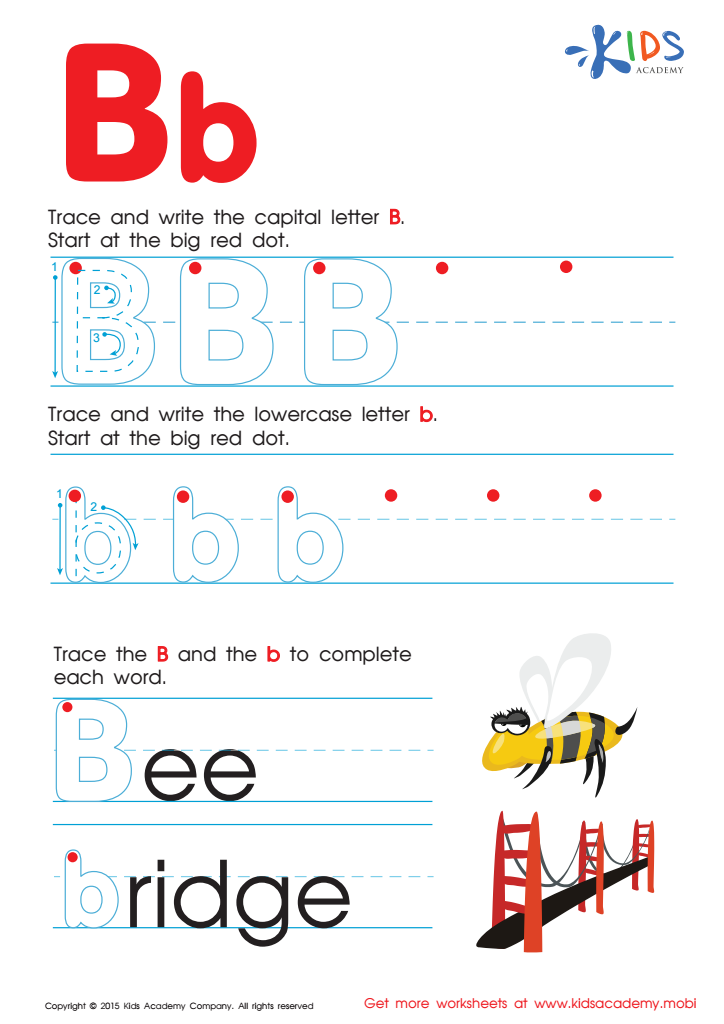
Letter B Tracing Page
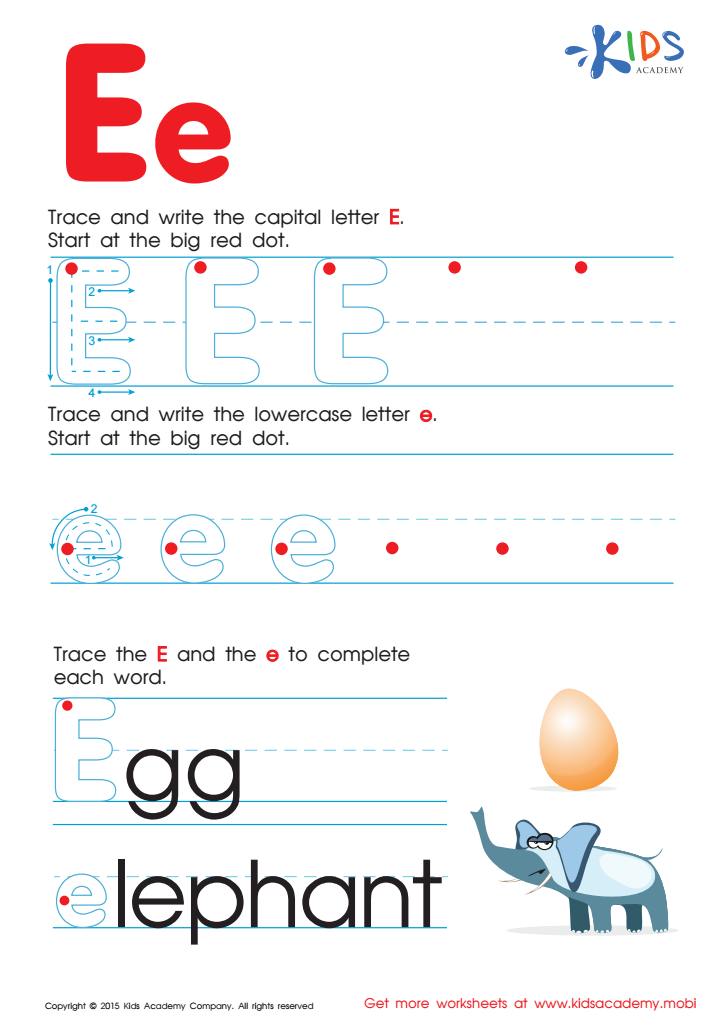
Letter E Tracing Page
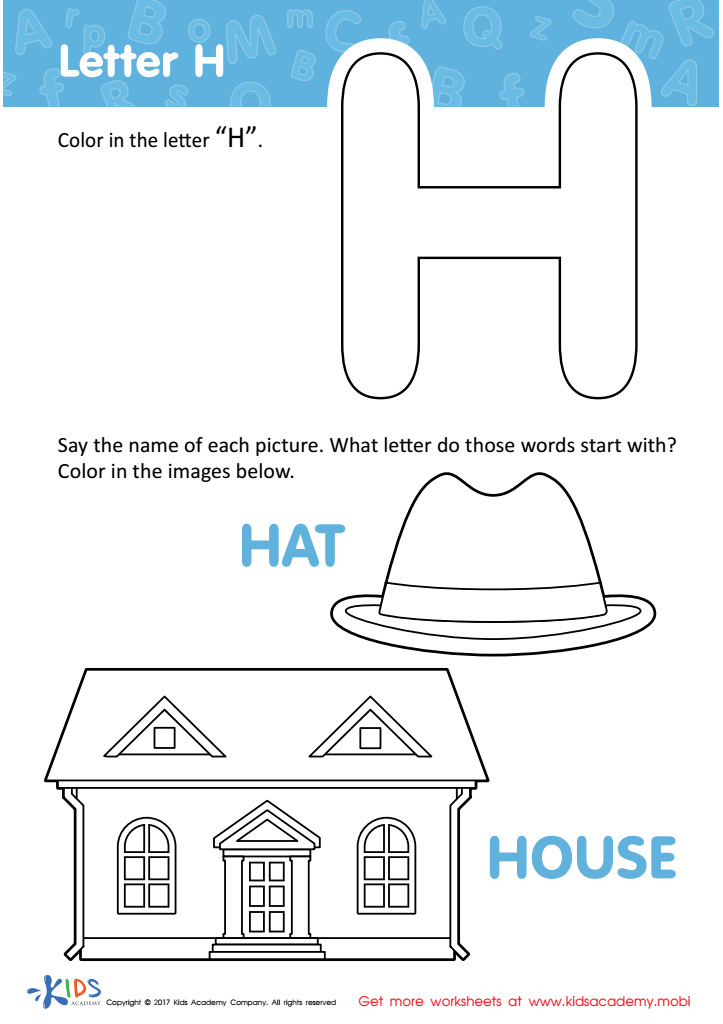
Letter H Coloring Sheet
Assign to My Students
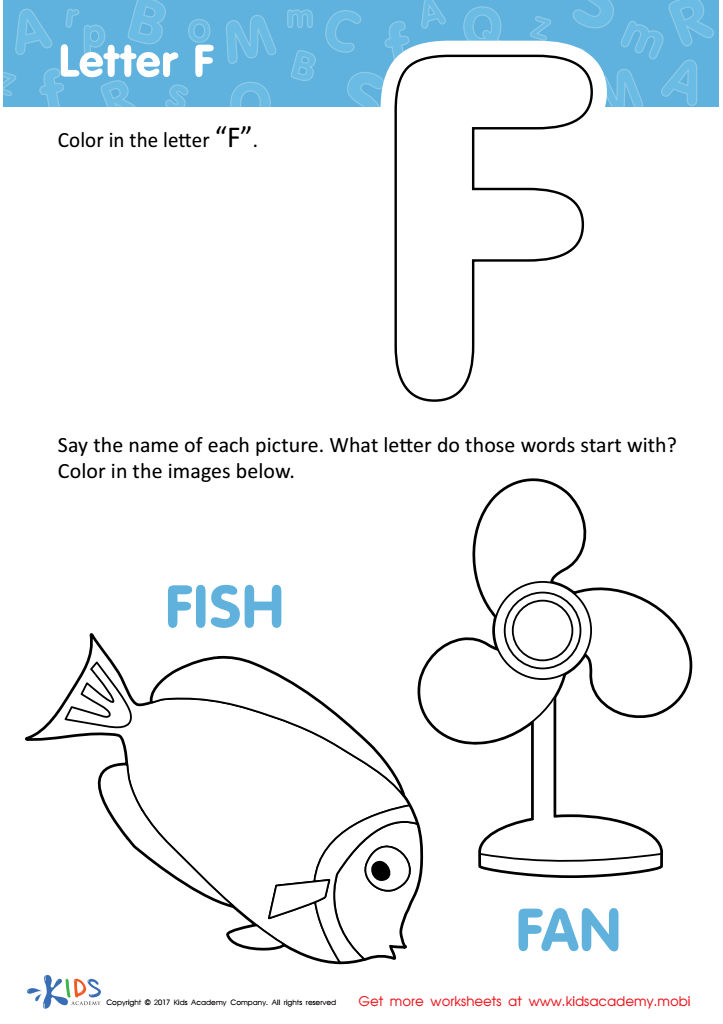
Letter F Coloring Sheet
Assign to My Students







Alphabet recognition is a foundational skill that significantly impacts a child's overall literacy development and academic success, making it crucial for parents and teachers to prioritize it, even at the Grade 3 level. By third grade, students are expected to build on earlier learning, transitioning from learning to read to reading to learn. Recognizing letters confidently allows students to decode words, thereby improving reading fluency and comprehension.
Strong alphabet recognition supports vocabulary development and helps students tackle more complex texts, essential in various subjects, including science and social studies. Moreover, proficient readers often demonstrate better writing skills, fostering self-expression and communication.
Additionally, when children struggle with letter recognition, it can lead to frustration and a lack of confidence, which may hinder their willingness to engage in reading activities. As empathic educators and supportive parents, nurturing these skills can create a positive learning environment, promoting a love for reading.
Lastly, ensuring that children have mastered such a key skill can help identify any potential learning difficulties early, allowing for timely interventions, further demonstrating why alphabet recognition is essential in the trajectory of a child’s educational journey.