Logical thinking development Normal Grade 3 Math Worksheets
3 filtered results
-
From - To
Enhance your child's cognitive abilities with our "Logical Thinking Development Normal Grade 3 Math Worksheets." Specifically designed to match third-grade standards, these worksheets provide engaging and challenging exercises to boost logical reasoning and critical thinking skills. Through a variety of puzzles, pattern recognition activities, and sequencing tasks, students will develop a solid foundation in problem-solving that complements their regular math curriculum. Our worksheets make learning enjoyable, ensuring your child not only understands math concepts but also applies logical strategies efficiently. Unlock their potential and pave the way for academic success with our expertly crafted resources.
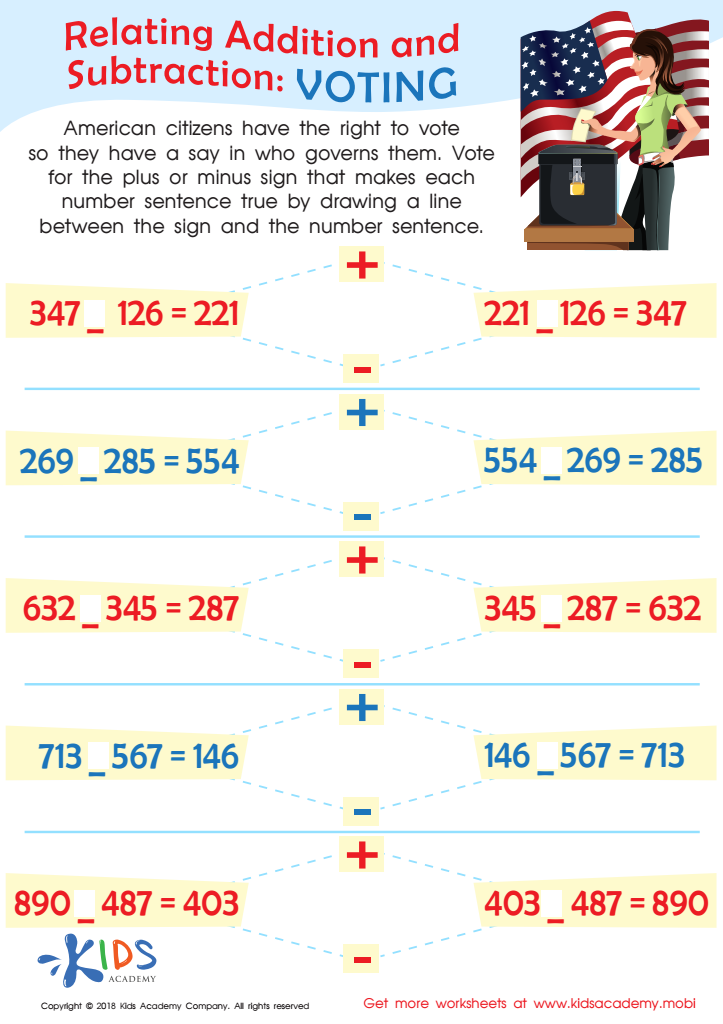
Voting Worksheet
 Assign to My Students
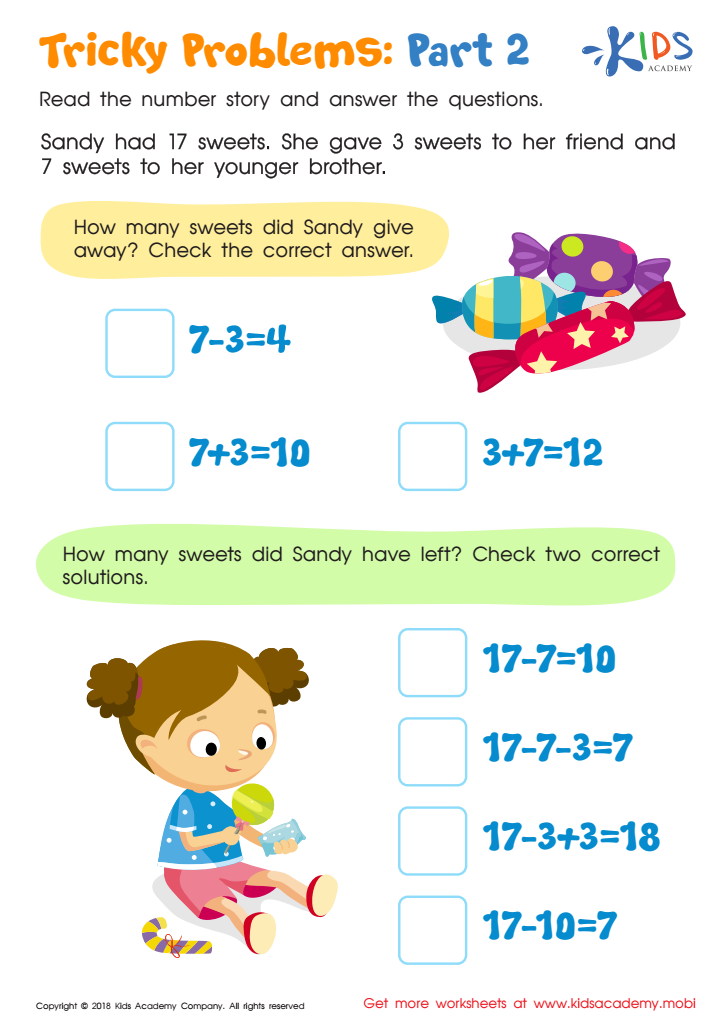
Tricky Problems Worksheet: Part 2
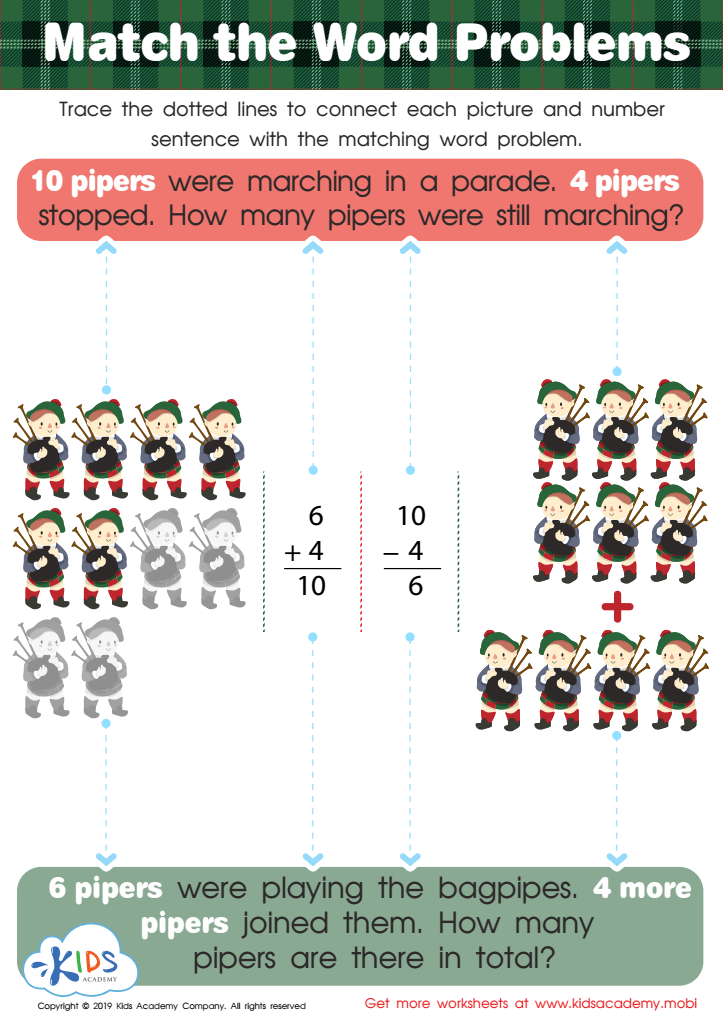
Match the Word Problems Worksheet








Parents and teachers should prioritize fostering logical thinking in Grade 3 math because it is crucial for the child's overall cognitive development and future academic success. Logical thinking enhances problem-solving skills, enabling children to approach mathematical problems methodically and confidently. At this age, developing the ability to recognize patterns, make connections, and understand 'why' behind mathematical concepts sets a strong foundation for more advanced math studies. Logical thinking also promotes critical thinking and reasoning skills that are essential not only in math but across all subjects.
Furthermore, when children learn to reason and think logically, they improve their decision-making abilities, both in academic and real-life situations. This development leads to a deeper understanding of cause-and-effect relationships, boosting their ability to tackle more complex problems efficiently. Cultivating logical thinking skills early in life also enhances a child's creativity and flexibility in thinking, preparing them for future challenges in a constantly changing world.
In Grade 3, children transition from basic arithmetic to more complex operations, and without strong logical foundations, they can struggle with these concepts. By focusing on logical reasoning in math, parents and teachers equip children with the essential tools to succeed academically, paving the way for a lifetime of strong analytical and problem-solving abilities.