
Fun and Engaging Community Activities for 3-4 Year Olds - Printable Worksheets and Online Knowledge Check
2 filtered results
Difficulty Level
Grade
Age
-
From - To
Subject
Activity
Standards
Unleash the power of learning with our engaging collection of Normal Community worksheets activities! Tailored to foster a vibrant educational environment, these worksheets are packed with a variety of exercises designed to enhance students' knowledge and skills. Perfect for teachers and parents alike, our Normal Community worksheets activities provide a comprehensive resource for reinforcing key concepts in a fun and interactive way. Whether you're looking to boost understanding in math, science, language arts, or social studies, our carefully curated activities are sure to captivate and inspire learners of all ages. Dive into our Normal Community worksheets today and watch your student's enthusiasm for learning soar!
Favorites
With answer key
Interactive
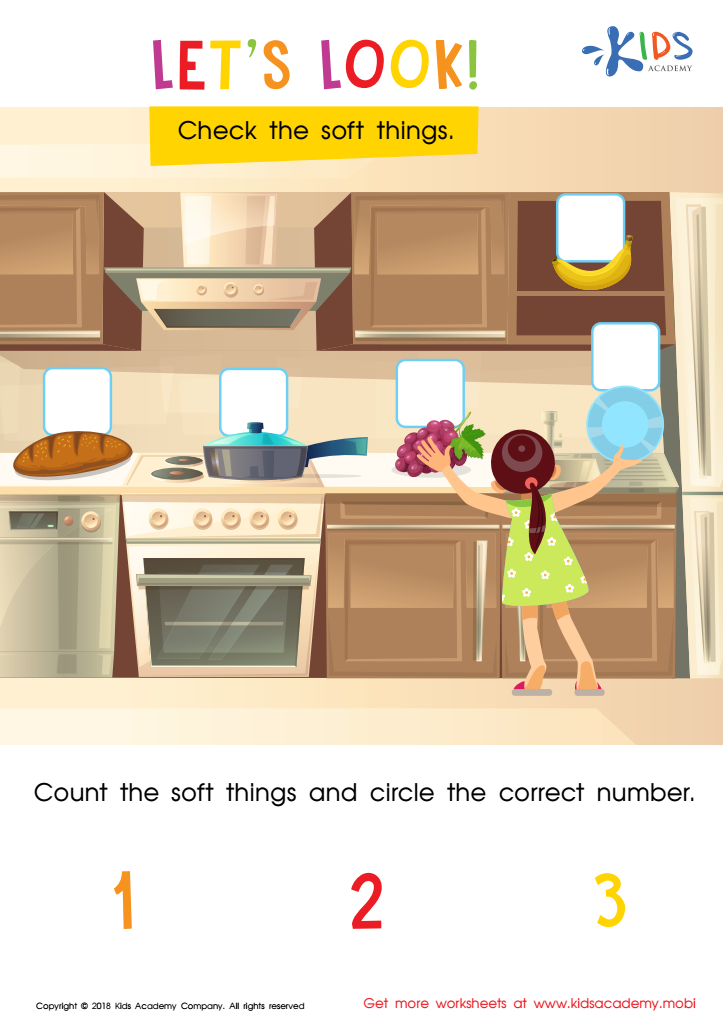
Let's Look! Assessment Worksheet
Have your child look at the picture in the printout and name the objects. Ask which ones are soft and hard and have them count the soft objects and circle the number. This worksheet will engage your child's thinking and teach them about texture.
 Assign to My Students
Let's Look! Assessment Worksheet
Worksheet
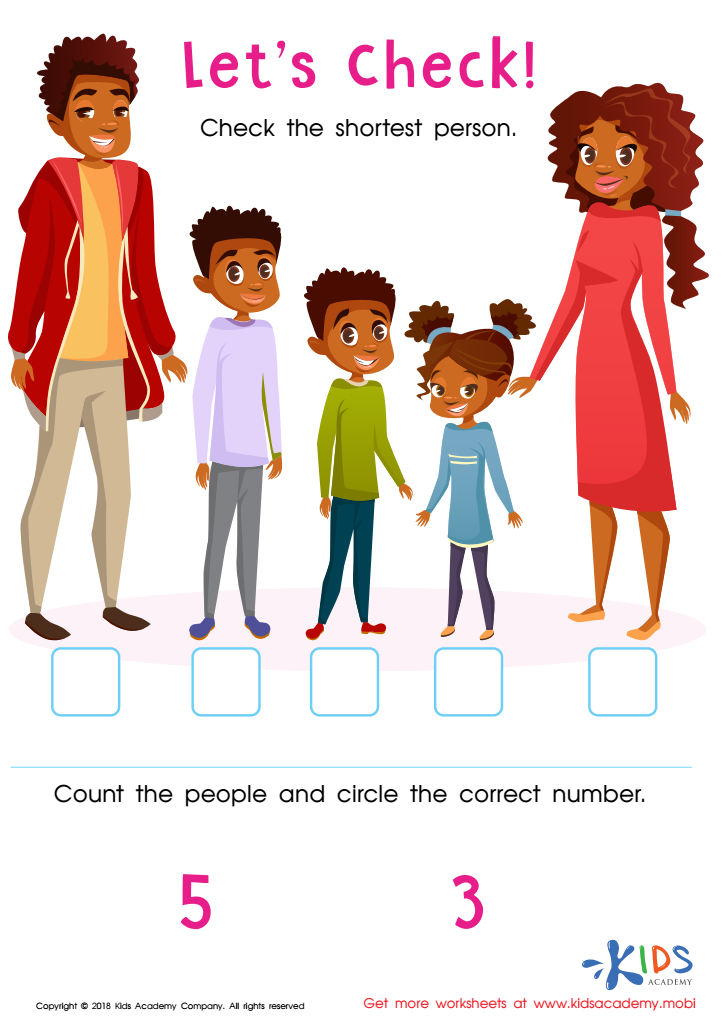
Let's Check! Assessment Worksheet
Check your child's understanding of height with this worksheet. Ask them to sort the objects in order of size and identify the tallest and shortest member of the family in the picture. See if they can correctly arrange the items from tallest to shortest.
Let's Check! Assessment Worksheet
Worksheet
Join Kids Academy for Free
Who is primarily going to use this learning content?







Normal Community worksheets activities play an essential role in fostering learning and awareness about societal values, cooperation, and the importance of being active members of the community. These activities are not just educational tools; they are bridges connecting individuals to the larger societal framework, encouraging engagement, understanding, and participation in community life.
Firstly, Normal Community worksheets activities are designed to introduce and reinforce the concept of community to learners of all ages. By engaging in these activities, participants gain a clearer understanding of their roles within their communities and the importance of contributing positively to their environments. These worksheets often challenge learners to think critically about social issues, promoting empathy and a sense of responsibility towards solving communal problems.
Furthermore, these activities are pivotal in enhancing social skills. Through group tasks and discussions prompted by the worksheets, individuals learn to communicate effectively, work collaboratively, and respect diverse perspectives. These skills are invaluable, not only in personal development but also in preparing learners for the workforce and global citizenship.
In addition to social benefits, Normal Community worksheets activities also offer educational advantages. They cover a wide range of subjects, from history and geography to civic education, thereby providing a holistic learning experience. By connecting academic content with real-world applications, these activities make learning more relevant and engaging for participants.
Moreover, these activities are adaptable and can be tailored to suit different learning environments and age groups, making them a versatile tool in both formal educational settings and informal learning spaces such as community centers and after-school programs.
In conclusion, Normal Community worksheets activities serve as a cornerstone in building aware, responsible, and socially active individuals. They not only enhance learners' understanding of their communities but also equip them with the skills necessary to contribute meaningfully to society. Through these activities, the concept of community transcends theoretical knowledge, becoming a lived experience that shapes compassionate and engaged citizens.








