Letter E Worksheets for Ages 4-6
3 filtered results
-
From - To
Embark on an exciting educational journey with our Letter E worksheets, meticulously crafted for children ages 4-6. Designed to captivate and educate, these worksheets are the perfect blend of fun and learning, focusing on the enchanting world of the Letter E. Through a variety of engaging activities, young learners will explore the essence of this vowel, from writing exercises to enchanting coloring pages, all while expanding their vocabulary and improving their fine motor skills. Perfect for preschoolers and kindergarteners, these worksheets promise to make learning the Letter E an enjoyable and rewarding experience for every child. Dive into the adventure of alphabets with us!
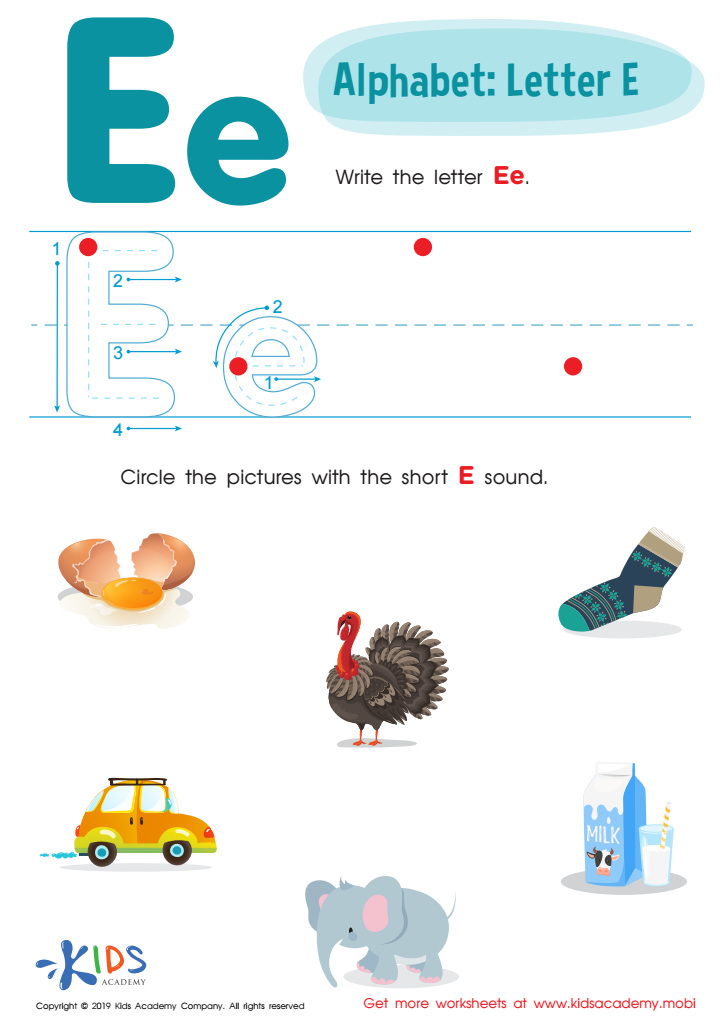
Letter E Tracing Worksheet
 Assign to My Students
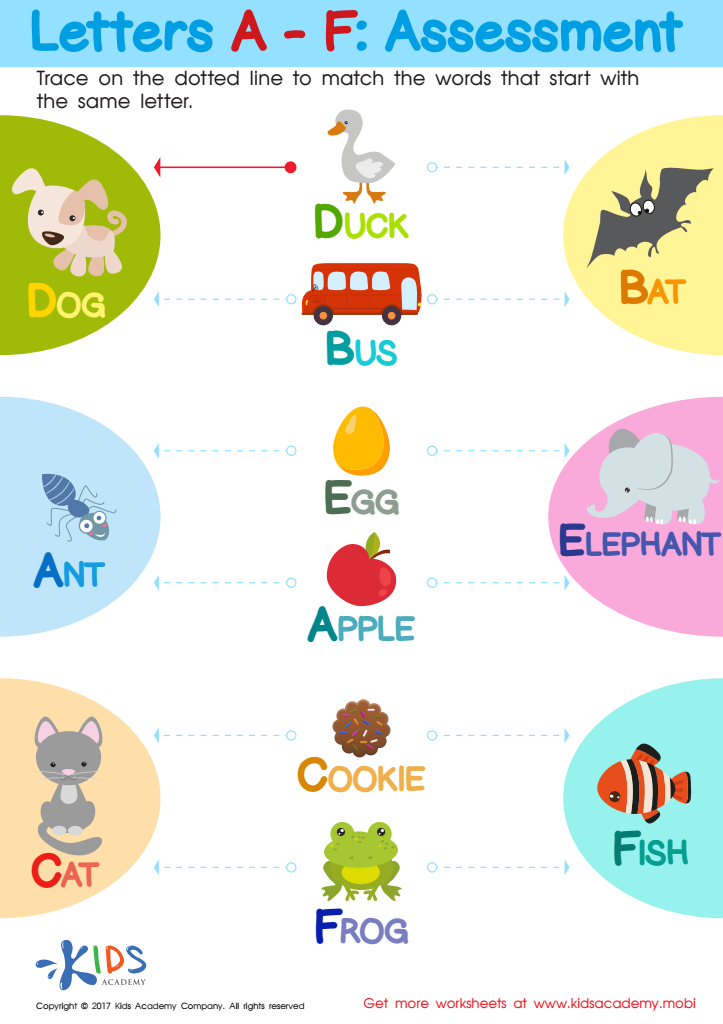
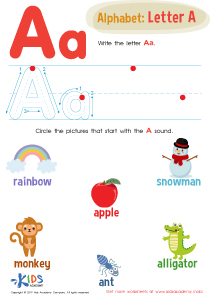
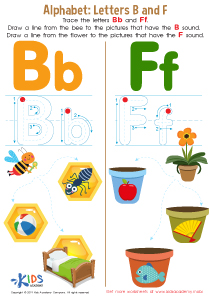
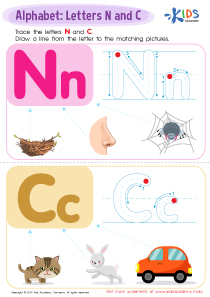
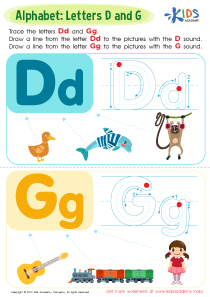
Letters A - F Worksheet

Letter E Tracing Page







Worksheets on Letter E are an invaluable resource for young learners, especially those aged 4-6. At this critical developmental stage, children are just beginning to navigate the vast world of letters and sounds that form the foundation of their literacy skills. The focus on Letter E through engaging worksheets is particularly beneficial for several reasons.
Firstly, these worksheets are specifically designed with the cognitive and motor skills of children aged 4-6 in mind. They offer a blend of activities that not only teach the letter's shape and sound but also enhance fine motor skills through coloring, tracing, and writing exercises. This hands-on approach to learning ensures that children grasp the concepts effectively and retain them longer.
Moreover, Letter E worksheets introduce young learners to a variety of words that start with this vowel, enriching their vocabulary at an early age. This exposure to new words is crucial for developing strong reading and comprehension skills, which are foundational for future academic success.
By incorporating fun and educational worksheets focused on Letter E into the learning routine of children aged 4-6, educators and parents can provide a structured yet enjoyable way for young minds to explore the alphabet. These activities not only foster a love for learning but also pave the way for a smooth transition into more complex literacy skills.