Reading Non-Fiction Worksheets for Ages 4-6 - Page 3
50 filtered results
-
From - To
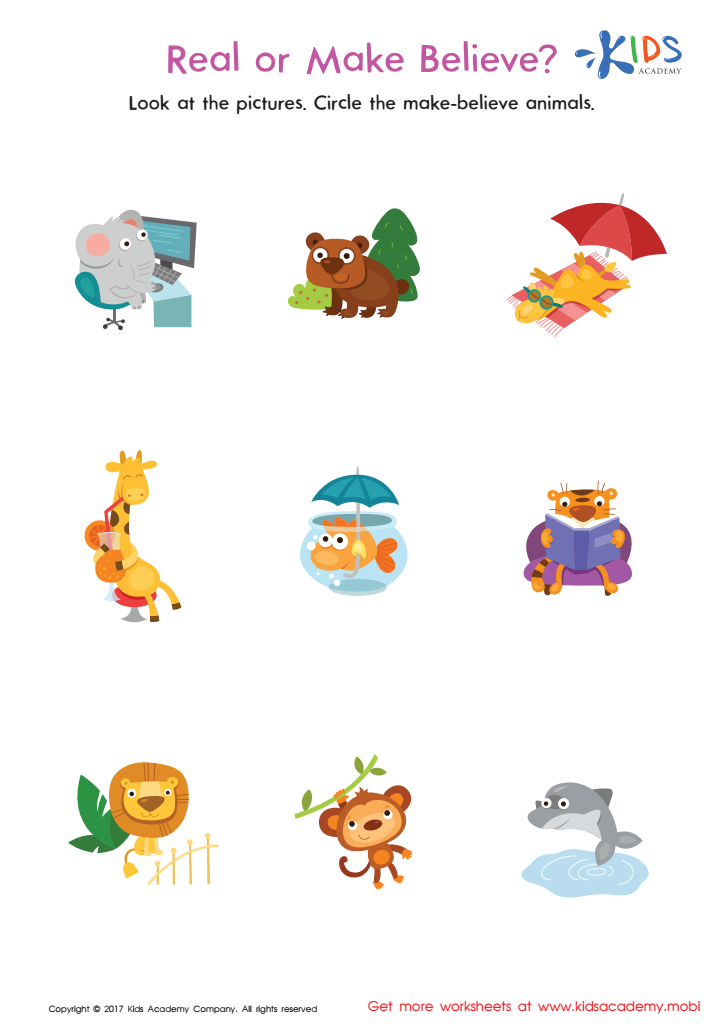
Fact or Make Believe Worksheet
 Assign to My Students
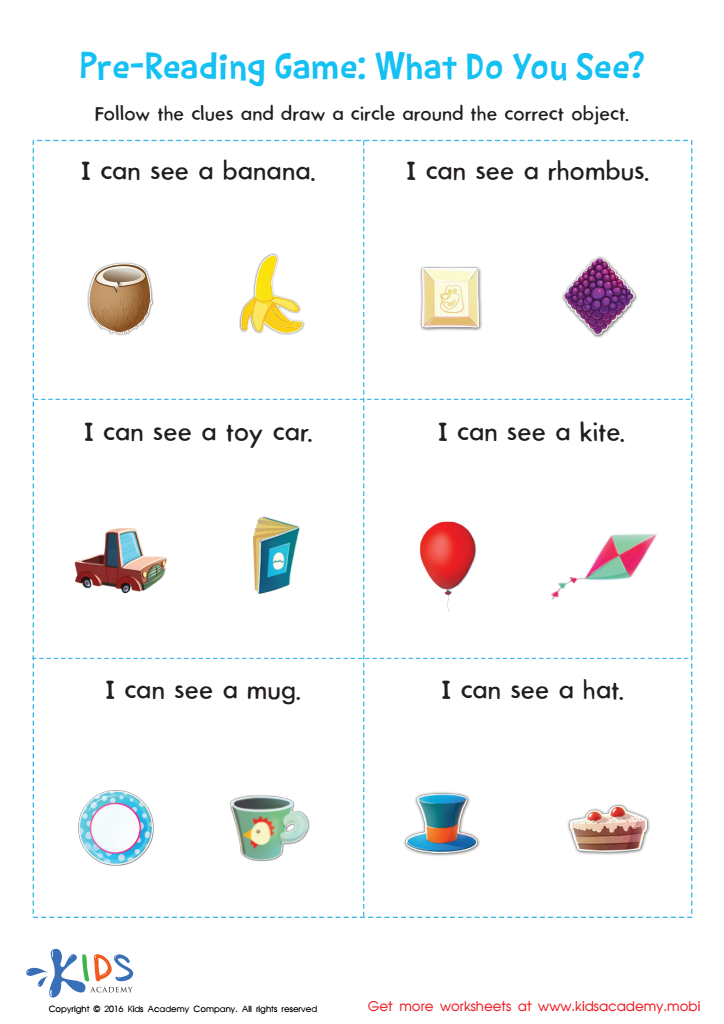
Pre–reading Worksheet: What Do You See?








Reading Non-Fiction for Ages 4-6 is a crucial educational tool that sets the foundation for lifelong learning and curiosity. At this critical age, children are just beginning to explore the world around them, making it the perfect time to introduce them to the wonders of non-fiction. Worksheets tailored to this age group can significantly enhance this learning experience. Here's why:
-
Vocabulary Development: Reading non-fiction exposes young learners to a variety of new words and phrases, significantly enhancing their vocabulary. Worksheets that accompany these readings reinforce understanding and retention of these new terms.
-
Comprehension Skills: Engaging with non-fiction teaches children how to extract information, understand real-world facts, and follow a logical flow of ideas. Worksheets designed for Ages 4-6 cater to their comprehension level, making it easier for them to grasp complex concepts presented in a simple manner.
-
Critical Thinking: Through reading non-fiction, children learn to analyze information, ask questions, and make connections to their own lives. Worksheets encourage them to think critically about what they read by asking thought-provoking questions related to the text.
-
World Awareness: Non-fiction opens up a world of knowledge about nature, technology, cultures, and more. Worksheets often include activities that further explore these topics, helping children understand and appreciate the diversity and complexity of the world around them.
In summary, Reading Non-Fiction for Ages 4-6, supplemented with well-crafted worksheets, is an invaluable resource for stimulating young minds, enhancing literacy skills, and fostering a love for learning about the real world.








