Easy Vowels and Consonants Worksheets for Ages 5-6
1 filtered results
-
From - To
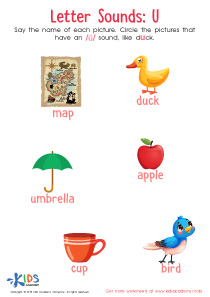
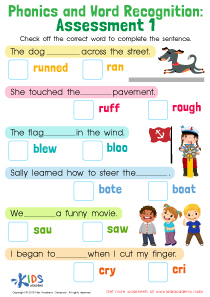
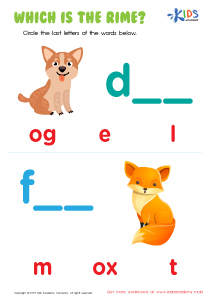
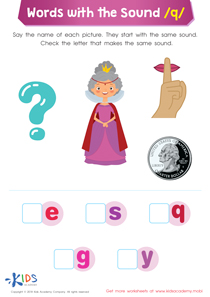
Introducing our Easy Vowels and Consonants worksheets, expertly designed for young learners aged 5-6. Dive into the basics of the English language with these engaging and interactive worksheets, tailor-made to introduce the foundation of reading and writing. Each sheet is crafted to captivate the interest of young minds, ensuring they grasp the concepts of vowels and consonants with ease and joy. Perfect for both classroom and home use, these worksheets are a reliable resource for developing early literacy skills. Set your child on the path to reading success with our Easy Vowels and Consonants worksheets for Ages 5-6.
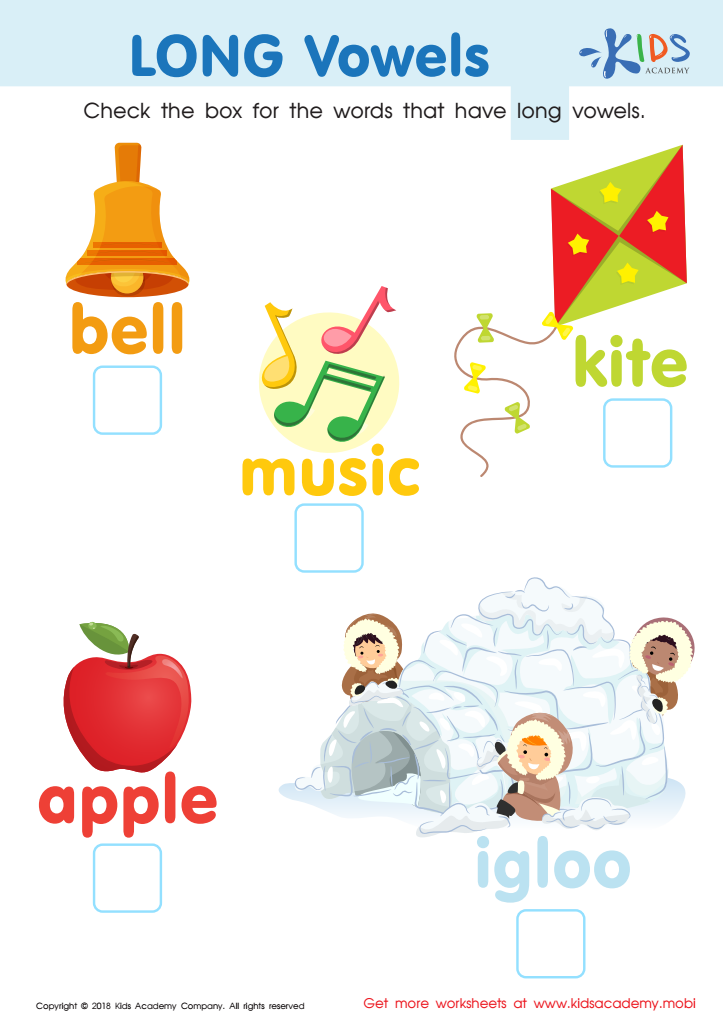
long vowels Worksheet
 Assign to My Students



Easy Vowels and Consonants worksheets tailored for Ages 5-6 play a pivotal role in the early stages of literacy development. At this crucial learning phase, children are just beginning to navigate the vast ocean of language, and these worksheets serve as their compass. By focusing on the foundational elements of phonics, such as the differentiation between vowels and consonants, these materials provide young learners with the building blocks necessary for reading and spelling.
The design of Easy Vowels and Consonants worksheets for this age group takes into consideration the developmental needs of 5 to 6-year-olds. They are crafted to be engaging, with colorful illustrations and activities that are just the right mix of challenging and doable, ensuring that learning remains a joyous journey rather than a daunting task. Through repetition and practice, these worksheets reinforce recognition and pronunciation, which are critical for language fluency.
Moreover, the simplicity and structured approach of these worksheets instill confidence in young learners. As they progress, the sense of achievement they experience encourages a positive attitude towards learning, setting a solid foundation for their academic future. In essence, Easy Vowels and Consonants worksheets for Ages 5-6 not only equip children with essential literacy skills but also foster an early love for reading and learning.