Vocabulary Building Extra Challenge Building Vocabulary Worksheets for Ages 4-8
3 filtered results
-
From - To
Unlock your child's potential with our Vocabulary Building Extra Challenge Worksheets, designed specifically for ages 4-8! These engaging and educational worksheets from Kids Academy help young learners expand their word knowledge through fun activities. Boost reading skills and comprehension as your child builds a stronger vocabulary. Each worksheet is thoughtfully crafted to captivate kids' interest and encourage learning through playful exercises. Perfect for both home and classroom use, these challenges will enhance your child's linguistic abilities while fostering a love for words. Transform learning into an exciting adventure with our tailored vocabulary building resources today!
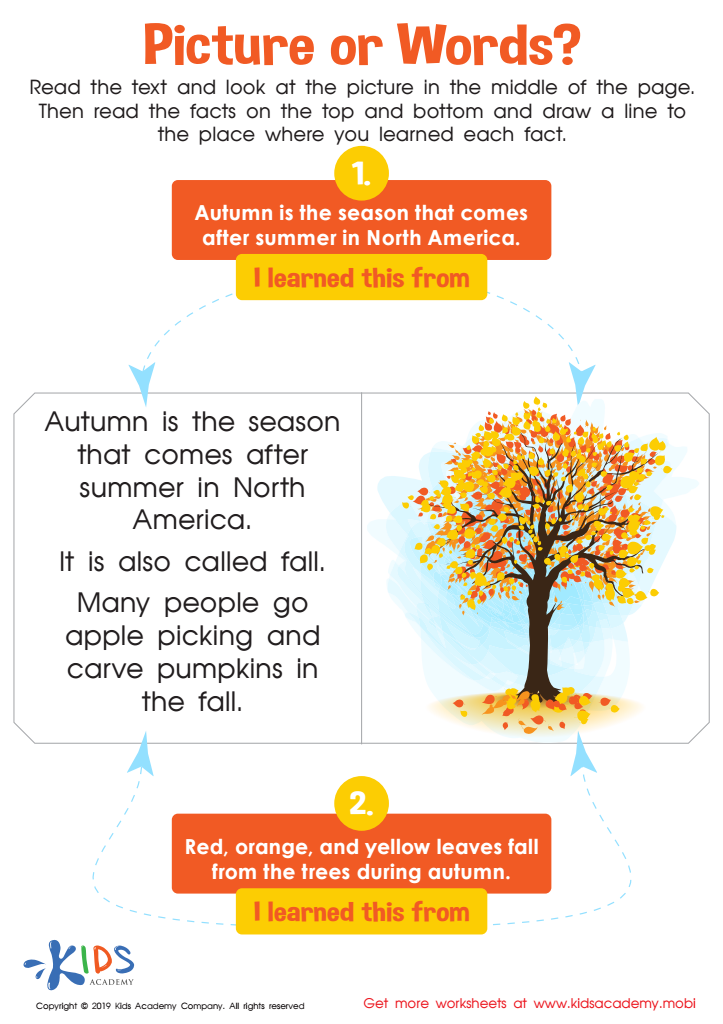
Picture Words Worksheet
 Assign to My Students











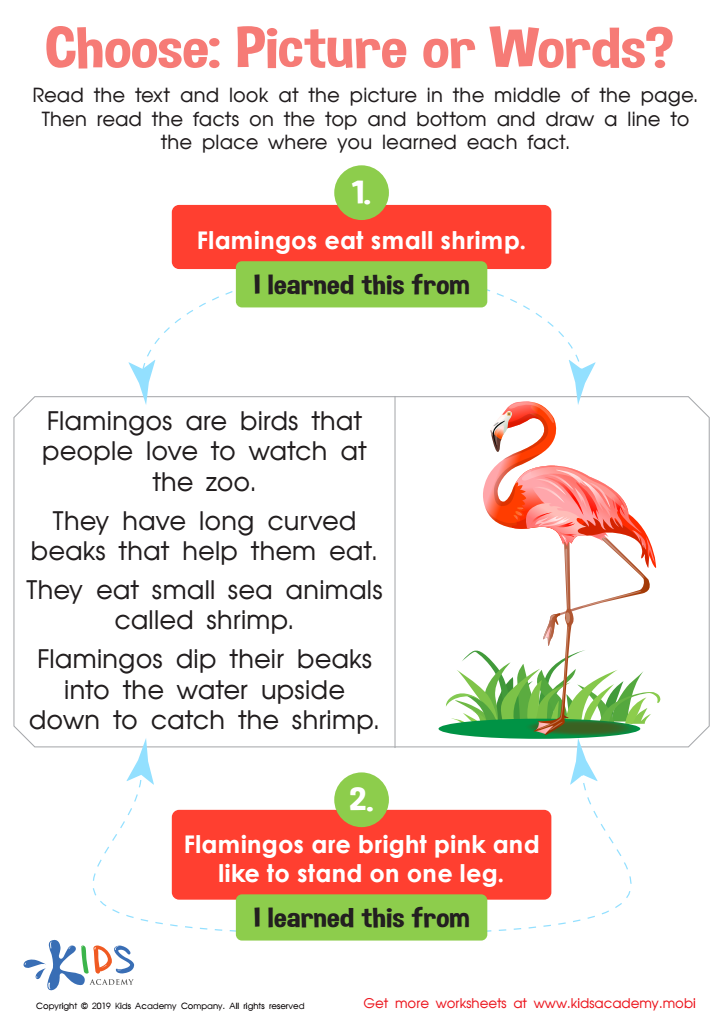
Choose Picture Words Worksheet
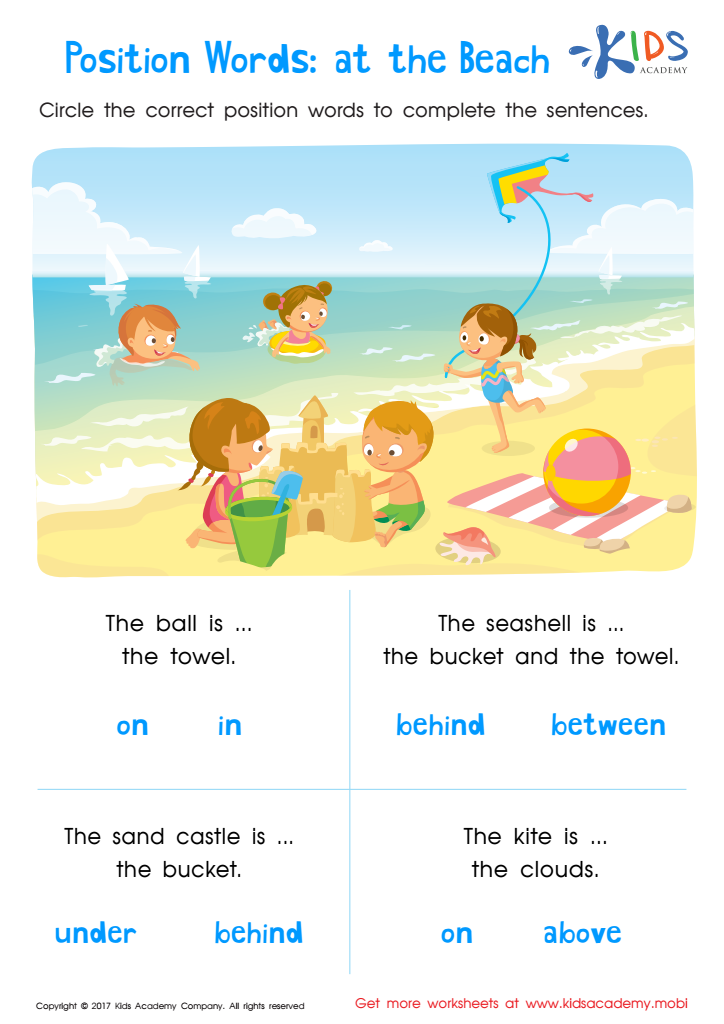








Vocabulary building in early childhood, specifically for ages 4-8, is a foundational step towards academic success and overall personal development. At this stage, children's brains are highly receptive to learning new words, which can directly influence their ability to understand and express ideas more effectively.
By actively focusing on vocabulary expansion, parents and teachers arm children with the tools they need for better comprehension across all subjects, from reading to math to science. A richer vocabulary enables children to grasp complex concepts more easily and supports overall literacy development, including reading fluency and comprehension.
Moreover, having a broad vocabulary aids in social and emotional development. Children with a well-developed vocabulary can articulate their thoughts, needs, and feelings better, fostering better relationships with peers and adults. It can also boost a child's confidence and willingness to participate in classroom discussions.
Importantly, research shows that early vocabulary skills are strong predictors of later academic achievement. Therefore, prioritizing vocabulary building between the ages of 4 and 8 sets the groundwork for lifelong learning and success. Through games, storytelling, reading aloud, and interactive activities, parents and teachers can make vocabulary building both effective and enjoyable, ensuring children are not only prepared for academic challenges but also equipped for meaningful communication in everyday life.