Normal Long And Short Vowel Worksheets for Ages 3-4
5 filtered results
-
From - To
Welcome to our "Normal Long and Short Vowel Worksheets for Ages 3-4" page! Designed specifically for early learners, these engaging worksheets provide a fun and interactive way for young children to explore the fascinating world of vowels. Through colorful activities, your child will differentiate between long and short vowel sounds, enhancing their phonemic awareness and reading skills. Perfect for preschool and kindergarten, these worksheets cater to various learning styles, ensuring that every child can grasp the concept easily. Download our free printable resources today and watch your little ones develop a strong foundation in language literacy while having a blast!
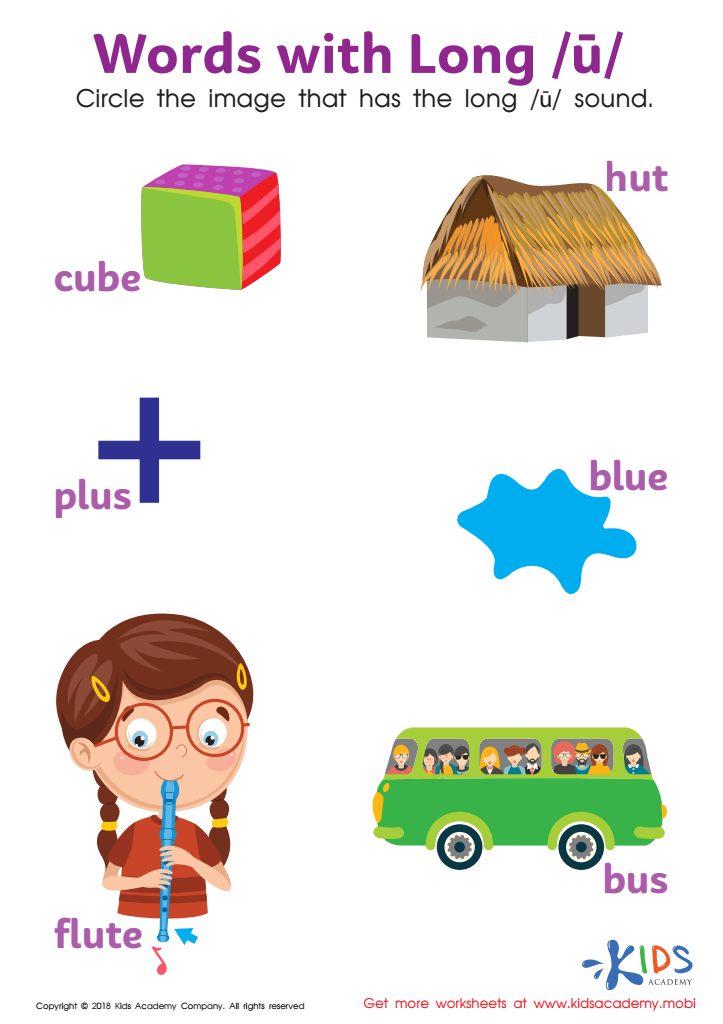
Words with Long U Reading Worksheet
 Assign to My Students
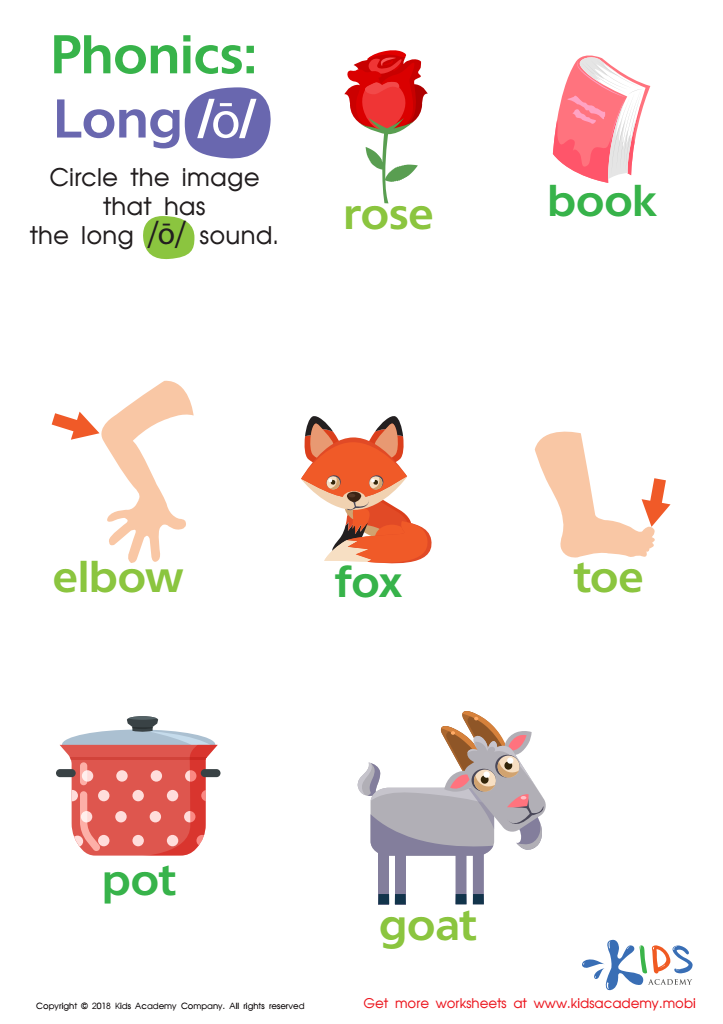
Phonics Long O Reading Worksheet
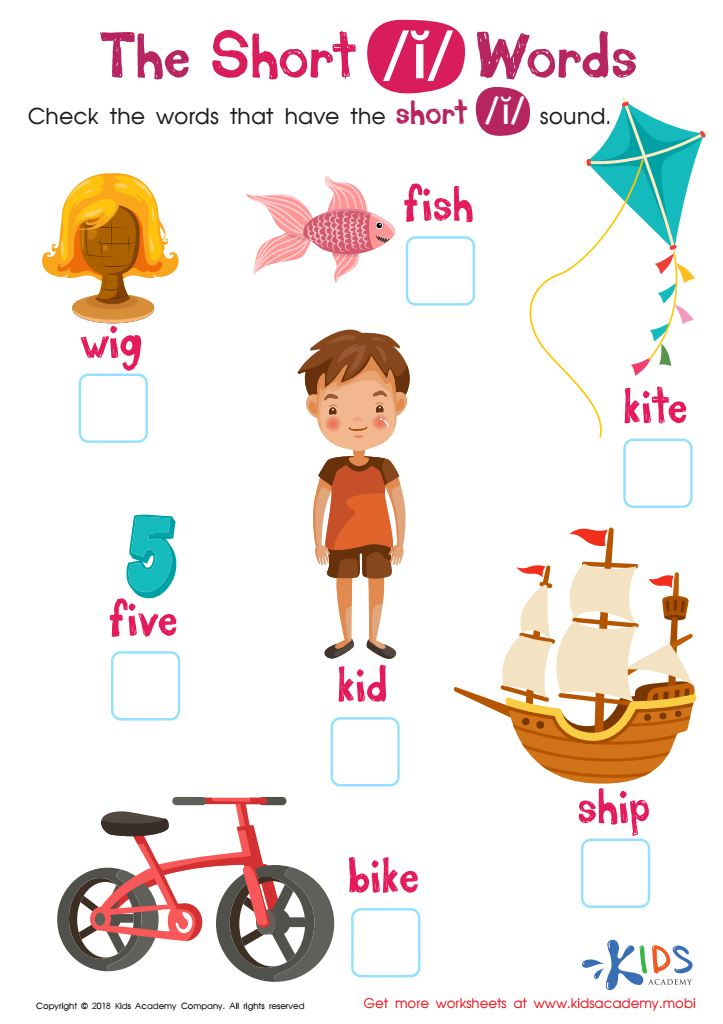
The Short I Words Reading Worksheet
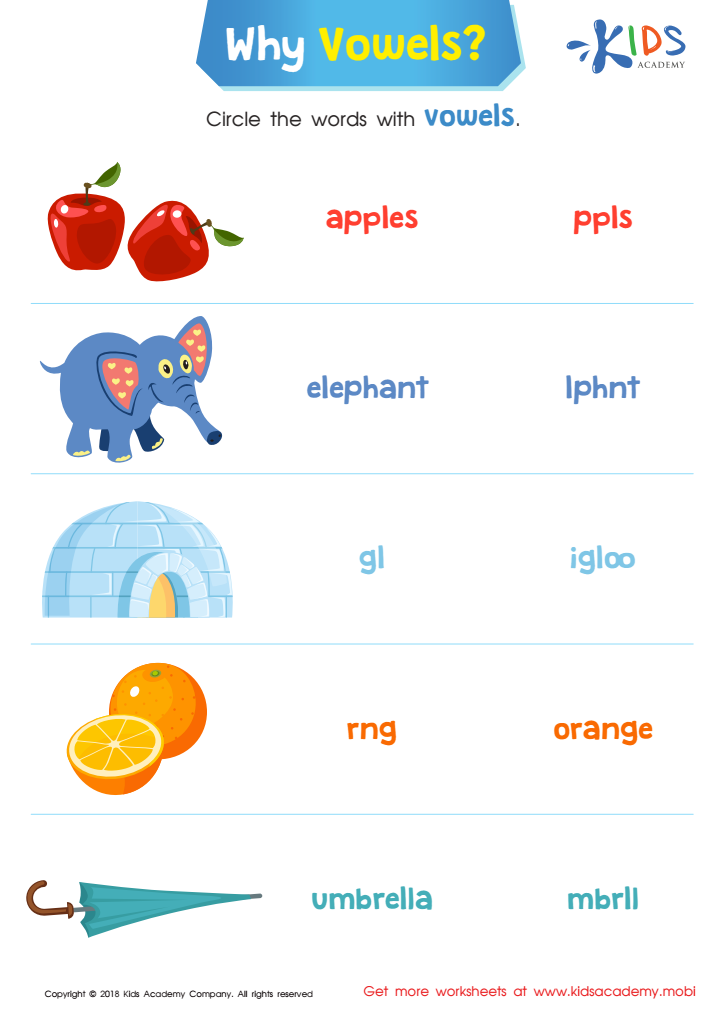
Why Vowels? Reading Worksheet
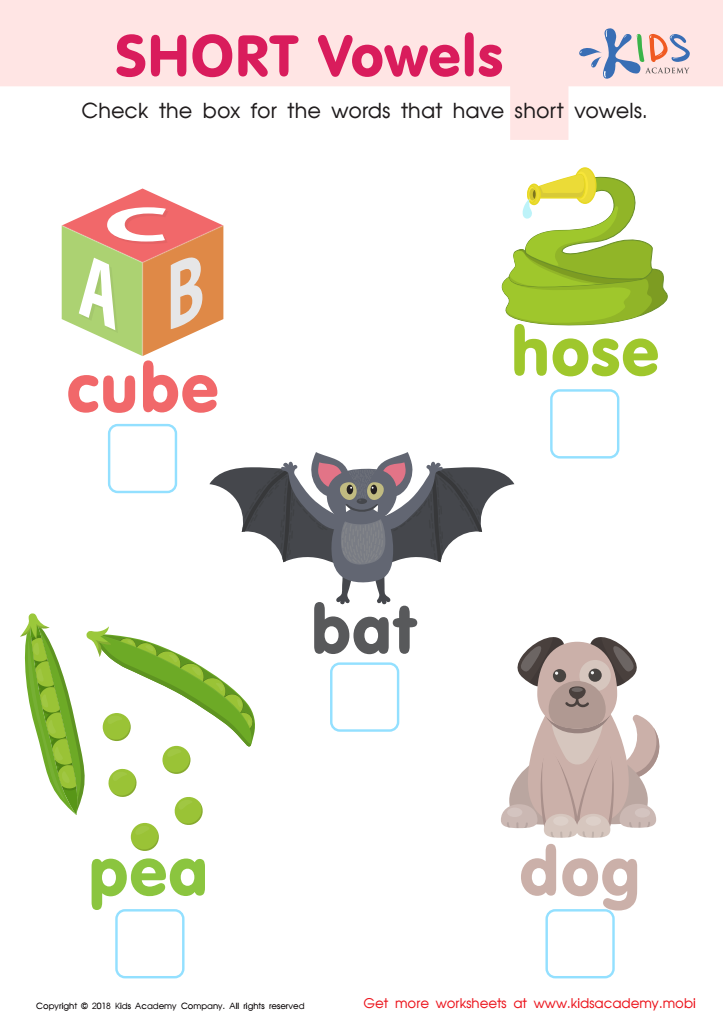
short vowels Worksheet




For children aged 3-4, understanding normal long and short vowels is fundamental to their language development and literacy skills. During this critical stage, children are beginning to explore the world of sounds and letters. Familiarizing them with vowel sounds—both long and short—helps to build the foundation for reading and phonemic awareness.
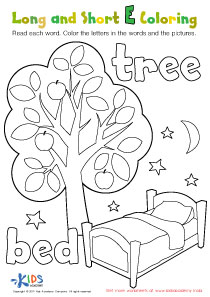
Short vowels, like the "a" in "cat" or "e" in "bed," are typically among the first sounds children learn, as they often appear in simple, commonly used words. Long vowels, such as the "a" in "face" or "e" in "tree," require more nuanced pronunciation, reinforcing phonetic skills.
When parents and teachers emphasize these vowel distinctions, they enhance a child’s ability to decode words and improve their pronunciation, ultimately fostering a love for reading. Furthermore, recognizing vowel sounds supports early writing skills, encouraging children to express themselves creatively through storytelling and penmanship.
In summary, emphasizing normal long and short vowels can greatly enhance children’s language proficiency, setting them on a path to academic success and effective communication skills later in life.