Alphabet Recognition Normal Alphabet Worksheets for Ages 4-7 - Page 2
32 filtered results
-
From - To
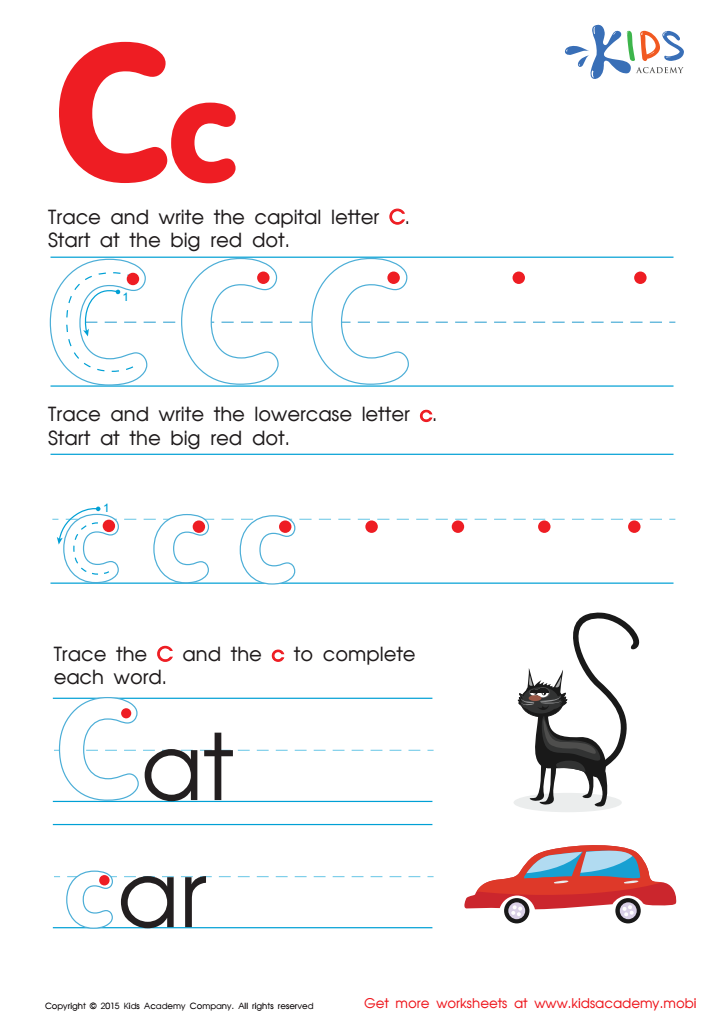
Letter C Tracing Page
 Assign to My Students
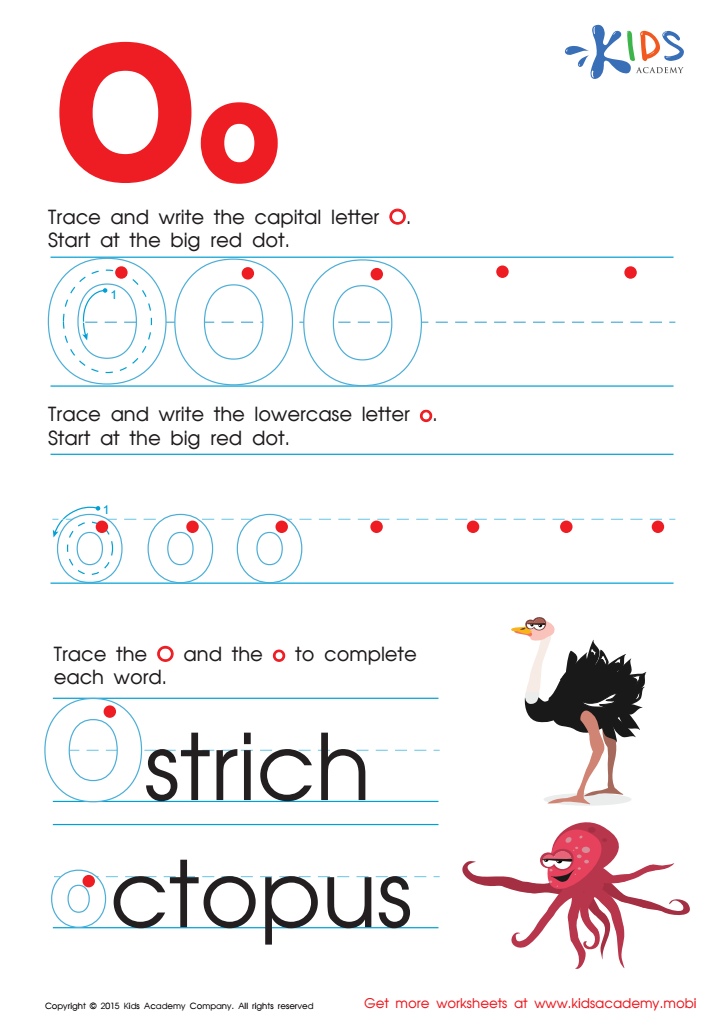
Letter O Tracing Page
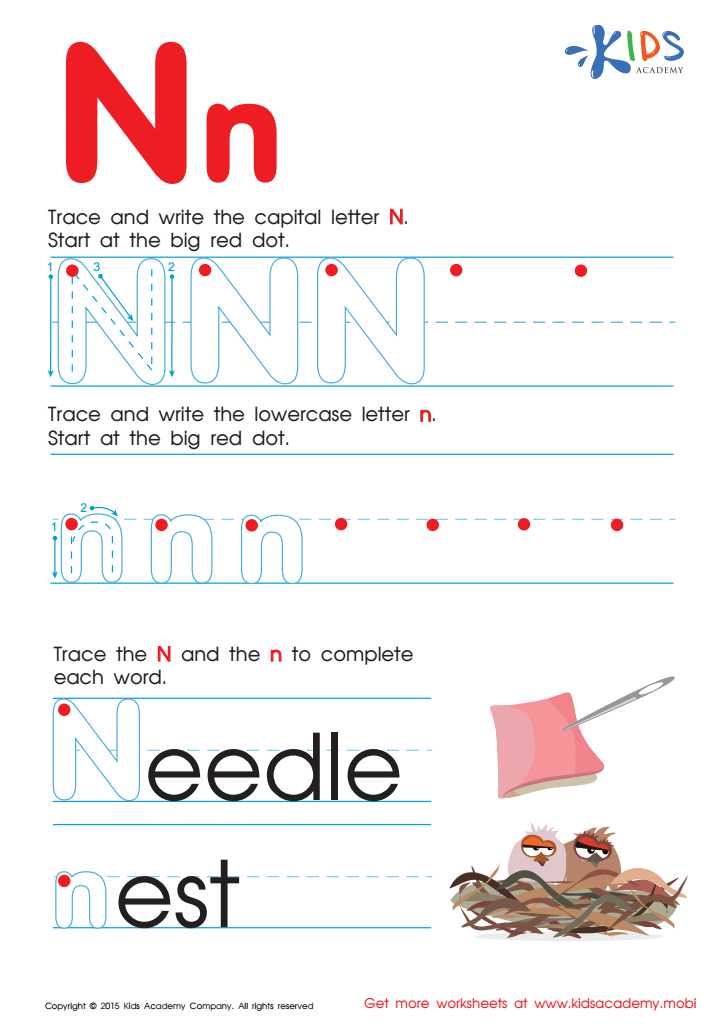
Letter N Tracing Page
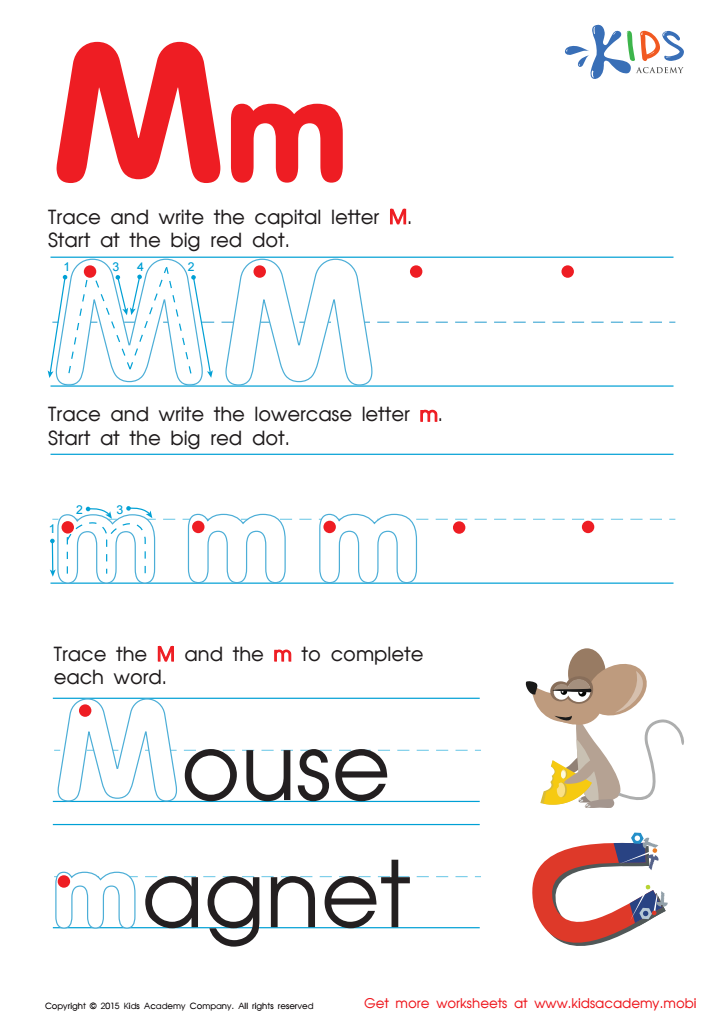
Letter M Tracing Page
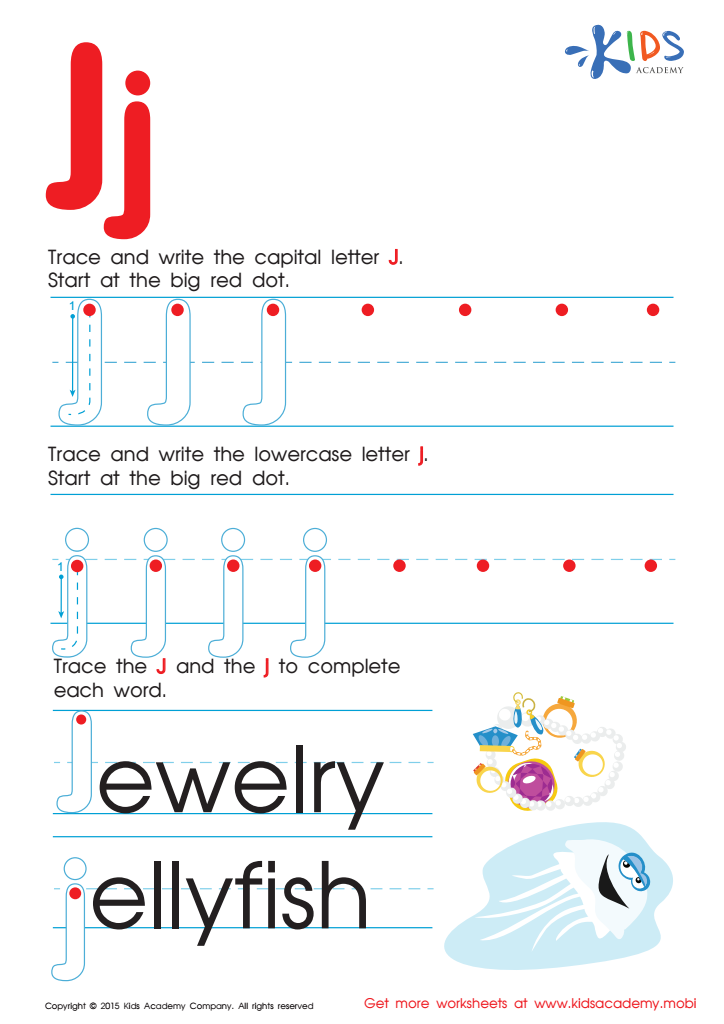
Letter J Tracing Page
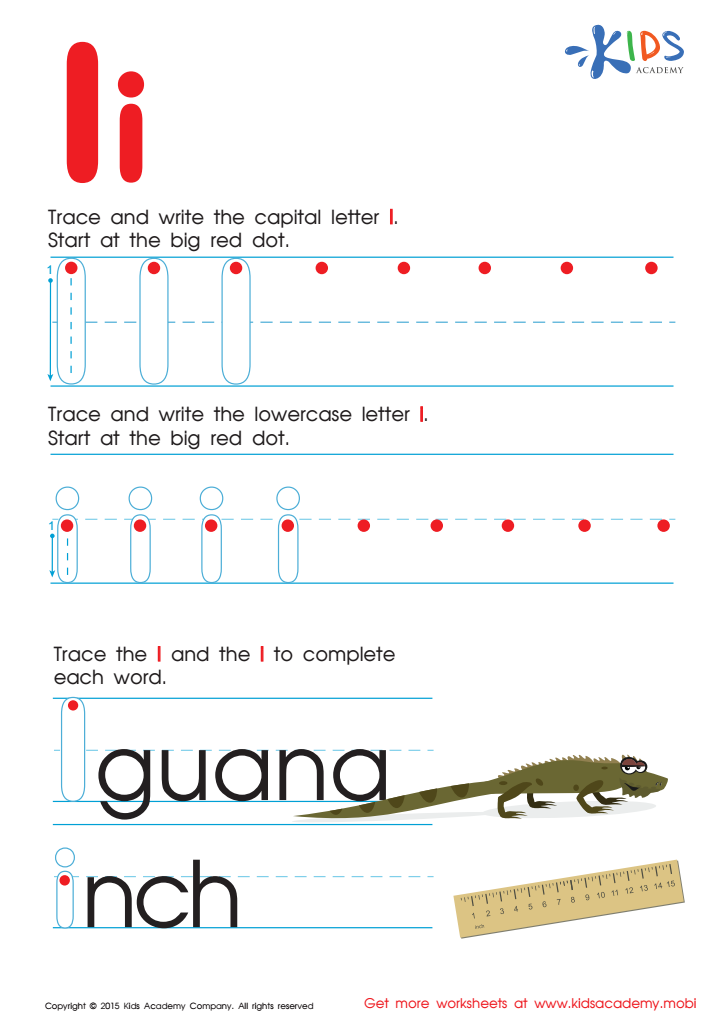
Letter I Tracing Page
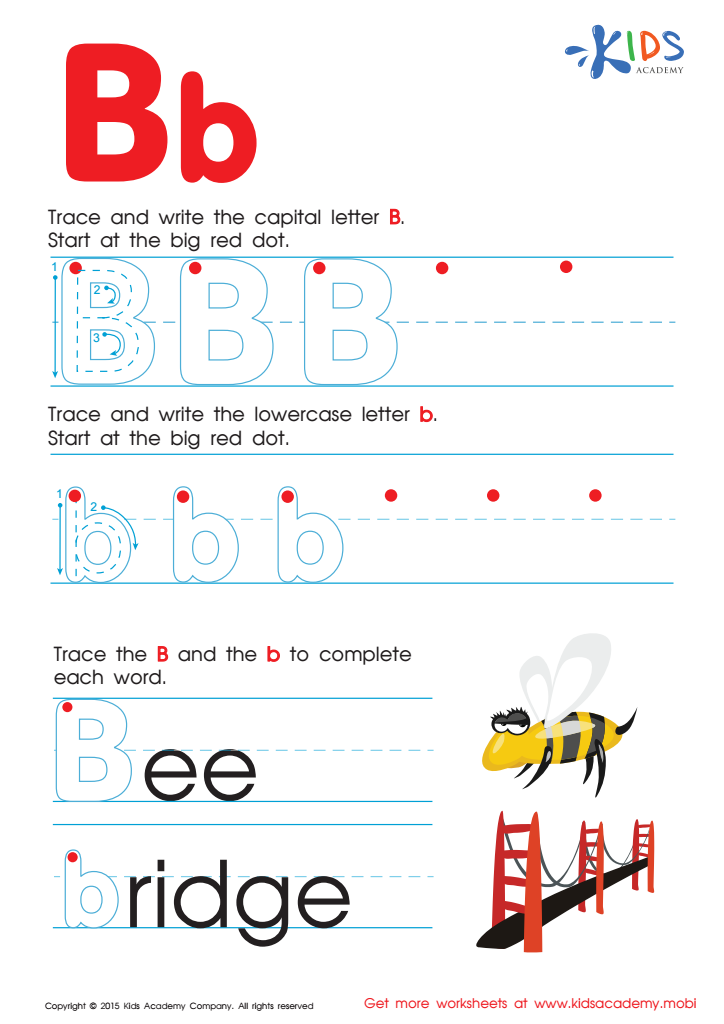
Letter B Tracing Page
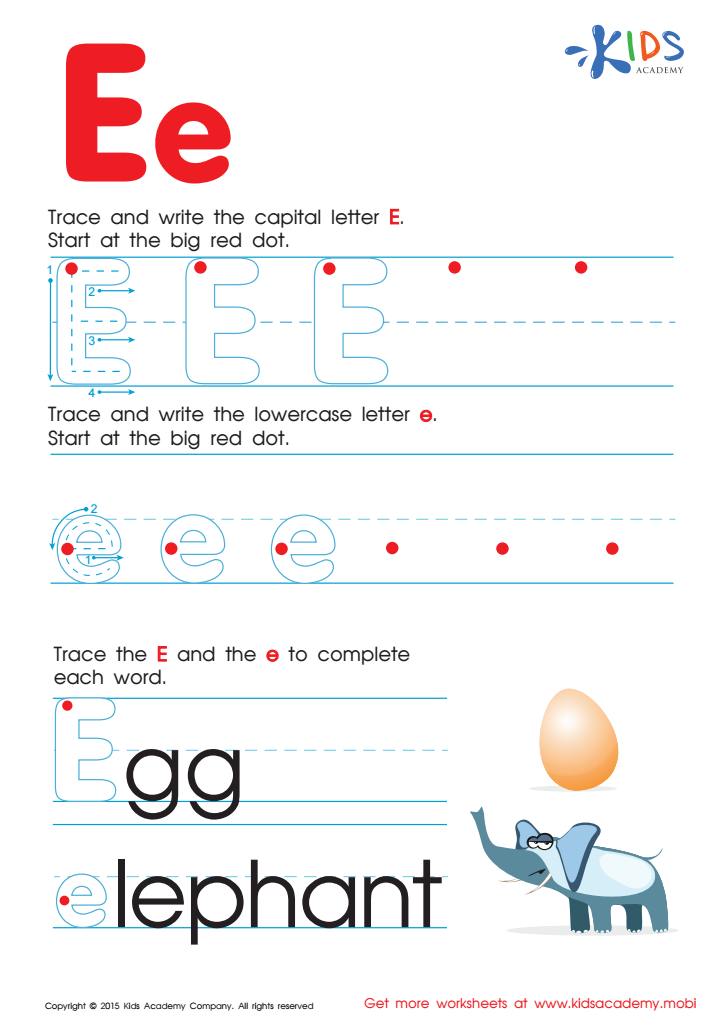
Letter E Tracing Page



.jpg)



Alphabet recognition is a foundational skill critical for early literacy development in children aged 4-7. It acts as the building block for reading and writing, pivotal abilities for academic success. Parents and teachers who prioritize alphabet recognition can significantly aid their children’s learning journey.
Understanding the letters of the alphabet and their corresponding sounds helps children decode words when they start reading. This familiarity enables them to identify patterns in language, fostering phonemic awareness—a crucial skill for fluent reading. Alphabet recognition also influences spelling, allowing children to construct and deconstruct words effectively.
Teaching the alphabet in a playful and engaging manner can mitigate future learning challenges, instilling confidence in young learners. Interactive methods, such as songs, games, and hands-on activities, make learning letters a fun experience, enhancing retention and interest in literacy.
Moreover, early success in alphabet recognition can foster a positive attitude toward education overall. A strong grasp of the alphabet paves the way for a smoother transition to more complex tasks, such as reading comprehension and written communication.
Therefore, investing time and resources in teaching alphabet recognition not only supports immediate literacy skills but also lays the groundwork for lifelong learning and academic achievement.







