Alphabet Recognition Preschool Letter Recognition Worksheets - Page 2
34 filtered results
-
From - To

Letter N Tracing Page

Letter B Tracing Page
Letter P Coloring Sheet
 Assign to My Students
Letter E Tracing Page
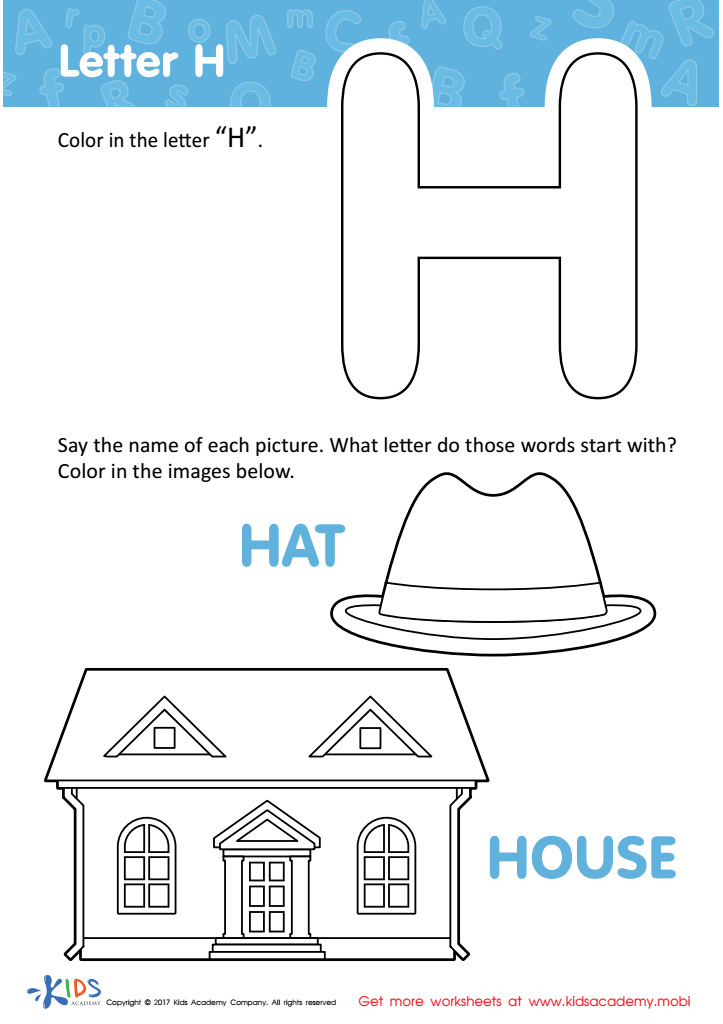
Letter H Coloring Sheet
Assign to My Students
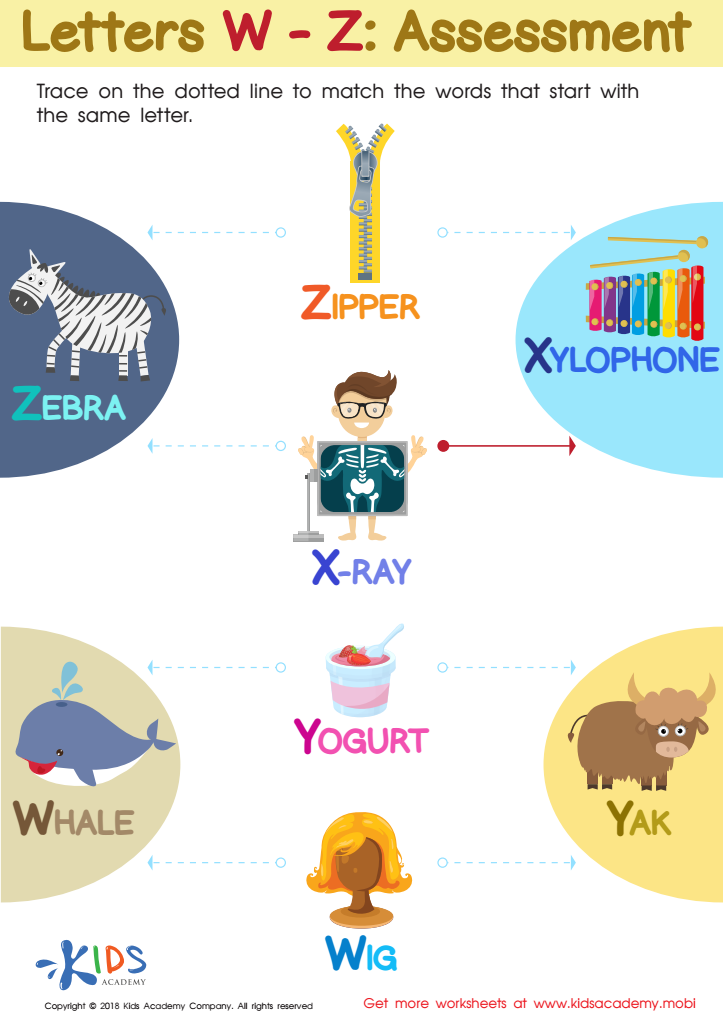
Letters W–Z Tracing Worksheet
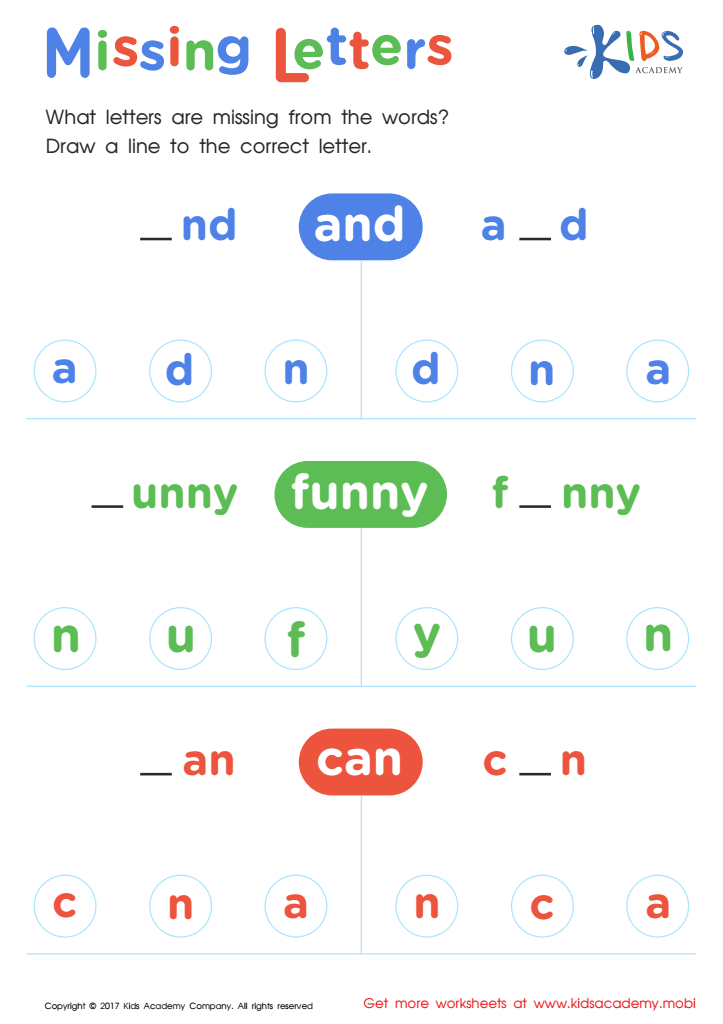
Missing Letters Worksheet
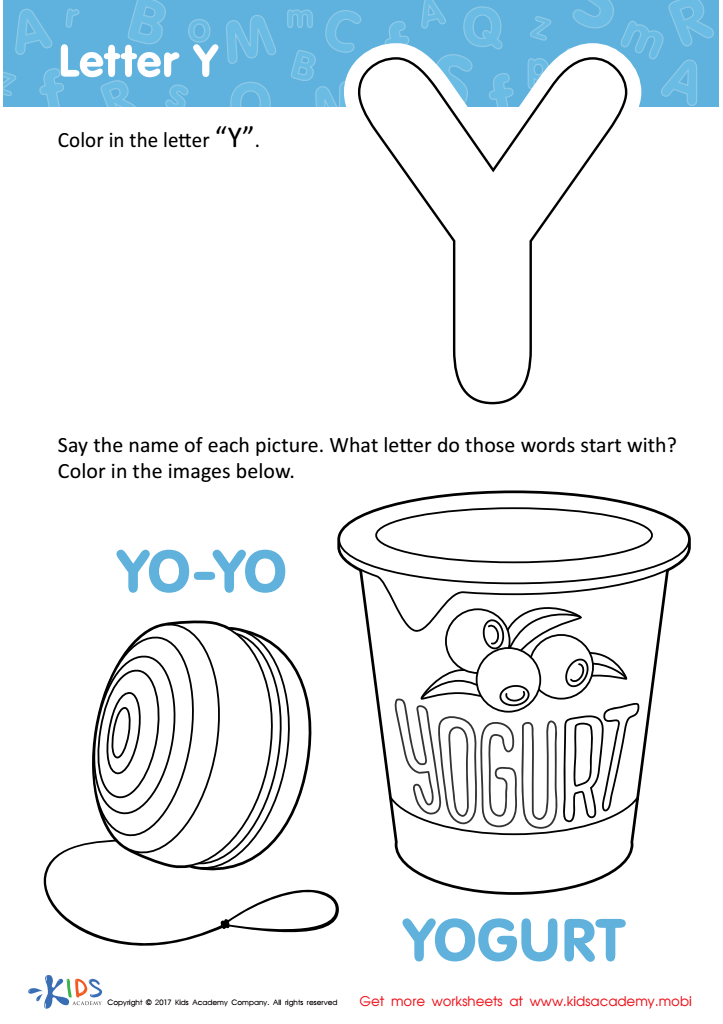
Letter Y Coloring Sheet
Assign to My Students
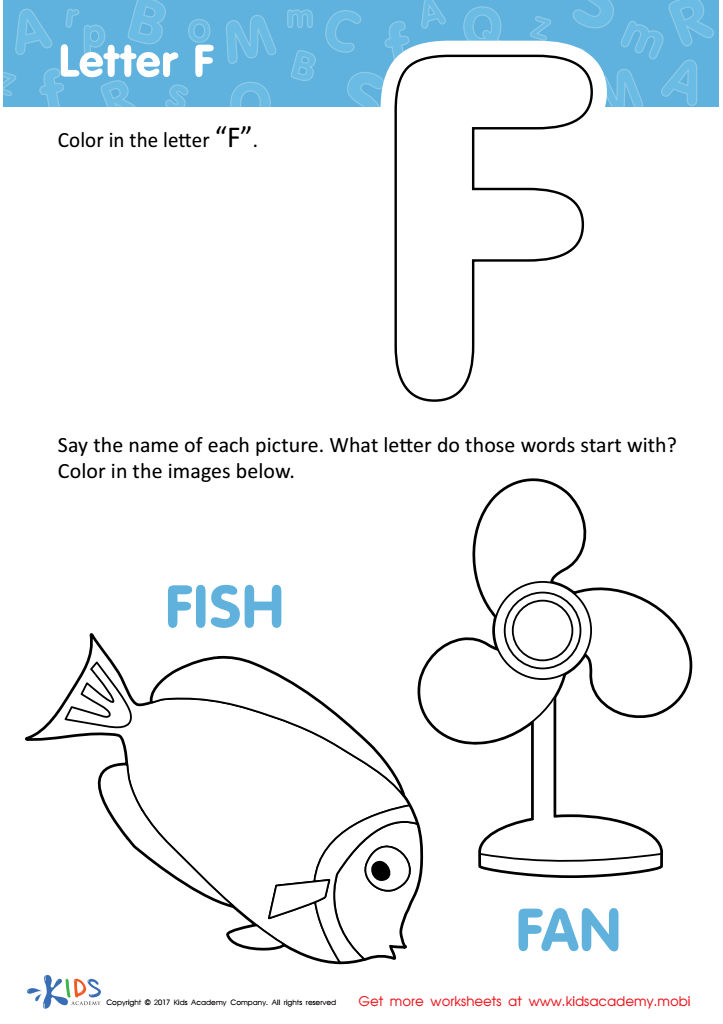
Letter F Coloring Sheet
Assign to My Students
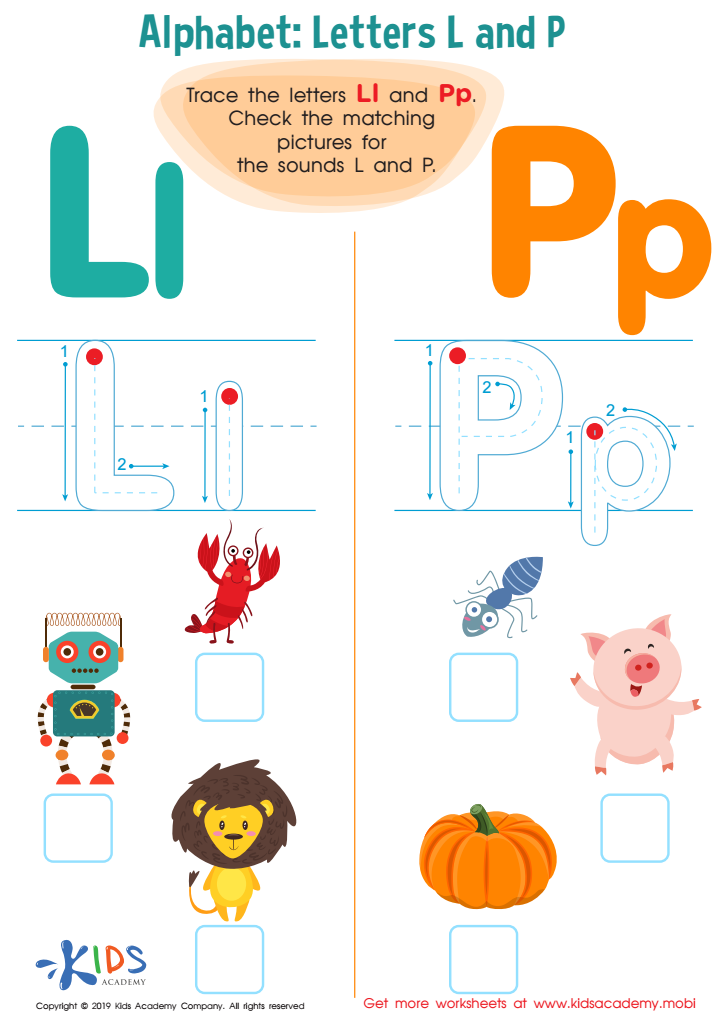
Letter L and P Tracing Worksheet





Alphabet recognition and letter recognition are fundamental milestones in a child's early educational journey, playing a crucial role in their overall cognitive and academic development. Parents and teachers should care deeply about these skills for several reasons.
Firstly, alphabet recognition is directly linked to reading readiness. Understanding the shapes and sounds of each letter is the primary step toward phonemic awareness—the ability to hear, identify, and manipulate phonemes, the smallest units of sound in speech. This awareness is essential for developing decoding skills, which are necessary for learning to read and write.
Secondly, early mastery of alphabet and letter recognition boosts a child's confidence and enthusiasm for learning. When children recognize letters and begin forming words on their own, it fosters a sense of achievement, motivating them to engage more with literacy activities. This positive reinforcement is key to a lifelong love of reading and learning.
Moreover, these skills are foundational for effective communication. Children who struggle with letter recognition may find it challenging to follow along with classroom activities, leading to potential frustration and disengagement. Early intervention can help prevent these issues, ensuring that no child falls behind and that all children can participate fully in educational experiences.
In essence, paying attention to alphabet and letter recognition lays the groundwork for a child’s future success in literacy, communication, and overall academic achievement. Parents and teachers, as partners in a child’s education, should prioritize these early learning goals to foster a robust educational foundation.