Basic Math Skills Preschool Adding in the Sea Worksheets
4 filtered results
-
From - To
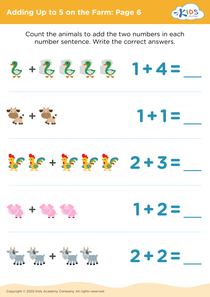
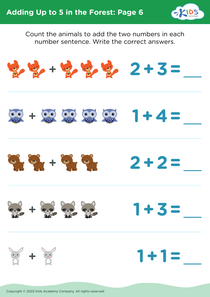
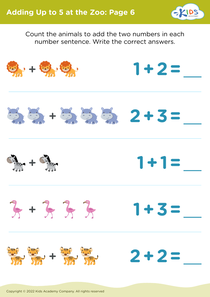
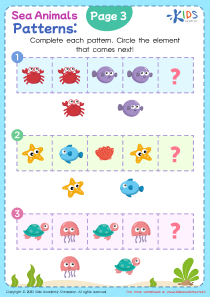
Dive into learning with our engaging "Basic Math Skills Preschool Adding in the Sea Worksheets"! These fun, ocean-themed printable activities make mastering early addition a breeze for your little ones. Designed to capture the imaginations of preschoolers, each worksheet is filled with colorful sea creatures and simple math problems that boost counting and addition skills. Ideal for hands-on practice, these worksheets provide a solid foundation for future math success. Help your child discover the joy of learning with our accessible and delightful resources, perfect for classroom or at-home learning. Explore the depths of math fun today!
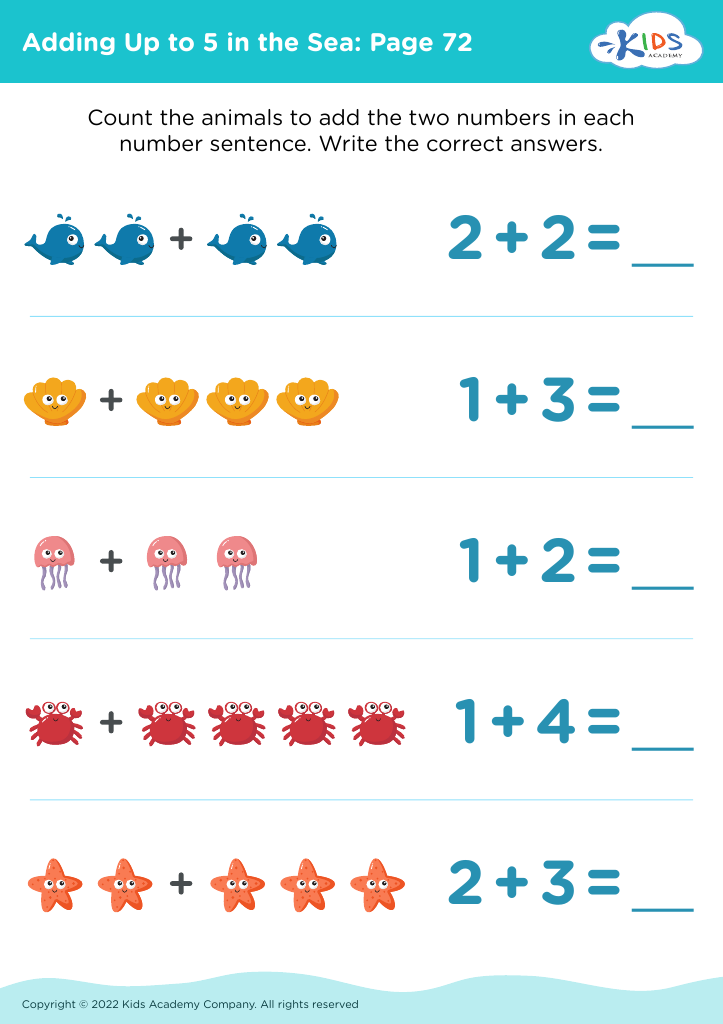
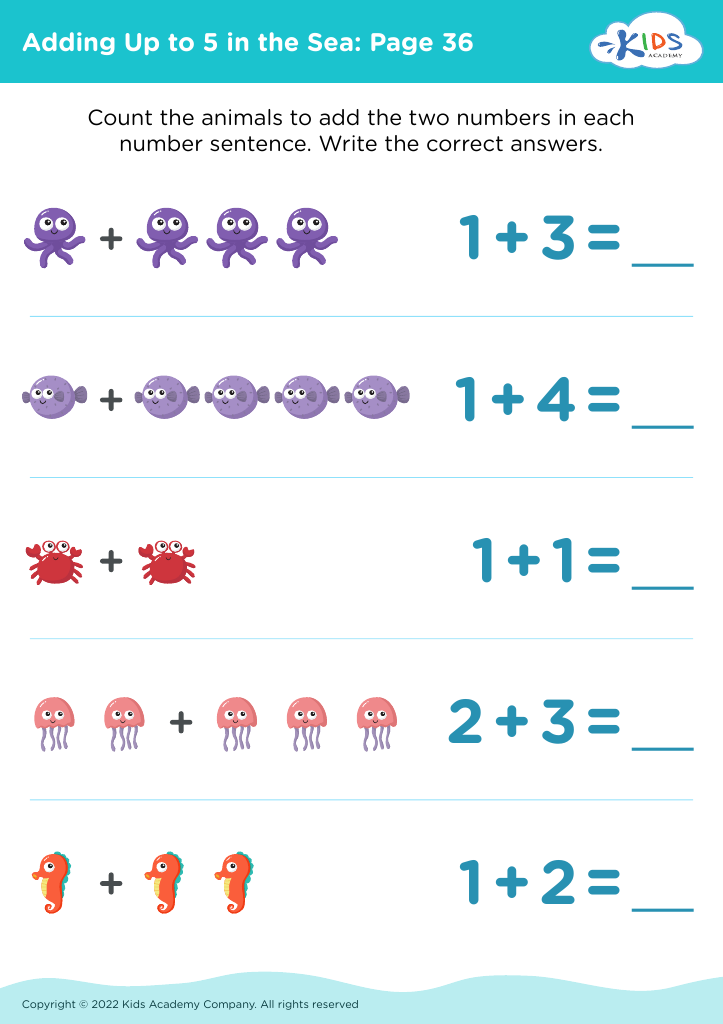
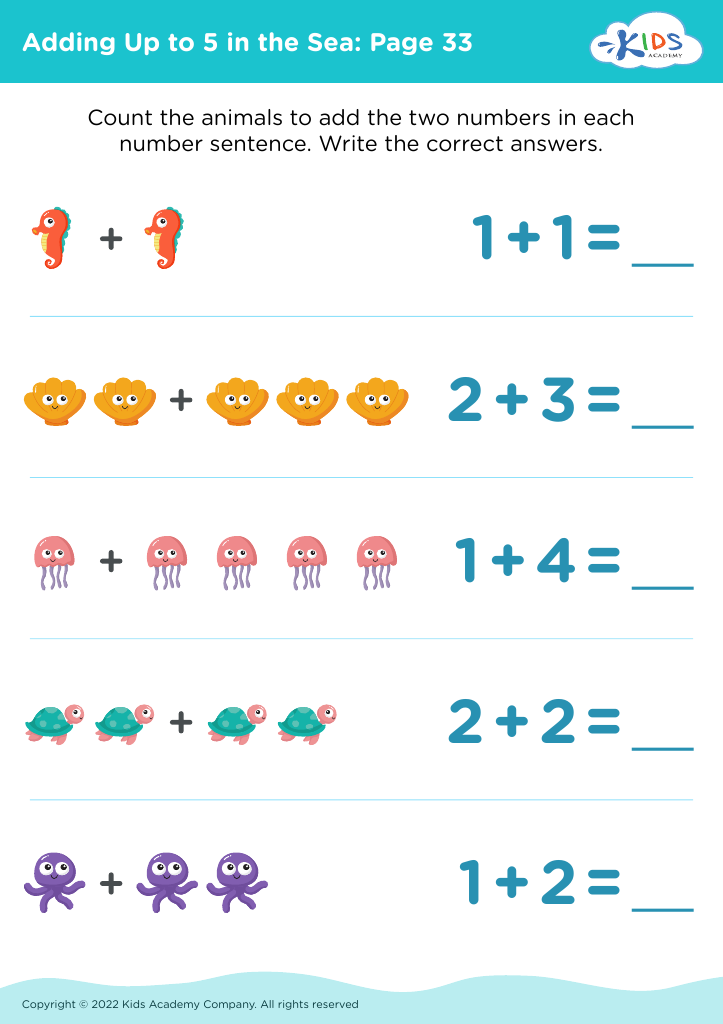
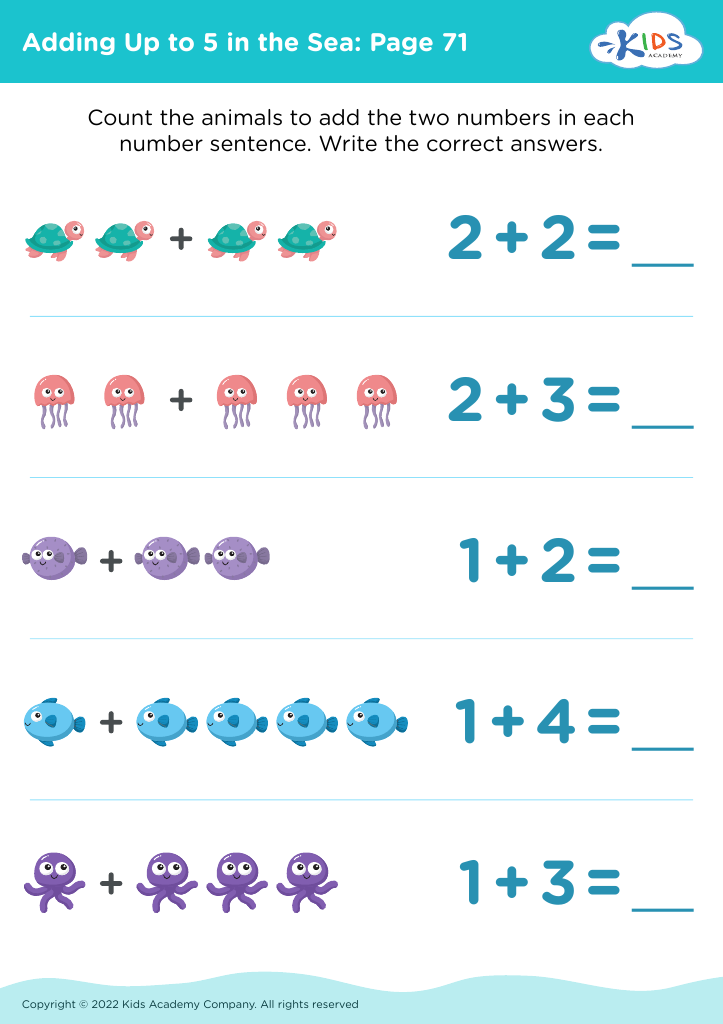


Parents and teachers should care about Basic Math Skills Preschool Adding in the Sea because it provides a foundational understanding essential for later academic success. Learning to add in an engaging context, like using sea creatures, makes math more relatable and interesting for young children. This visual and thematic approach captures their attention, fostering a love for learning.
Basic math skills developed at an early age build confidence and prepare preschoolers for more complex math concepts they'll encounter in elementary school and beyond. Early proficiency in math is linked to better problem-solving abilities, critical thinking, and logical reasoning; these are crucial skills not just in math but across numerous academic and real-life situations.
Moreover, incorporating playful elements, such as sea animals, aligns with developmentally appropriate practices. It supports the fine balance of education and play, an effective method in early childhood learning. It also allows children to explore abstract concepts in a concrete way, aiding in better retention and comprehension. Parents and teachers who support such learning experiences are helping to ensure that foundational math skills are solidified, providing a springboard for future academic achievements and a positive attitude towards education overall.