Fine Motor Skills Preschool Addition & Subtraction Worksheets
37 filtered results
-
From - To
Enhance your preschooler's fine motor skills and early math abilities with our engaging addition and subtraction worksheets! Designed specifically for young learners, these worksheets combine fun activities with critical skill development. Each worksheet offers opportunities to practice number recognition, counting, and basic arithmetic while promoting hand-eye coordination and dexterity. Through colorful illustrations and interactive tasks, children will enjoy mastering addition and subtraction concepts in a playful manner. Perfect for classroom use or at-home learning, our printable worksheets will help foster a love for math and support essential fine motor skill development. Explore our collection today and watch your child's confidence grow!
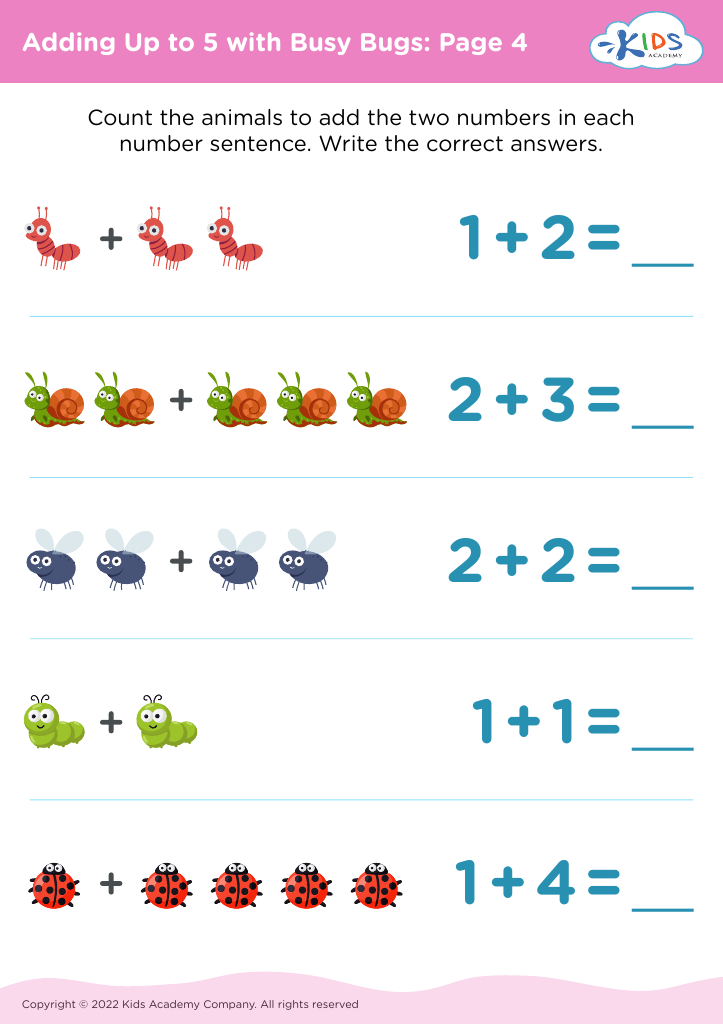
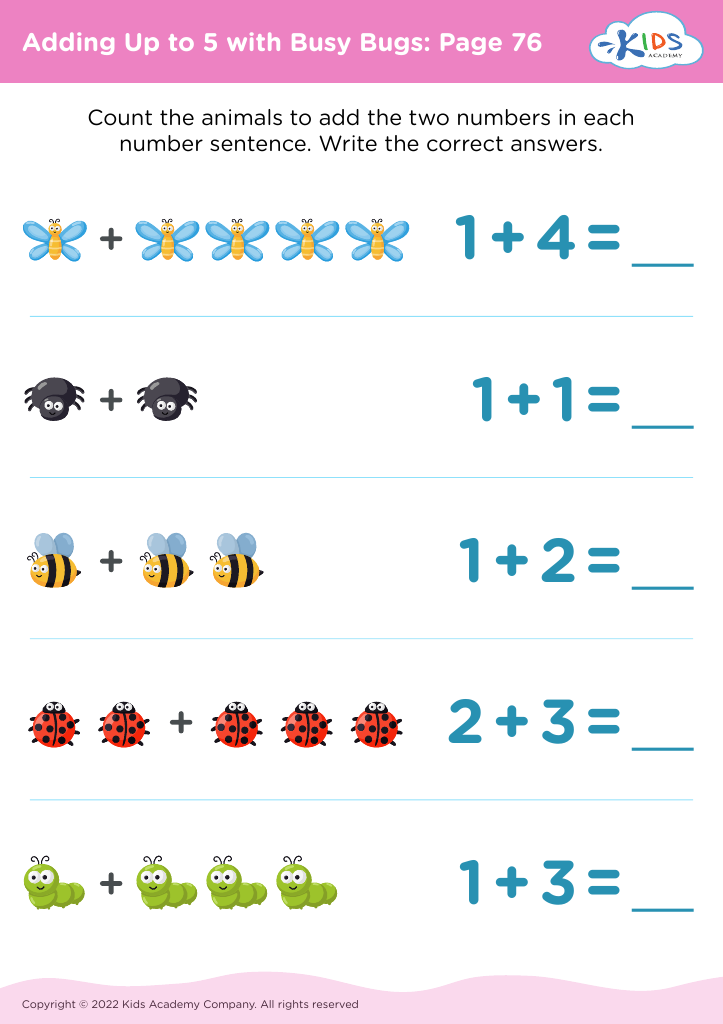
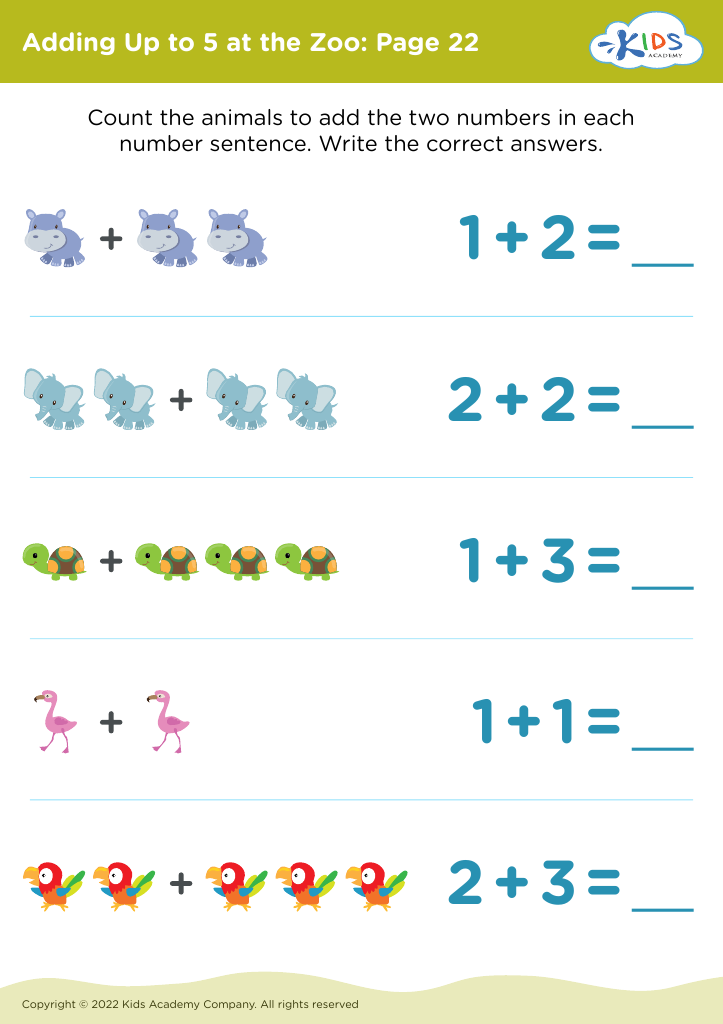
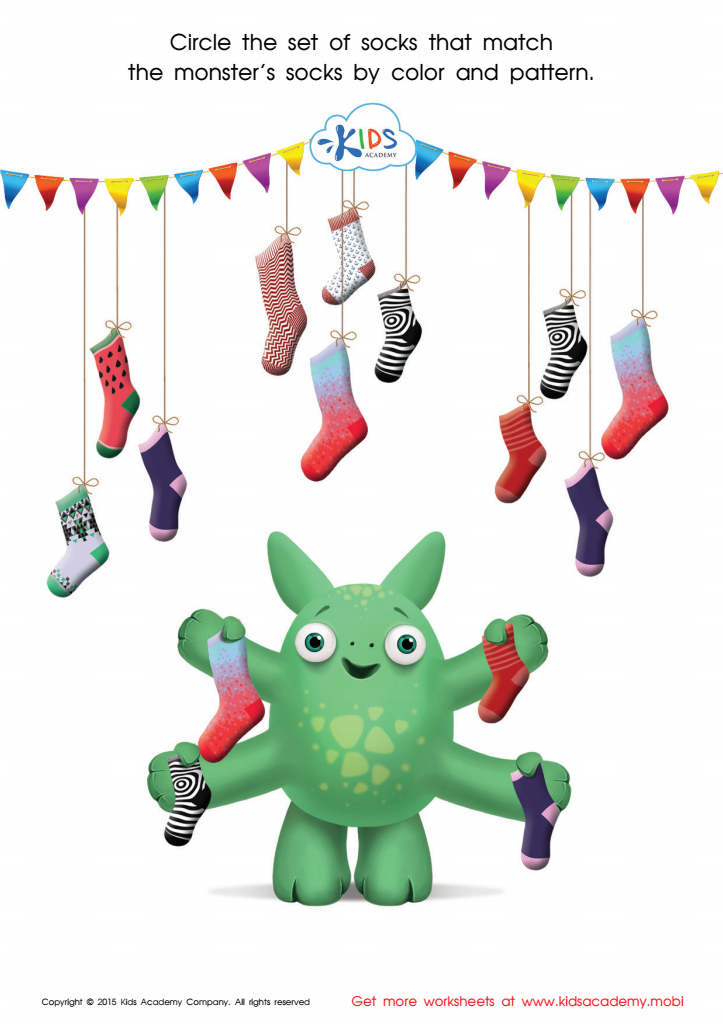
Sort the Monster's Socks Worksheet
 Assign to My Students
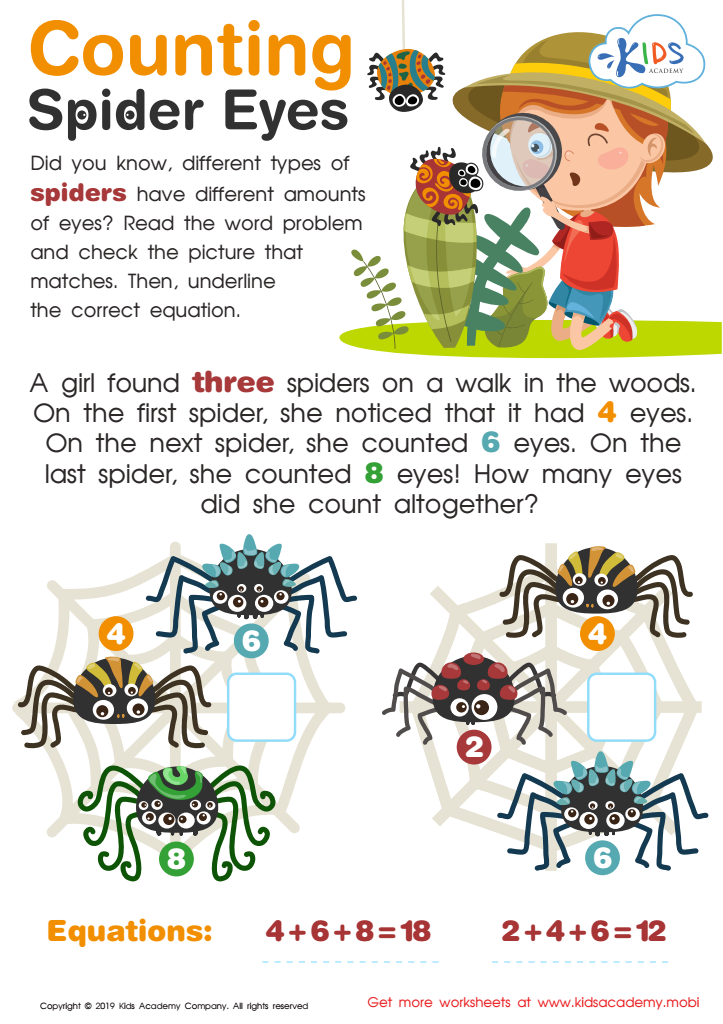
Counting Spider Eyes Worksheet
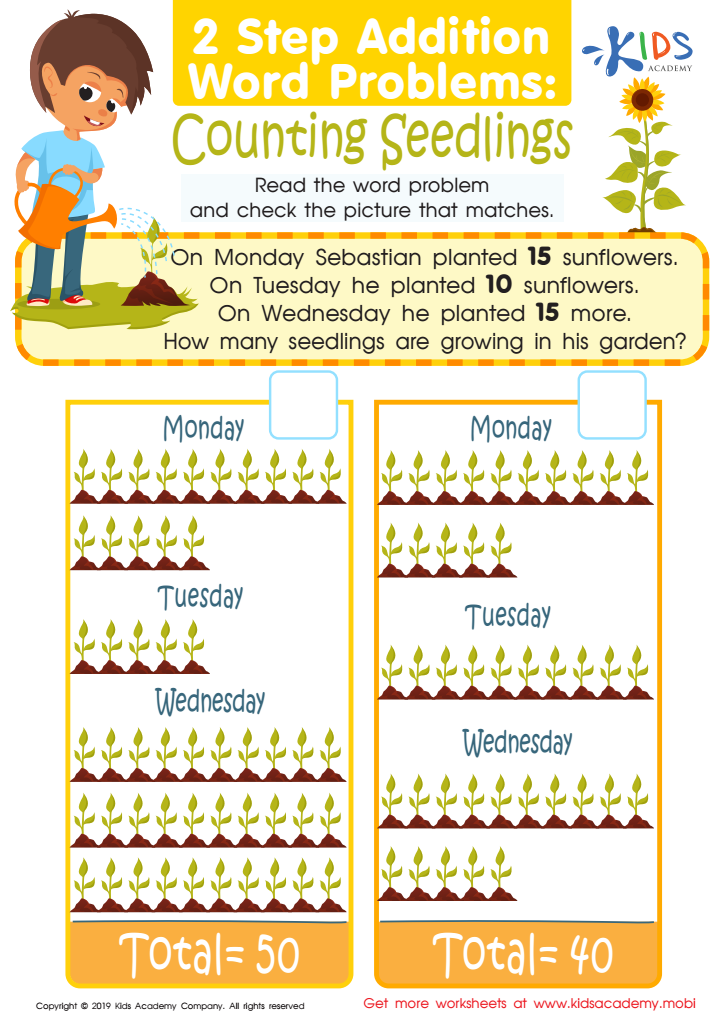
Counting Seedlings Worksheet
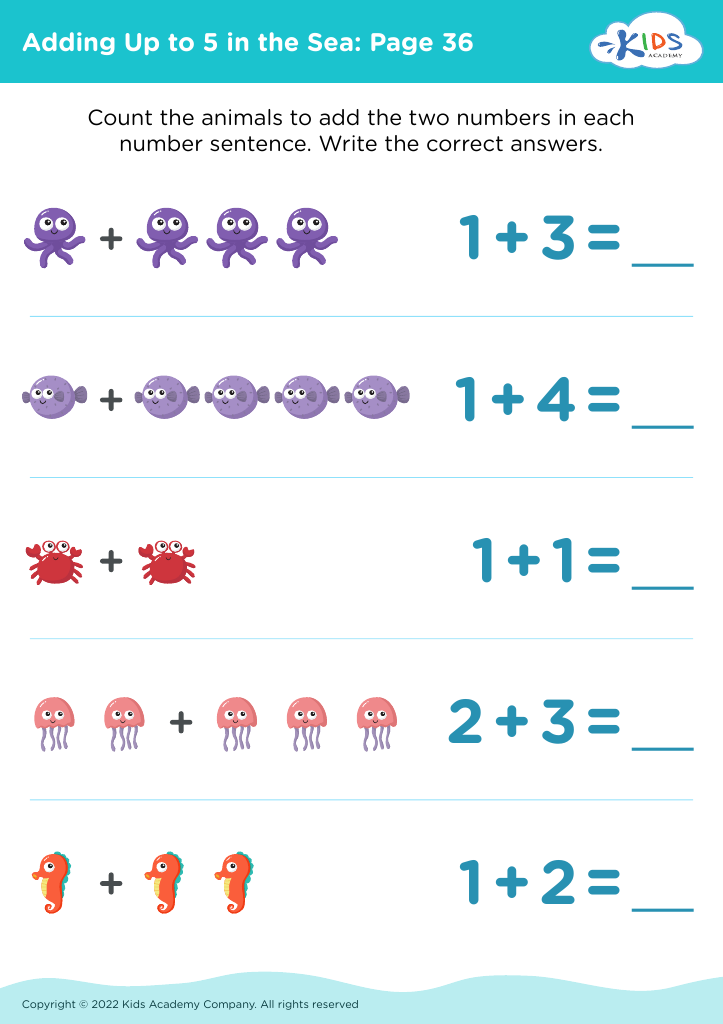
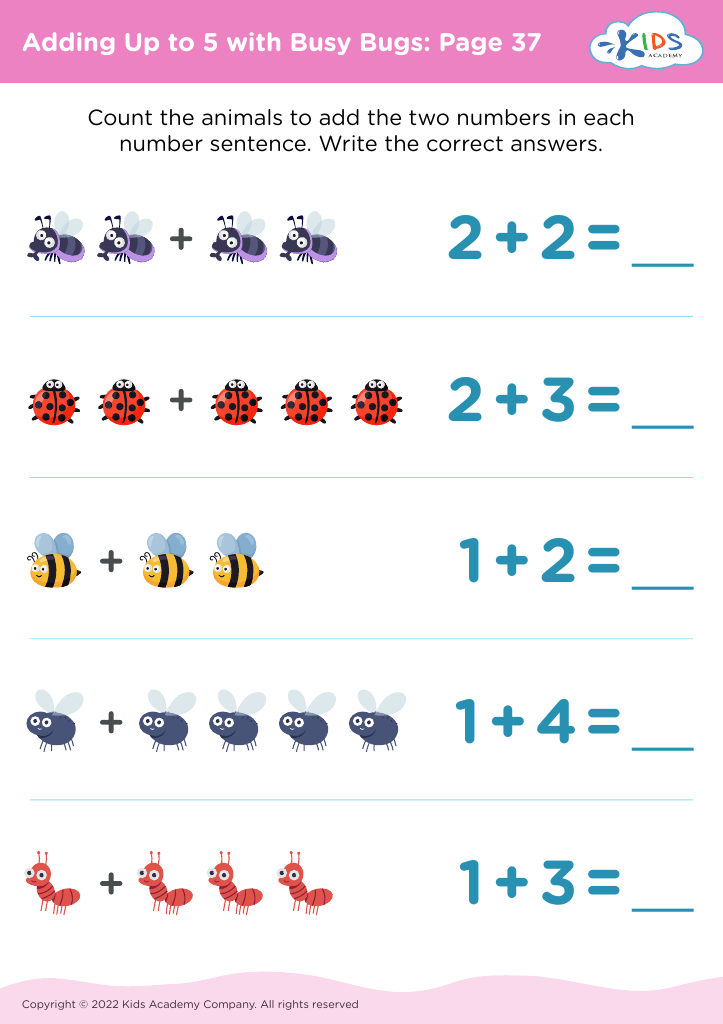
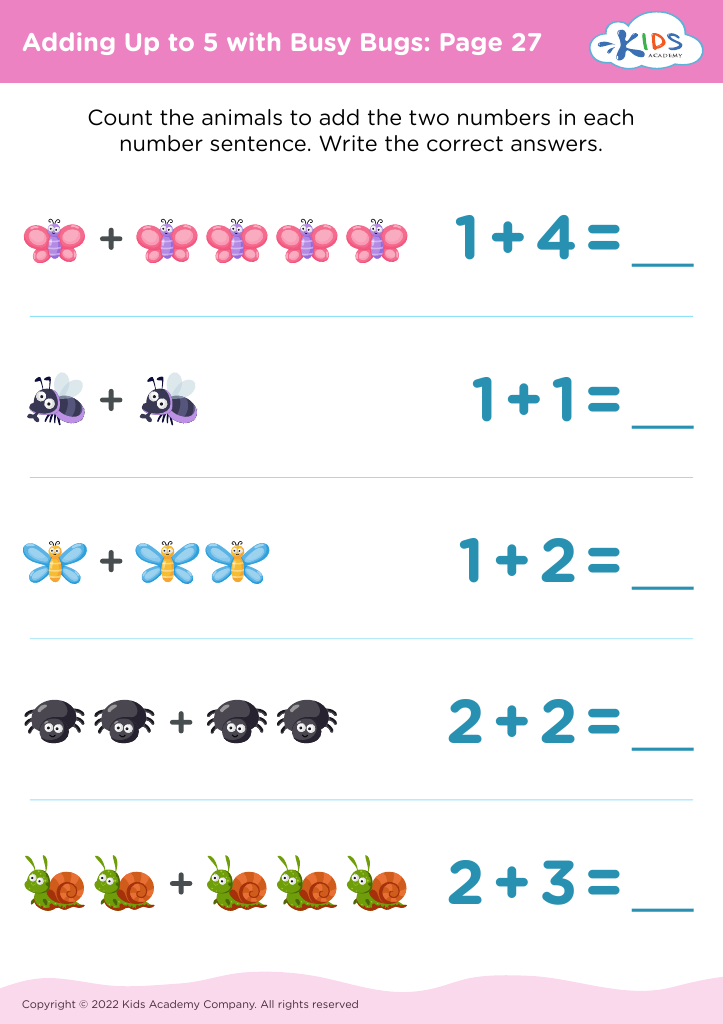
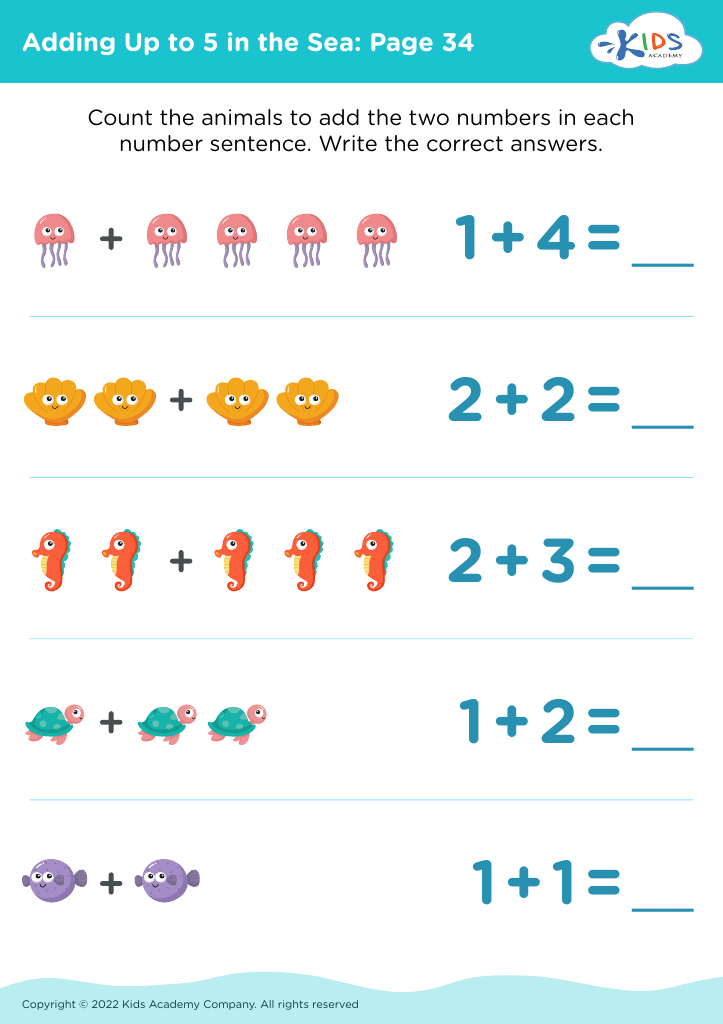
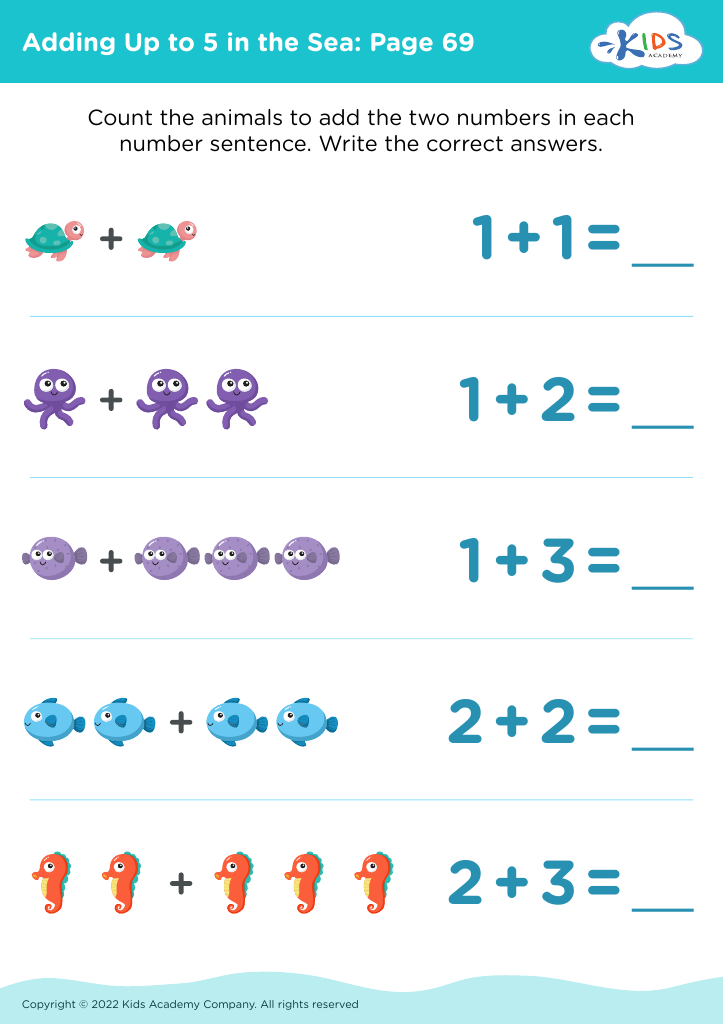
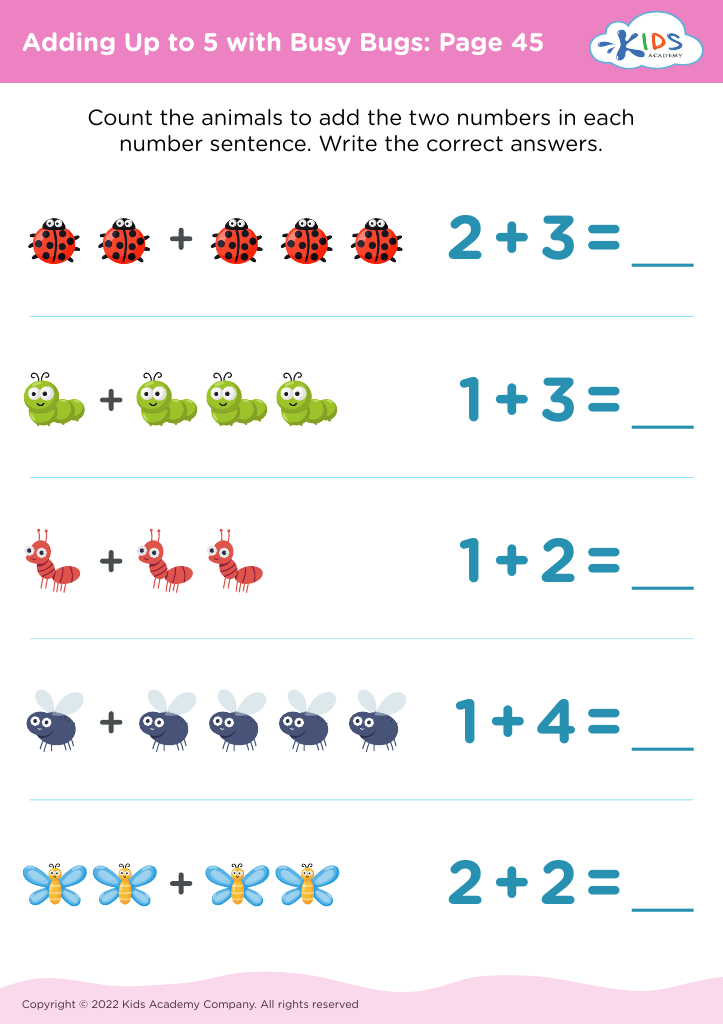
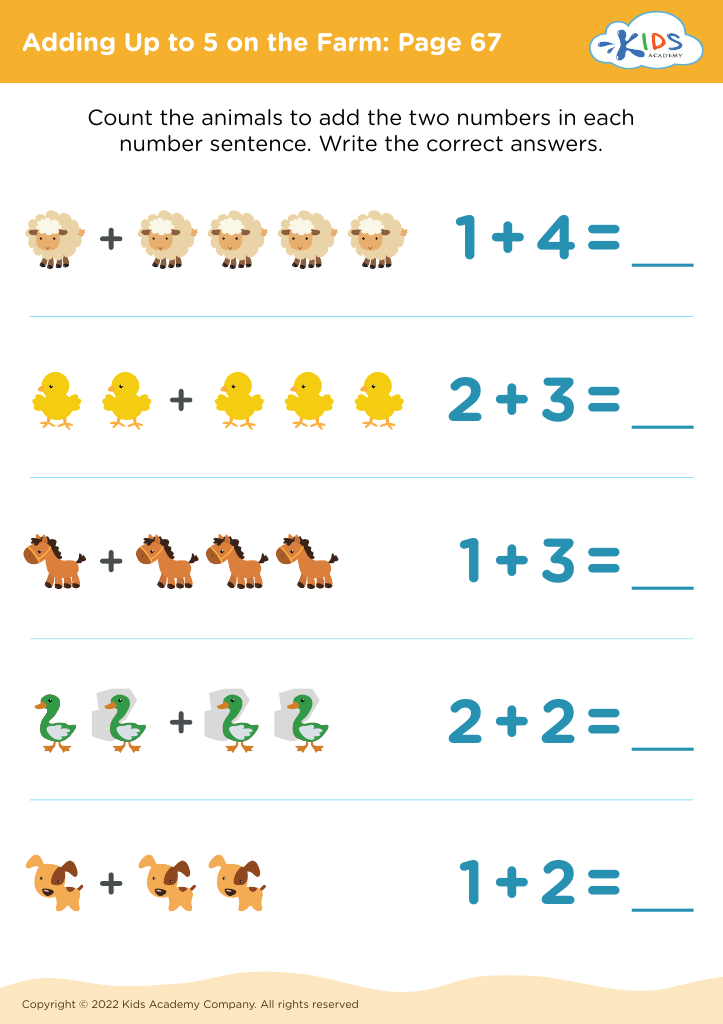
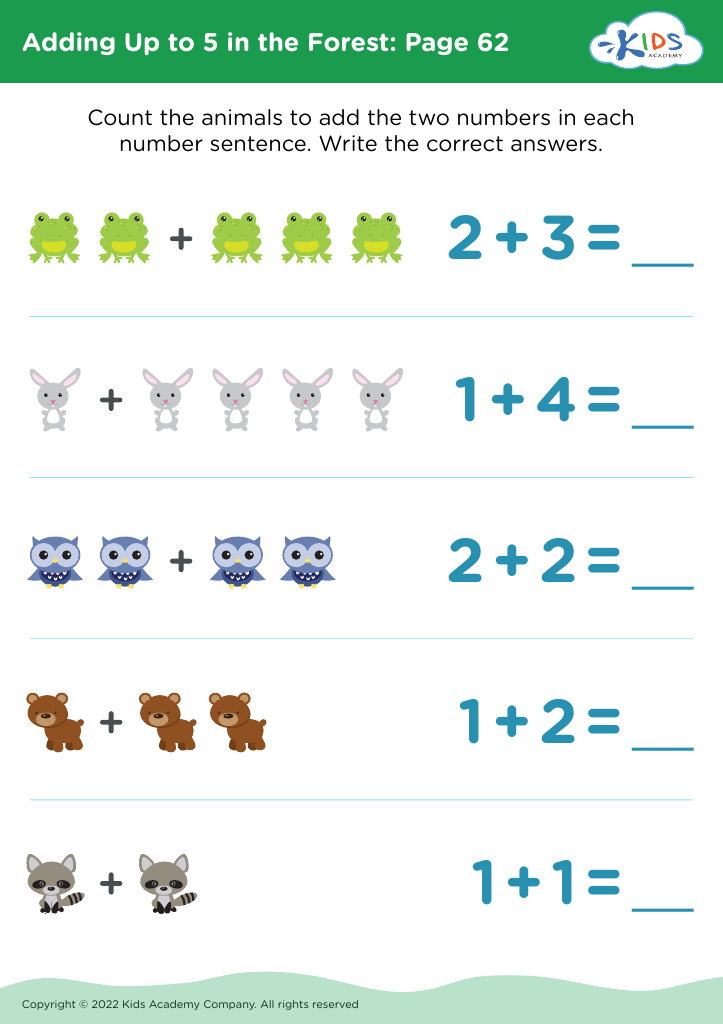
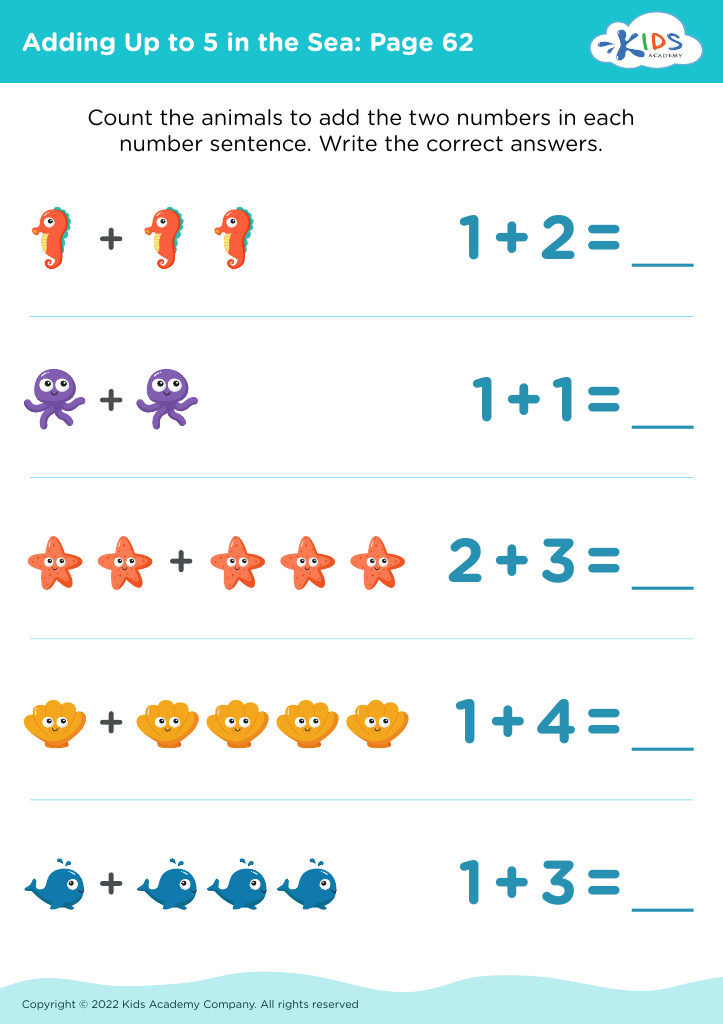
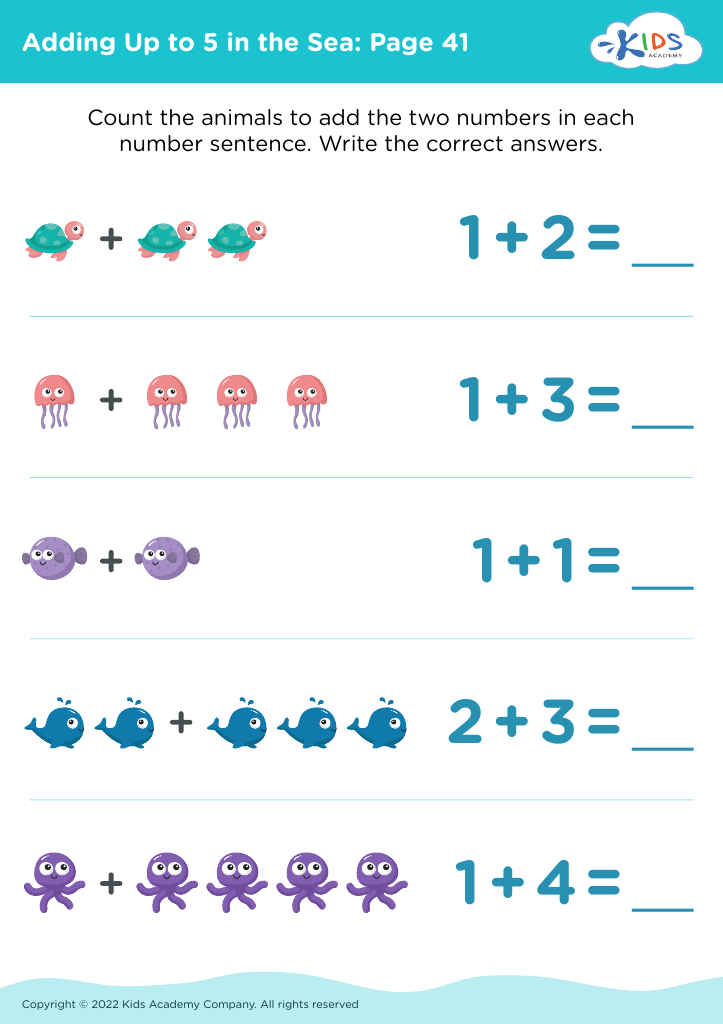
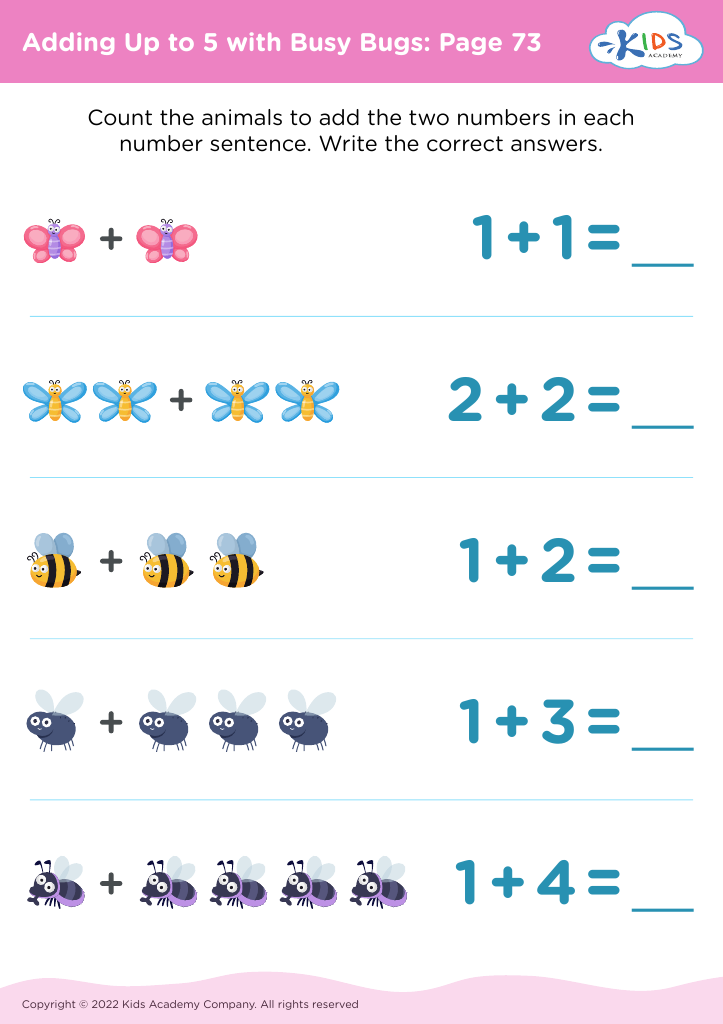
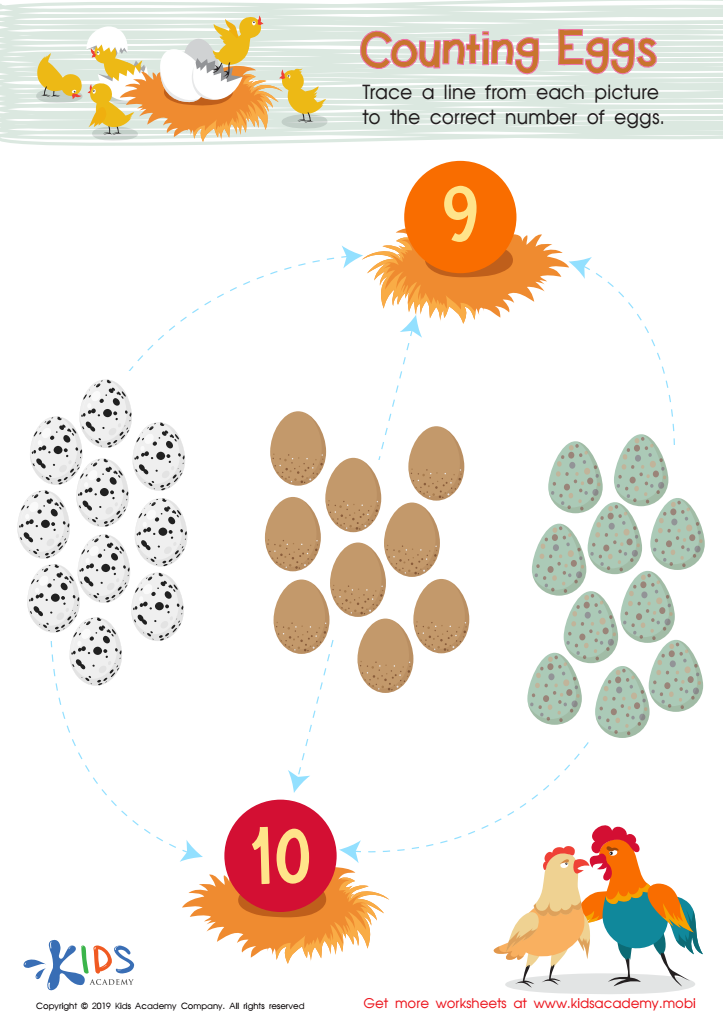
Counting Eggs Worksheet
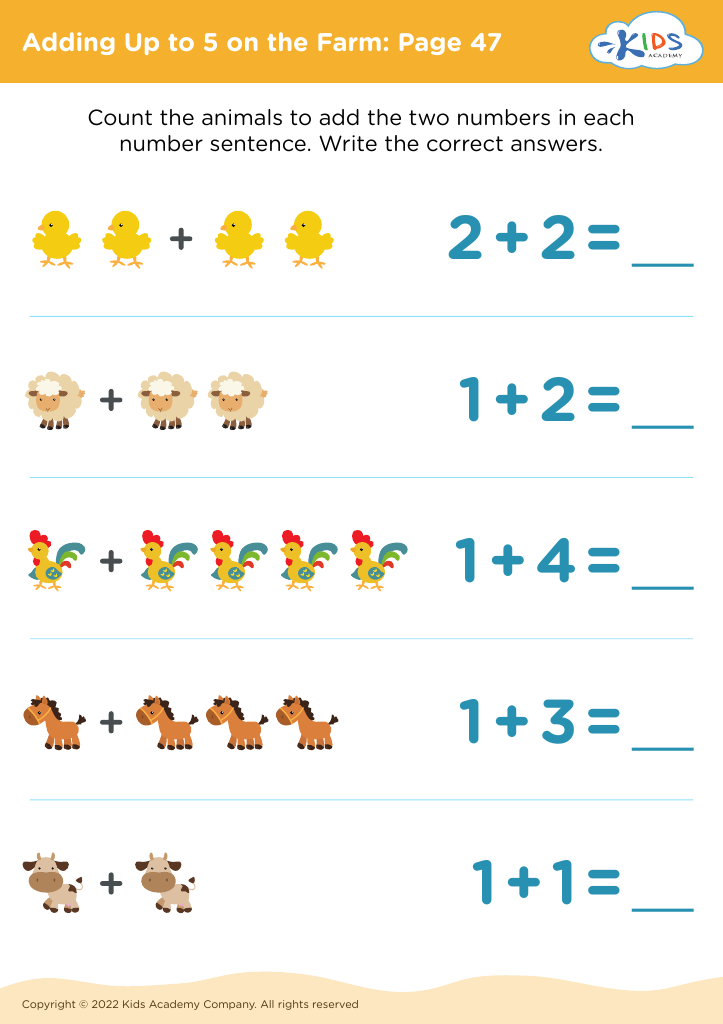
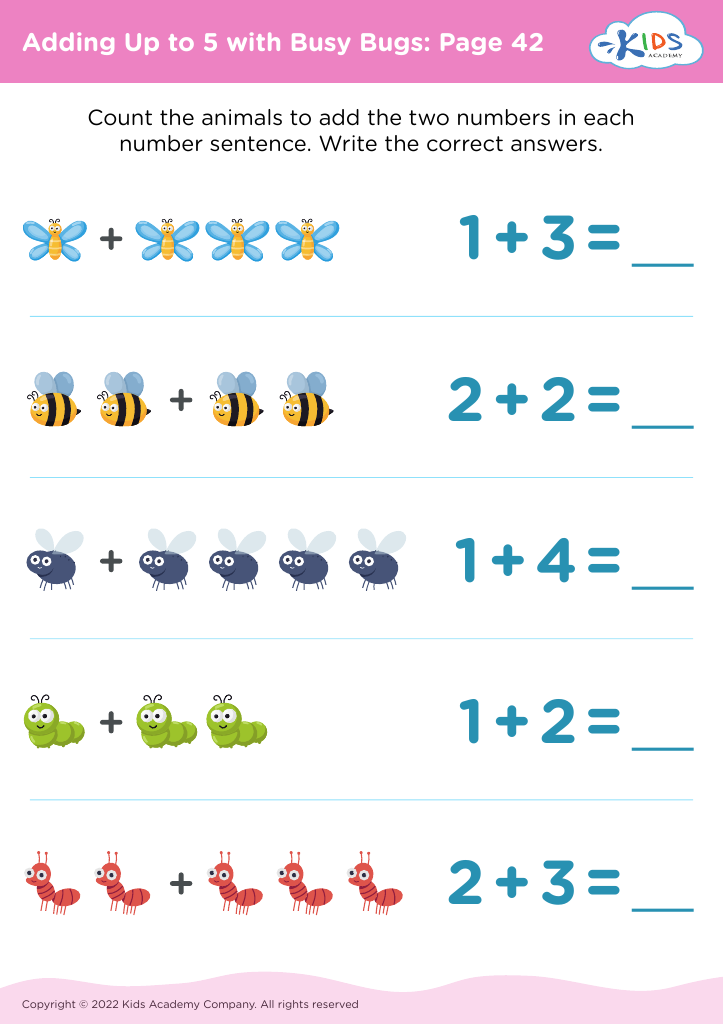
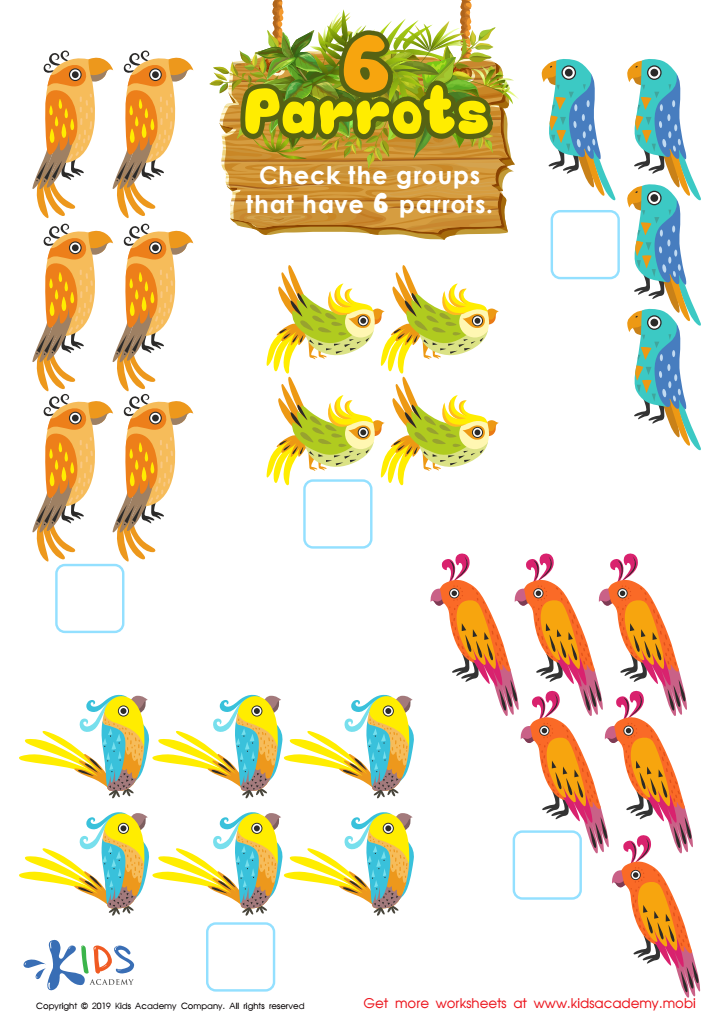
6 Parrots Worksheet








Fine motor skills are vital for preschoolers as they provide the foundation for various tasks essential to everyday life and academic success. Parents and teachers should care about integrating fine motor skills into activities like preschool addition and subtraction for several reasons.
First, strong fine motor skills improve hand-eye coordination, which is crucial for writing numbers and letters accurately. Engaging in activities that refine these skills can enhance children's ability to manipulate objects and perform tasks with precision, laying the groundwork for good handwriting. Furthermore, fine motor activities often involve problem-solving and spatial awareness, which are integral to understanding mathematical concepts like addition and subtraction.
Additionally, practicing basic math through fine motor tasks helps a child develop a positive attitude towards learning. When they engage in hands-on, interactive activities, children are more likely to enjoy the process and feel accomplished, supporting their overall motivation. Moreover, these skills foster independence, enabling children to tackle tasks without immediate adult assistance.
In summary, the integration of fine motor skill development into preschool addition and subtraction not only enhances mathematical understanding but also promotes essential life skills, motor control, and positive learning experiences in young children. Parents and teachers play crucial roles in nurturing these abilities, which are foundational for future learning.