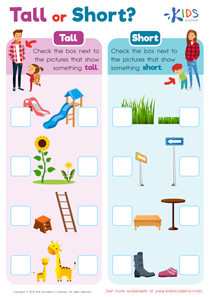
Shape Recognition Preschool Math Worksheets - Page 2
30 filtered results
-
From - To
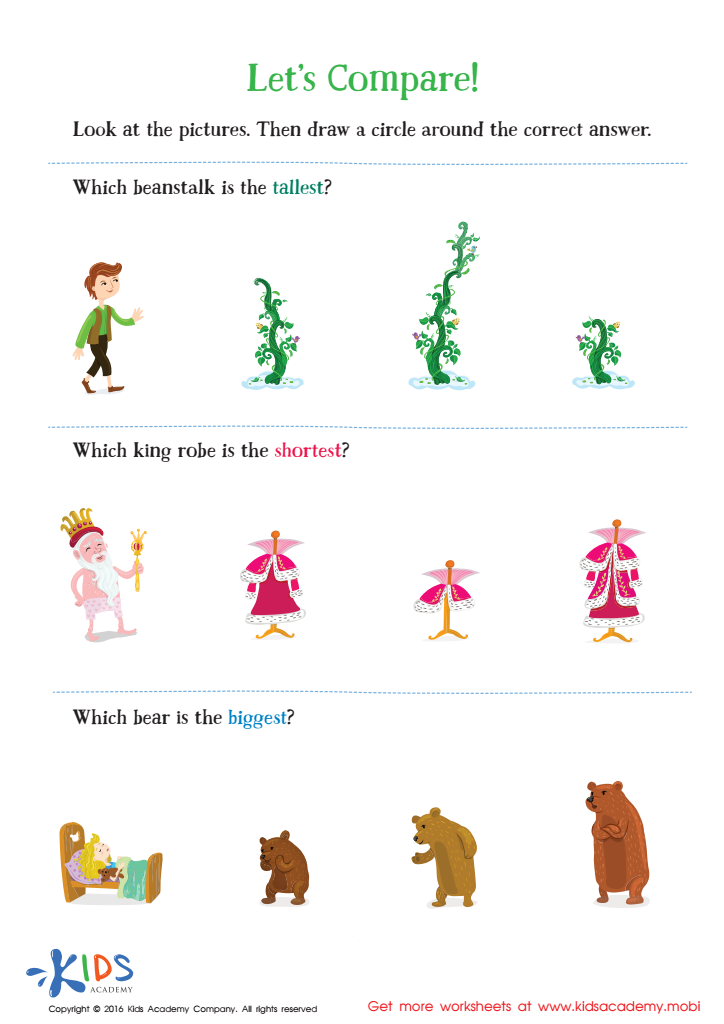
Fairy Tale Worksheet: Let's Compare
 Assign to My Students
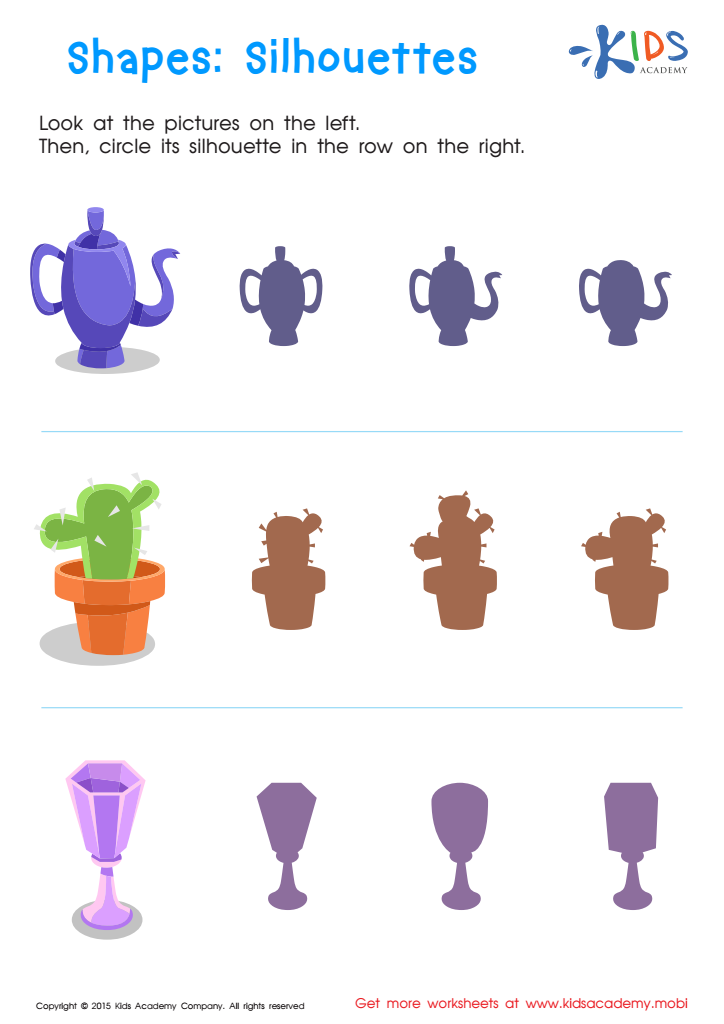
Silhouettes – Shapes Worksheet
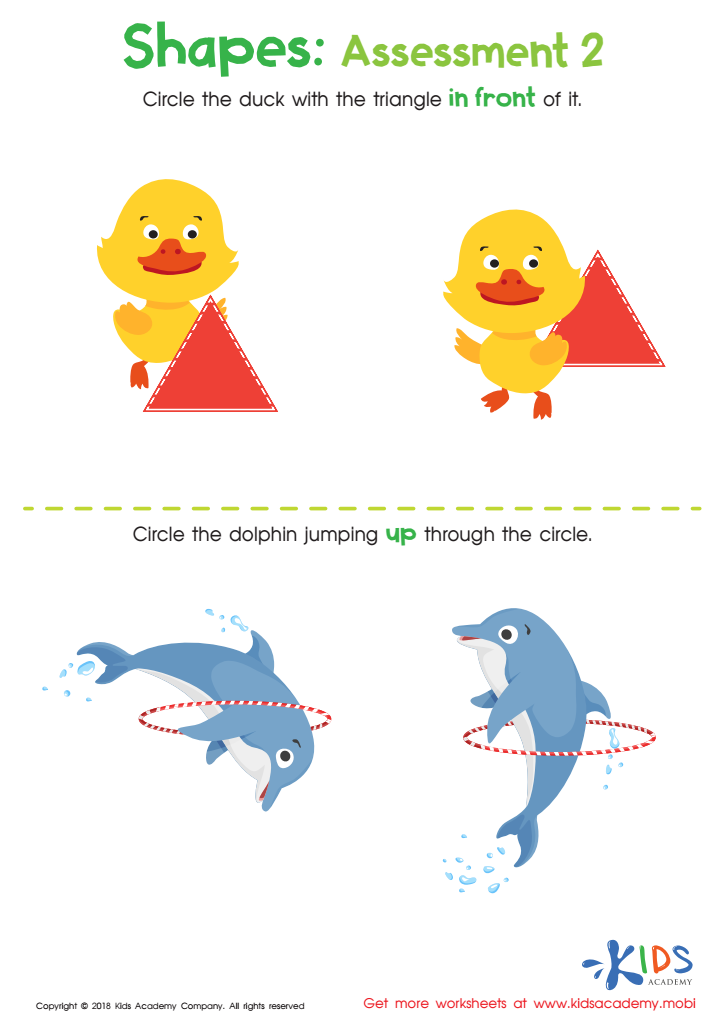
Geometry – Assessment 2 Worksheet
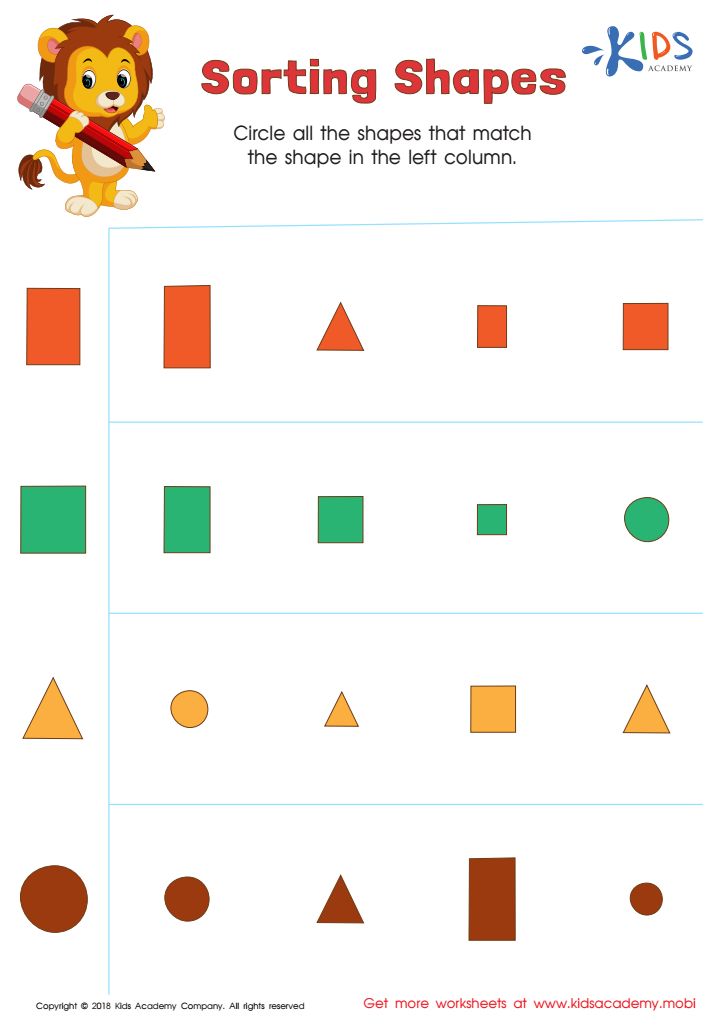
Sorting Shapes - Part 2 Worksheet
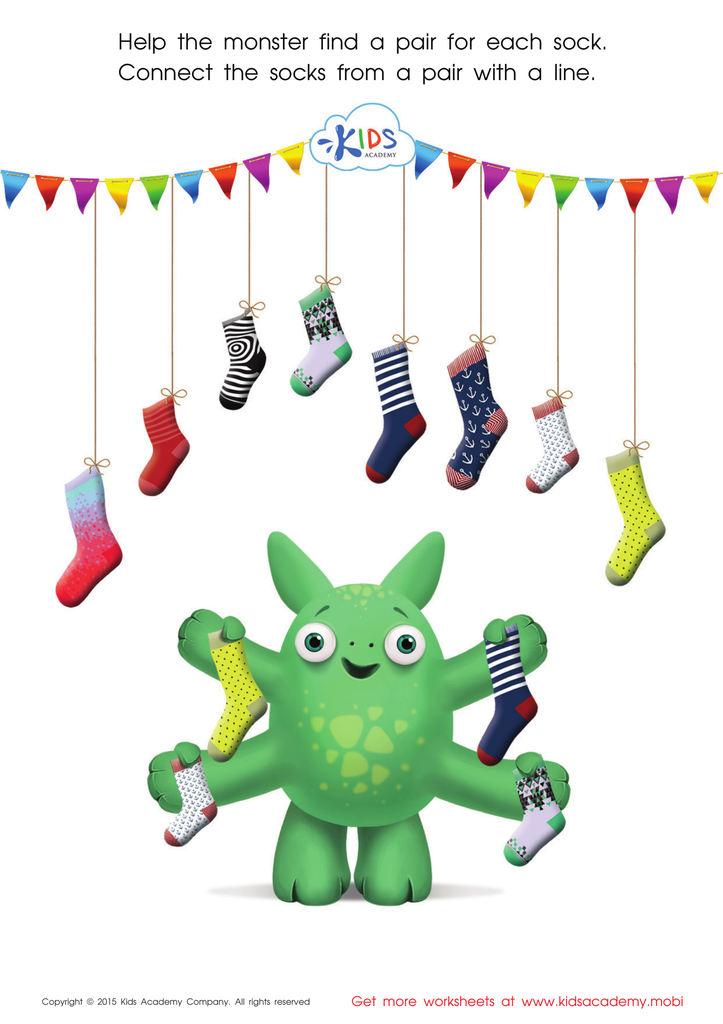
Math Matching Pairs Game: Monsterв's Socks Worksheet
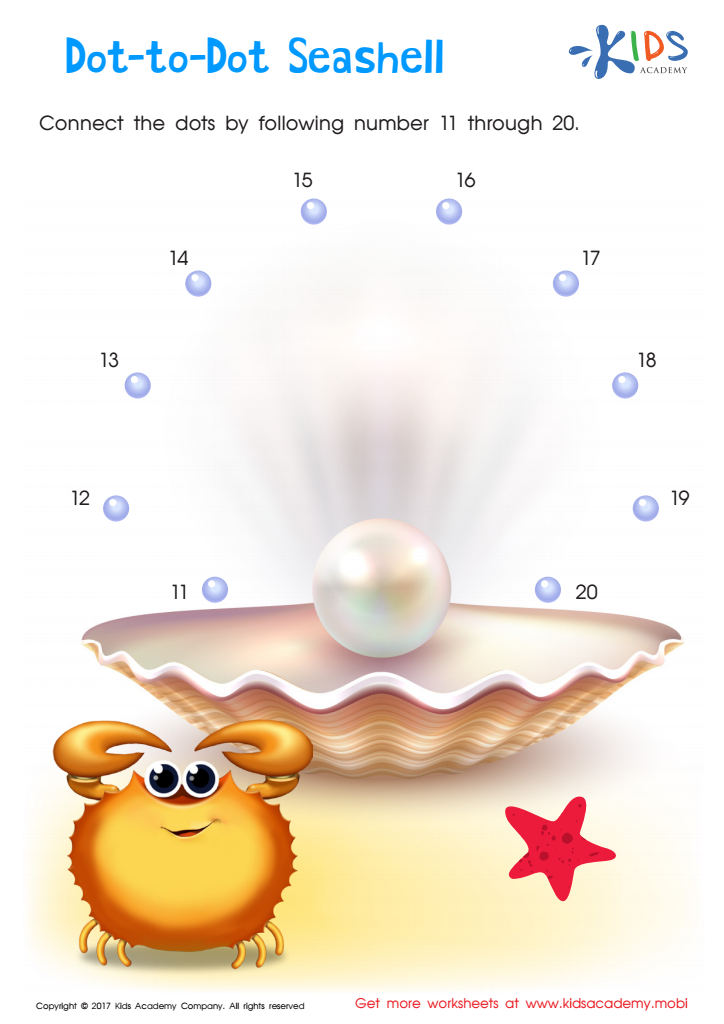
Ordering 11–20: Dot–to–dot Seashell Printable








Parents and teachers should recognize the importance of shape recognition in preschool math due to its foundational role in early childhood development. Firstly, understanding shapes enhances children's spatial awareness, a critical aspect of cognitive development that underpins more complex skills such as geometry, problem-solving, and even navigation in everyday life. Shapes serve as building blocks for understanding more complex concepts, making a solid grasp of them essential for academic success in higher grades.
In addition, recognizing and naming shapes cultivates language development as children learn and use descriptive terminology, a crucial element to literacy skills. It also supports fine motor skills; when children draw or manipulate shapes, they are practicing control and coordination, essential for writing.
Shapes are everywhere in the environment, and noticing, naming, and categorizing them can create a sense of order and understanding about the world. Enthusiasm for learning math through engaging, age-appropriate activities sets a positive attitude toward the subject, reducing math anxiety later in life. Overall, emphasizing shape recognition helps in developing critical early skills like attention to detail, analytical thinking, and spatial reasoning, equipping children with necessary tools for successful educational journeys and practical everyday functions.