Understanding number relationships Preschool Math Worksheets
3 filtered results
Difficulty Level
Grade
Age
-
From - To
Subject
Activity
Standards
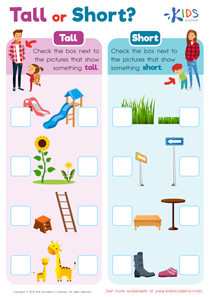
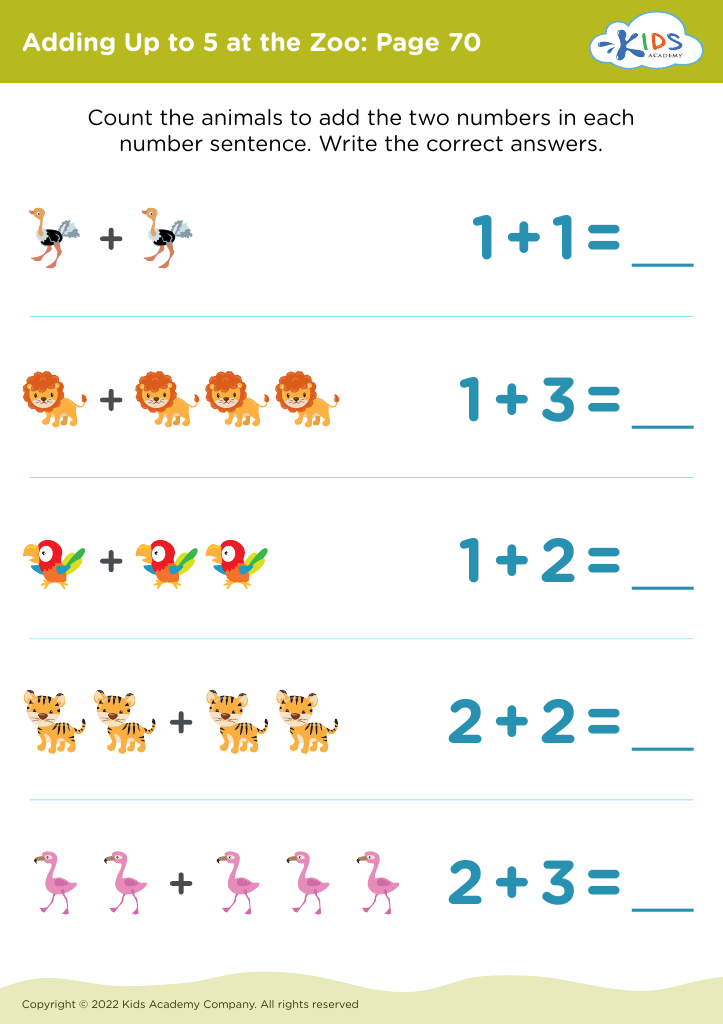
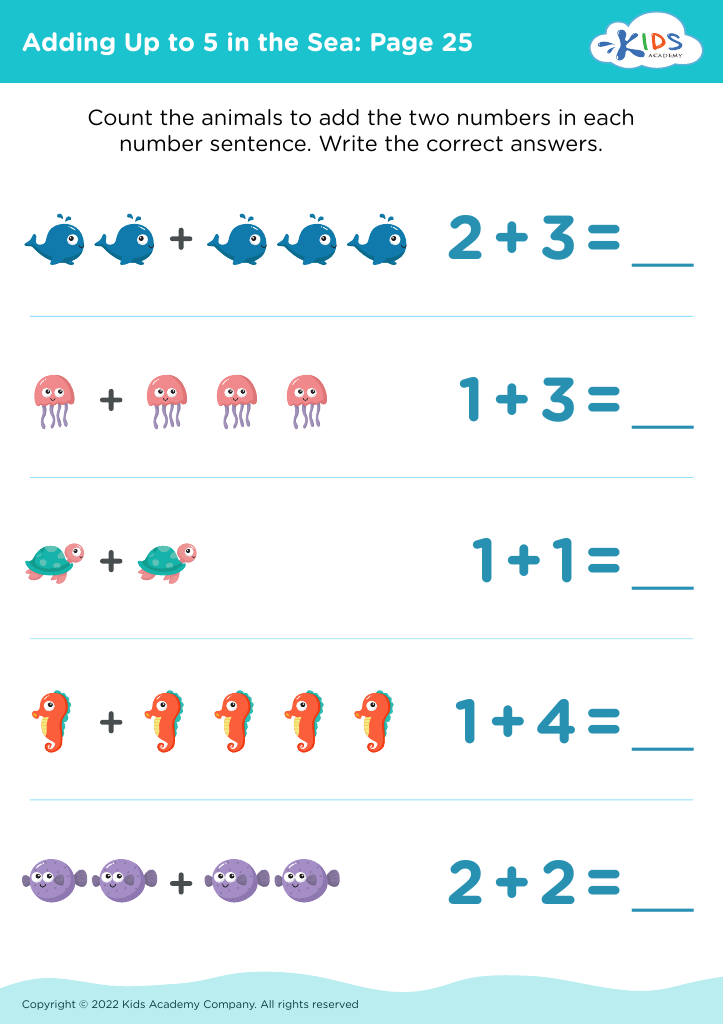
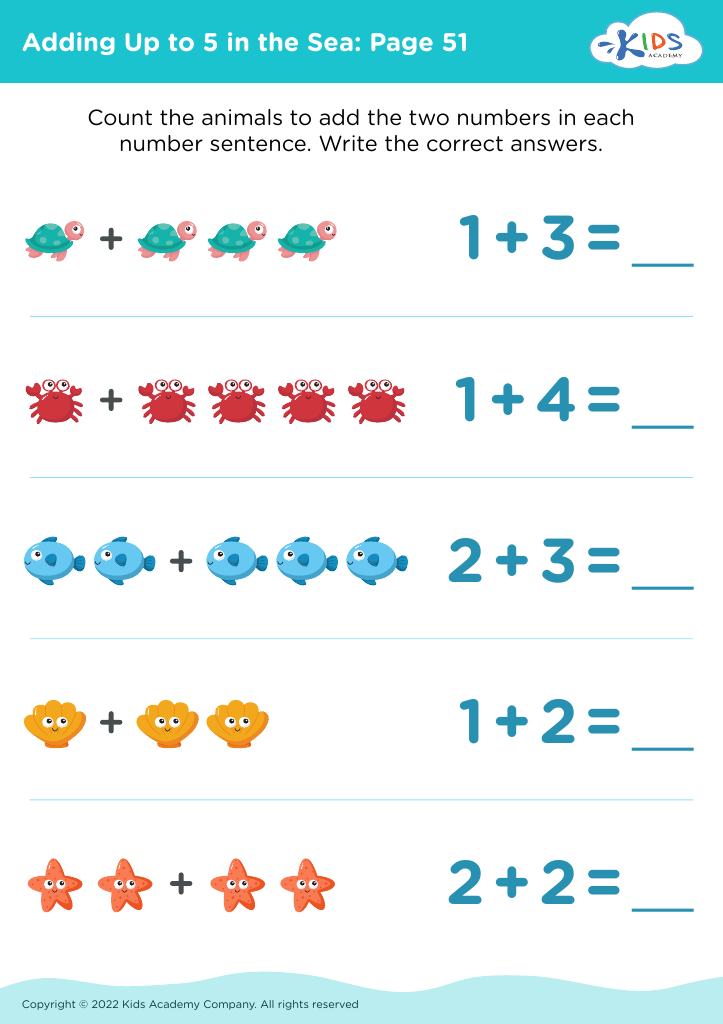
Discover our engaging "Understanding Number Relationships Preschool Math Worksheets" designed to enhance children's math skills through fun and interactive activities. These worksheets help young learners grasp essential concepts such as greater than, less than, and equal to, fostering a solid foundation for their mathematical understanding. By using colorful illustrations and relatable examples, kids will not only enjoy learning but also develop critical thinking skills. Our worksheets cater to diverse learning styles, making math accessible and enjoyable. Perfect for at-home practice or preschool classrooms, these resources empower children to explore numbers confidently, setting them up for future academic success. Start their math journey today!
Favorites
With answer key
Interactive
Join Kids Academy for Free
Who is primarily going to use this learning content?







Understanding number relationships is crucial for preschool children as it lays the foundation for their entire mathematical journey. When parents and teachers emphasize these concepts, they enable children to grasp how numbers interact, leading to stronger problem-solving skills and numerical fluency.
Firstly, number relationships foster number sense. By recognizing patterns, appreciating quantity comparisons, and understanding addition and subtraction, young learners develop a more profound understanding of mathematics. This early comprehension makes future learning more manageable and less intimidating.
Moreover, a solid foundation in number relationships encourages children to engage with math in real-life contexts. It helps them make sense of everyday situations—like sharing snacks or counting toys—which reinforces their learning through active engagement.
Additionally, nurturing these skills cultivates critical thinking and reasoning abilities. Children learn to make connections between numbers, enhancing their capacity to tackle more complex mathematical problems in later grades.
Overall, when parents and teachers prioritize understanding number relationships, they are investing in children's cognitive development, confidence in math, and lifelong learning capabilities. These early experiences not only impact academic achievement but also shape students' attitudes towards math, making it an integral part of their lives.