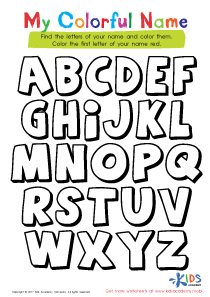
Letter-sound association Grade 2 Tracing Letters Worksheets
4 filtered results
-
From - To
Enhance your 2nd graders' literacy skills with our Letter-Sound Association Tracing Letters Worksheets! These engaging printable activities are designed to help young learners connect letters to their corresponding sounds through tracing and practice. Each worksheet focuses on specific letters, providing children with the opportunity to develop fine motor skills while reinforcing phonemic awareness. By blending handwriting practice with sound recognition, our worksheets ensure a fun and effective learning experience. Perfect for classroom use or at-home learning, you can easily integrate these worksheets into your lesson plans to support your students on their journey to becoming confident readers and writers!
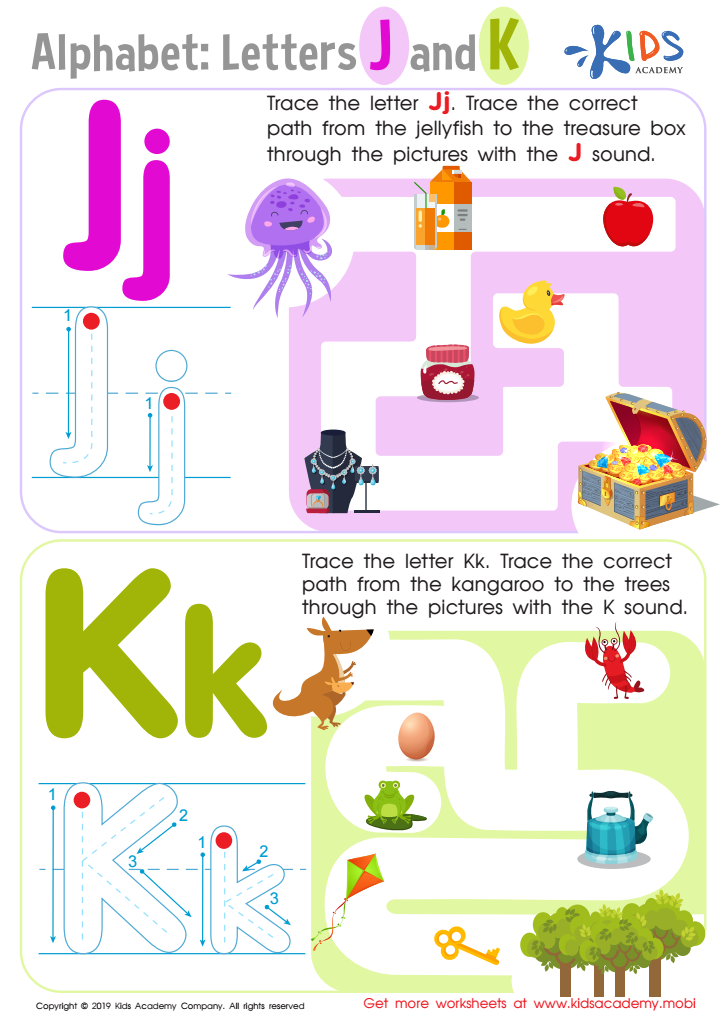
Letters J and K Tracing Worksheet
 Assign to My Students
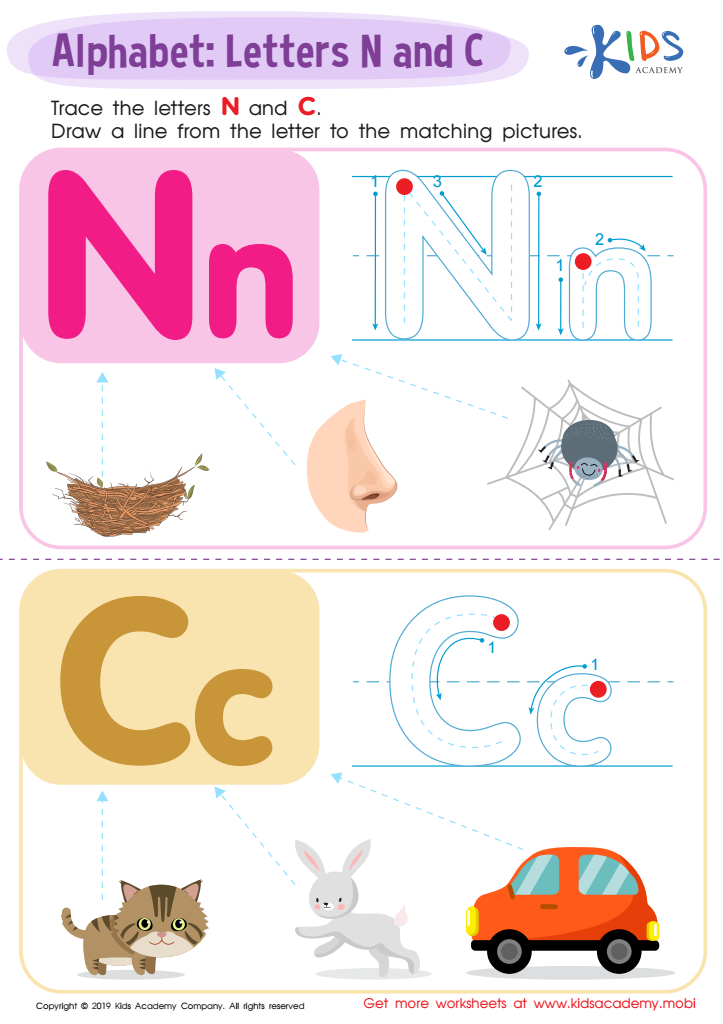
Letter N and C Tracing Worksheet
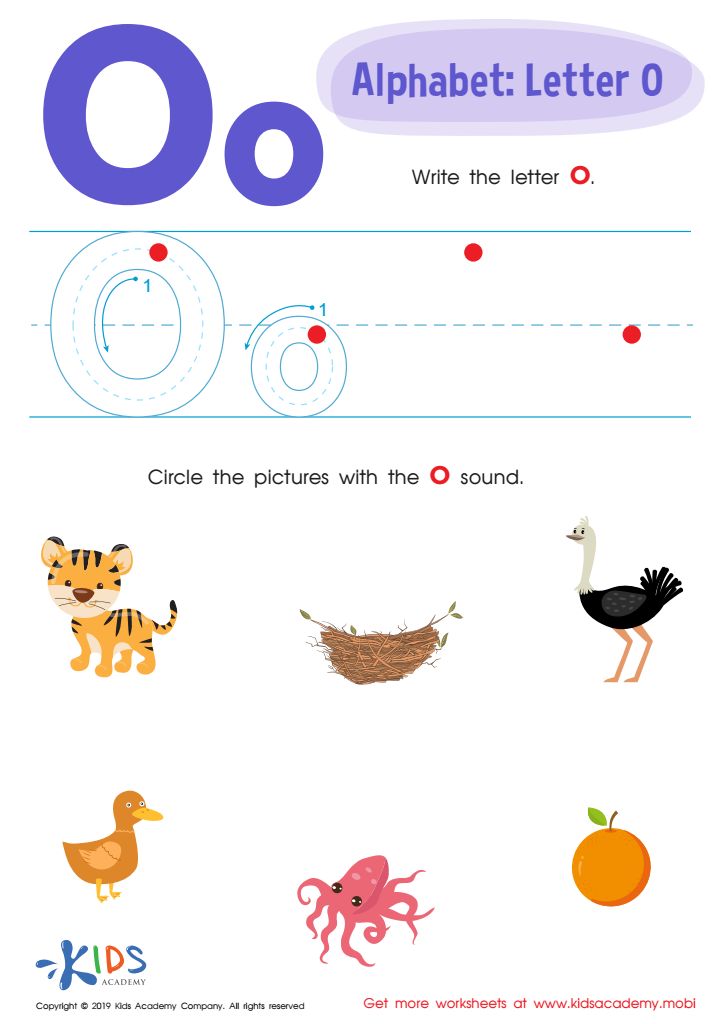
Letter O Tracing Worksheet
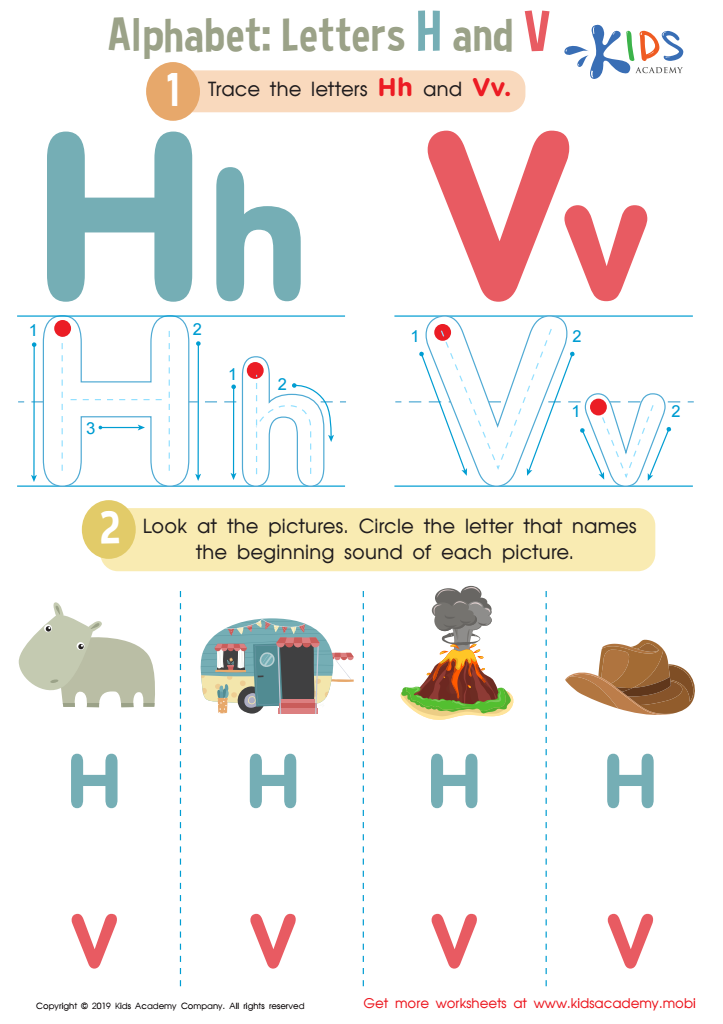
Letters H and V Tracing Worksheet




Letter-sound association, or the connection between letters and their corresponding sounds, is foundational for reading and writing skills in early elementary students, particularly in Grade 2. Teachers and parents should prioritize this skill because it directly impacts children's literacy development. Mastery of letter-sound relationships enables students to decode words, facilitating the transition from learning to read to reading to learn.
Tracing letters is an effective, hands-on approach to reinforce this association. Physically tracing letters helps improve fine motor skills and hand-eye coordination while providing multi-sensory learning experiences. As children trace, they connect the shape of each letter to its sound, reinforcing memory retention and aiding pronunciation.
Additionally, strong letter-sound association skills contribute to enhanced vocabulary and comprehension. When children feel confident in sounding out words, they are more likely to engage with reading materials, boosting their overall academic performance. In collaboration, parents and teachers can create supportive environments that encourage practice through games, activities, and storytelling. By fostering letter-sound association, adults empower children with essential tools for lifelong learning and literacy enjoyment. Investing in this foundational skill at an early stage lays the groundwork for successful reading habits and academic achievement in the future.