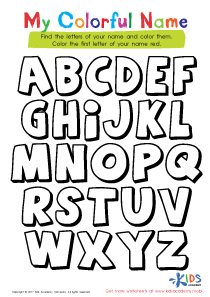
Motor skills development Grade 2 Tracing Letters Worksheets
4 filtered results
-
From - To
Enhance your second grader's motor skills development with our engaging Tracing Letters Worksheets. Designed specifically for Grade 2 students, these worksheets provide a fun and effective way to practice letter formation, improving hand-eye coordination and fine motor skills essential for writing. Our resources feature a variety of tracing activities that promote both uppercase and lowercase letter recognition. With colorful and interactive designs, learning becomes enjoyable, making it easier for children to develop confidence in their writing abilities. Ideal for classroom use or at-home practice, our worksheets support early literacy skills while fostering a passion for learning. Get started today!
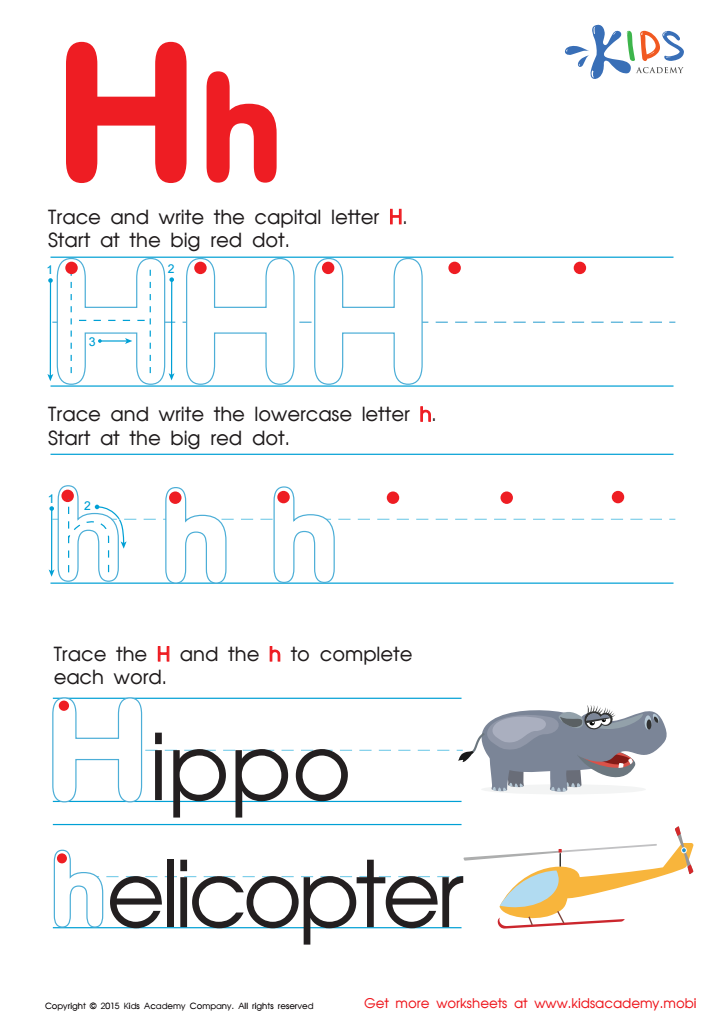
Letter H Tracing Page
 Assign to My Students
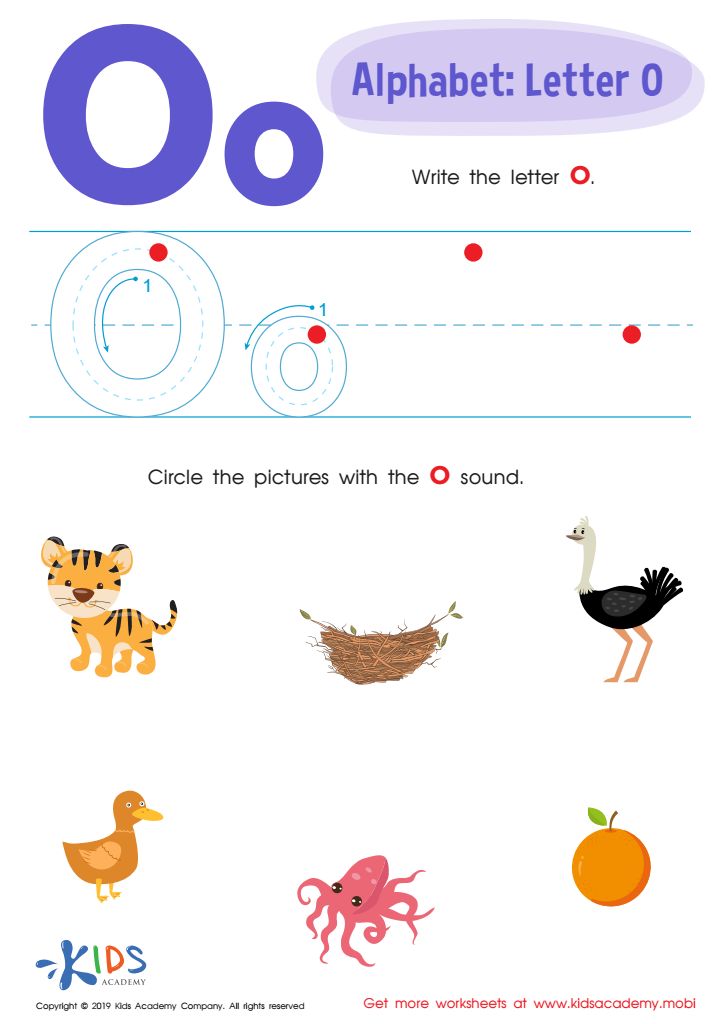
Letter O Tracing Worksheet
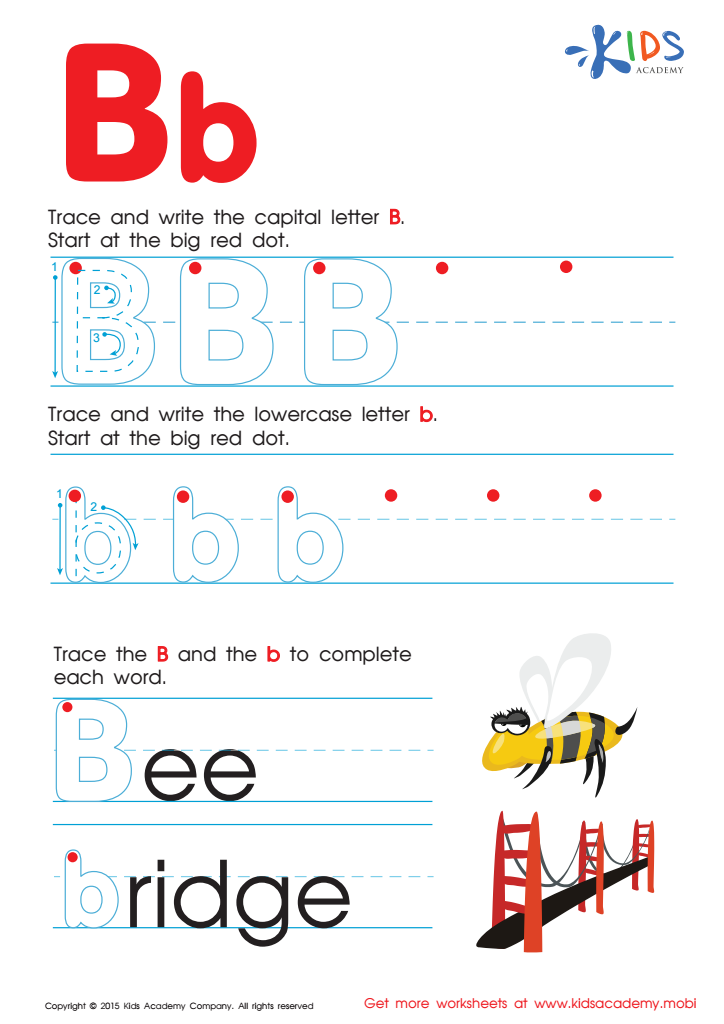
Letter B Tracing Page
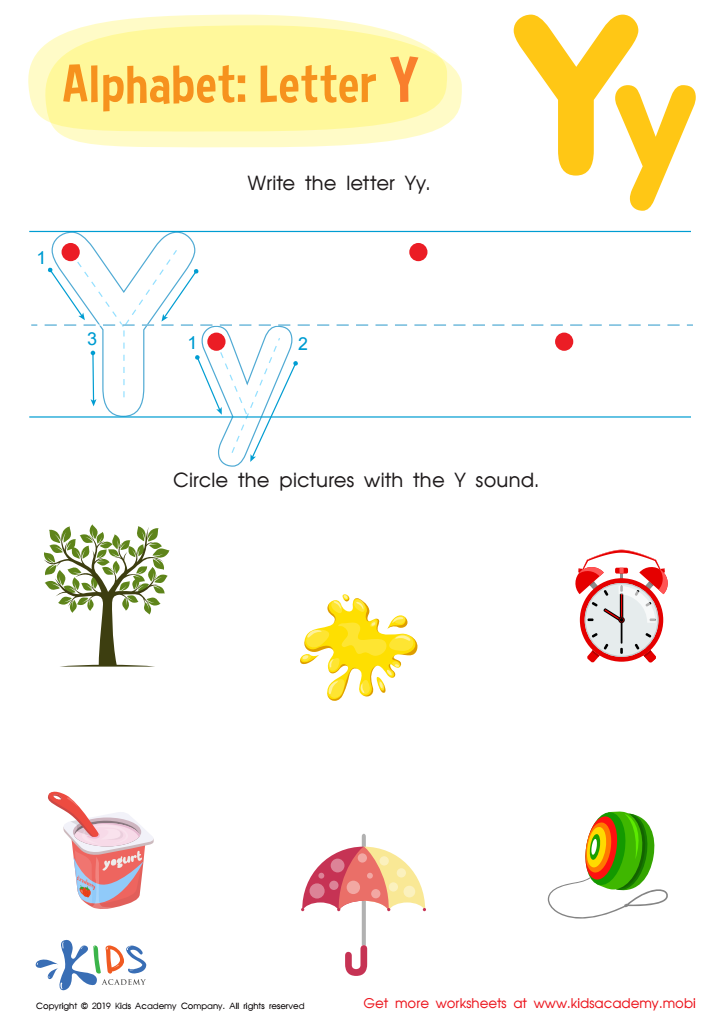
Letter Y Tracing Worksheet




Motor skills development, especially in Grade 2, plays a crucial role in a child's overall growth and educational success. Tracing letters is a foundational activity that enhances fine motor skills, which are essential for more complex tasks like writing, drawing, and basic daily activities. Engaging in activities like tracing letters helps children build hand-eye coordination, dexterity, and strength in their fingers.
Moreover, the development of motor skills in young learners directly impacts their confidence and self-esteem. Children who can successfully trace and write letters feel a sense of accomplishment, which motivates them to continue improving their skills. This foundational skill also contributes to their literacy development as it reinforces letter recognition and shapes, supporting their transition to independent writing.
Parents and teachers should prioritize motor skills development because it lays the groundwork for future academic success. Well-developed motor skills correlate with improved performance in subjects like math and science, where precision and control are often required. Lastly, fostering these skills in the early years encourages a love for learning by making the process enjoyable and engaging. Overall, nurturing motor skills development is vital for a child's physical, cognitive, and emotional development.