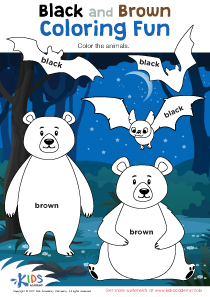
Alphabet understanding Grade 2 English for Beginners Worksheets
5 filtered results
-
From - To
Welcome to our Grade 2 English for Beginners Worksheets focused on Alphabet Understanding! Designed for young learners, these engaging worksheets help students master letter recognition, phonics, and writing skills through fun exercises. Each worksheet offers clear instructions and colorful graphics, making learning interactive and enjoyable. Perfect for both classroom and at-home practice, these resources aim to build a strong foundation in language arts. From matching letters to tracing and identifying them in words, our comprehensive activities cater to diverse learning needs. Start your child's journey towards literacy with our thoughtfully crafted alphabet worksheets today!
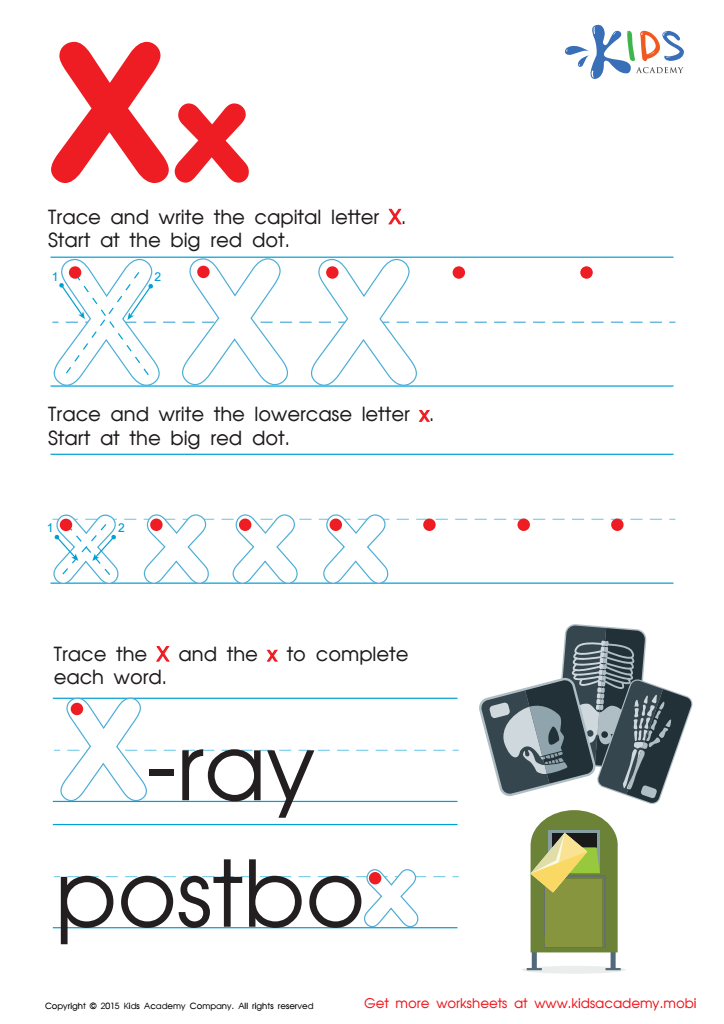
Letter X Tracing Page
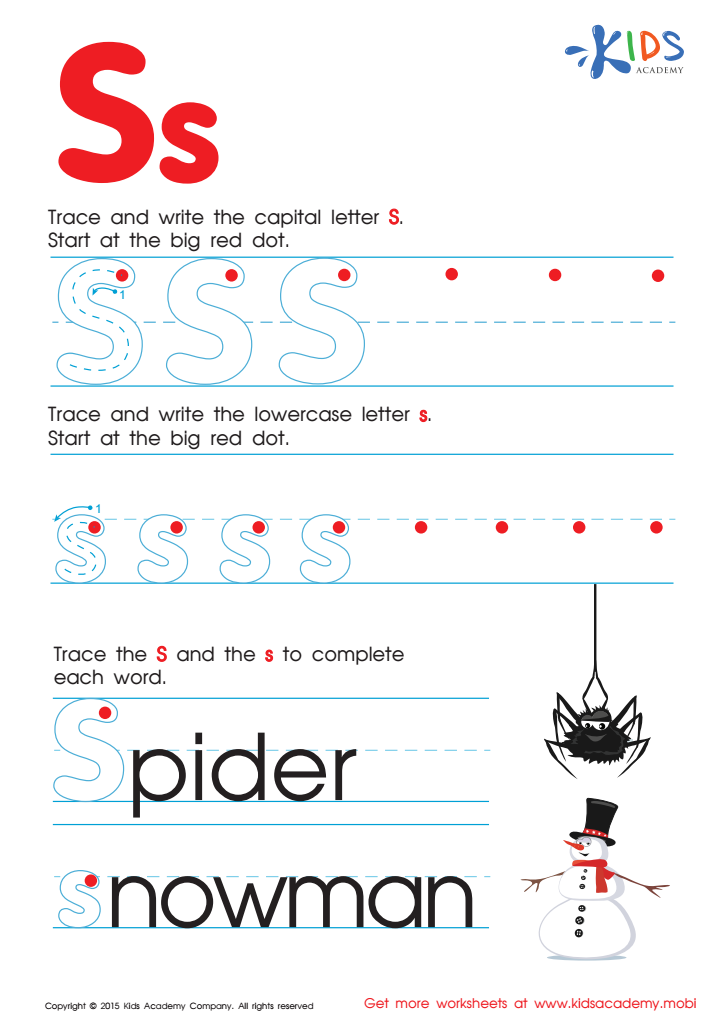
Letter S Tracing Page
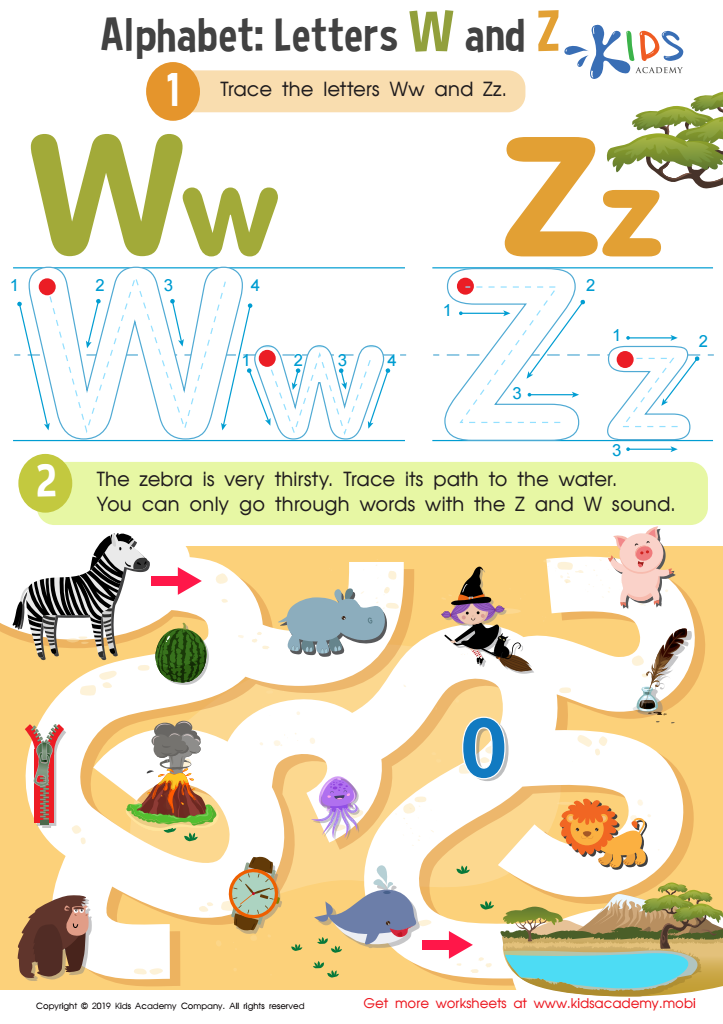
Letters W and Z Tracing Worksheet
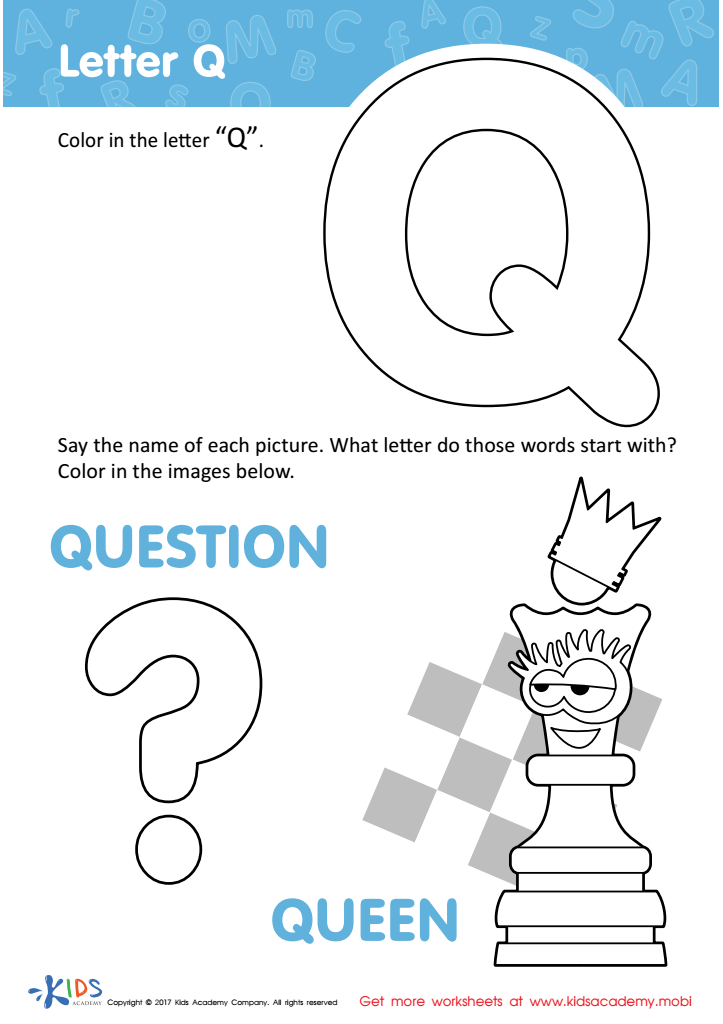
Letter Q Coloring Sheet
 Assign to My Students
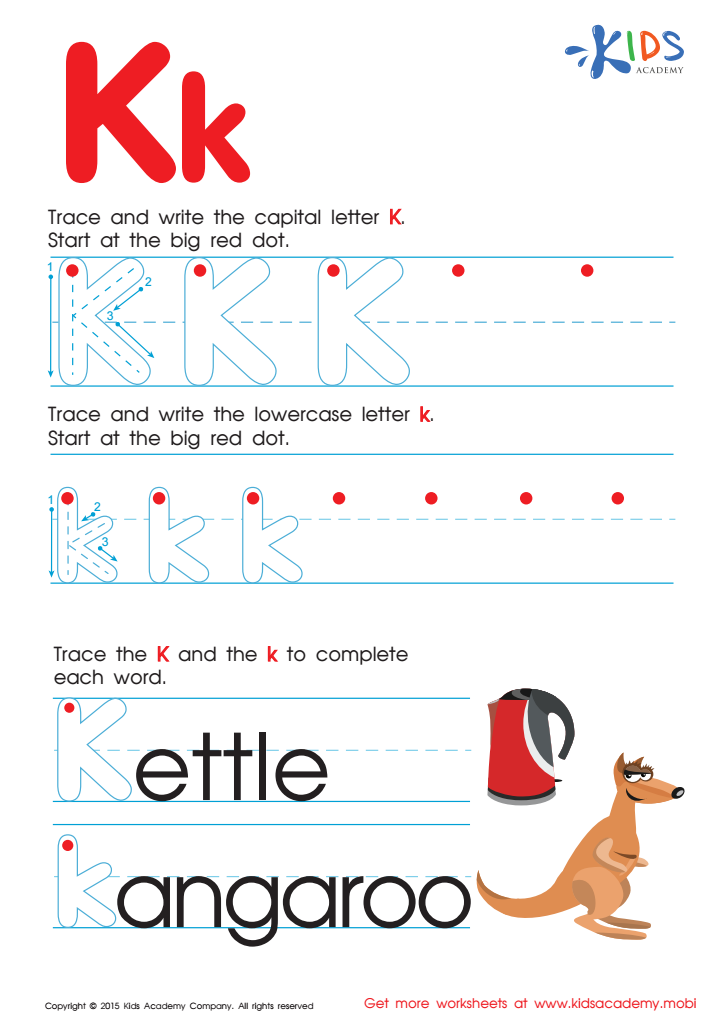
Letter K Tracing Page


Alphabet understanding is crucial for Grade 2 English beginners as it forms the foundation for reading and writing. At this stage, children transition from gaining basic phonics skills to recognizing and using letters effectively in words. Mastery of the alphabet empowers students to break down words, understand vocabulary, and enhances their ability to comprehend texts, making reading a more enjoyable experience. Parents and teachers should prioritize this skill, as strong alphabet knowledge correlates with greater academic success.
Additionally, the ability to identify letters and their sounds fosters confidence in students, encouraging them to participate in classroom activities like reading aloud or creative writing. Understanding relationships between letters and sounds supports spelling skills, which are essential in communicating ideas clearly.
Moreover, the skills developed in exploring the alphabet extend beyond the classroom. As children progress, they carry their knowledge into higher-level language arts, solidifying their overall language proficiency. By focusing on alphabet understanding now, parents and teachers ensure that students will be better prepared for future learning milestones. Ultimately, a solid alphabet foundation not only helps children academically but lays the groundwork for lifelong literacy skills, making it a priority for educators and caregivers alike.