Fine motor skills development Grade 2 English for Beginners Worksheets
4 filtered results
-
From - To
Unlock your child's potential with our "Grade 2 English for Beginners" worksheets, meticulously designed to develop fine motor skills. At Kids Academy, our engaging activities help improve dexterity, hand-eye coordination, and pencil grip, essential for writing and daily tasks. Each printable worksheet combines fun exercises with educational content, promoting language acquisition while strengthening small muscles in young learners' hands. From tracing to drawing, every task is crafted to support your child's English language journey in a playful, interactive manner. Download now and watch your second grader’s motor skills flourish as they confidently master English basics.
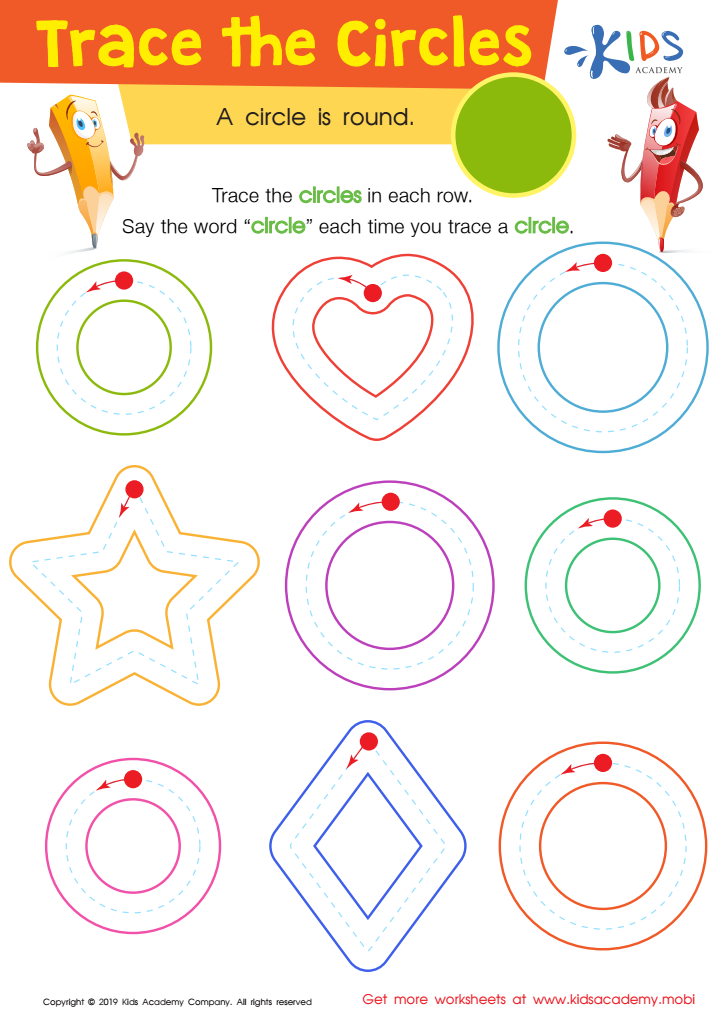
Trace The Circles Worksheet
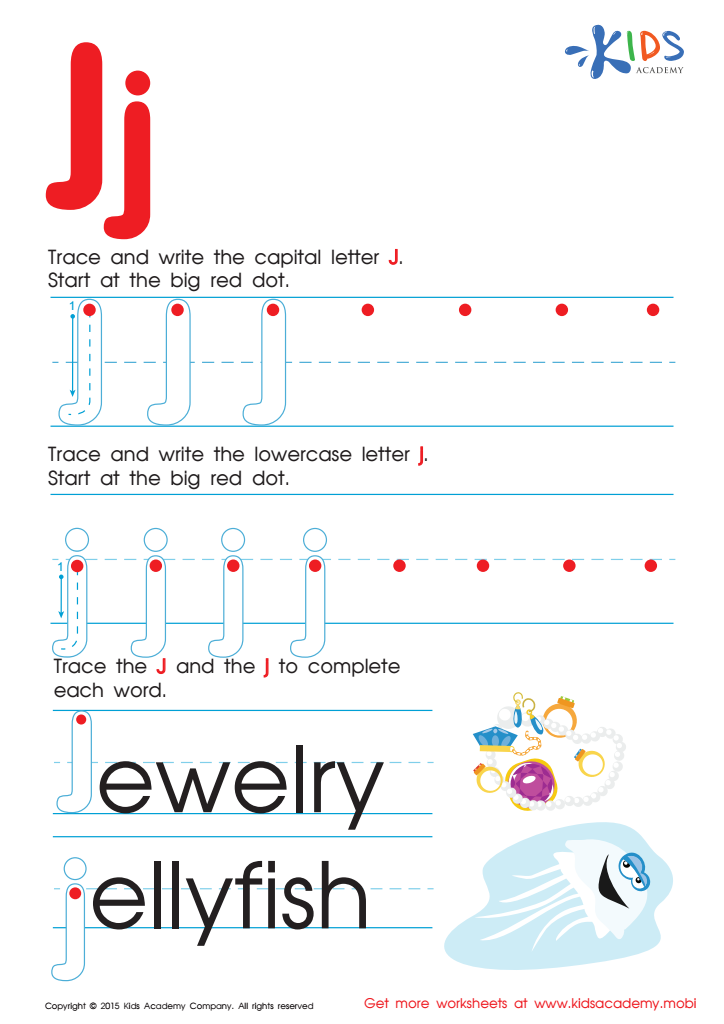
Letter J Tracing Page
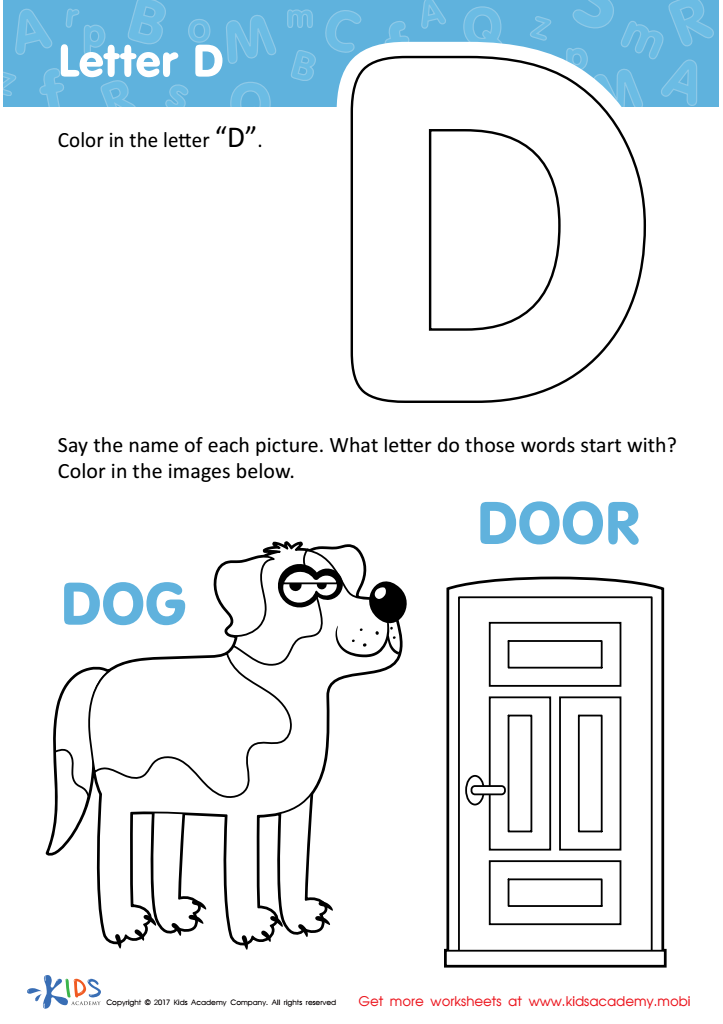
Letter D Coloring Sheet
 Assign to My Students
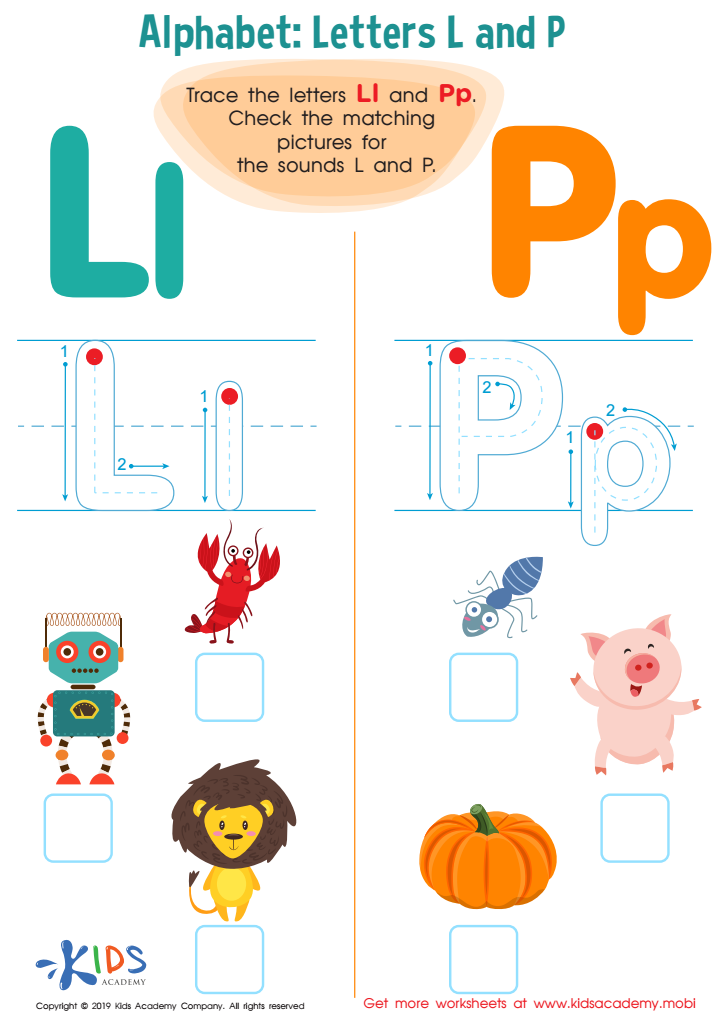
Letter L and P Tracing Worksheet


Fine motor skills involve the coordination of small muscles in the hands and fingers, crucial for performing essential everyday tasks. For second-grade students, fine motor skills development is especially important as it directly impacts their academic performance and overall independence.
First and foremost, fine motor skills support handwriting, a significant component of second-grade English for beginners. Clear and legible handwriting enables children to express their thoughts, participate in classroom activities, and complete assignments effectively. It's difficult for children to convey their knowledge and ideas if they struggle with writing because their fine motor skills are underdeveloped.
Secondly, these skills facilitate other crucial classroom activities, such as cutting, pasting, coloring, and using computer equipment. These activities not only build a child's creativity but also enhance their ability to follow instructions and complete projects—skills that are integral to their overall education experience.
Additionally, strong fine motor skills foster independence and self-esteem. When children can tie their own shoes, button their clothes, or open a lunchbox, they feel a sense of achievement which positively affects their confidence and willingness to try new challenges.
By focusing on fine motor skills development, parents and teachers provide children with vital tools for academic success and everyday life, making it a fundamental aspect of early education.