Letter tracing skills Grade 2 English for Beginners Worksheets
3 filtered results
-
From - To
Unlock the foundations of literacy with our "Letter Tracing Skills Grade 2 English for Beginners Worksheets." Designed for young learners, these engaging worksheets help children practice proper letter formation while enhancing their handwriting skills. Each worksheet focuses on both uppercase and lowercase letters, encouraging students to trace and replicate each character. Our interactive activities foster not only letter recognition but also confidence in writing, making it an essential resource for ESL learners. Whether used at home or in the classroom, these worksheets provide a fun, educational experience for kids to develop clear and legible writing as they embark on their language journey!
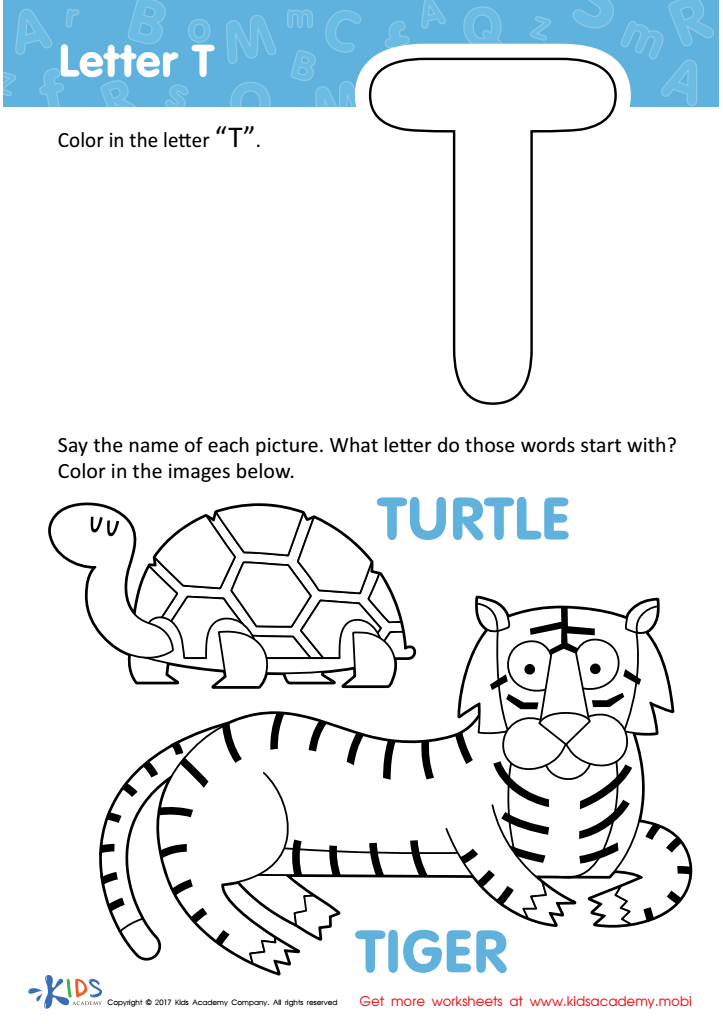
Letter T Coloring Sheet
 Assign to My Students
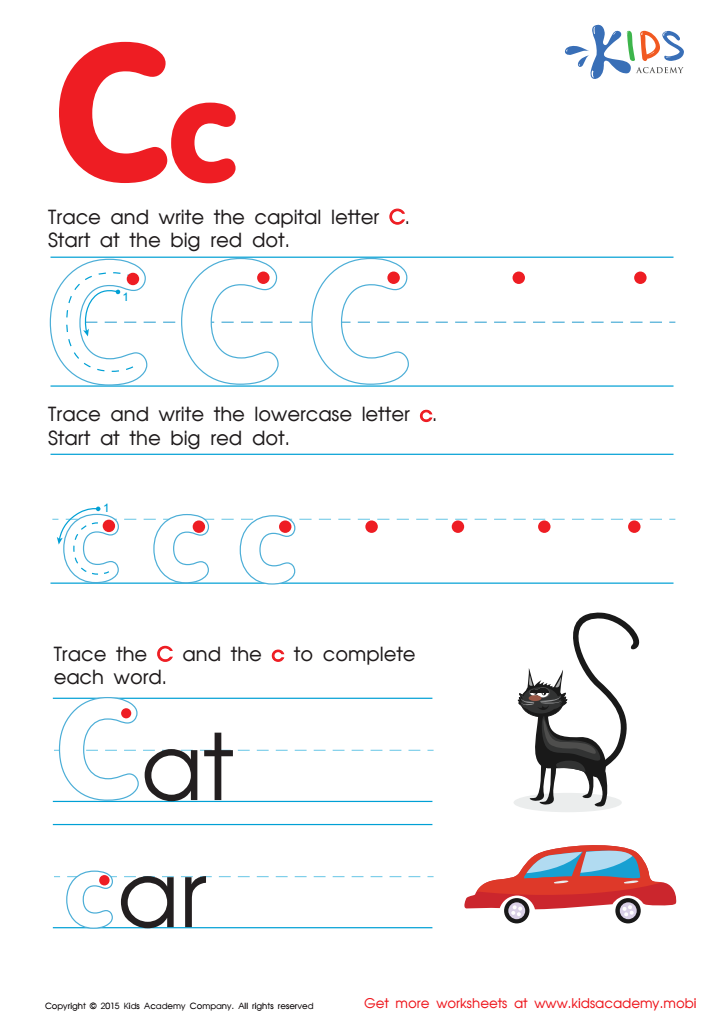
Letter C Tracing Page
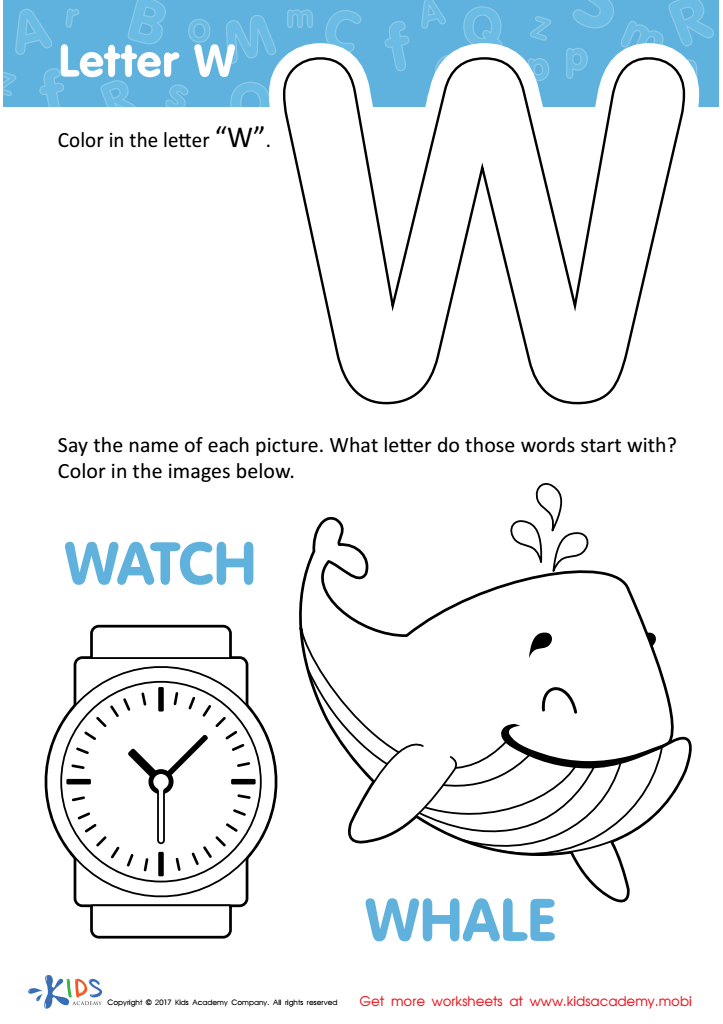
Letter W Coloring Sheet
Assign to My Students


Letter tracing skills are essential for Grade 2 learners, especially those starting to develop their English proficiency. These skills form the foundation for good handwriting, which is crucial for clear communication. When children trace letters, they not only practice the shapes and stroke orders of each letter but also enhance their fine motor skills, which contribute to overall motor development.
Moreover, tracking letters helps reinforce the connection between sounds and symbols, making it easier for beginners to decode words and comprehend texts. This process directly supports reading development, as children learn to recognize letters and blend sounds to form words. It builds their confidence and literacy abilities as they progress through English language studies.
Additionally, letter tracing activities can be engaging and enjoyable, making them an effective way for parents and teachers to promote learning at home and in the classroom. Engaging young learners through interactive and appealing resources increases their motivation and fosters a love for writing. By supporting letter tracing skills, parents and teachers lay a strong foundation for students’ academic success and a lifelong appreciation for language. Overall, these skills play a critical role in helping children express their thoughts and ideas effectively.