Alphabet Recognition Grade 2 Adding up to 1000 Worksheets
4 filtered results
-
From - To
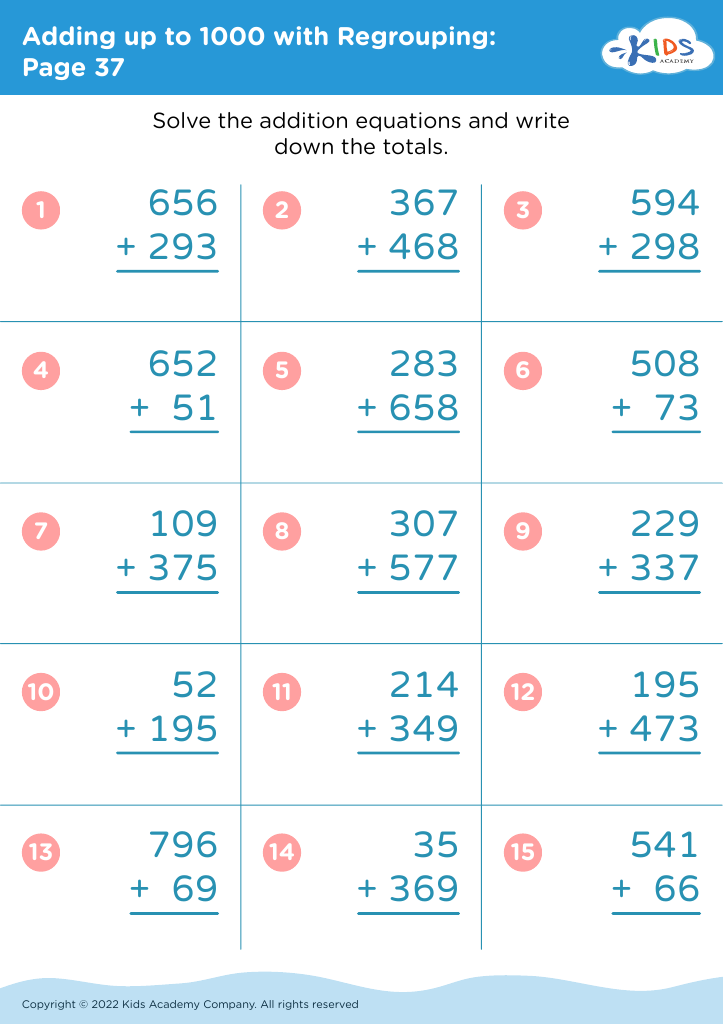
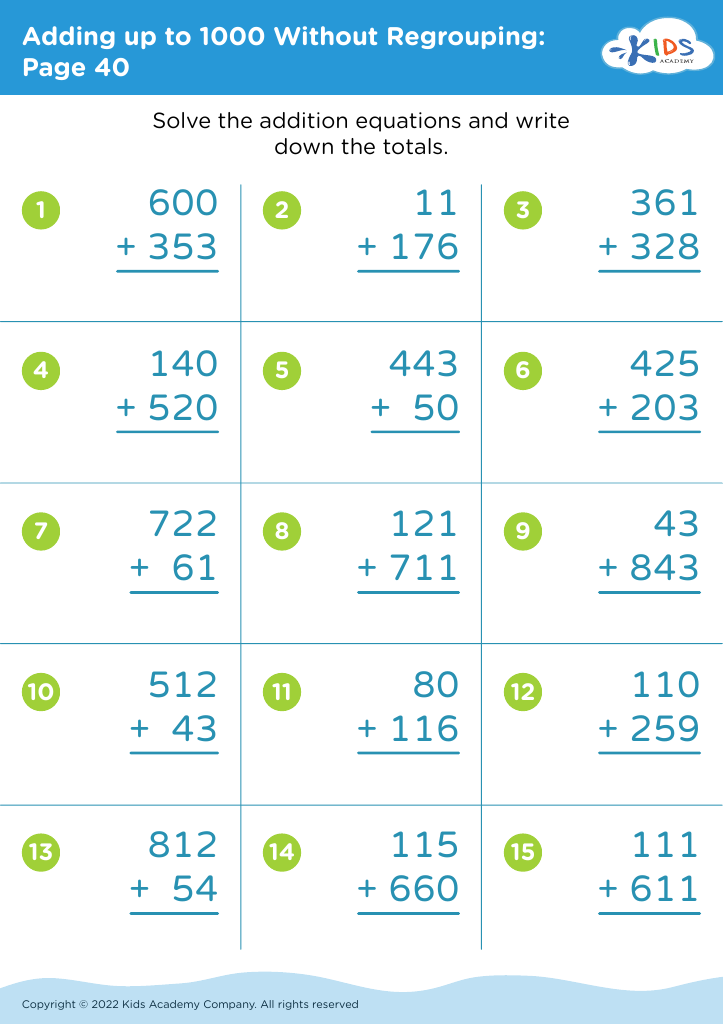
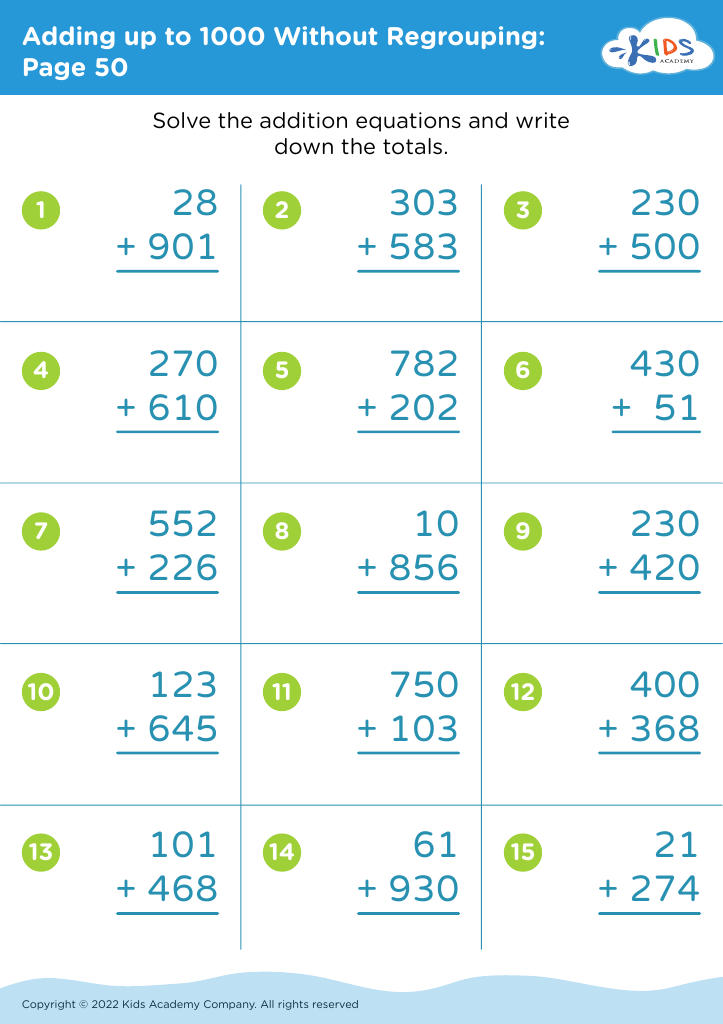
Enhance your second graders' learning with our engaging Alphabet Recognition worksheets that complement Adding up to 1000 math practice! These specially designed worksheets focus on reinforcing letter recognition while integrating essential math skills. Students will engage in fun activities that promote both literacy and numeracy, empowering them to associate letters with numbers seamlessly. Perfect for classrooms or individual study, these worksheets cater to diverse learning styles, encouraging creativity and critical thinking. Download and print our Alphabet Recognition worksheets today to help your students build a strong foundation in both reading and math, setting them up for academic success in Grade 2 and beyond!



Alphabet recognition is a foundational skill for literacy development and plays a crucial role in a child's academic success. By Grade 2, students are expected to move beyond basic recognition and begin to integrate letters into reading and writing with more complexity. This skill is vital as it prepares them for fluent reading comprehension and effective communication, both of which are essential in all subjects, including math, where language proficiency impacts understanding of word problems.
Moreover, when considering concepts like addition and number recognition up to 1000, literacy ties in closely. Students need to interpret mathematical language, symbols, and expressions. Efficient reading skills facilitate clearer understanding, fostering confidence in solving problems accurately and quickly.
Additionally, literacy skills learned through alphabet recognition influence every aspect of a child’s learning journey. With strong reading and writing capabilities, children can engage more deeply in classroom discussions, collaborate with peers, and explore subjects autonomously. Therefore, parents and teachers should prioritize enhancing alphabet recognition, as it not only supports literacy and overall academic performance but also empowers children to become lifelong learners. Promoting these skills now helps set the necessary groundwork for future educational pursuits.