Understanding adjectives Grade 2 Adding up to 50 Worksheets
4 filtered results
Difficulty Level
Grade
Age
-
From - To
Subject
Activity
Standards
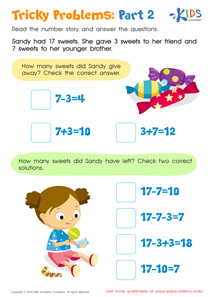
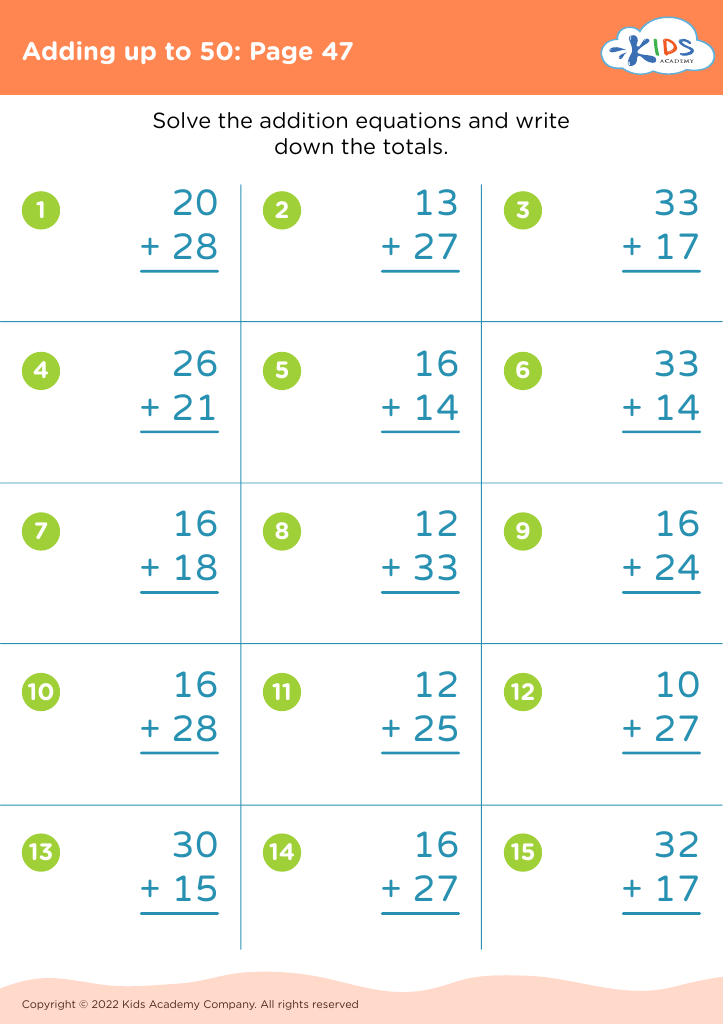
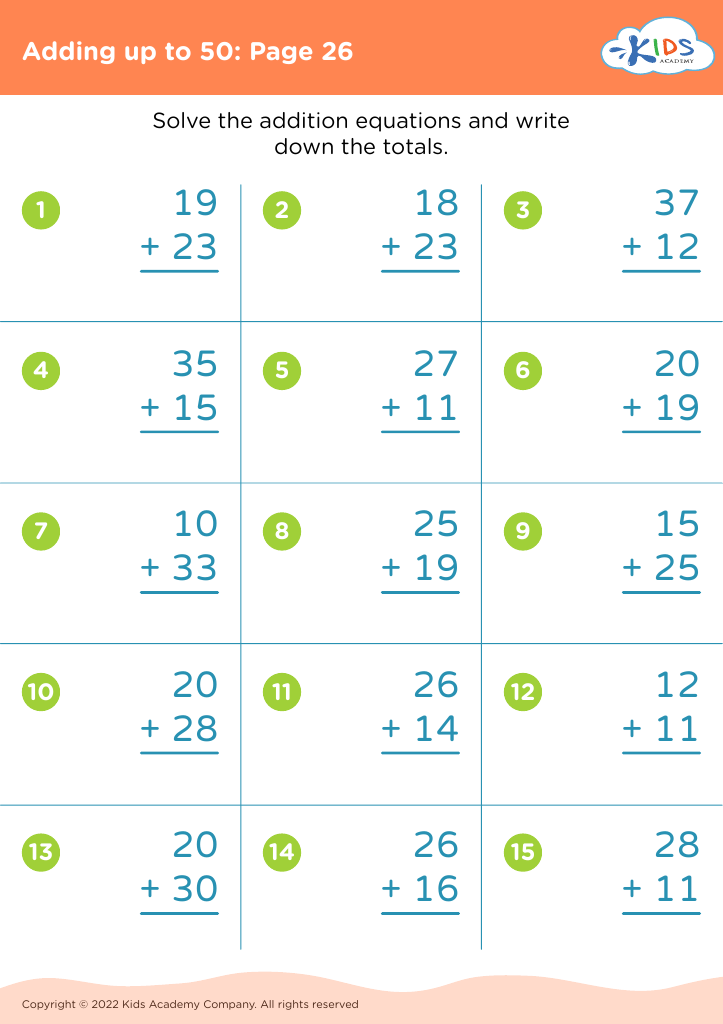
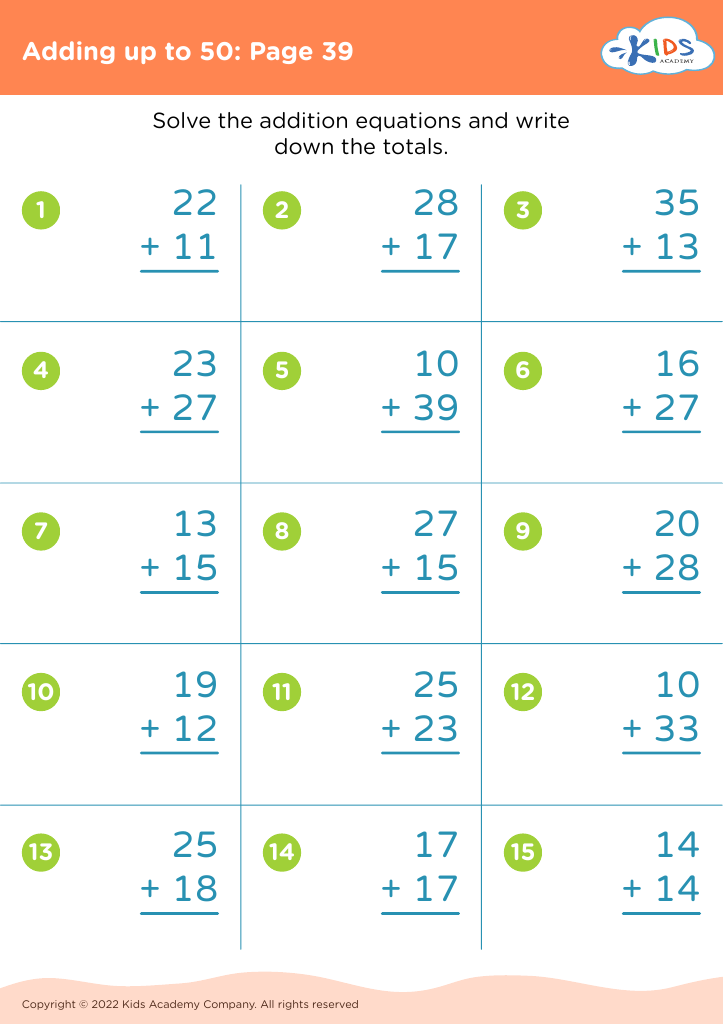
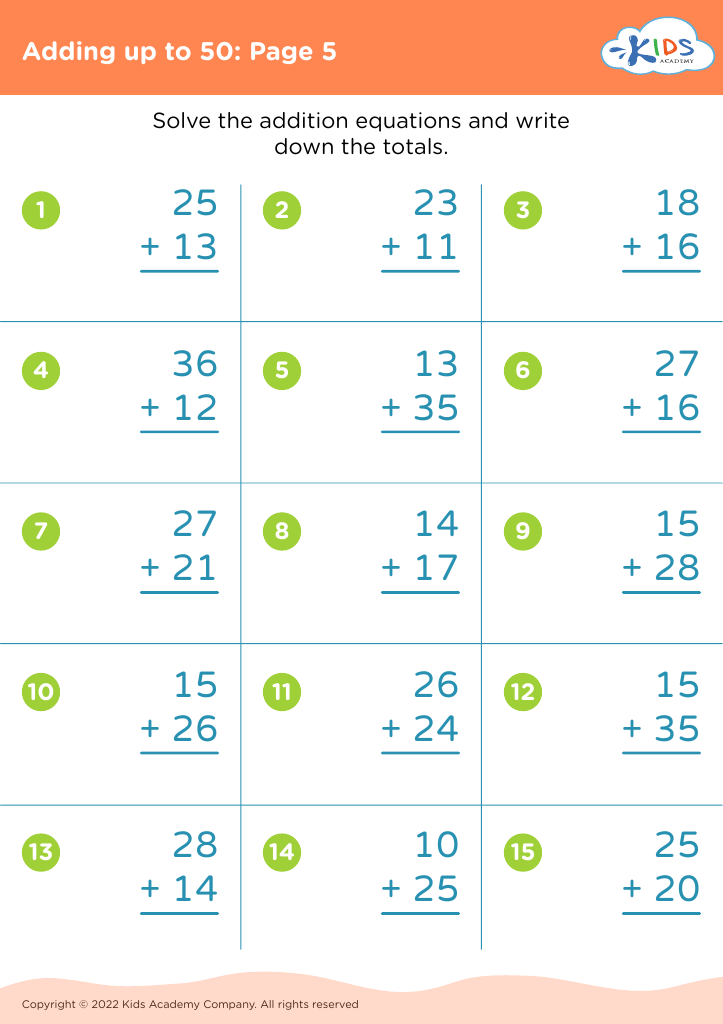
Enhance your second grader's learning with our "Understanding Adjectives Grade 2 Adding up to 50 Worksheets." This engaging resource combines math and language skills, helping young learners explore the world of adjectives while mastering addition of numbers up to 50. Featuring vibrant illustrations and interactive exercises, these worksheets encourage critical thinking and creativity. Students will practice identifying and using adjectives in sentences, enriching their vocabulary while enhancing their understanding of descriptive language. Perfect for classroom use or at-home practice, these worksheets make learning fun and effective. Help your child gain confidence in both math and language arts today!
Favorites
With answer key
Interactive
Join Kids Academy for Free
Who is primarily going to use this learning content?


Understanding adjectives in Grade 2 is crucial for both parents and teachers as it lays the foundation for effective communication and literacy development. Adjectives are descriptive words that enrich language by providing details about nouns. By learning how to identify and use adjectives, children enhance their writing and speaking skills, making their communication clearer and more engaging. Parents and teachers can encourage this learning by integrating adjectives into everyday conversations, allowing children to practice describing things around them.
Similarly, mastering addition up to 50 is essential for young learners. Mathematics is a critical part of a child’s education, forming the basis for all future math topics. Proficiency in adding numbers within this range helps develop confidence, problem-solving skills, and mathematical reasoning. Parents and teachers should implement fun activities and games to internalize these concepts, turning learning into an enjoyable experience.
By emphasizing both language and math skills, parents and teachers play a pivotal role in a child’s overall educational journey. Together, they foster cognitive development, creating competent and expressive individuals ready to tackle more complex concepts in the future. Investing time in these foundational areas significantly impacts a child's academic and personal growth.