Addition of fractions Grade 2 Addition & Subtraction Worksheets
3 filtered results
-
From - To
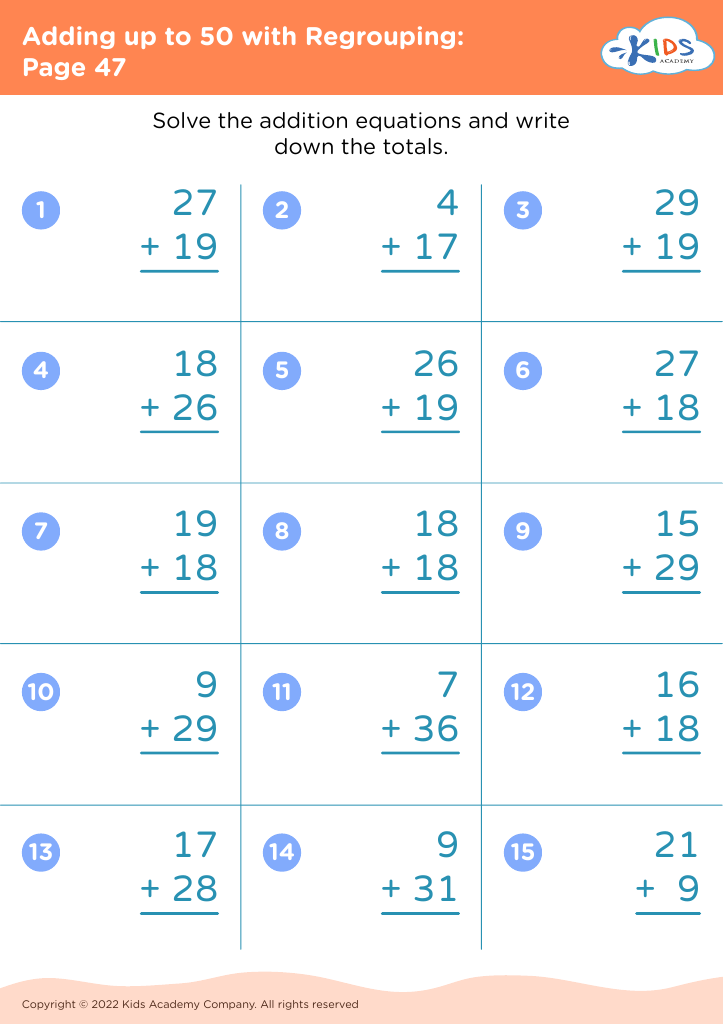
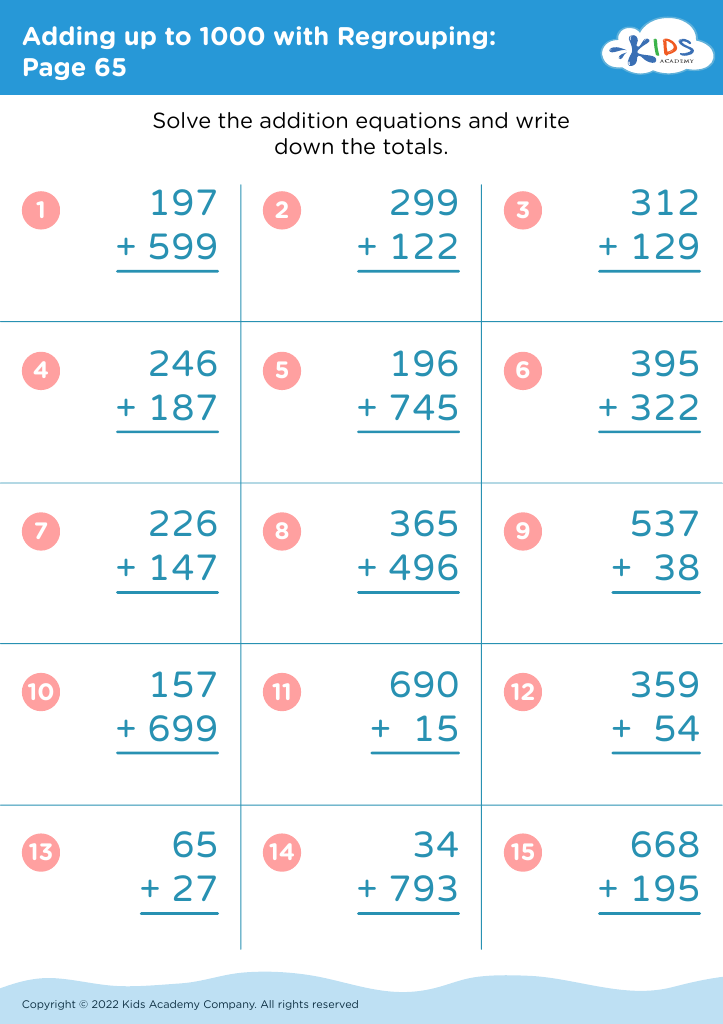
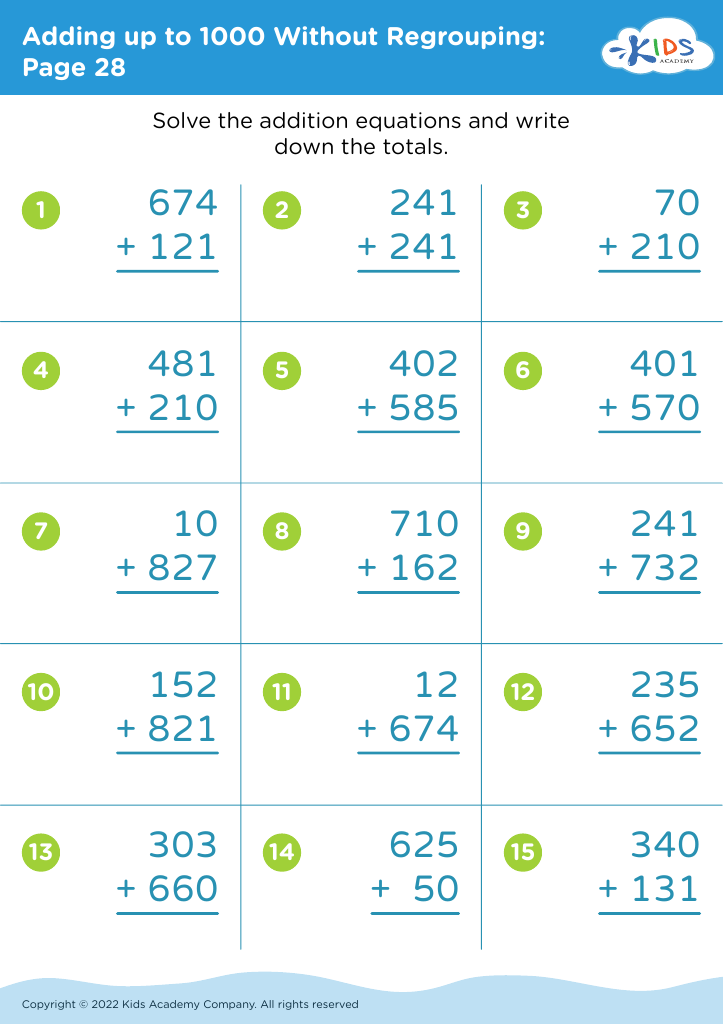
Explore our "Addition of Fractions Grade 2 Addition & Subtraction Worksheets" designed to make mastering fractions enjoyable for your second graders. With engaging and colorful layouts, these worksheets help young learners practice adding fractions with like denominators through hands-on activities and fun illustrations. Step-by-step instructions and clear examples ensure that students build a strong foundation in this essential math skill. Ideal for classroom use or extra practice at home, these worksheets align with educational standards, making them a valuable resource for both teachers and parents. Boost your child's confidence in math with our expertly crafted fraction addition worksheets!








Parents and teachers should care about the instruction and mastery of addition and subtraction of fractions in second grade because it builds foundational math skills that are essential for future learning. Understanding fractions at an early age paves the way for more complex arithmetic operations and enhances problem-solving abilities. Mastery of fractions also strengthens a child's number sense, which is crucial for grasping other mathematical concepts like decimals and percentages.
Early familiarity with fractions helps children recognize parts of a whole, making it easier to understand and analyze situations in both academic and real-life contexts. For example, dividing pizza slices among friends or measuring ingredients for a recipe. Moreover, the ability to add and subtract fractions fosters a child's confidence in math, reducing math anxiety and promoting a positive attitude toward the subject.
By caring about the addition and subtraction of fractions, parents and teachers are investing in their students' long-term academic success. They ensure that children have the necessary skills to excel in higher-level math courses, thereby supporting their overall education and critical thinking skills. This foundational knowledge is not just about performing calculations; it's about developing logical reasoning and the ability to approach problems systematically.