Compare fractions Grade 2 Addition & Subtraction Worksheets
5 filtered results
-
From - To
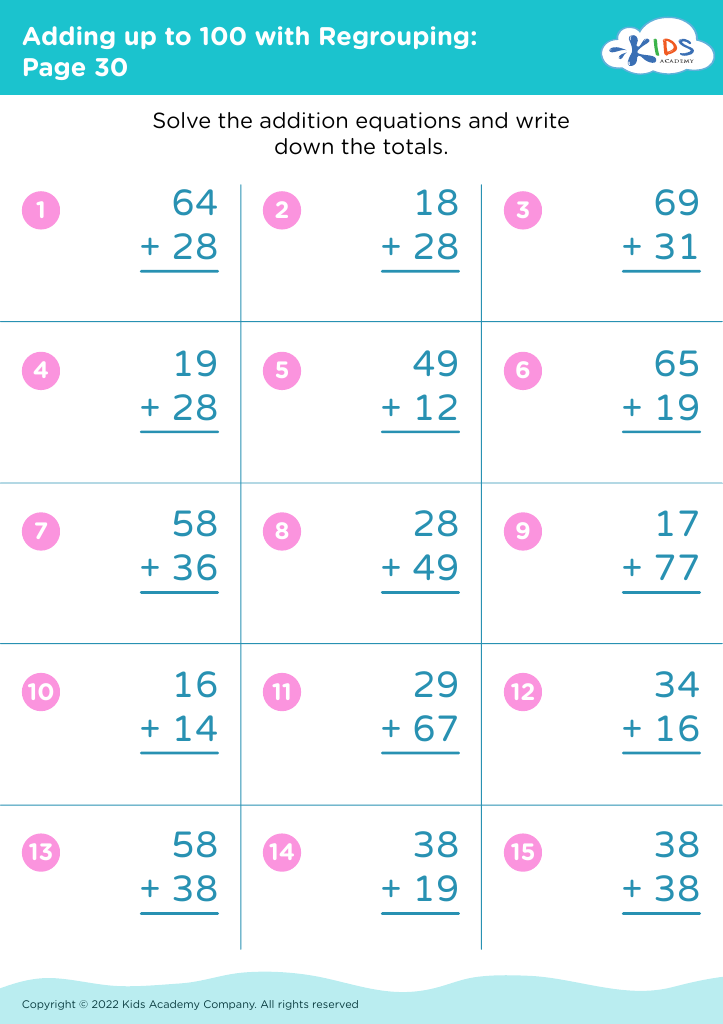
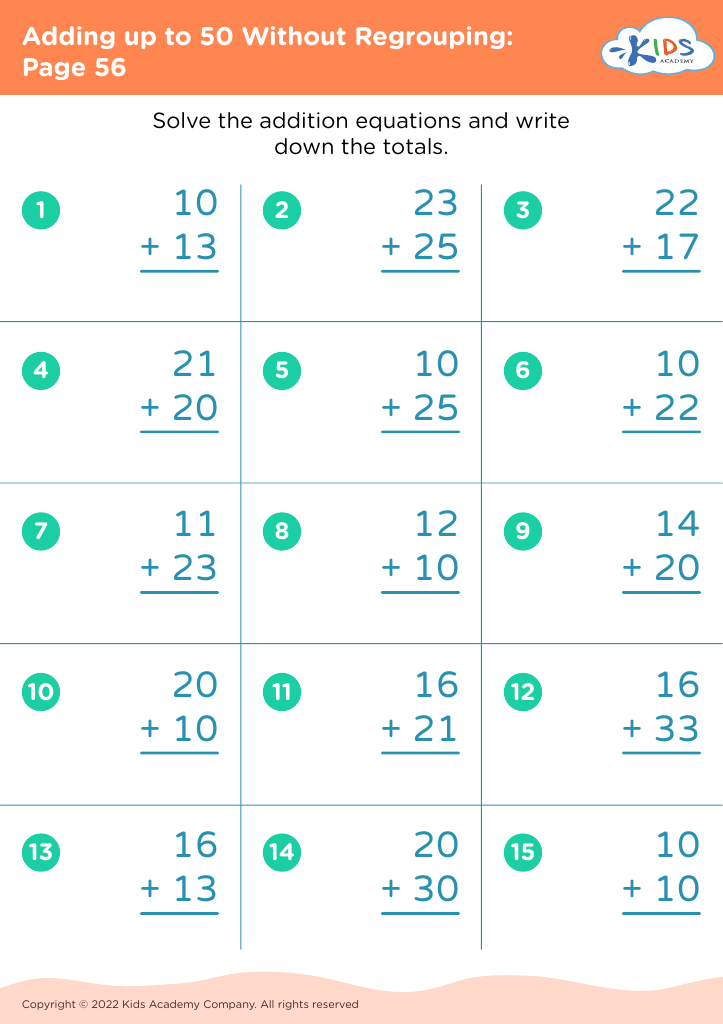
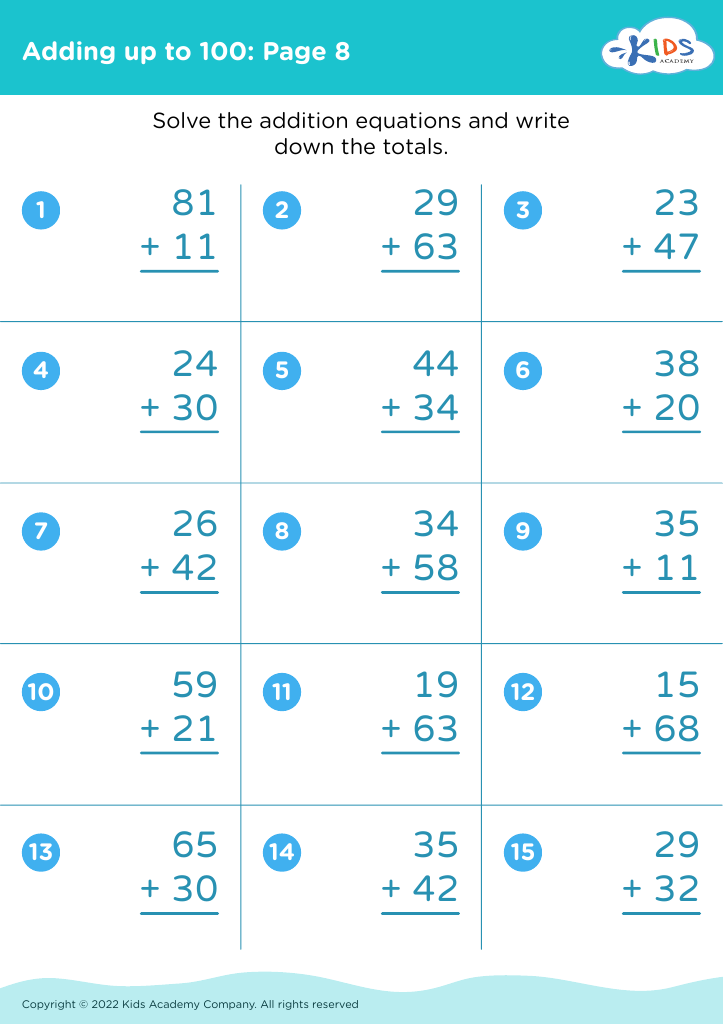
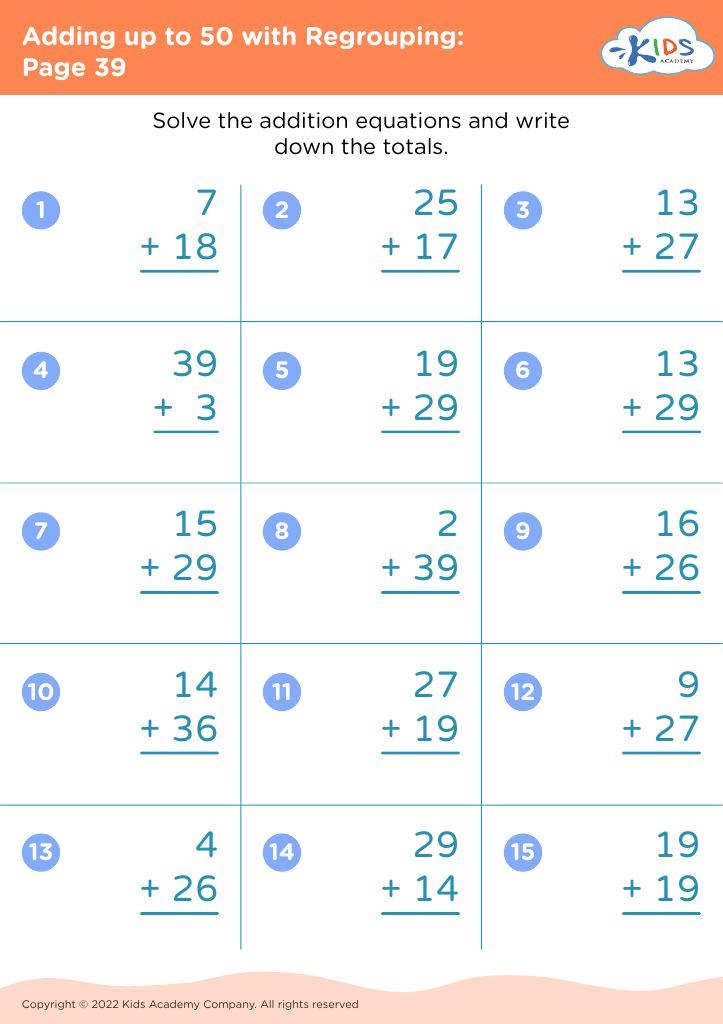
Our "Compare Fractions: Grade 2 Addition & Subtraction Worksheets" are carefully designed to introduce young learners to the concept of fractions while reinforcing their addition and subtraction skills. These engaging printables make learning fun and accessible, breaking down the basics of comparing fractions in an interactive and easy-to-understand way. Perfect for second graders, these worksheets support the development of critical math skills, ensuring students build a strong foundation in both fractions and basic arithmetic. Ideal for home or classroom use, our worksheets cater to different learning styles and help kids grasp essential concepts through practice and repetition.
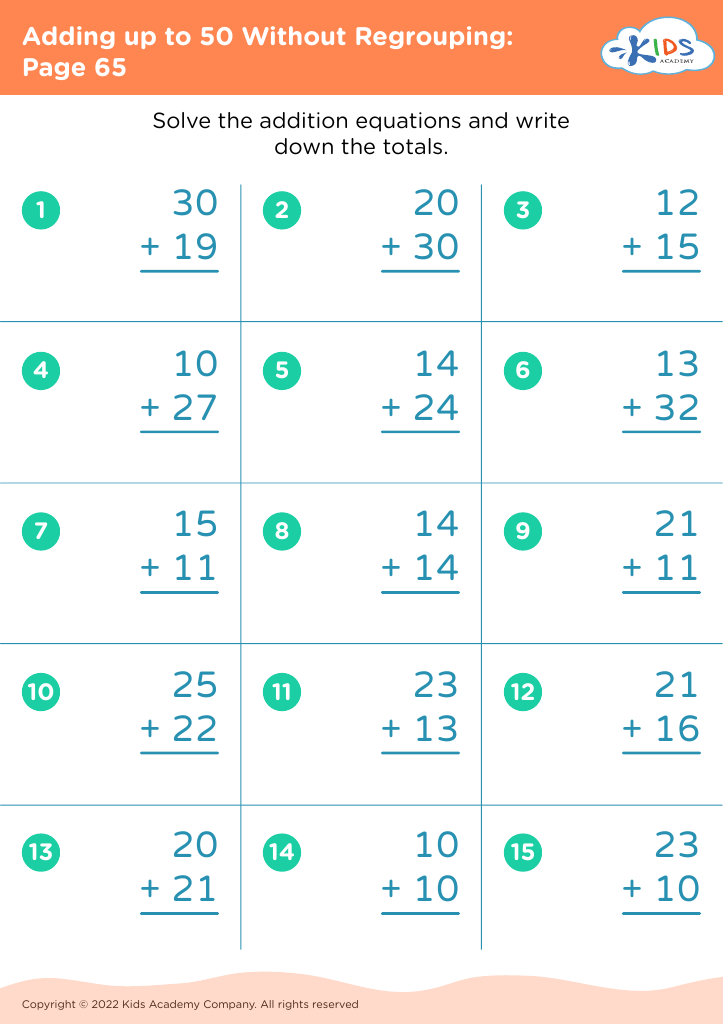








Understanding basic mathematical concepts like comparing fractions and performing addition and subtraction is fundamental for second-grade students as they develop their numerical literacy. At this stage, children are building the foundation for more complex mathematical reasoning they will encounter later in their education.
For parents and teachers, it’s essential to prioritize these skills because they encourage analytical thinking and problem-solving abilities. Comparing fractions helps students grasp the idea that fractions represent parts of a whole, which is crucial for understanding proportions and ratios later. These early fraction skills aid in visualizing and conceptualizing mathematical relationships, boosting overall numerical competency.
Addition and subtraction are equally important, serving as the building blocks of arithmetic. Mastery of these operations ensures that students can perform larger calculations accurately and confidently as they advance in their studies. Understanding how to manipulate numbers through addition and subtraction directly relates to skills needed in everyday life, such as budgeting, measuring, and data interpretation.
Therefore, by focusing on these areas, parents and teachers can ensure their children possess the necessary tools to succeed in more advanced mathematics and practical applications. Early competence in these skills sets the stage for a positive attitude towards math, reducing anxiety and opening doors to future educational and career opportunities.