Develop analytical thinking Grade 2 Addition & Subtraction Worksheets
3 filtered results
-
From - To
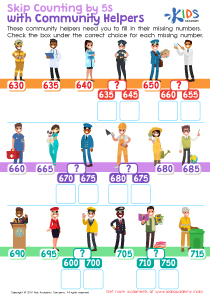
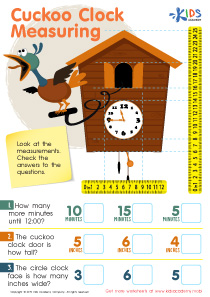
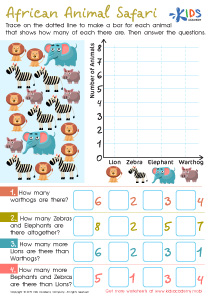
Enhance your child's problem-solving skills with our "Develop Analytical Thinking: Grade 2 Addition & Subtraction Worksheets." Designed specifically for second graders, these engaging and interactive worksheets provide ample practice in both addition and subtraction, nurturing critical analytical thinking. Each worksheet offers real-world problems and patterns to solve, aimed at building mental math strategies and boosting confidence. The content is structured to align with educational standards, ensuring your child’s progress is on track. Perfect for classroom or home use, our worksheets are a valuable resource on their learning journey. Explore now and ignite your child's analytical thinking skills!
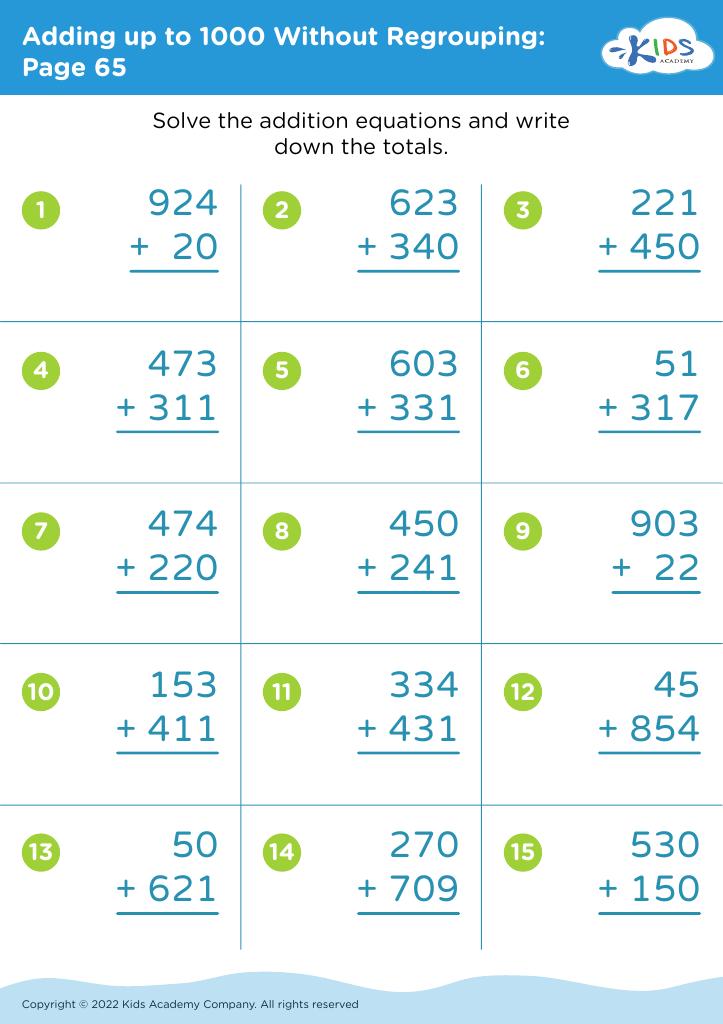
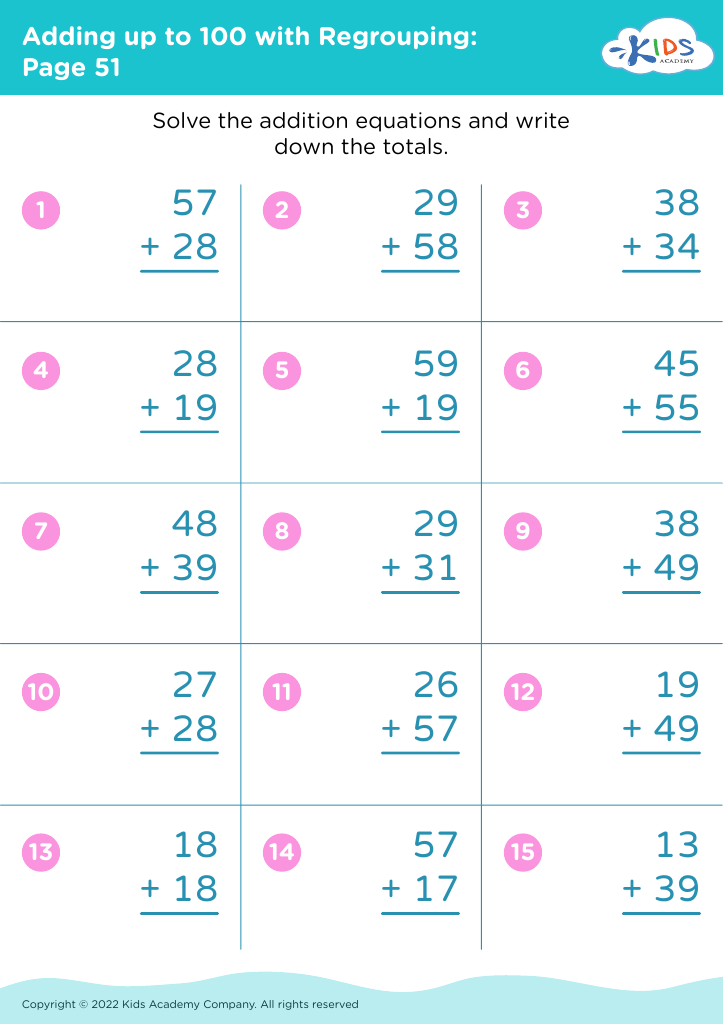
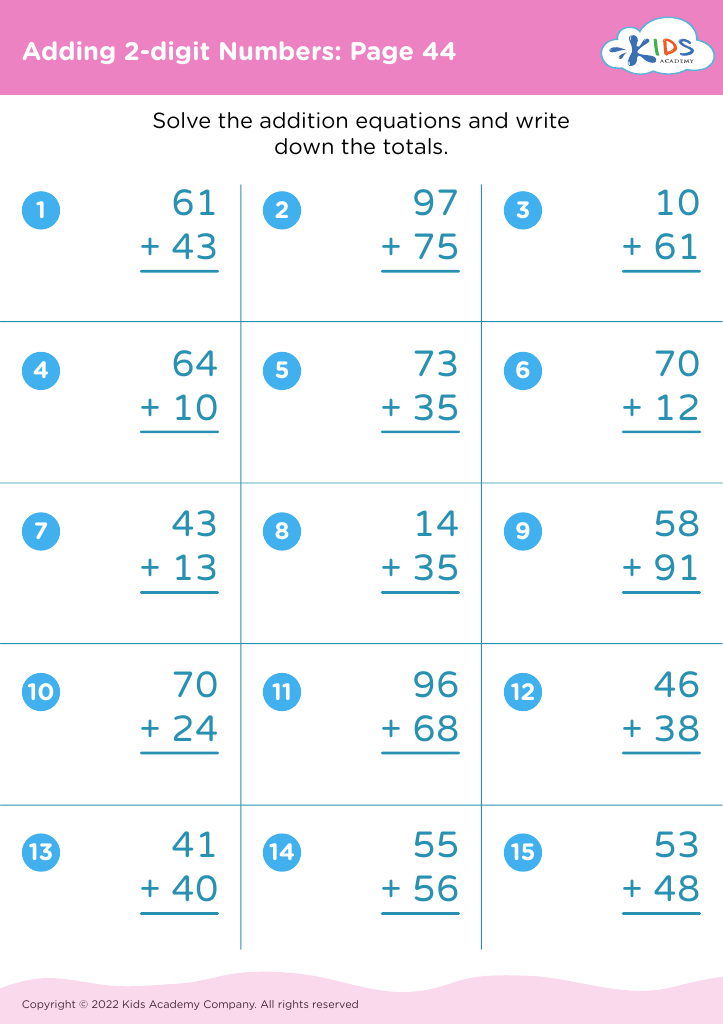








Developing analytical thinking in Grade 2 students through addition and subtraction is essential for several reasons. First, it establishes a foundational skill set that students will use throughout their educational journey and life. Analytical thinking helps children understand the 'why' behind the 'what,' allowing them to make sense of numbers and operations rather than just memorizing facts. This kind of deep understanding fosters problem-solving abilities, creativity, and logical reasoning.
For parents, fostering these skills at an early age equips children with the tools they need to tackle more complex mathematical concepts in future grades with confidence. It also prepares them for real-world situations where they must assess situations, identify patterns, and devise solutions, whether they are calculating change at a store or managing personal finances.
For teachers, imparting these skills means molding more competent, inquisitive, and motivated learners. Analytical thinking boosts student engagement as children feel a sense of accomplishment when solving problems on their own. By focusing on both addition and subtraction, teachers can address a range of cognitive skills — from counting and number sense to understanding relationships between numbers.
In conclusion, early development of analytical thinking in addition and subtraction provides a robust educational foundation, cultivates problem-solving abilities, and prepares children for everyday life challenges, benefiting both their academic and personal growth.