Enhance critical thinking Grade 2 Addition & Subtraction Worksheets
4 filtered results
-
From - To
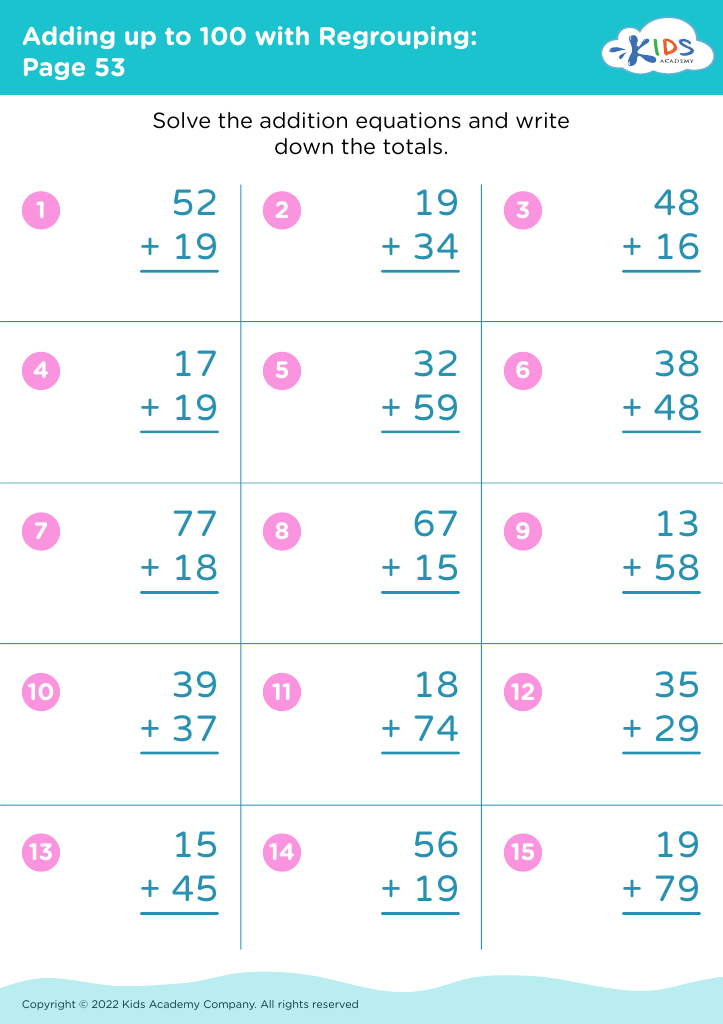
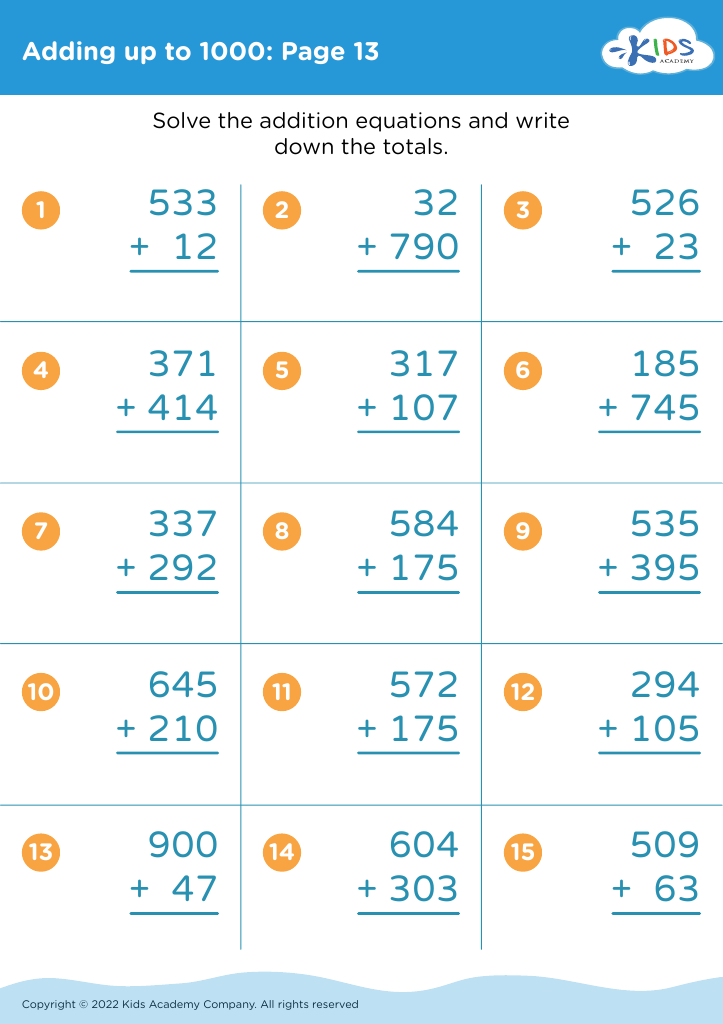
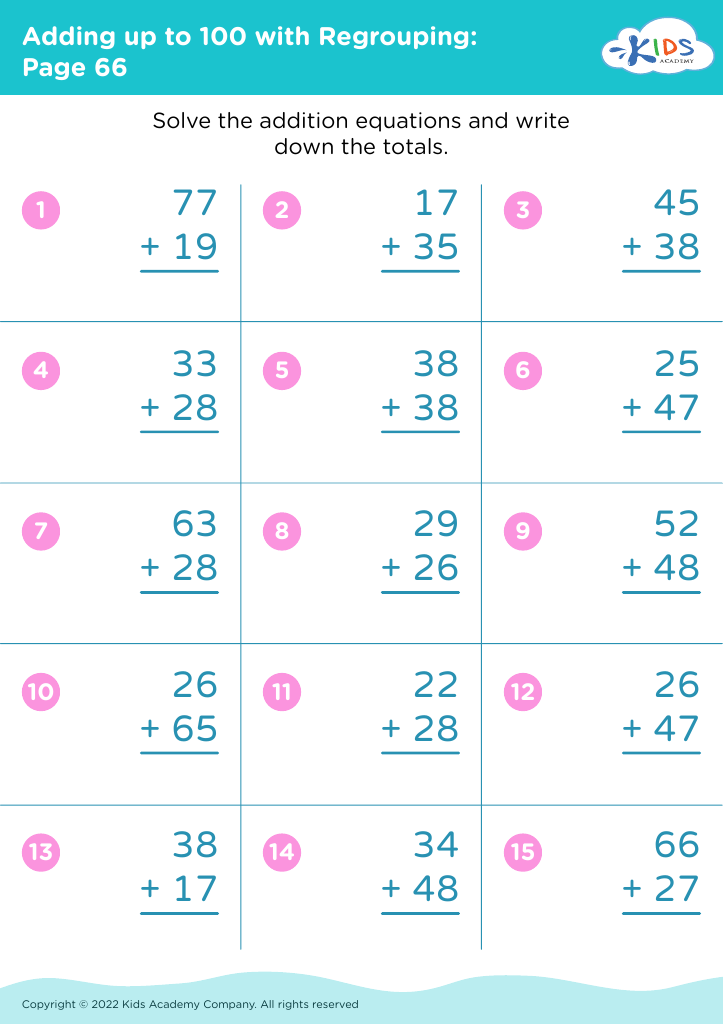
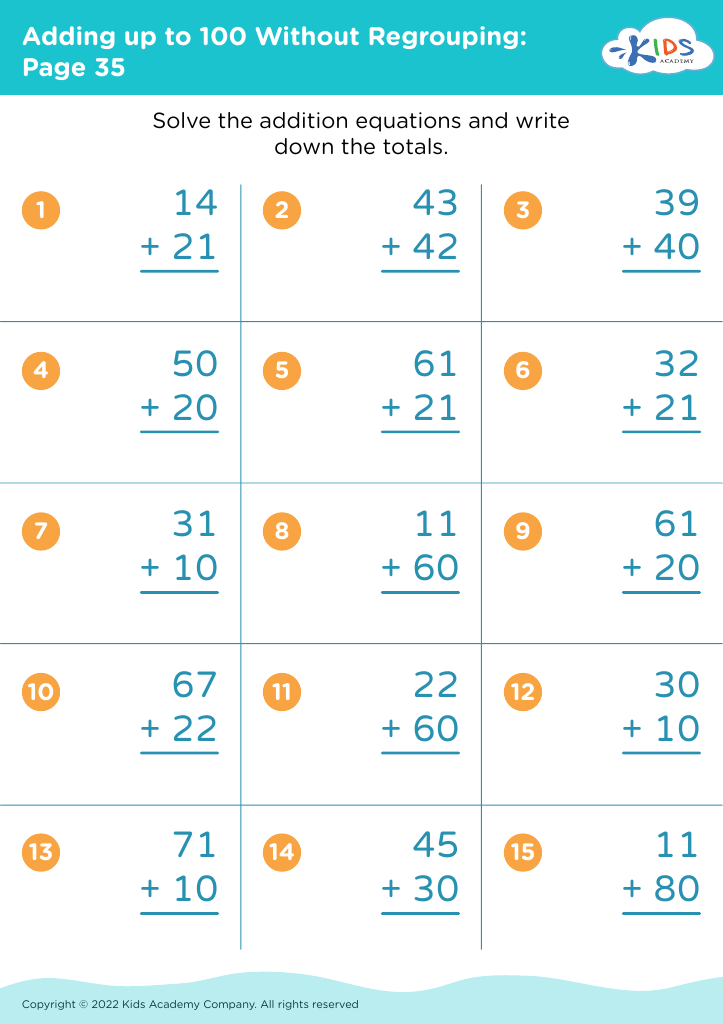
Welcome to our collection of Grade 2 Addition and Subtraction Worksheets designed to enhance critical thinking skills! These engaging worksheets focus on not just solving math problems, but also encouraging students to analyze, evaluate, and apply their mathematical knowledge in various contexts. With fun and interactive exercises, your second grader will learn to approach addition and subtraction challenges with confidence. Our thoughtfully crafted activities promote problem-solving strategies and foster a deeper understanding of mathematical concepts. Perfect for reinforcing classroom learning or providing extra practice at home. Equip your child with essential skills for future success in math while having fun along the way!








Enhancing critical thinking skills in Grade 2 through addition and subtraction is essential for several reasons. At this stage, children are not just learning how to perform basic operations; they are developing foundations for analytical thinking that will serve them throughout their educational journey.
Firstly, encouraging critical thinking fosters a deeper understanding of mathematical concepts. Students can learn to strategically approach problems rather than relying on rote memorization. This analytical mindset helps them evaluate different methods to solve addition and subtraction problems, promoting flexibility in their thought processes.
Additionally, building critical thinking skills aids in problem-solving. Children in Grade 2 often encounter real-world problems requiring more than mere calculations. By fostering their ability to analyze situations, weigh options, and justify their solutions, teachers and parents equip them with the tools to tackle challenges both in and outside of the classroom.
Finally, cultivating critical thinking in mathematics contributes to overall cognitive development. It enhances creativity, encourages curiosity, and helps children develop an appreciation for the subject matter. As parents and teachers nurture these skills, they prepare children not just for academic success, but also for everyday decision-making and lifelong learning.