Fraction identification Grade 2 Addition & Subtraction Worksheets
5 filtered results
-
From - To
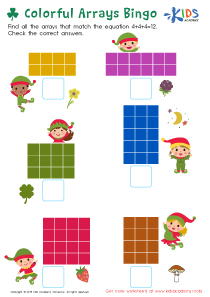
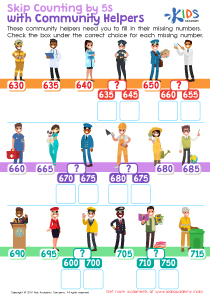
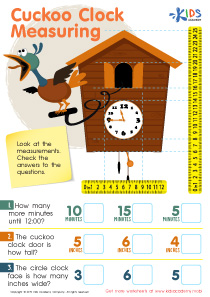
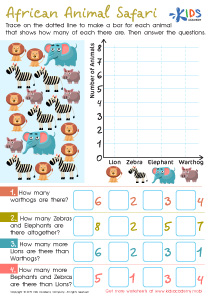
Enhance your second grader's math skills with our "Fraction Identification Grade 2 Addition & Subtraction Worksheets." These engaging resources are designed to make learning fractions fun and interactive. Students will explore adding and subtracting fractions through colorful and hands-on activities. Each worksheet strengthens fraction identification abilities while reinforcing essential concepts, improving accuracy, and boosting confidence. Featuring a variety of exercises, our worksheets are perfect for classroom use or extra practice at home. Download and print now to help your child master fractions with ease and enjoyment. Join us in building a strong foundation in math for your young learner.
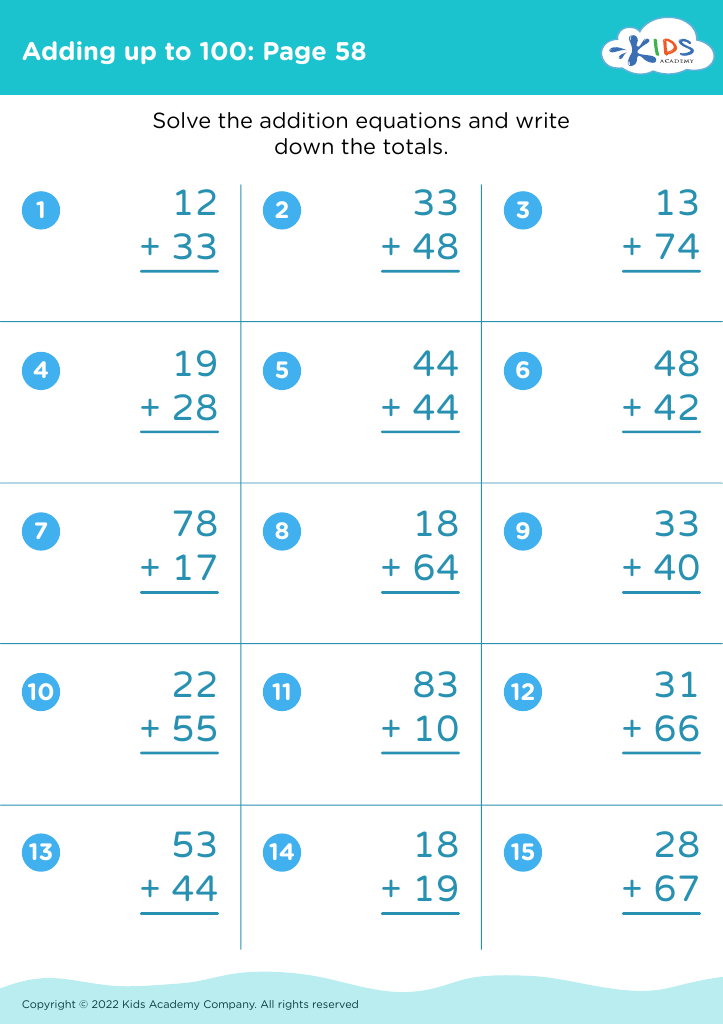








Understanding fractions, even at a simple level, is essential for foundational mathematical skills, and introducing them early enhances students' comfort with this concept. For second graders, recognizing fractions and integrating these concepts into basic addition and subtraction can significantly enhance their overall math literacy.
Firstly, fractions underpin many real-world applications such as cooking, shopping, and time management. By familiarizing children with fractions through practical examples (like slicing a pizza or sharing a cake), they not only grasp the concept better but also appreciate its relevance in everyday life.
Secondly, early exposure to fraction identification enhances critical thinking. Handling fractions demands an understanding of parts to a whole, promoting cognitive development that translates to better problem-solving skills in complex scenarios.
Additionally, incorporating fractions in second-grade math develops a solid base for later math topics like ratios, percentages, algebra, and geometry. Children who grasp basic addition and subtraction involving fractions are better prepared for these advanced subjects.
Teachers and parents play a crucial role in this learning journey. They can break down complex ideas, use visual aids, and offer relatable contexts. By nurturing a supportive environment where children can explore and practice fractions without fear of failure, we set them on a path to math confidence and competence, benefitting their long-term academic and life skills.