Improving reading skills Grade 2 Addition & Subtraction Worksheets
4 filtered results
Difficulty Level
Grade
Age
-
From - To
Subject
Activity
Standards
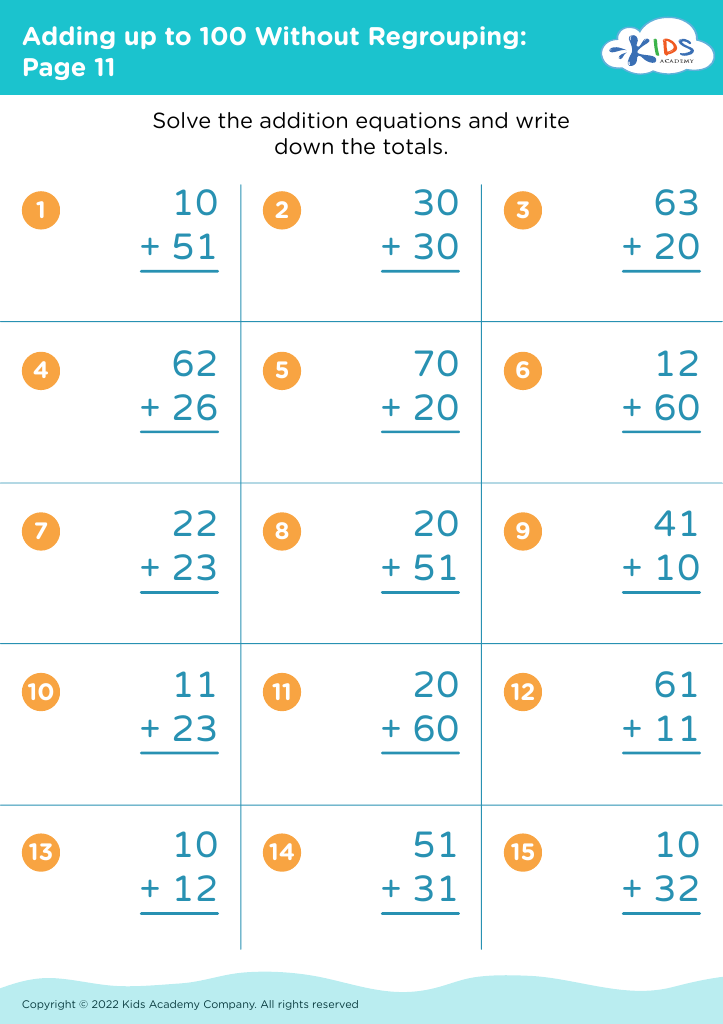
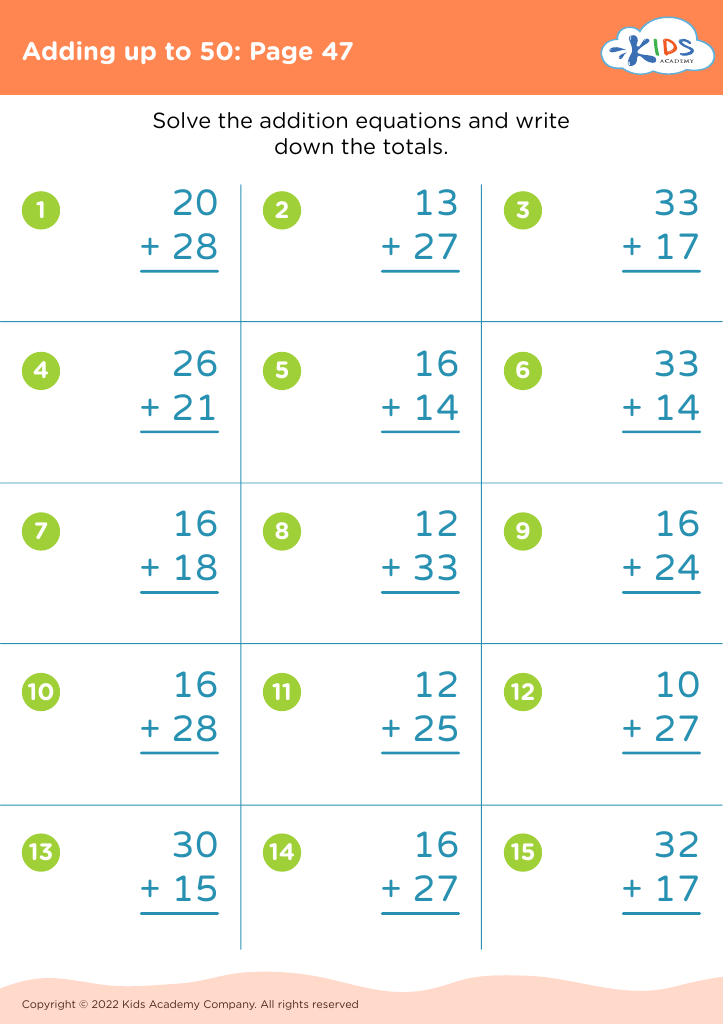
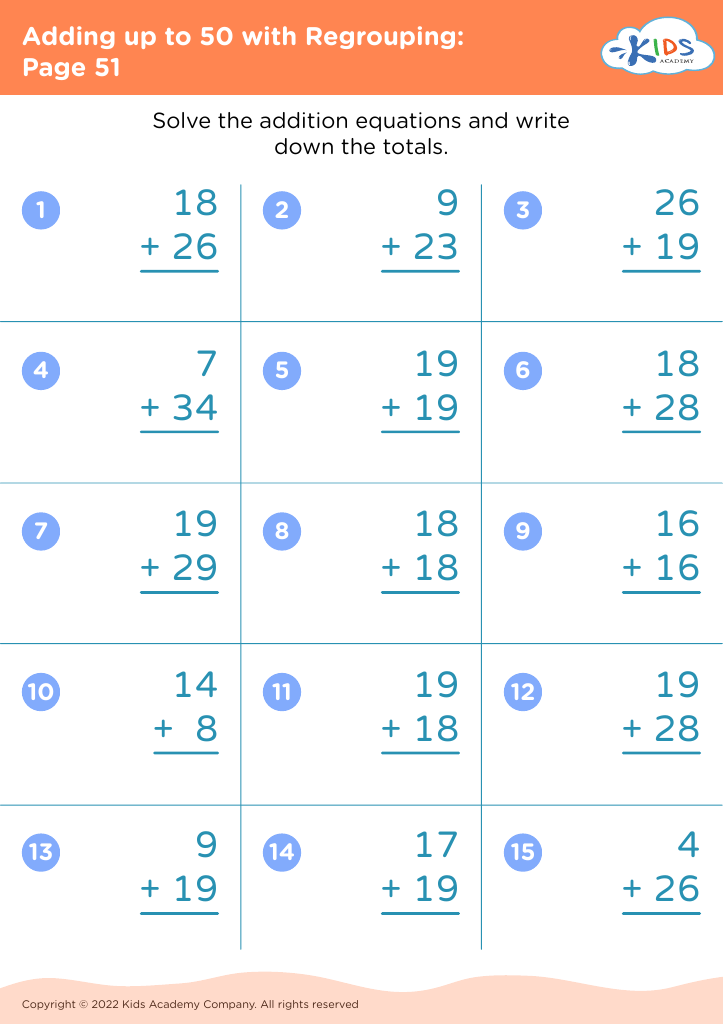
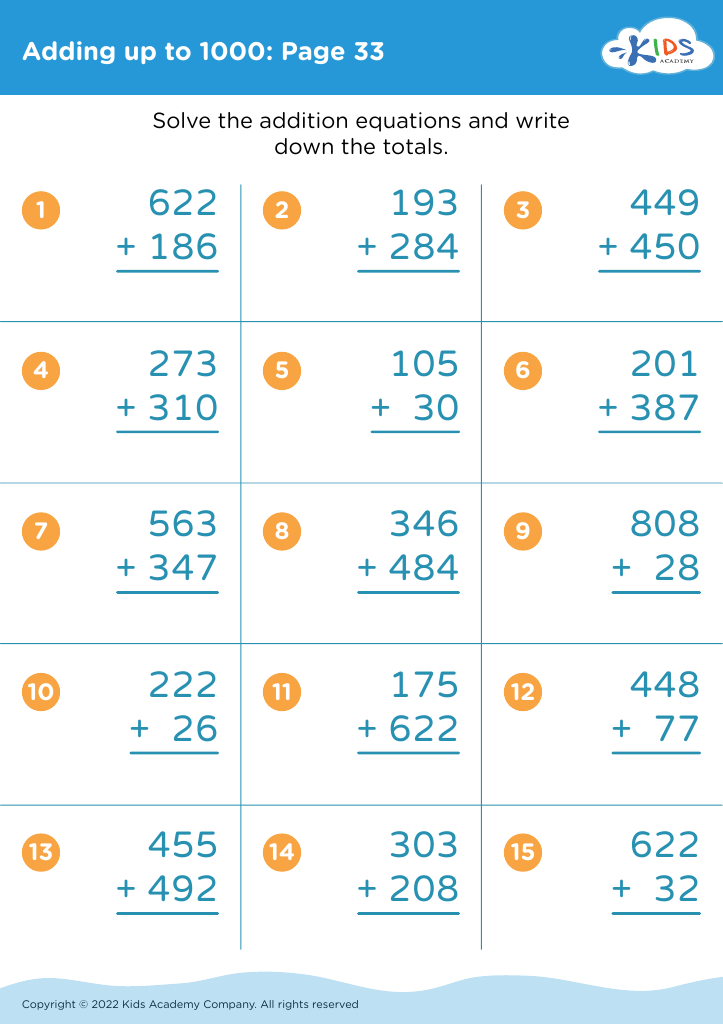
Enhance your second grader's reading and math proficiency with our engaging Addition & Subtraction Worksheets designed specifically for Grade 2. Our resources combine essential numeracy skills with reading practice, ensuring your child not only masters core math concepts but also improves their literacy. Each worksheet features age-appropriate exercises that challenge young learners while keeping them entertained. From word problems to fun math stories, these worksheets bridge the gap between reading and math fluency, fostering a comprehensive learning experience. Perfect for classroom or home use, our worksheets promote critical thinking and help children gain confidence in both reading and mathematics. Start learning today!
Favorites
With answer key
Interactive
Join Kids Academy for Free
Who is primarily going to use this learning content?








Improving reading skills is vital for second-grade students, as it lays the foundation for their academic success across all subjects, including mathematics. In grade 2, addition and subtraction involve not only numerical operations but also the interpretation of word problems. Students must read and comprehend what is being asked before they can apply their math skills. Strong reading abilities enable them to decode problems and understand key concepts, which fosters confidence in solving math equations.
Moreover, proficient reading skills enrich a child's vocabulary, enhancing their ability to express mathematical concepts clearly. This bolstered communication is essential for collaborative learning experiences and engaging discussions in the classroom. When parents and teachers focus on improving reading skills, they ensure that students grasp the language of math—a crucial aspect of successful problem-solving.
Additionally, developing reading comprehension fosters a love for learning. Children who feel competent in reading are more likely to engage with challenging materials and take risks in their learning. Ultimately, investing in reading competence not only supports addition and subtraction but nurtures overall cognitive development, turning students into lifelong learners equipped to tackle future challenges in academics and beyond. Therefore, parents and teachers play a critical role in emphasizing the importance of strengthening these skills.