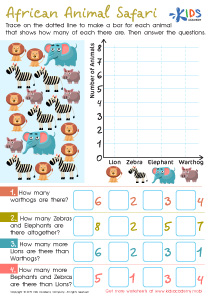
Logical thinking development Grade 2 Addition & Subtraction Worksheets
8 filtered results
-
From - To
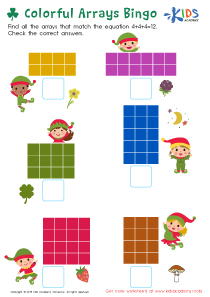
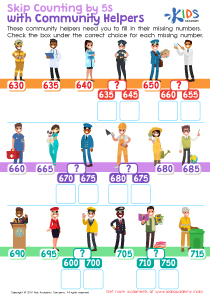
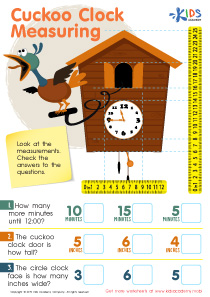
Enhance your child's logical thinking skills with our engaging Grade 2 Addition and Subtraction Worksheets! Tailored for young learners, these worksheets provide exciting problems that foster critical reasoning and problem-solving abilities, making math fun and intuitive. Each worksheet features a variety of exercises that challenge students to explore different methods of addition and subtraction, encouraging them to think outside the box. With colorful designs and age-appropriate questions, these printable resources are perfect for classroom use or at-home practice. Whether reinforcing concepts learned in school or introducing new challenges, our worksheets help second graders build a solid foundation in mathematics while developing their logical thinking skills.
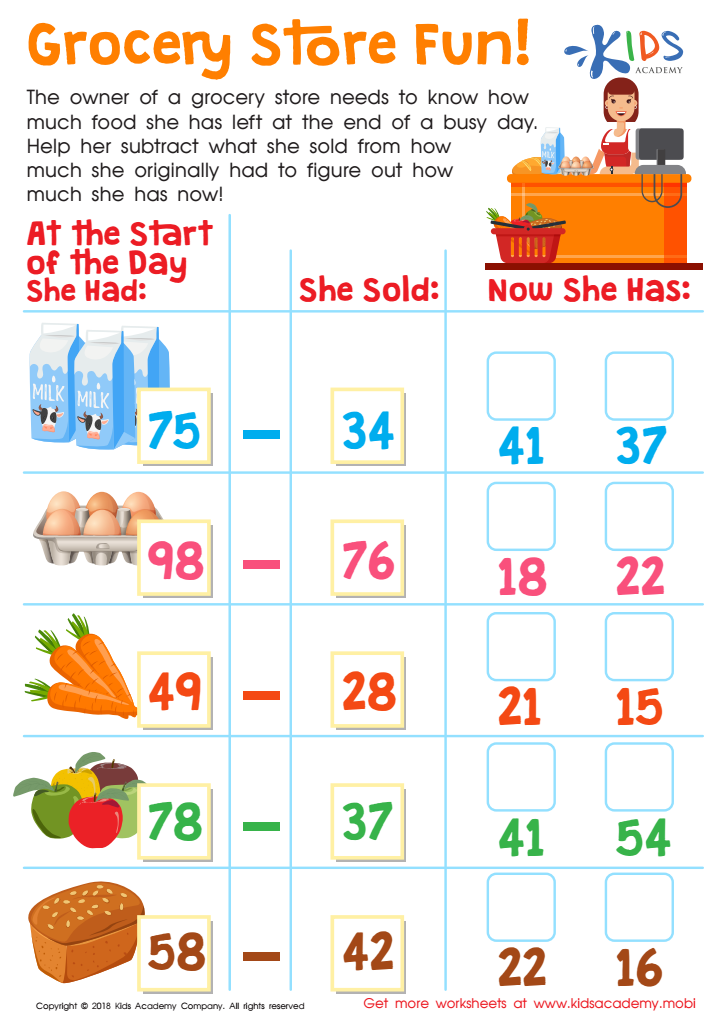
Grocery Store Fun! Worksheet
 Assign to My Students
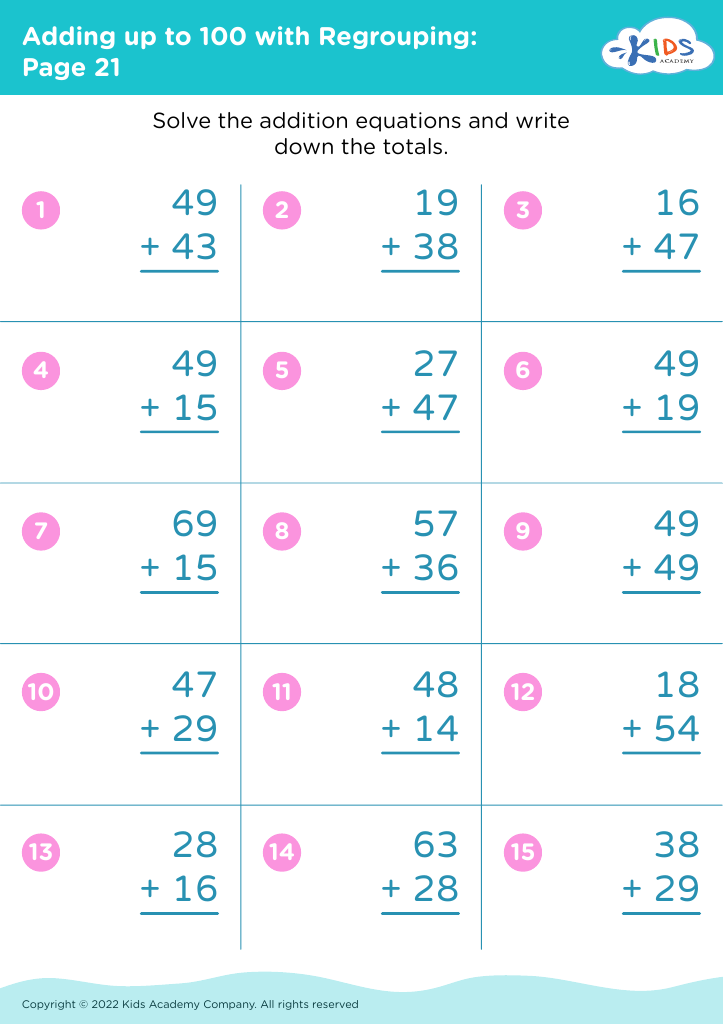
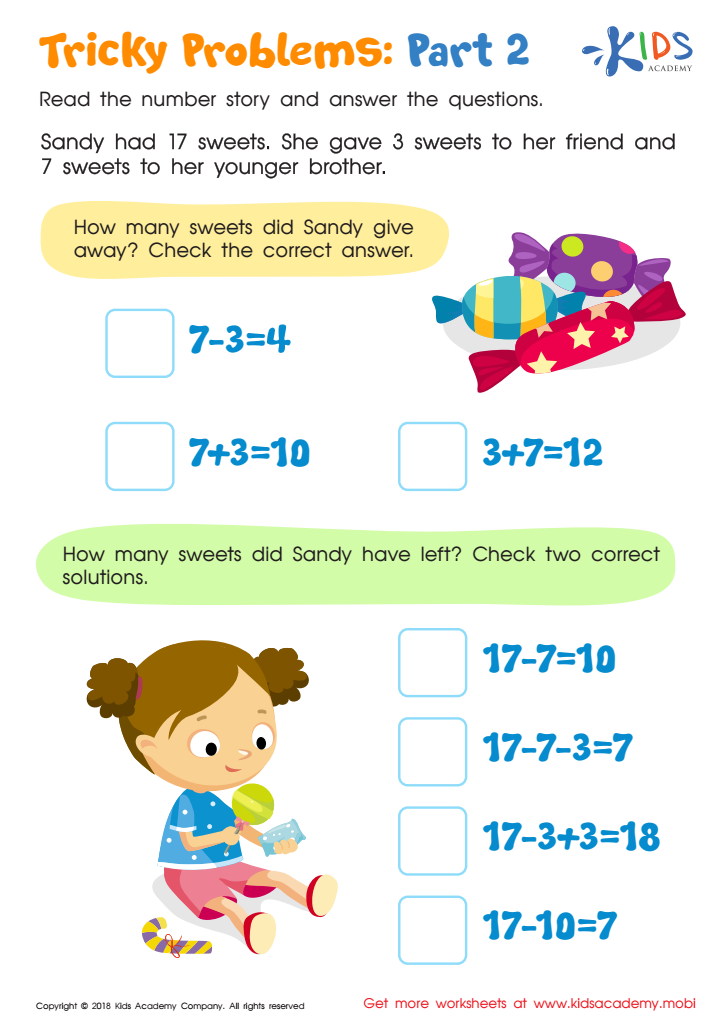
Tricky Problems Worksheet: Part 2
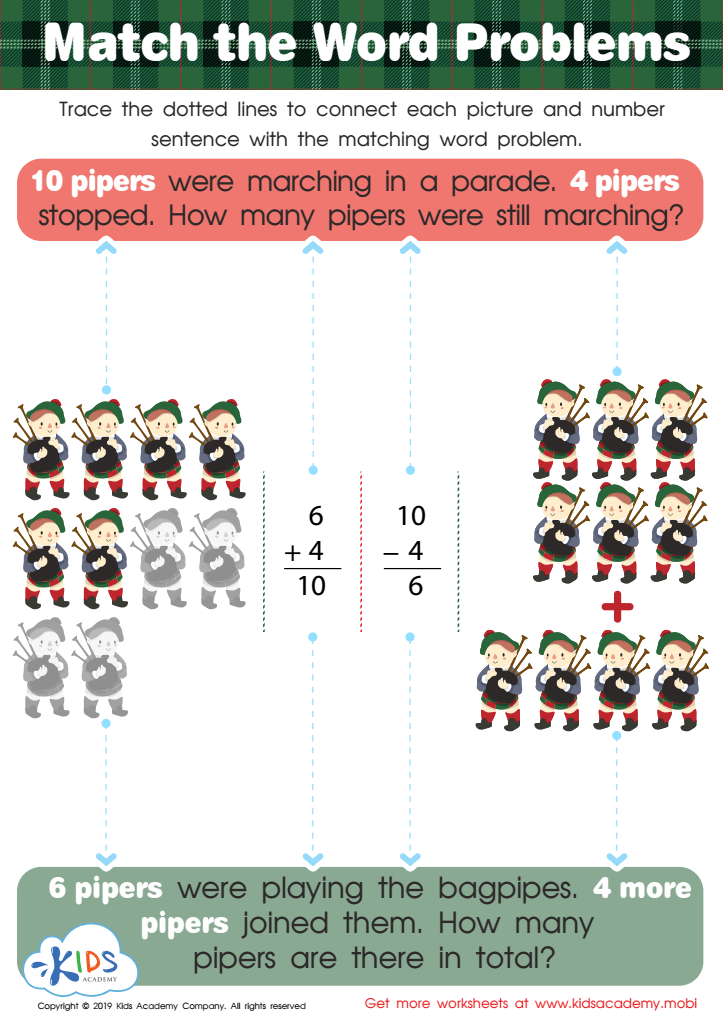
Match the Word Problems Worksheet
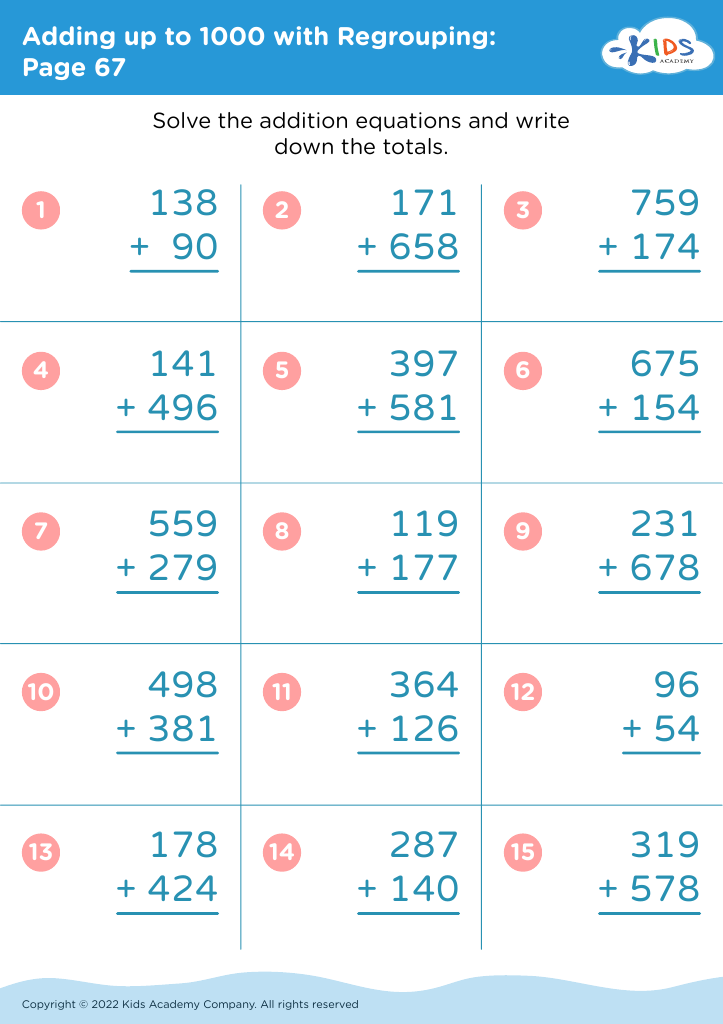
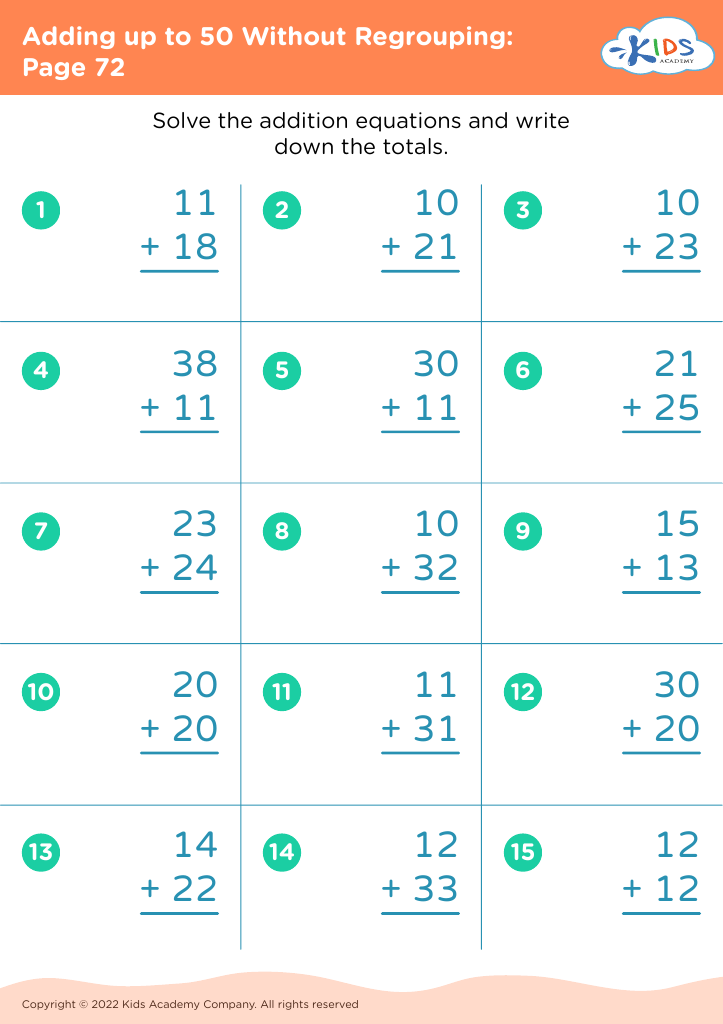
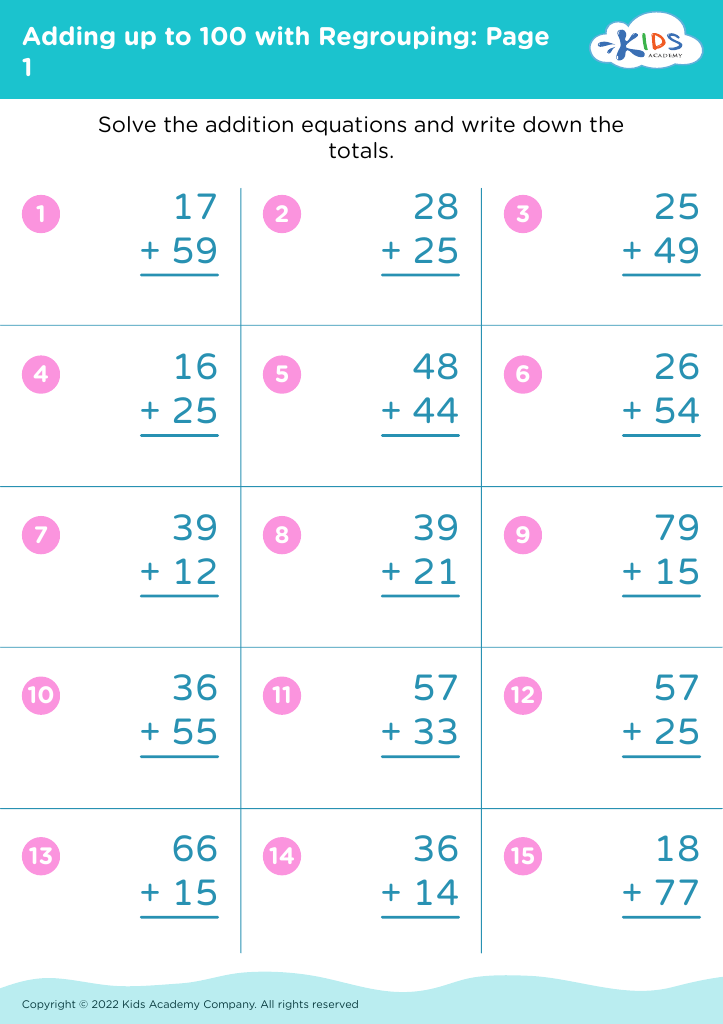
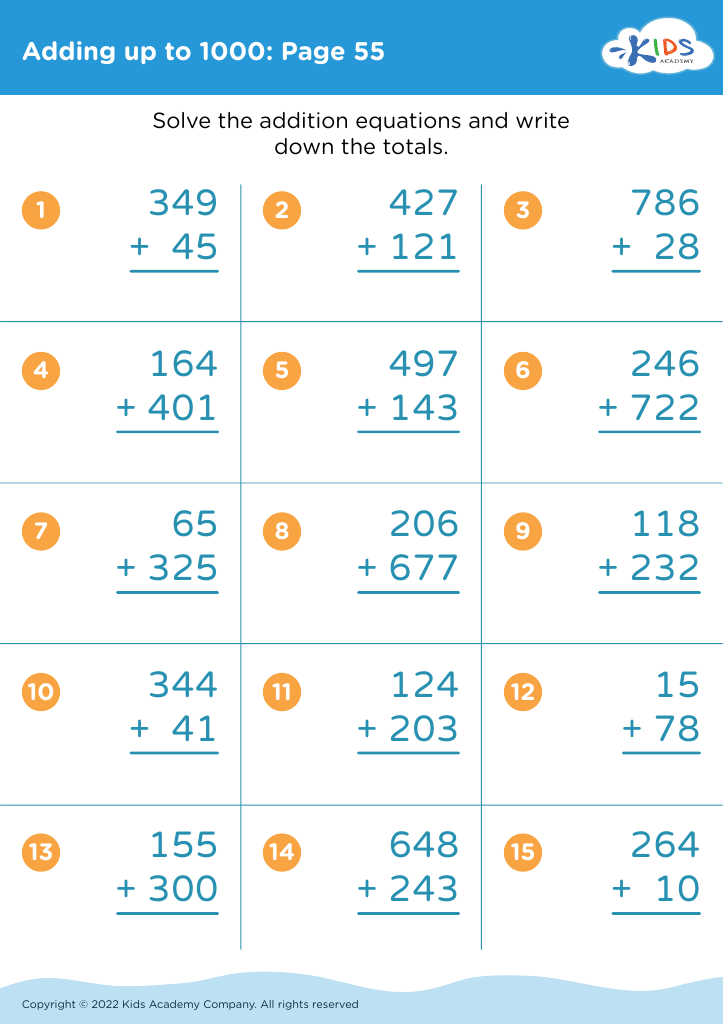








Logical thinking development in Grade 2, particularly in the context of addition and subtraction, is crucial for young learners. This foundation not only enhances their mathematical skills but also cultivates critical thinking essential for everyday problem solving. At this stage, children begin to transition from concrete to more abstract thinking. Understanding how to manipulate numbers logically sets the groundwork for more advanced concepts such as multiplication, division, and even later algebra.
By engaging in activities that promote logical reasoning, like word problems or number games, children learn to analyze situations, identify patterns, and make connections between different mathematical operations. This skill set is invaluable, not just in academics, but in real-life scenarios such as budgeting, planning, and decision making.
For parents and teachers, nurturing logical thinking is an investment in a child's future learning. By emphasizing these skills early on, educators can help children develop a growth mindset, resilience, and confidence in their abilities. Supporting logical thinking fosters a love for learning and equips children with the tools they need to tackle challenges throughout their academic journey and beyond. Ultimately, caring about logical thinking in addition and subtraction lays the groundwork for lifelong critical and analytical skills.