Pattern recognition Grade 2 Addition & Subtraction Worksheets
5 filtered results
-
From - To
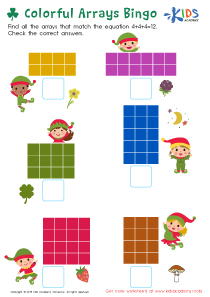
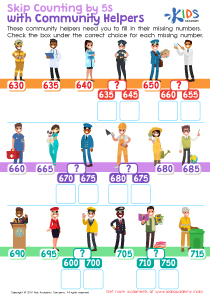
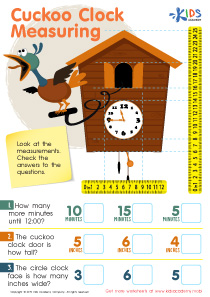
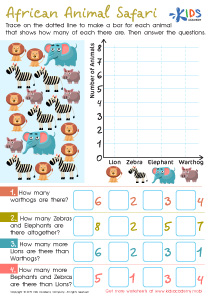
Introduce your second graders to the exciting world of pattern recognition with our engaging worksheets designed for addition and subtraction! These resources enhance critical thinking skills while reinforcing math fundamentals. Students will love identifying patterns in numbers and developing a deeper understanding of addition and subtraction concepts. Each worksheet focuses on visual aids and fun exercises that make learning enjoyable. Perfect for classroom use or homework, these worksheets cater to various learning styles, ensuring every child has the opportunity to succeed. Empower your students to grasp essential math skills while exploring patterns in a fun and interactive way!
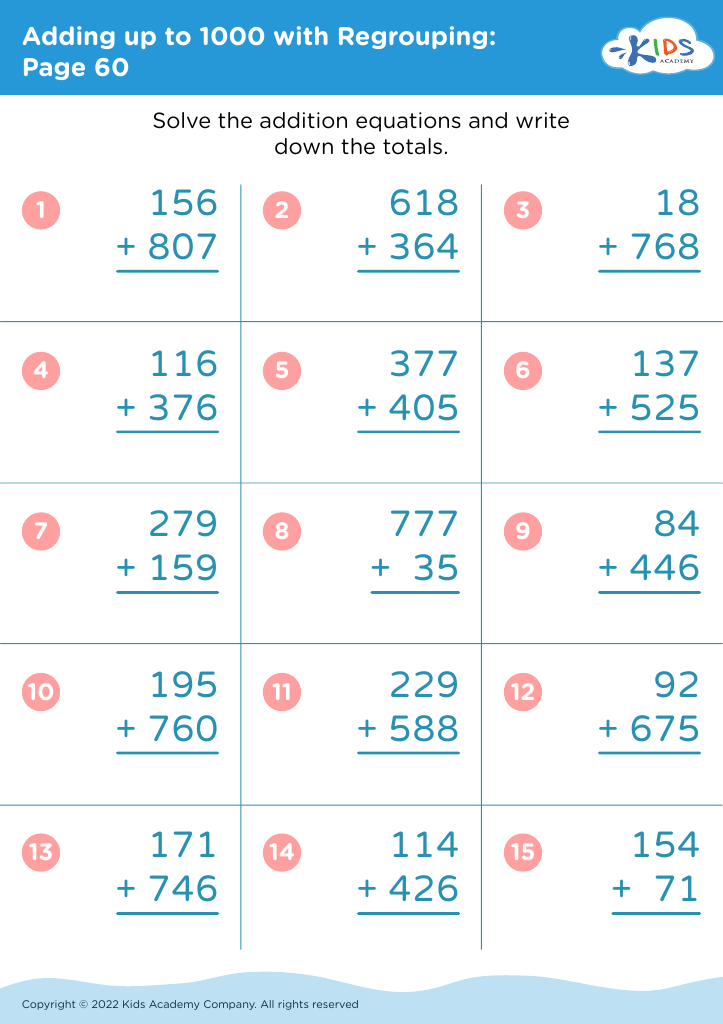
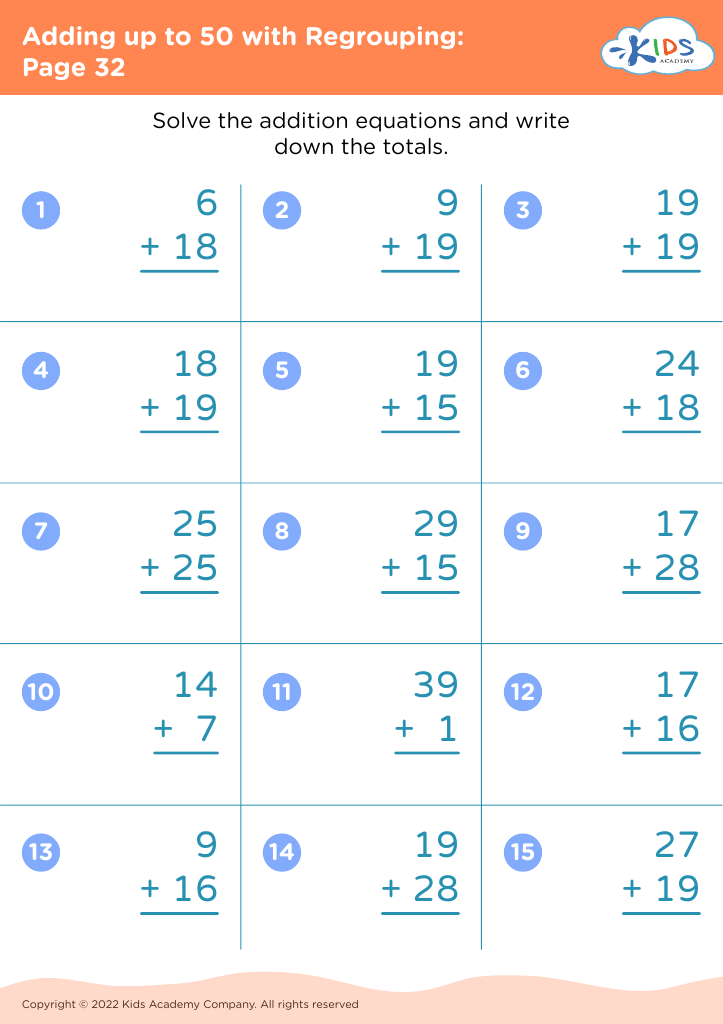
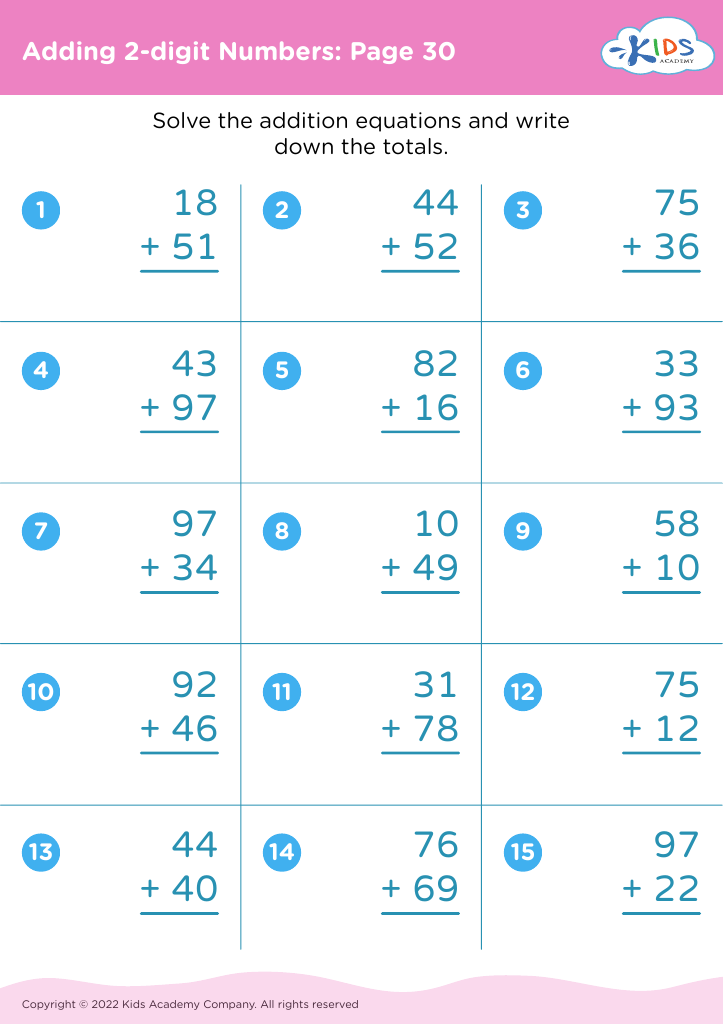
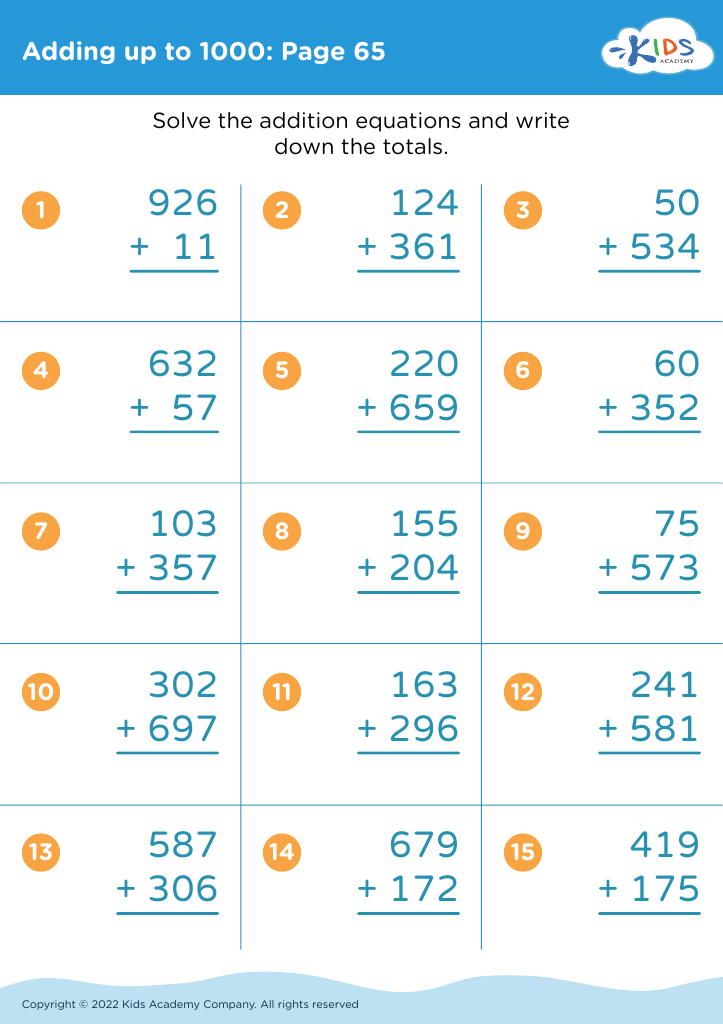
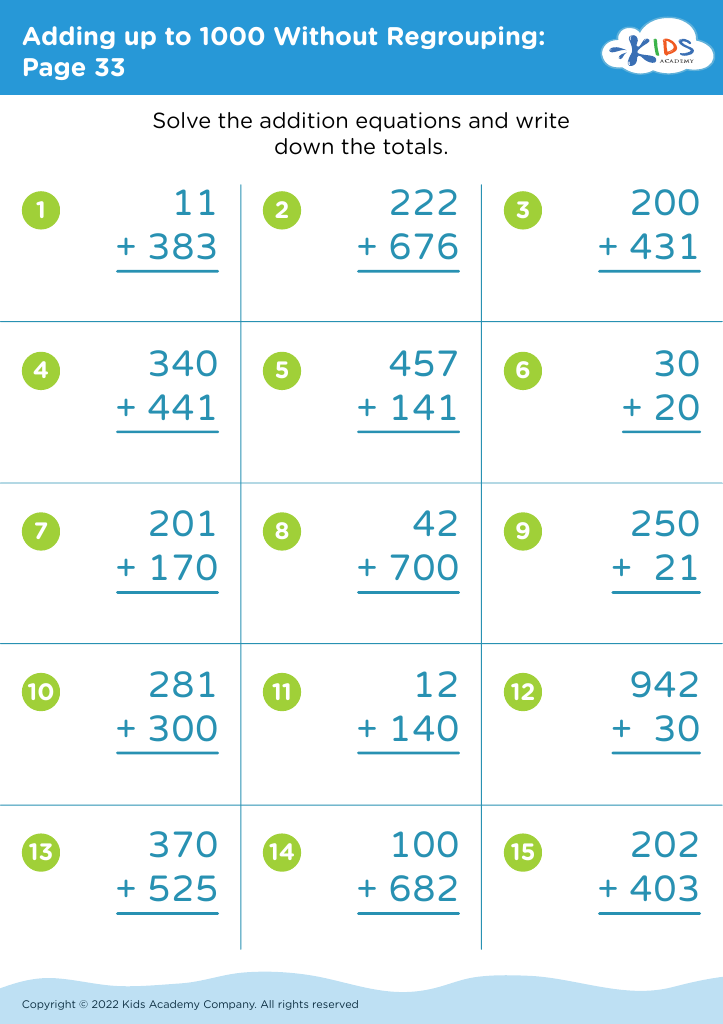








Pattern recognition in Grade 2 addition and subtraction is crucial for students' mathematical development. Understanding patterns helps children gain confidence in their problem-solving abilities and lays a solid foundation for more complex math concepts later on. When kids recognize patterns in numbers, such as fact families or repetitive addition and subtraction strategies, they become more efficient at calculations. This boosts their speed and accuracy, making math less intimidating and more enjoyable.
Furthermore, pattern recognition reinforces critical thinking skills. When students see a pattern, they learn to make predictions and validate their answers, fostering a deeper understanding of mathematical relationships. This skill not only assists them in math but also encourages logical reasoning in various aspects of life.
Encouraging pattern recognition can also facilitate classroom discussions and collaborative learning. Teachers can engage students by incorporating fun activities that involve sorting numbers, playing games, or using visual aids. As students share their observations, they enhance their communication skills.
Ultimately, by fostering an environment that values pattern recognition in early math, parents and teachers can ignite a lifelong love for math, boost academic performance, and prepare students for future challenges in mathematics and beyond.