Practice inference skills Grade 2 Addition & Subtraction Worksheets
3 filtered results
-
From - To
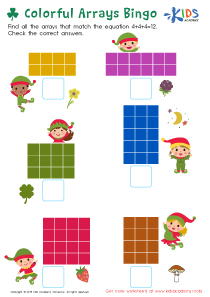
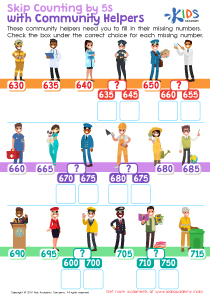
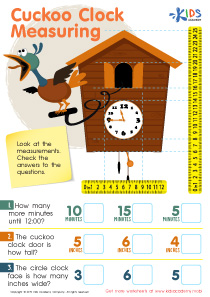
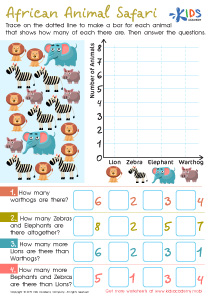
Enhance your second grader's math proficiency with our Practice Inference Skills Grade 2 Addition & Subtraction Worksheets! These engaging and educational worksheets are designed to help young learners develop critical thinking and problem-solving abilities. Through various thoughtfully crafted activities, children will practice making inferences while mastering addition and subtraction concepts. Perfect for classroom use or at-home practice, our worksheets provide a fun and interactive way to strengthen essential math skills. Give your child the foundation needed for future success with our expertly designed resources that cater to their learning needs. Download now and watch their confidence soar!
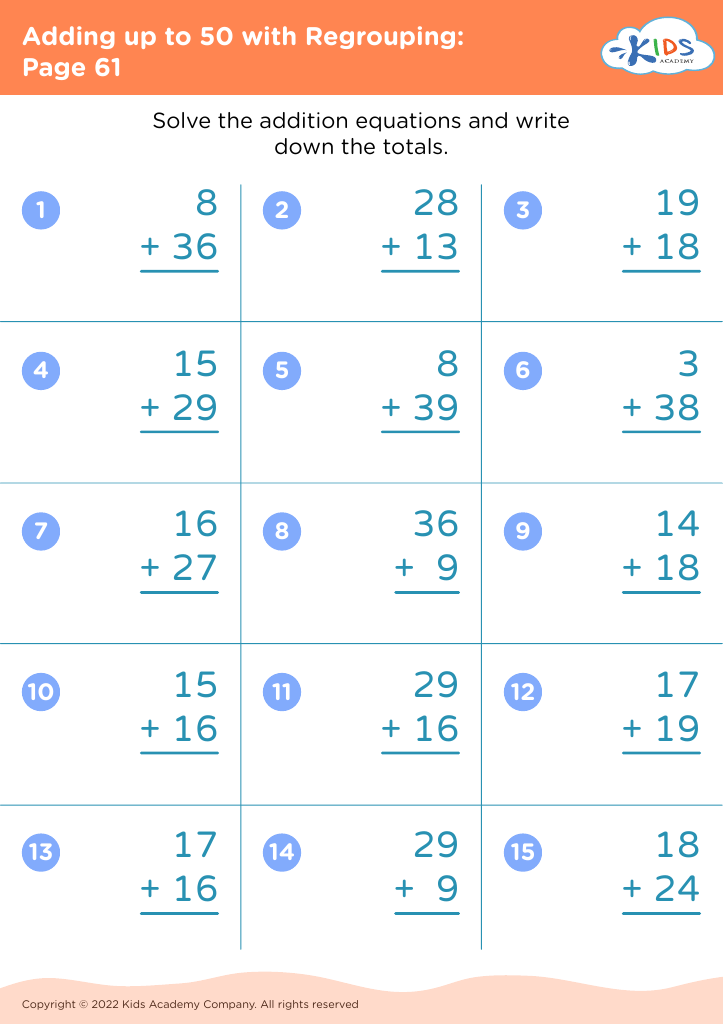
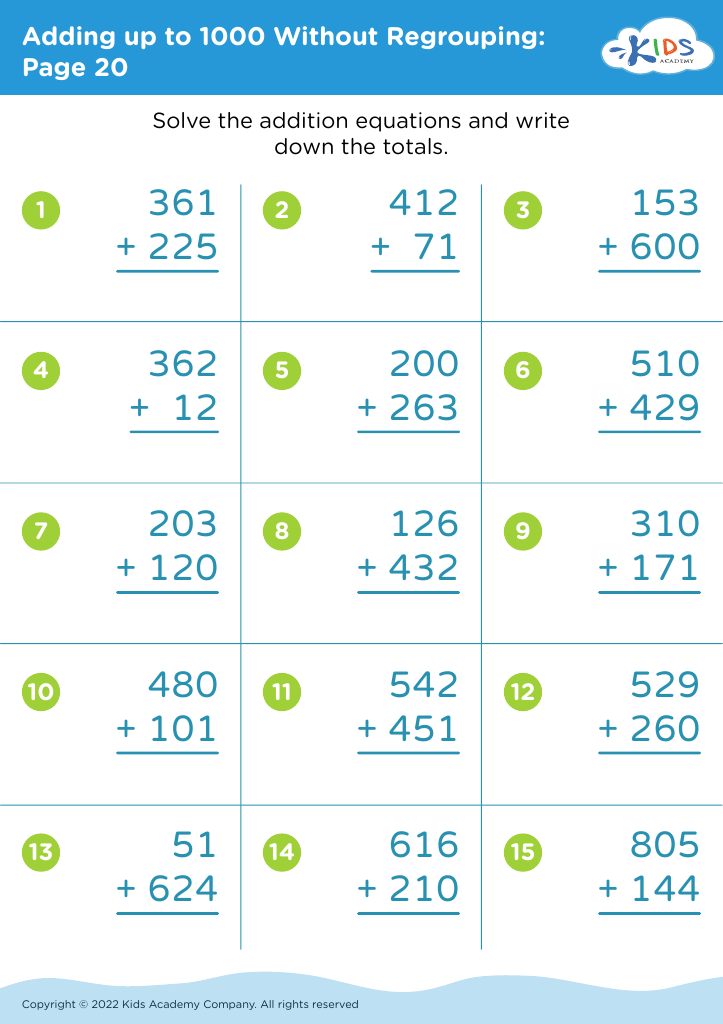
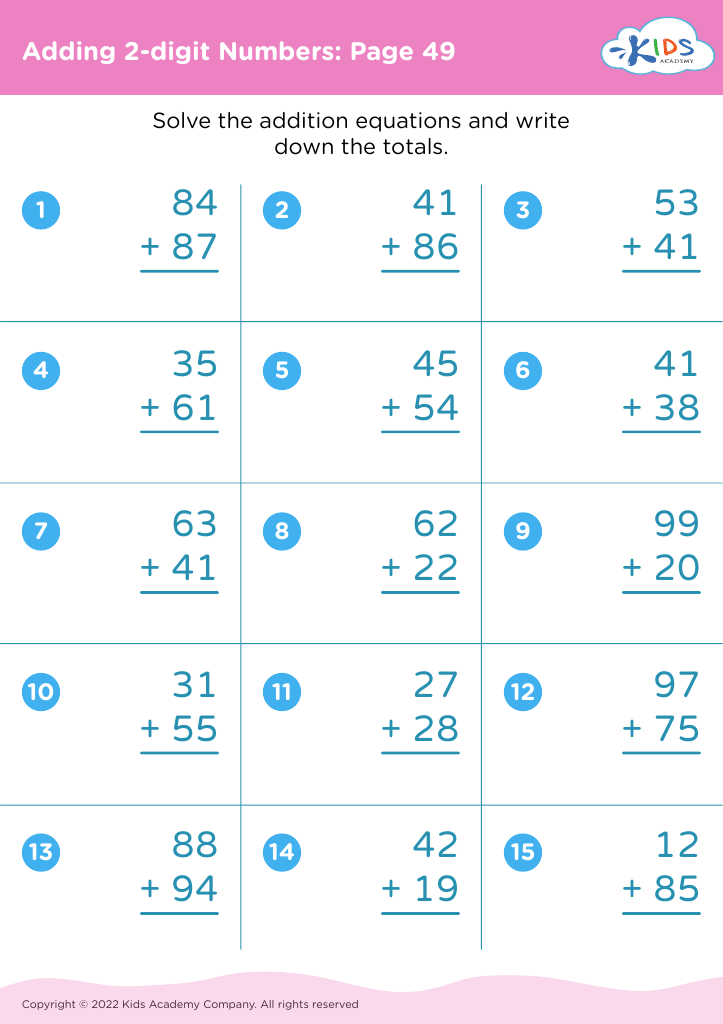








Practicing inference skills through Grade 2 Addition & Subtraction is crucial for young learners because it promotes both foundational mathematical abilities and critical thinking. Inference skills require students to derive conclusions based on given information, which sharpens their analytical thinking and problem-solving capabilities. When these skills are integrated with Addition and Subtraction, students not only learn basic arithmetic but also how to apply these operations in various contexts, thereby enhancing comprehension and logical reasoning.
For parents, ensuring their children develop these skills means equipping them with tools necessary for academic success and daily life. Strong inference skills enable children to decipher word problems, understand story contexts, and make educated guesses in unfamiliar situations, fostering independence and confidence. For teachers, incorporating these practices in their lessons means creating a comprehensive learning environment that goes beyond rote memorization. It encourages active engagement in learning, building a robust mathematical foundation and analytical abilities that students can build upon in higher grades.
Overall, these practices pave the way for a more rounded educational experience, better preparing children for future academic challenges. They help shape well-rounded individuals capable of critical thinking, logical reasoning, and effective problem-solving, all of which are essential life skills.