Practice problem-solving Grade 2 Addition & Subtraction Worksheets
4 filtered results
-
From - To
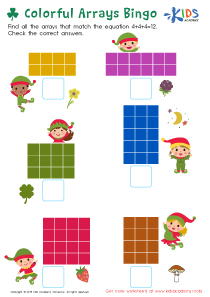
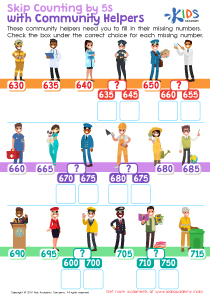
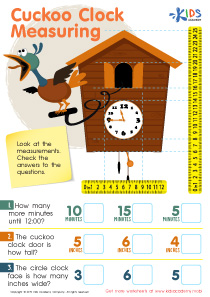
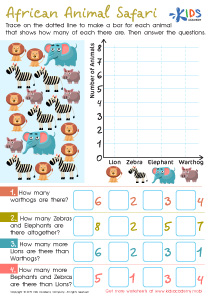
Enhance your child's math skills with our Grade 2 Addition & Subtraction Practice Problem-Solving Worksheets. Designed for young learners, these worksheets offer a variety of engaging exercises to build proficiency in basic arithmetic. Our carefully curated problems help students apply learned concepts, fostering critical thinking and boosting confidence. Each sheet combines colorful illustrations and diverse tasks to make learning fun and effective. With these worksheets, your child will master addition and subtraction while developing essential problem-solving skills. Suitable for classroom use or at-home practice, these resources are an excellent tool for ensuring math success.
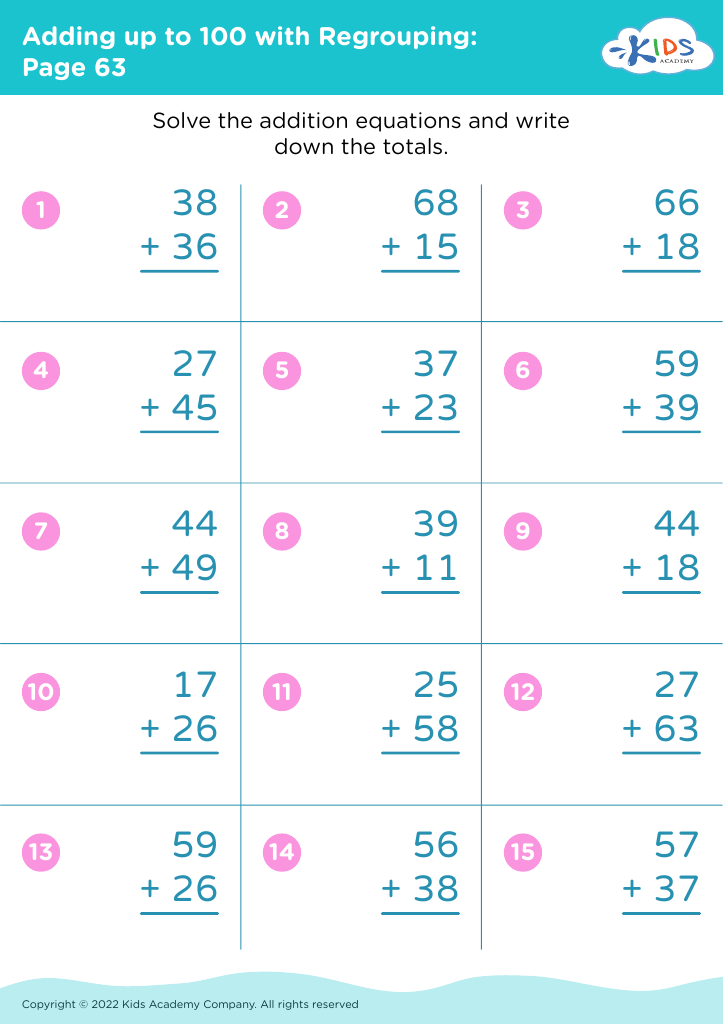
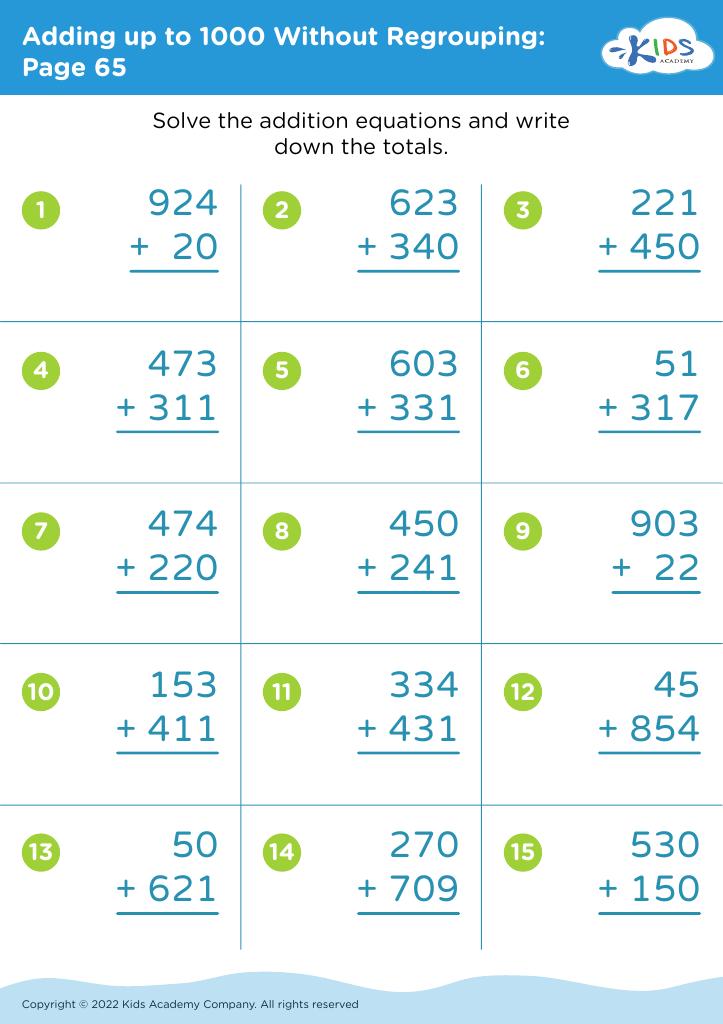
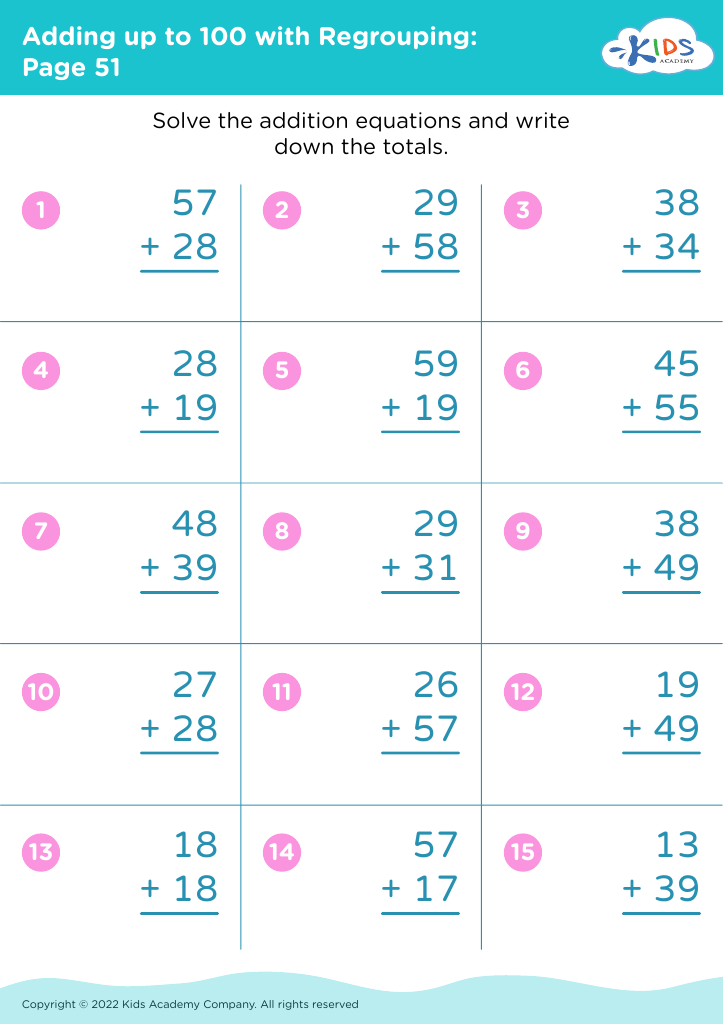
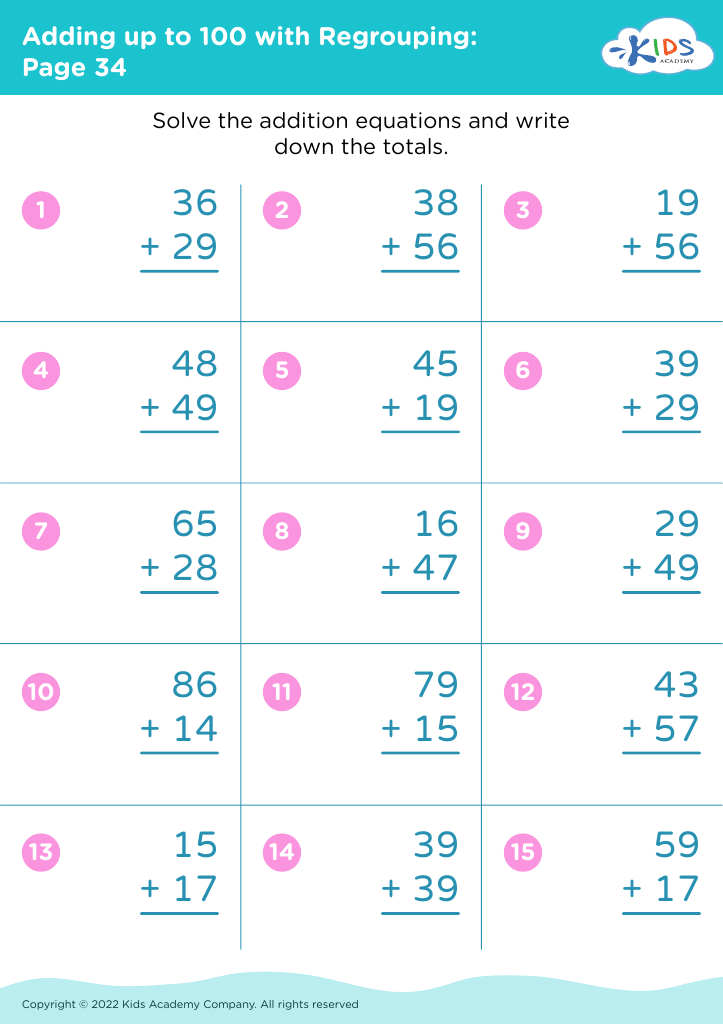








Ensuring that children in second grade practice problem-solving in addition and subtraction is vital for their overall mathematical development. These foundational arithmetic skills are the building blocks for more advanced mathematical concepts. When children practice these skills regularly, they enhance their numerical fluency, which is crucial for tackling more complex problems as they progress through their education.
First and foremost, addition and subtraction are essential life skills. Being able to efficiently solve simple arithmetic problems helps children handle everyday situations like making change, budgeting, and calculating time. By solidifying these skills at an early age, parents and teachers help set the stage for practical and independent living.
Moreover, problem-solving promotes critical thinking and analytical skills. When children engage in solving problems, they learn to approach challenges methodically, develop strategies, and build resilience. This mental discipline extends beyond mathematics and benefits other academic areas, such as reading comprehension and science.
Working on these problems also boosts confidence and motivation in young learners. Mastery of foundational skills ensures children feel competent and less anxious about math, leading to a more positive attitude toward learning. Therefore, diligent practice in grade 2 addition and subtraction is instrumental in fostering a love for math and preparing children for future academic success.