Shape Recognition Grade 2 Addition & Subtraction Worksheets - Page 2
30 filtered results
-
From - To
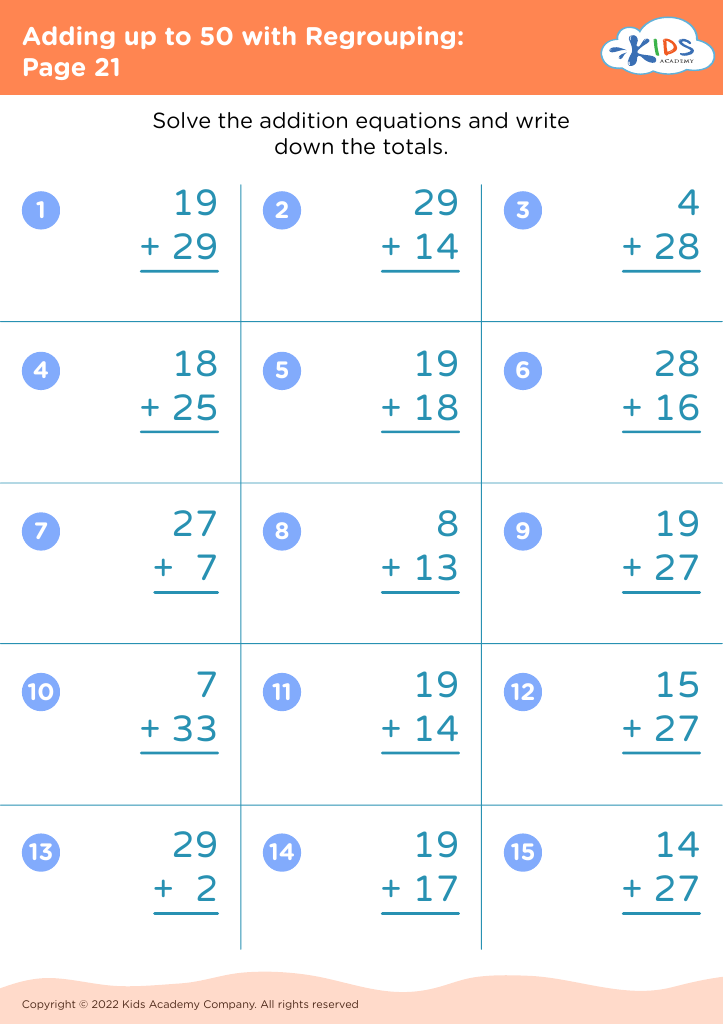
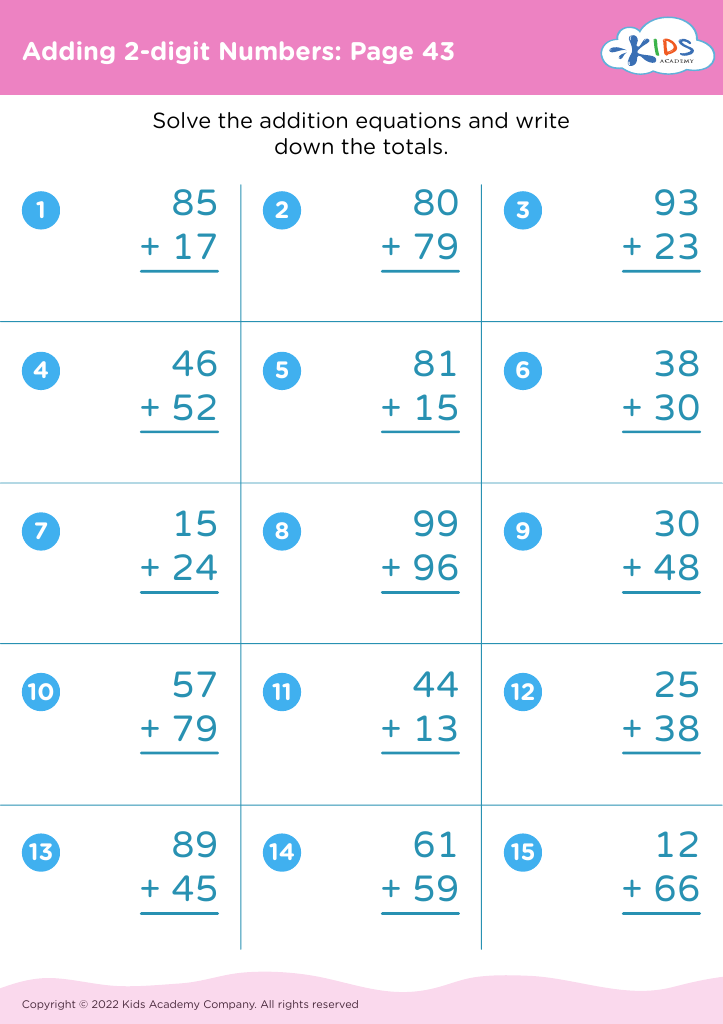
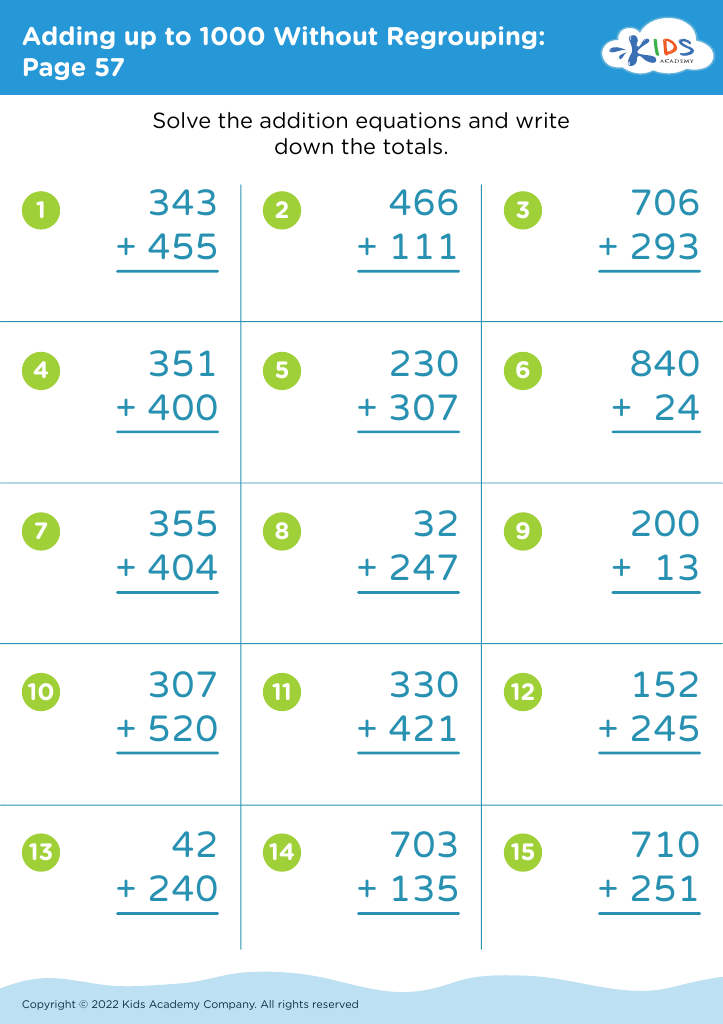
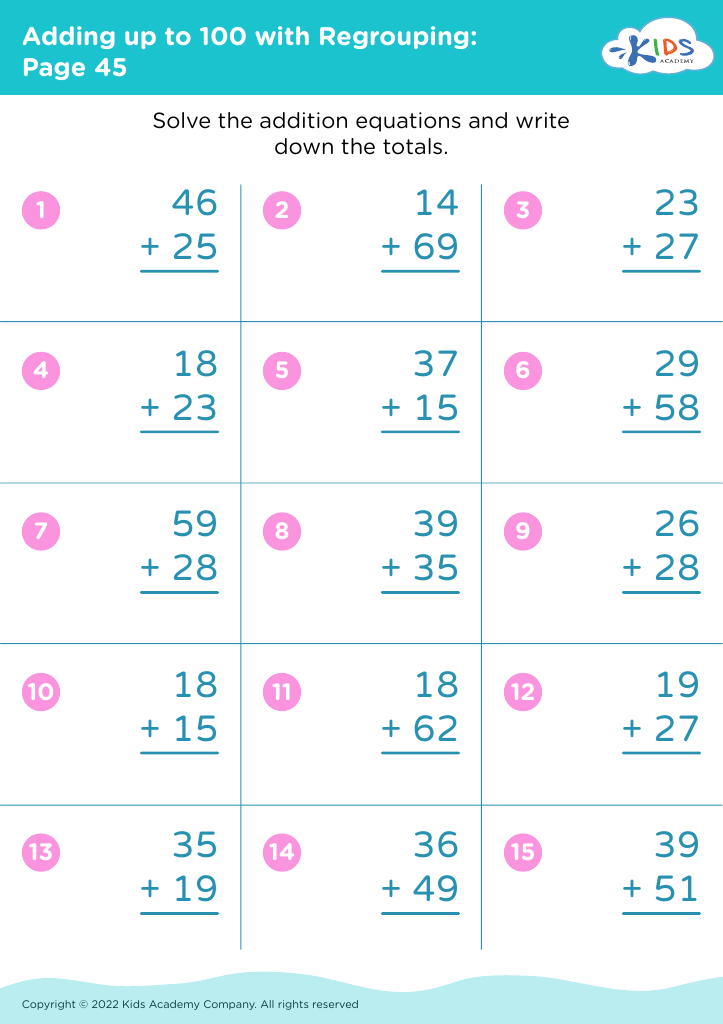
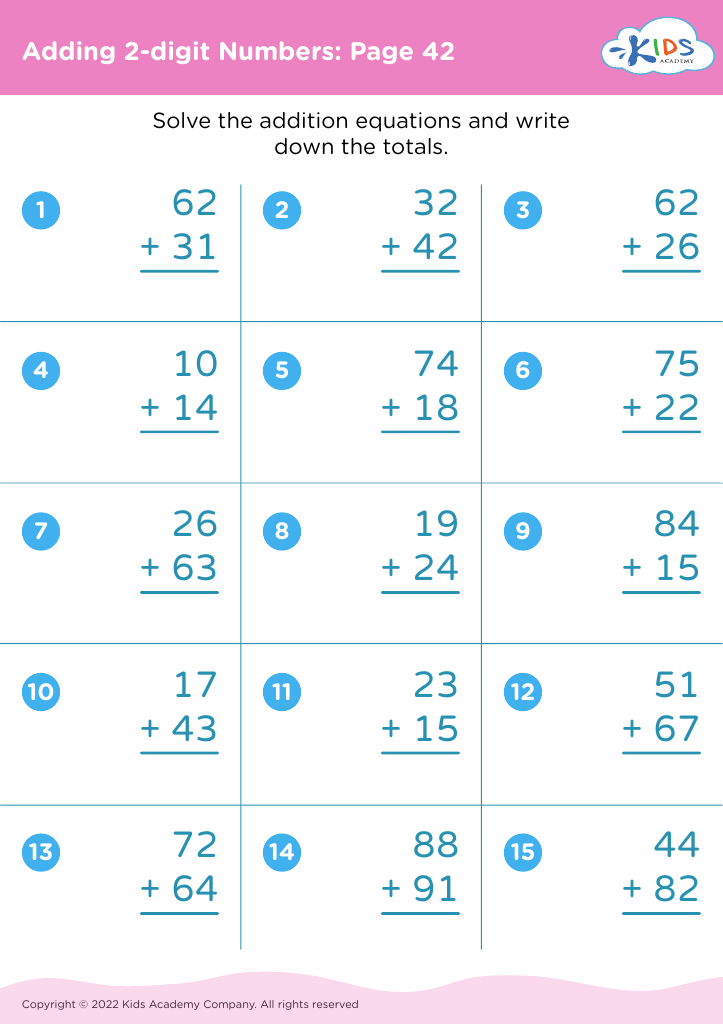
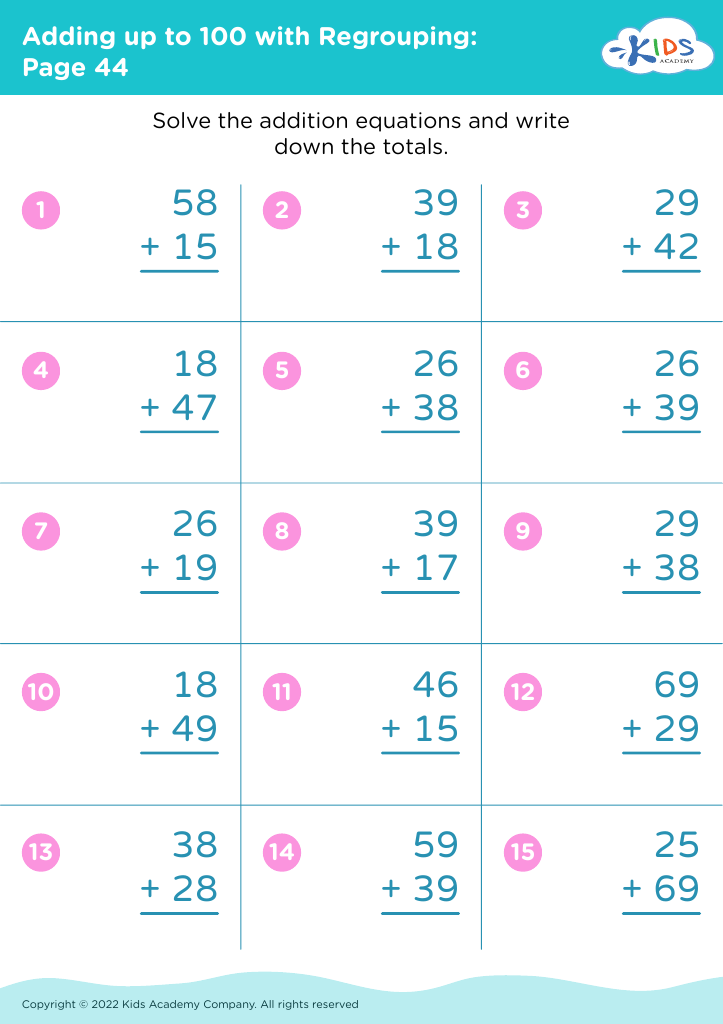


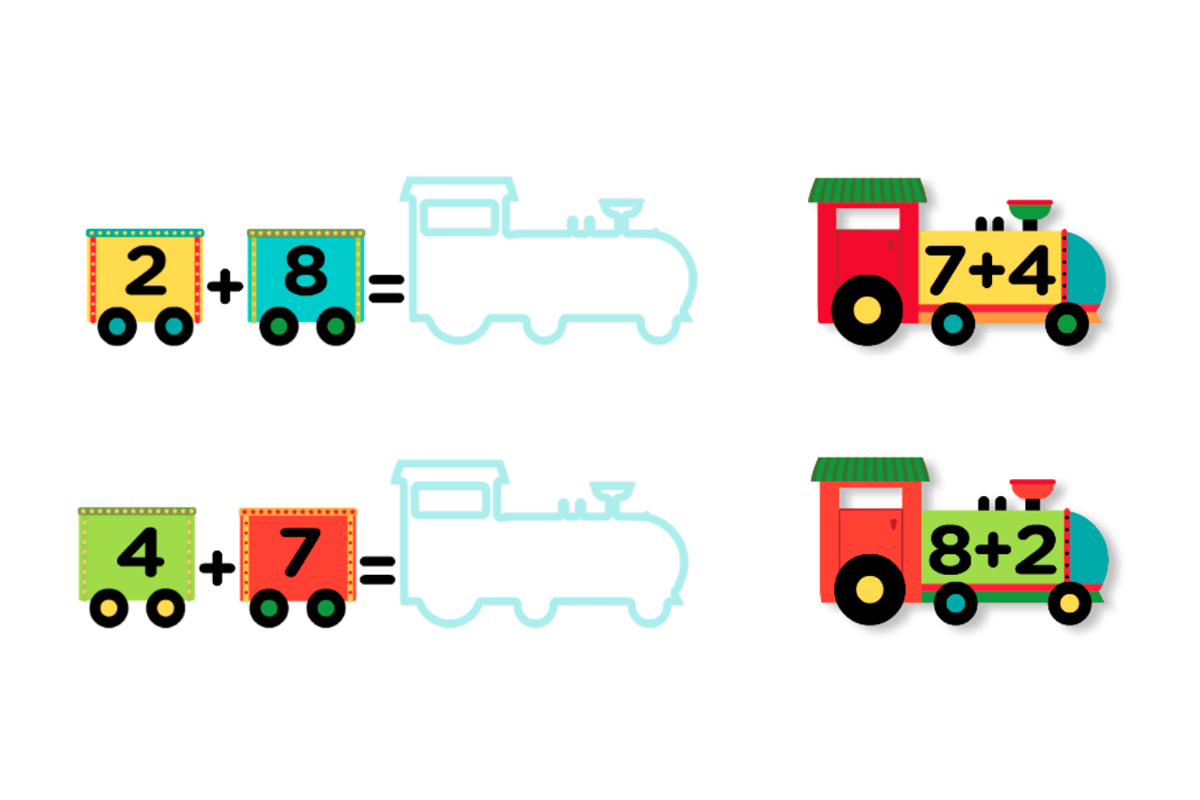

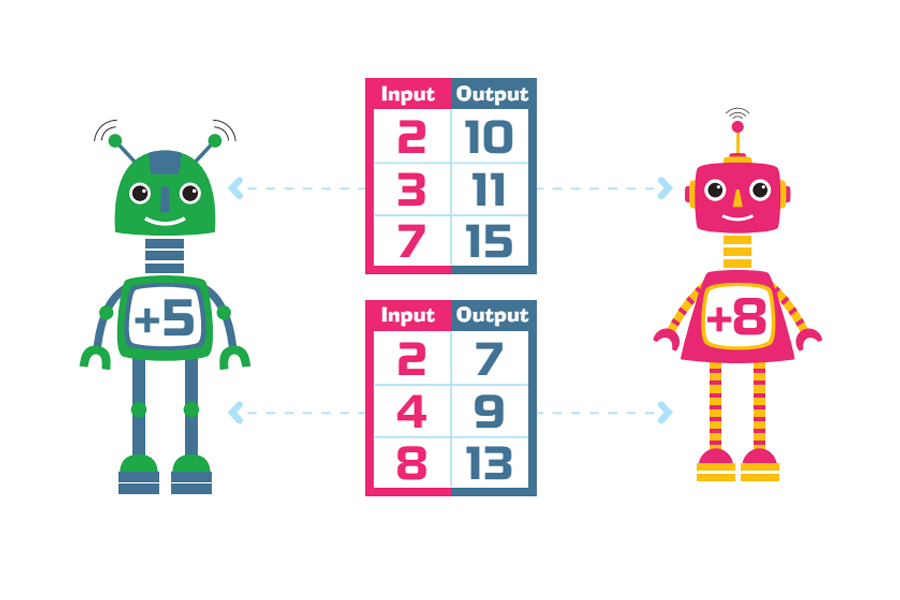



Shape recognition and basic arithmetic skills, such as addition and subtraction, play essential roles in early childhood development and future academic success. Parents and teachers should care about incorporating activities like Shape Recognition Grade 2 Addition & Subtraction for several reasons.
Firstly, recognizing shapes sharpen analytical and spatial reasoning skills. When children identify, classify, and understand shapes, they develop foundational geometry skills, essential for more complex math and science topics later on.
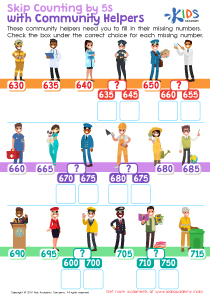
Secondly, addition and subtraction are critical building blocks for all advanced math operations. Mastery of these basic arithmetic skills in grade 2 ensures that children build a solid foundation for more complex mathematical concepts, such as multiplication, division, fractions, and problem-solving strategies. These skills also enhance logical reasoning and critical thinking, which are indispensable for academic subjects beyond math.
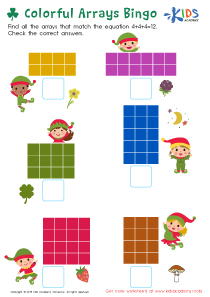
Engaging in activities that combine shape recognition with addition and subtraction cultivates dual skills in an integrative manner, reinforcing the learning process. This holistic approach makes learning more enjoyable and less daunting for young students, effectively bridging the gap between fun and education. In culmination, nurturing these foundational skills through focused activities supports continuous academic growth, increasing a child's confidence and enjoyment in learning. Thus, parents and teachers who emphasize these elements are setting their children up for prolonged educational success and holistic development.