Understand patterns Grade 2 Addition & Subtraction Worksheets
6 filtered results
-
From - To
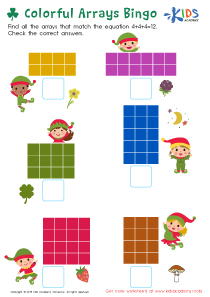
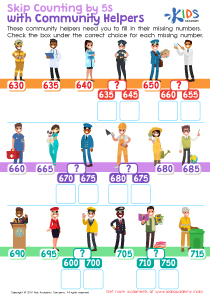
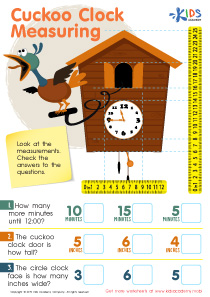
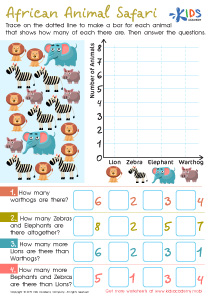
Explore our engaging Grade 2 Addition & Subtraction Worksheets focused on understanding patterns! Designed for young learners, these materials will help students identify and recognize numerical patterns while enhancing their addition and subtraction skills. Our worksheets feature a variety of exercises that encourage critical thinking and problem-solving, making math fun and interactive. As students work through these activities, they'll develop a solid foundation in basic math concepts, preparing them for future challenges. Perfect for classroom use or home practice, these worksheets are the ideal resource for fostering a love for math while mastering essential skills. Turn learning into an exciting adventure!
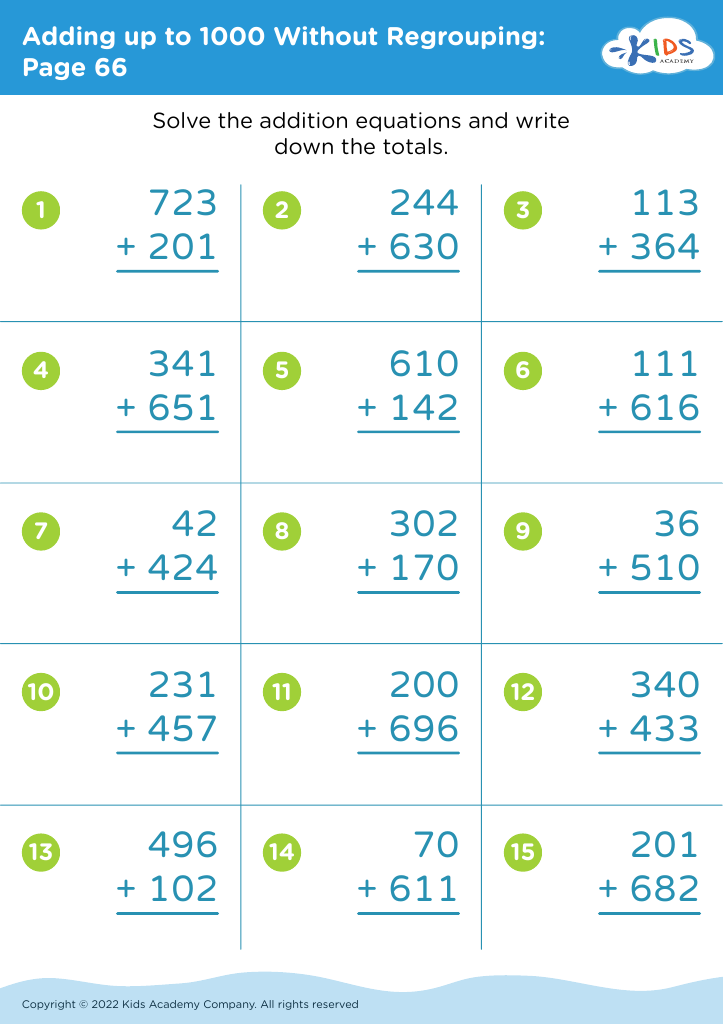
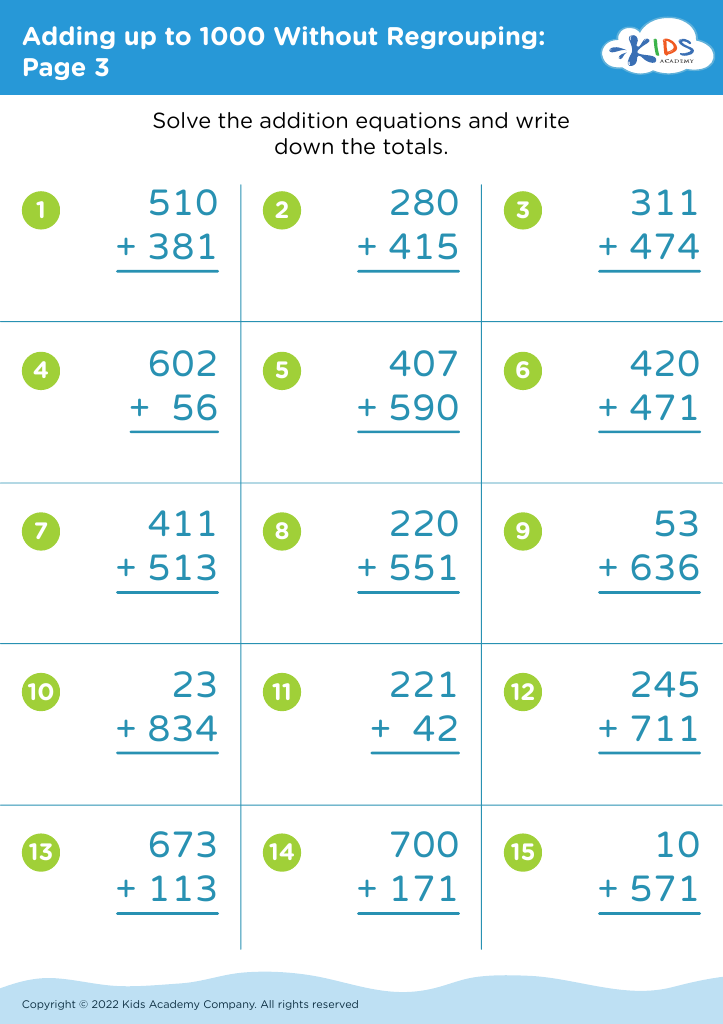
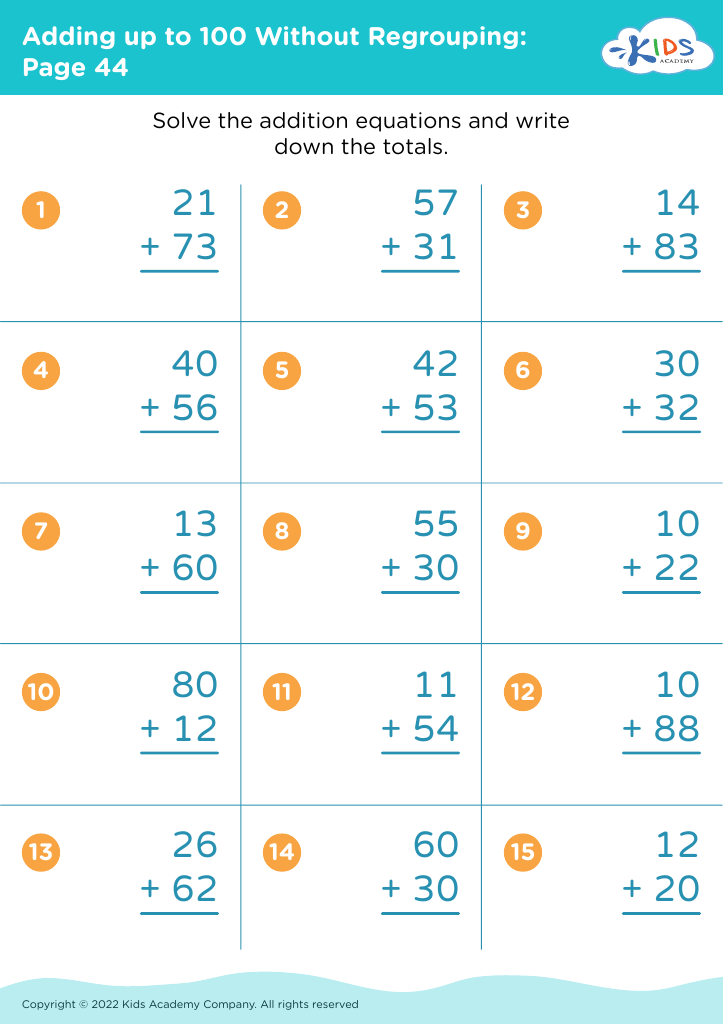
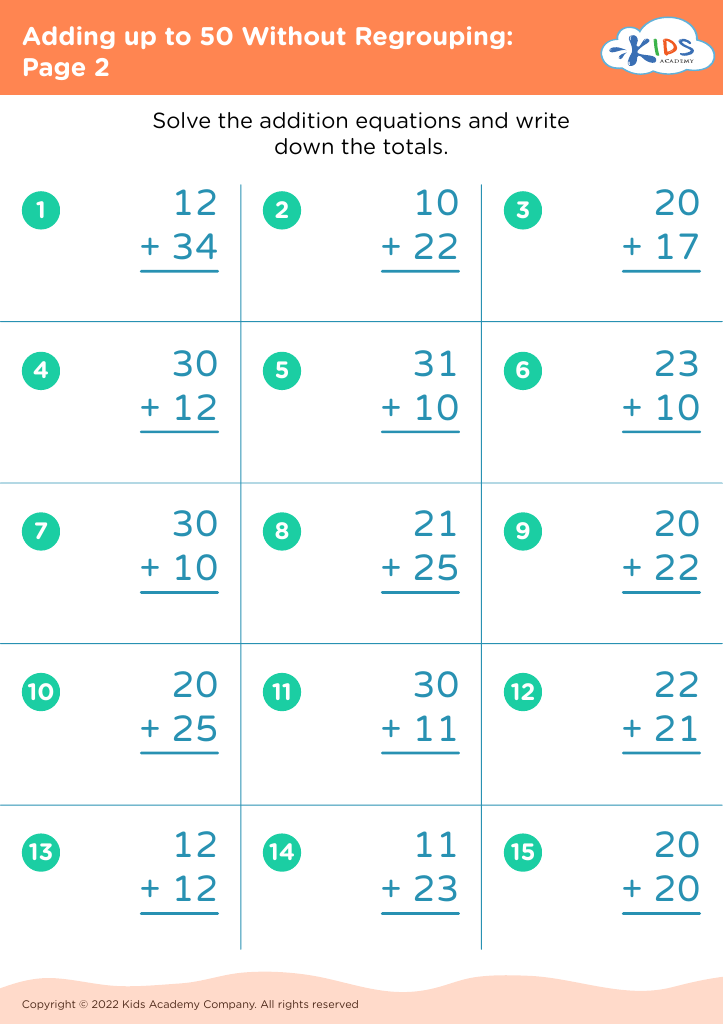
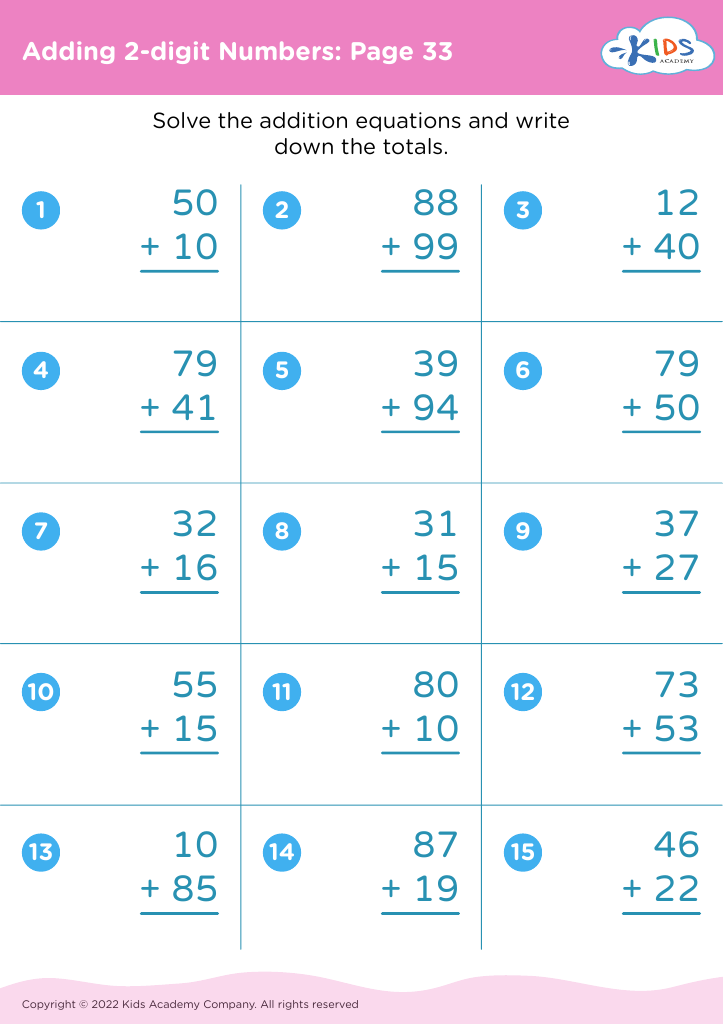
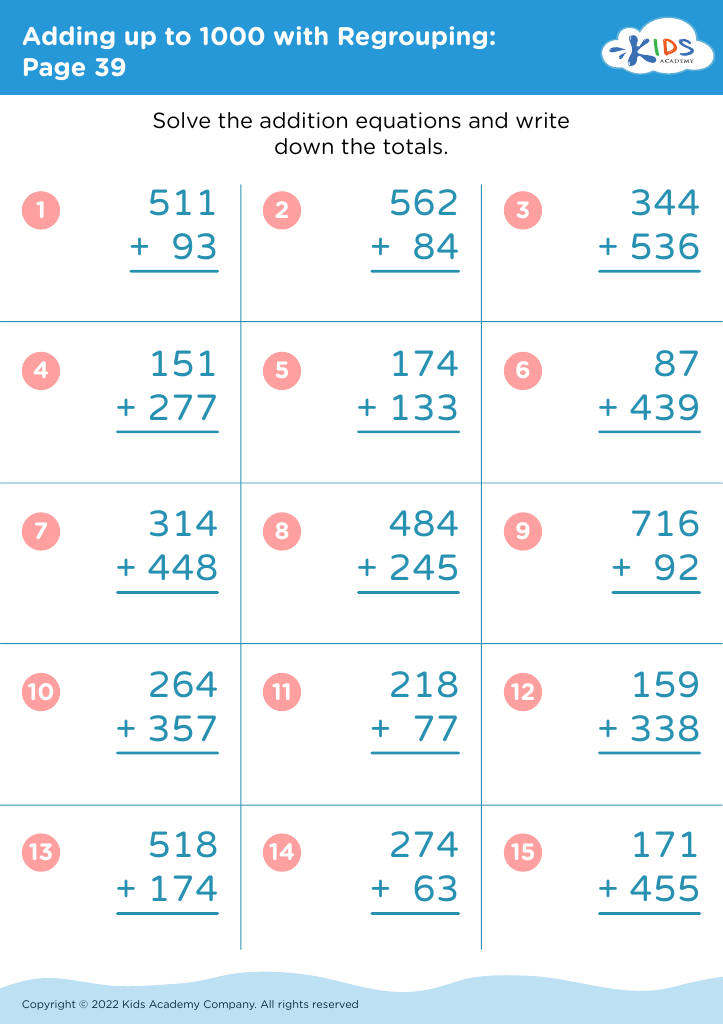








Understanding patterns in Grade 2 addition and subtraction is vital for young learners as it lays the groundwork for their mathematical journey. At this age, children begin to recognize numerical patterns, which helps them develop problem-solving skills and enhances their ability to make connections between concepts. When students grasp how numbers work together, they gain confidence, making math less daunting.
For parents and teachers, focusing on these patterns fosters critical thinking. For instance, children will start noticing that, in addition, the order of numbers doesn't affect the outcome (commutative property), or understanding how to make tens with combinations in subtraction lead to more efficient problem-solving strategies.
Moreover, recognizing patterns aids in identifying relationships between numbers, helping children predict outcomes and analyze new problems more effectively. Encouraging this understanding promotes a growth mindset, teaching children that challenges can be solved through exploration and reasoning.
By nurturing this skill, parents and teachers prepare students not only for more complex math concepts later on but also for broader applications in real-world situations. Building a strong foundation in pattern recognition enhances overall academic performance and encourages a lifelong love of learning. Emphasizing this area ensures students are equipped for future success in mathematics.